


Optimization of anti-liquefaction measures for rigid pile composite foundations of cooling towers in the flooded area of Yellow River
-
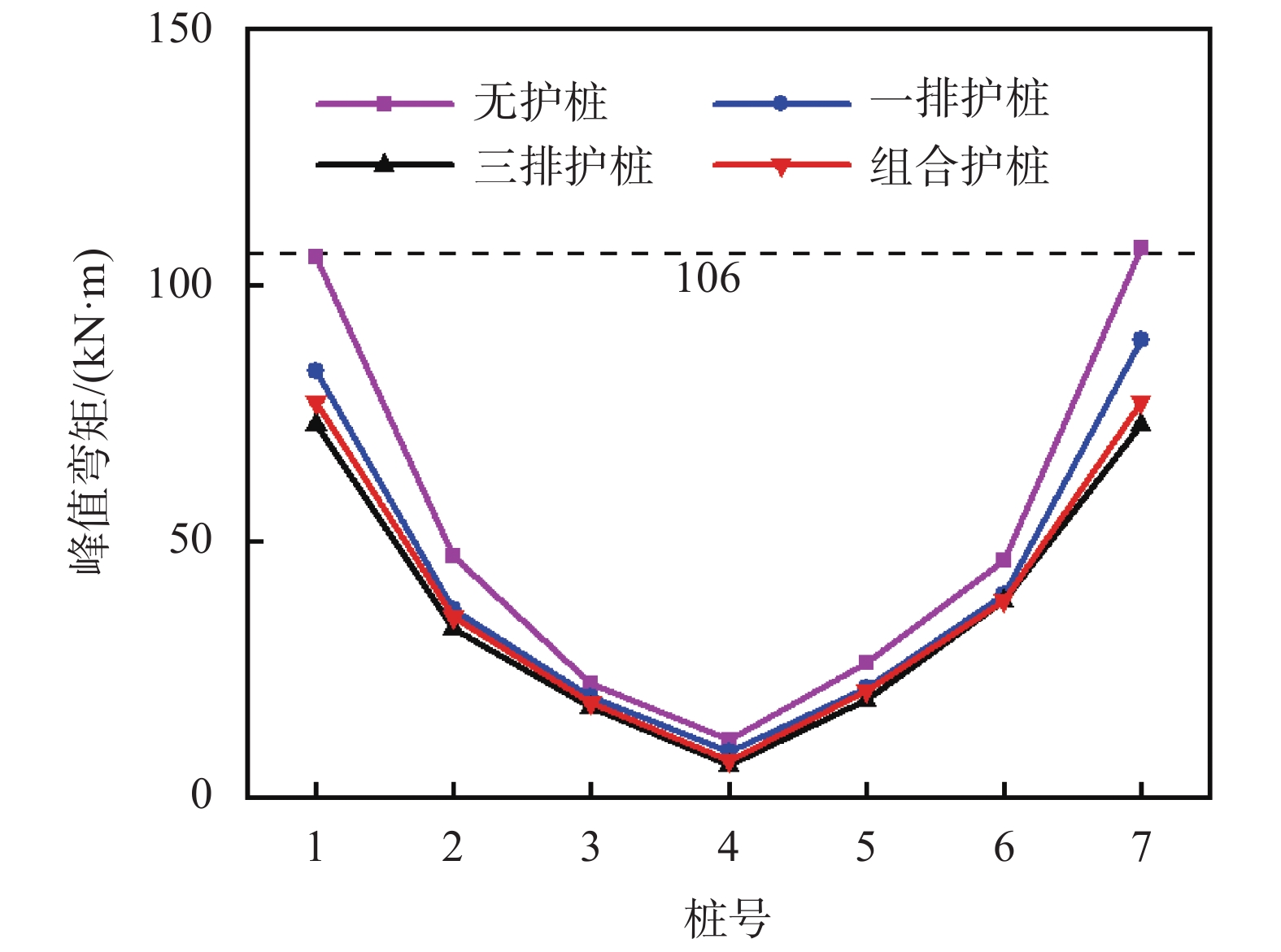
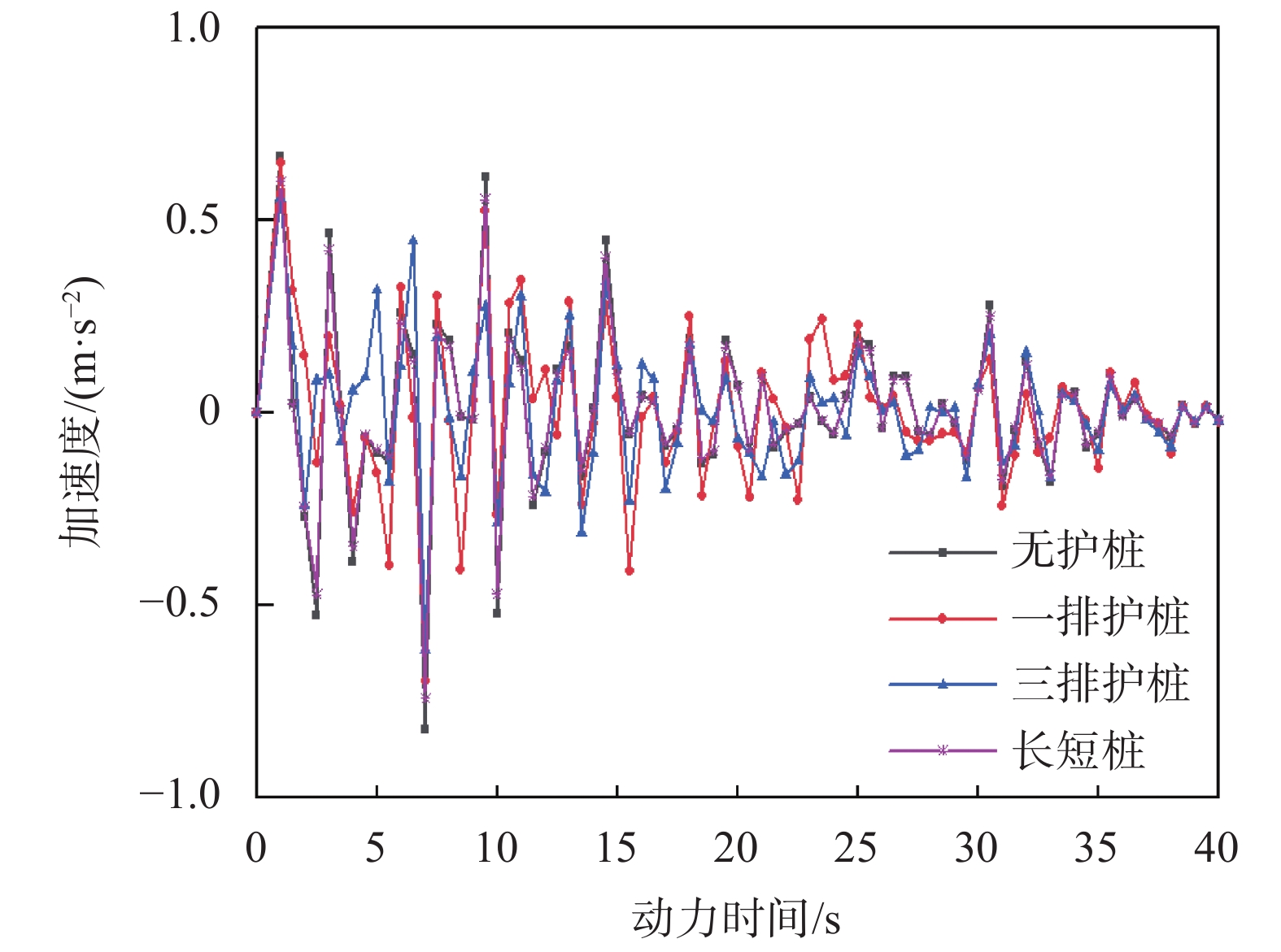
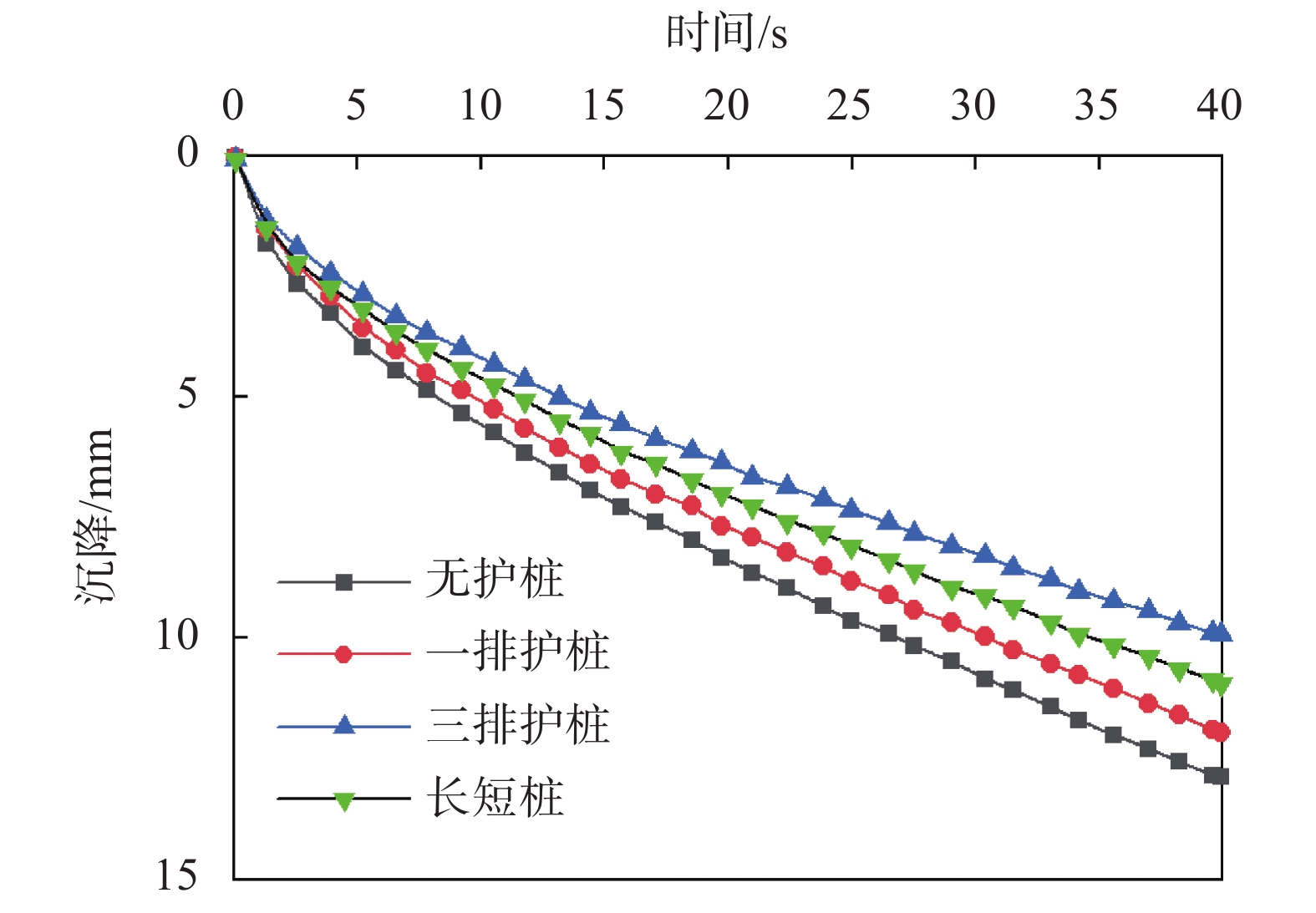
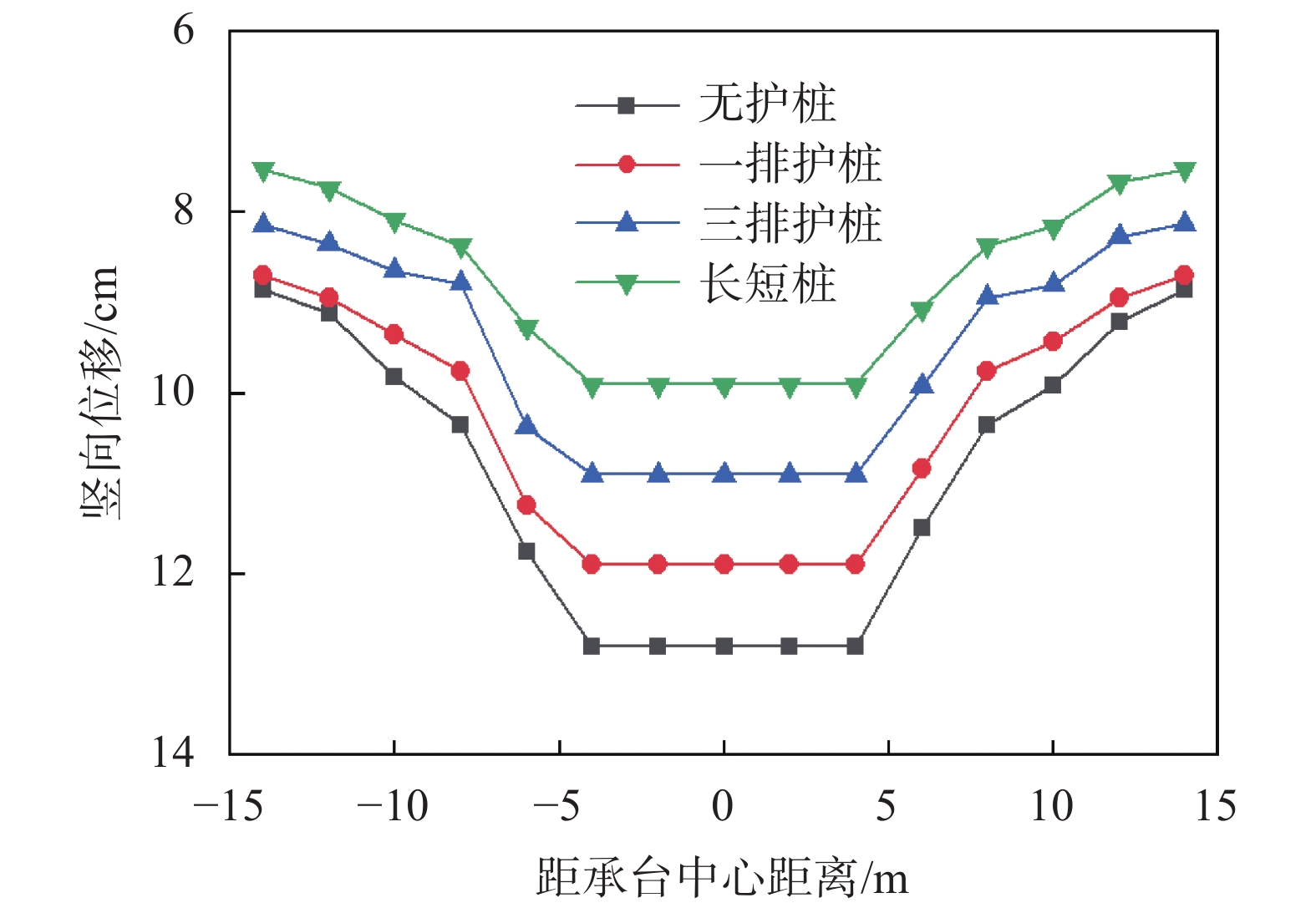
摘要: 某电厂冷却塔位于黄泛区液化土层,采用刚性桩复合地基,为对其复合地基护桩系统进行优化设计,采用数值分析方法对场地土与刚性桩结构在地震荷载作用下的受力特征和动力响应机制进行研究,探讨不同刚性桩护桩方式对地基抗震性能、变形特性等的影响。结果表明:承台下基桩峰值弯矩出现在最外侧基桩,对应地基底部可液化土层与下部非液化土层交界处;一排、三排和长短组合桩围护时,峰值弯矩分别降低16.7%,31.9%和29.9%;定义基桩峰值弯矩降低百分比与护桩长度比值为护桩效益系数,发现长短桩组合桩型为最具效益桩型,三排护桩工况对应的效益最低;护桩可以降低桩周土整体加速度,改善桩基承台沉降变形,一排护桩、三排护桩和长短桩工况下,沉降分别降低7.75%,24.03%和15.5%。Abstract: To investigate the mechanical characteristics and response mechanism of a rigid pile composite foundation with pile reinforcement for cooling towers in liquefiable soil in the flooded area of Yellow River, a numerical analysis was conducted. This study analyzed the dynamic interaction between the site soil and the rigid pile structure under seismic loading, comparing the effects of different pile reinforcement configurations on foundation seismic resistance and deformation characteristics. Results show that peak bending moments occur in the outermost piles, located at the boundary between the liquefiable soil layer and the underlying non-liquefiable soil. For single-row, triple-row, and varying-length pile configurations, the peak bending moments decreased by 16.7%, 31.9%, and 29.9%, respectively. Defining the reinforcement efficiency coefficient as the ratio of peak bending moment reduction to reinforcement pile length, analysis revealed that the varying-length pile configuration has the highest efficiency, while the triple-row pile configuration is the least efficient. Pile reinforcement also reduces overall acceleration around the pile and improves settlement deformation of the pile cap. For single-row, triple-row, and varying-length pile configurations, settlement was reduced by 7.75%, 24.03%, and 15.5%, respectively.
-
Key words:
- rigid pile /
- composite foundation /
- liquefaction /
- seismic load
-
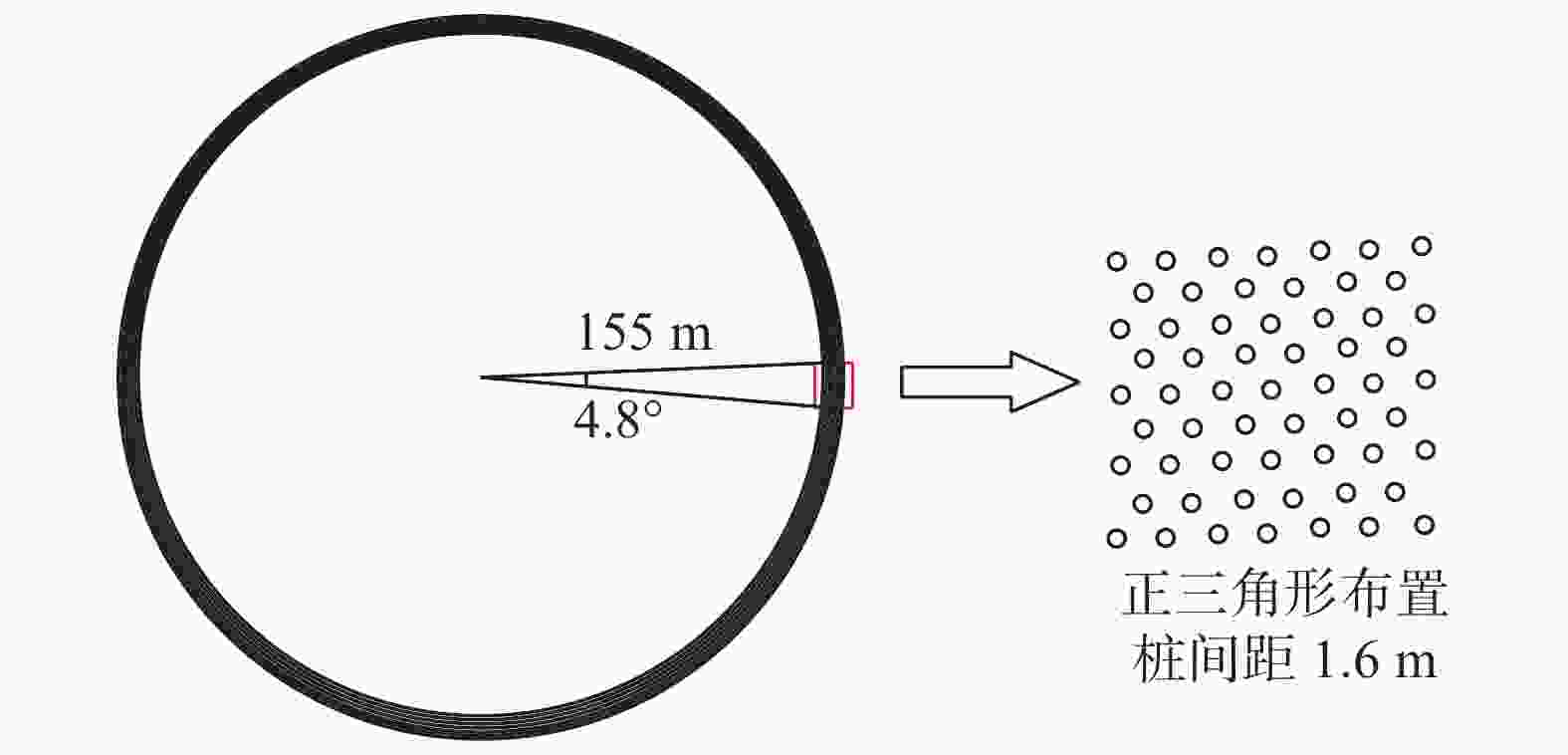
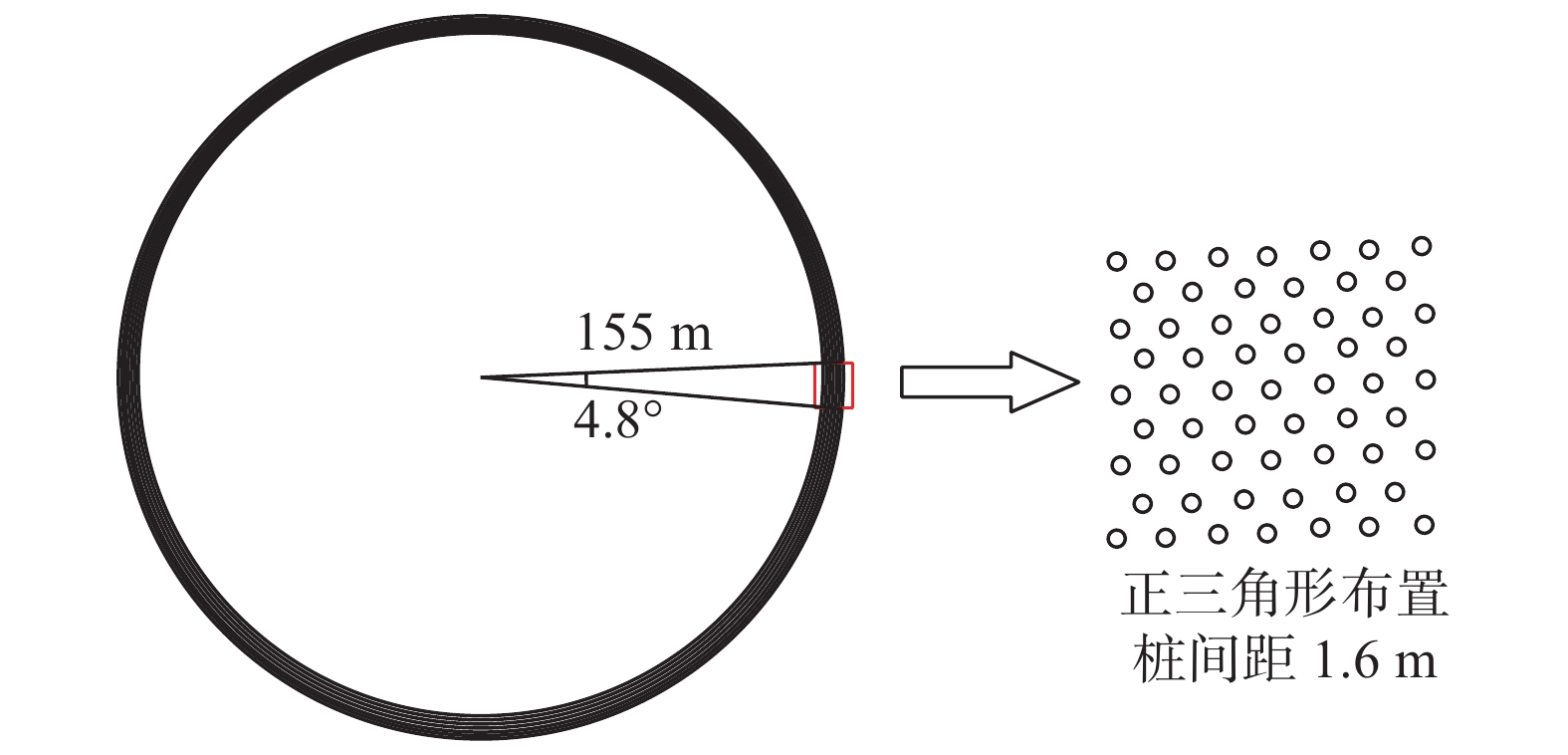
图 1 冷却塔塔筒基础及地基处理平面布置示意
Figure 1. Schematic plan layout of cooling tower foundation and ground treatment
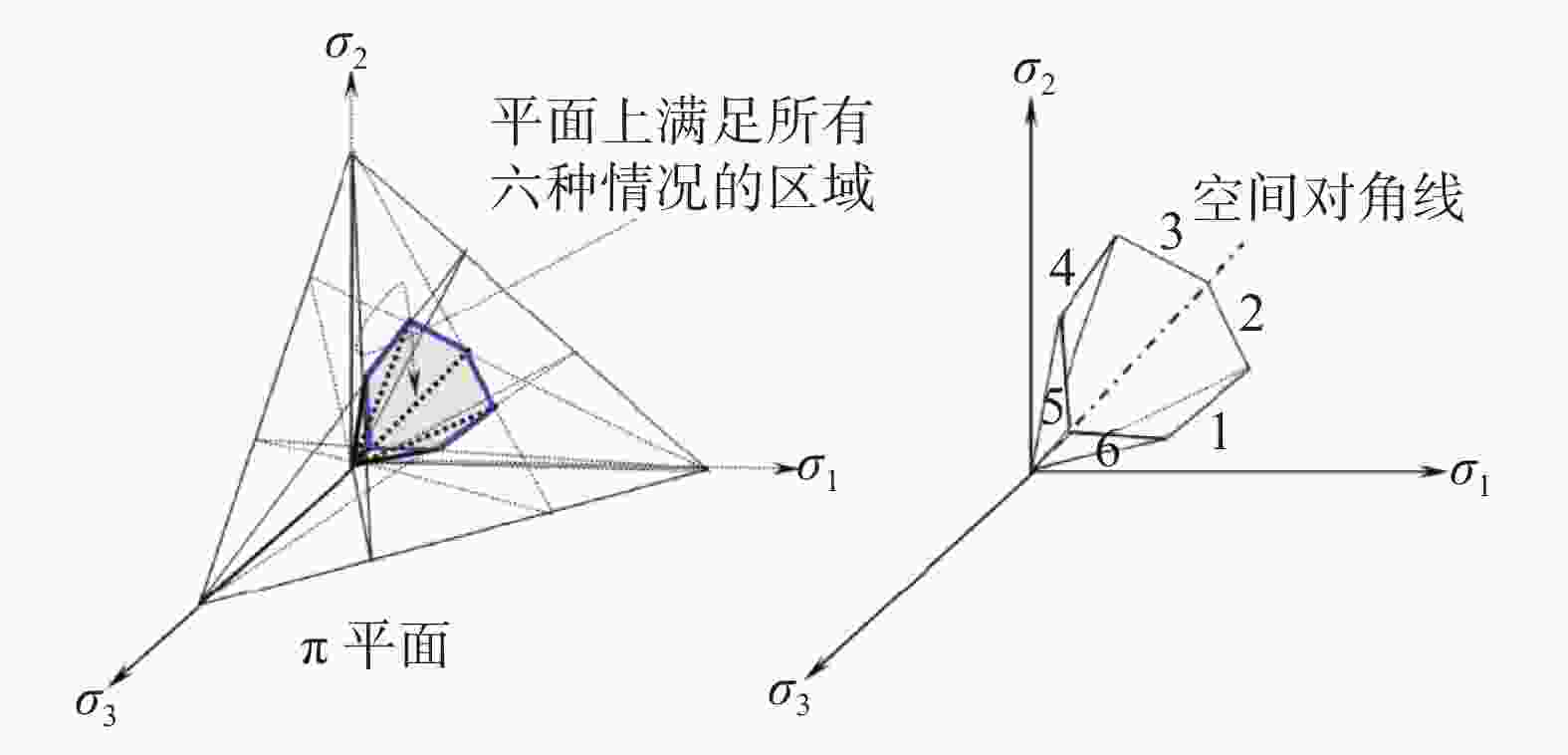
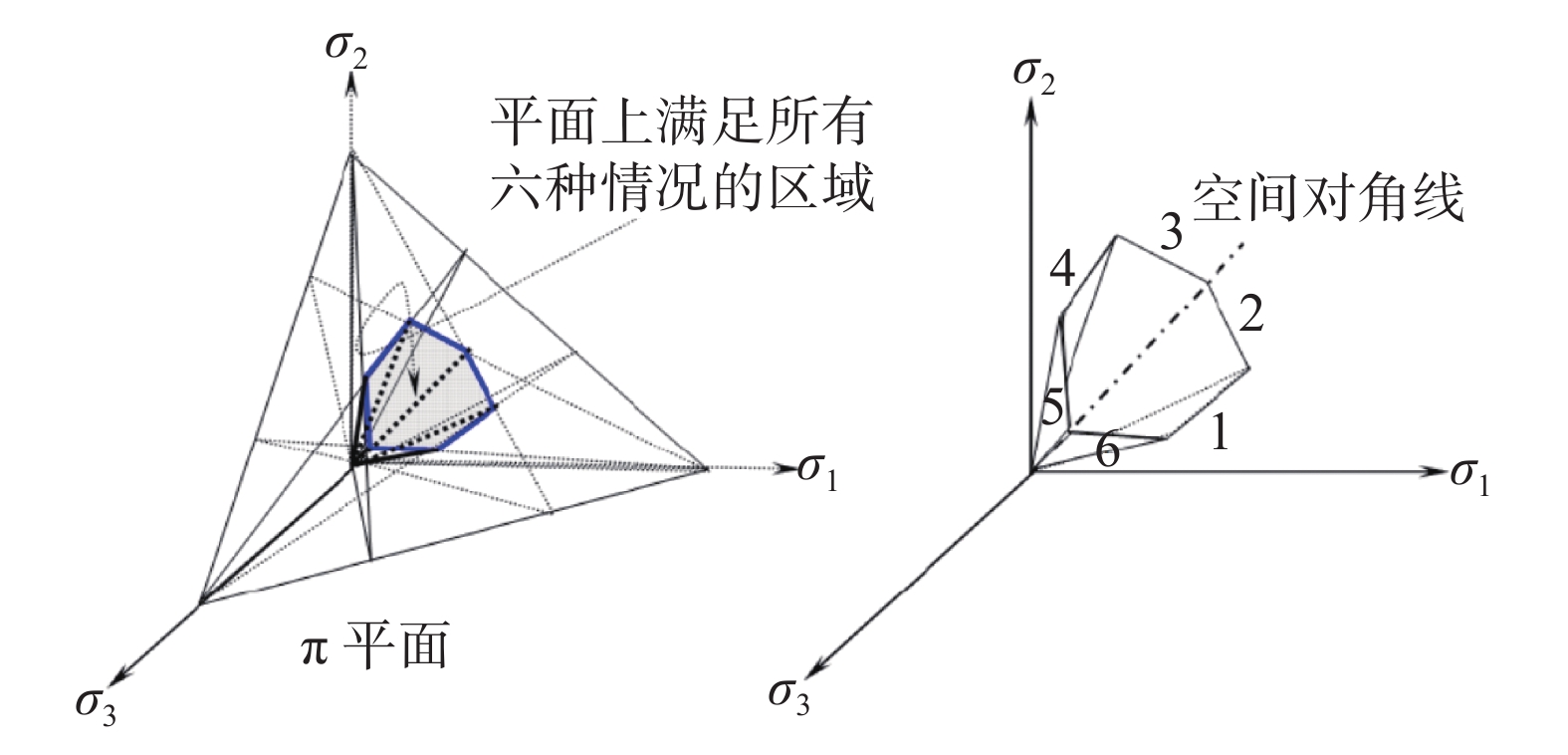
图 3 三维主应力空间中6个平面的交点以及最终的屈服面
Figure 3. Intersection points of six planes in 3D principal stress space and the final yield surface
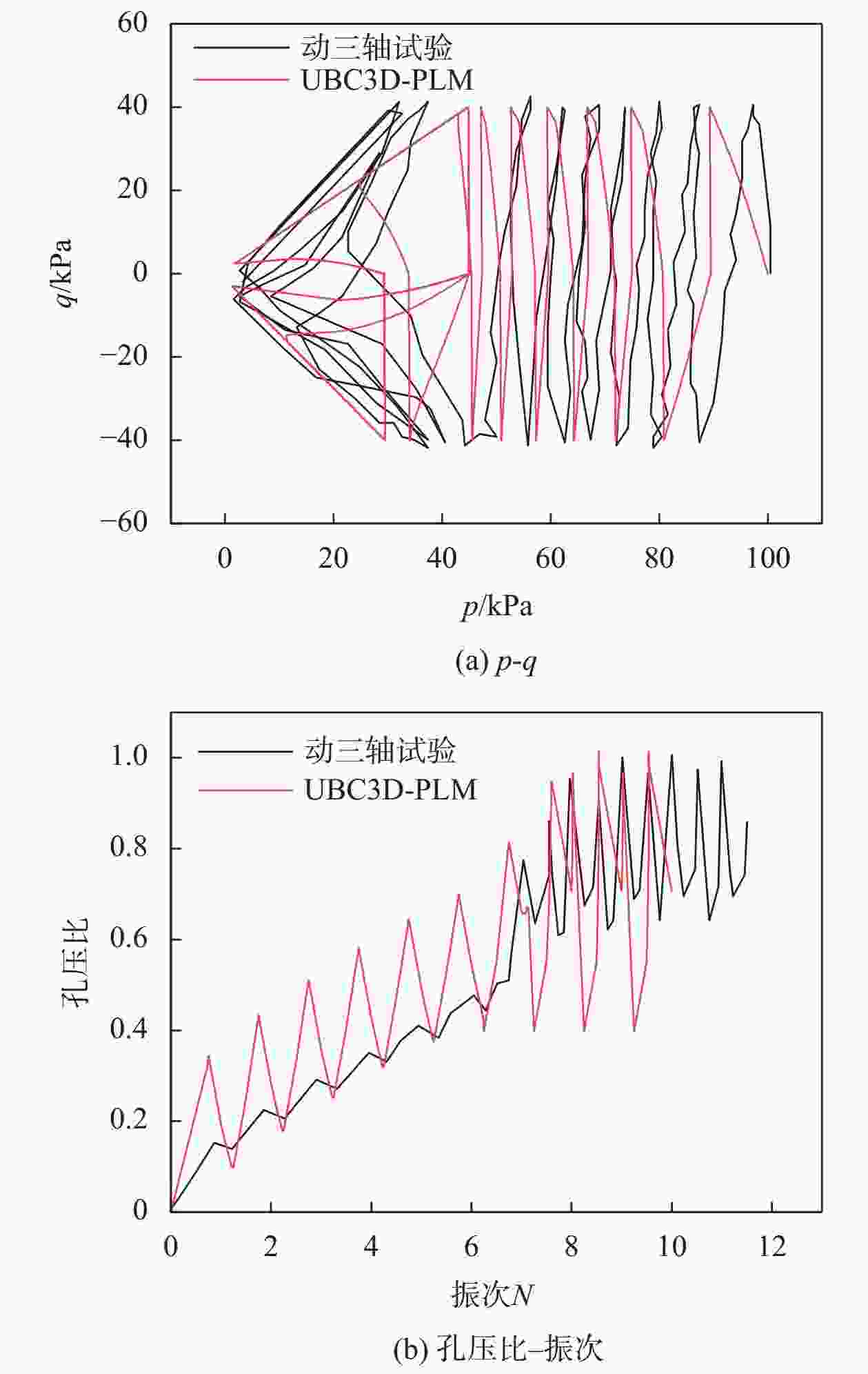
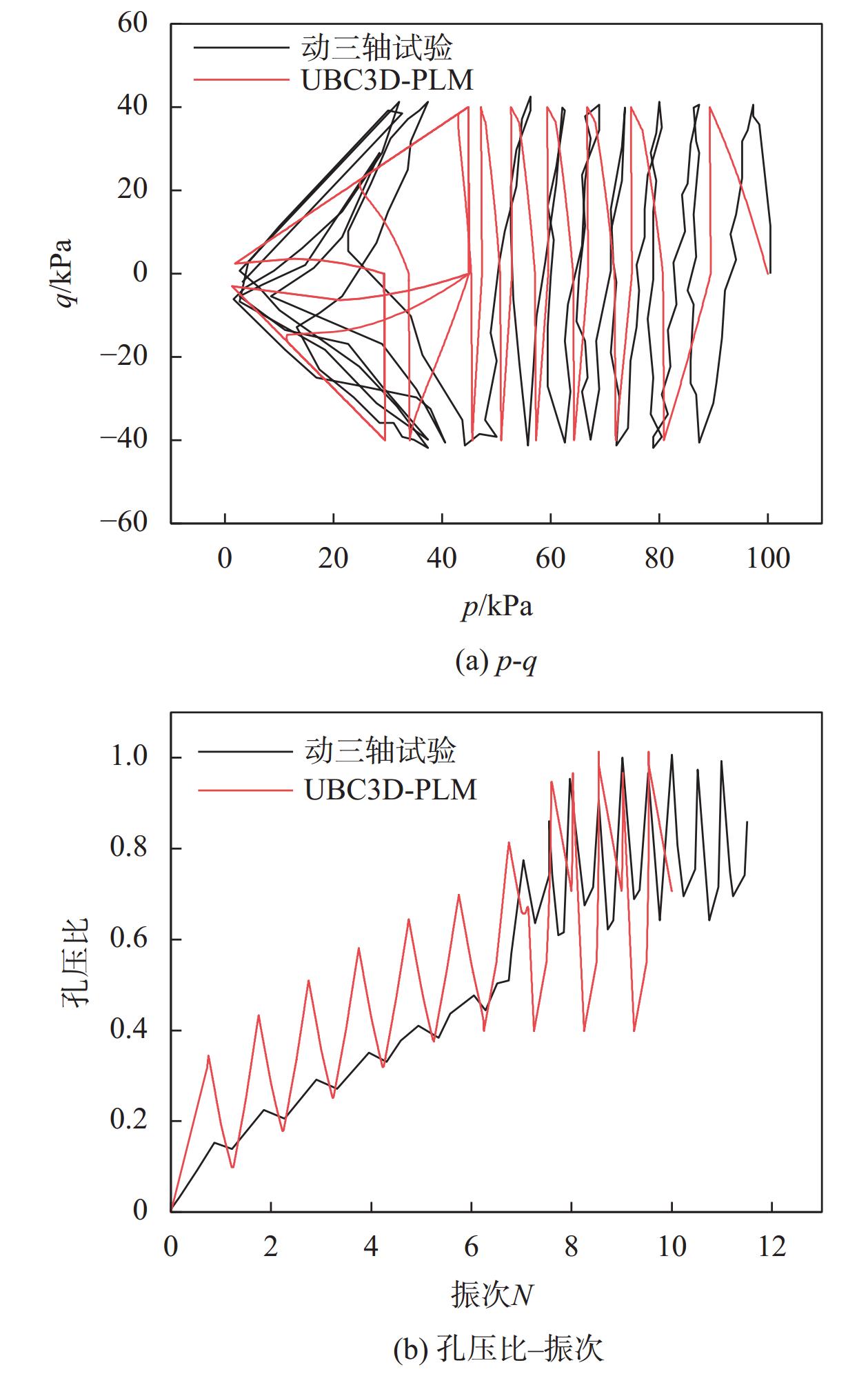
图 4 黄泛区粉土模型参数验证
Figure 4. Verification of model parameters for silt in the Yellow River flooded area
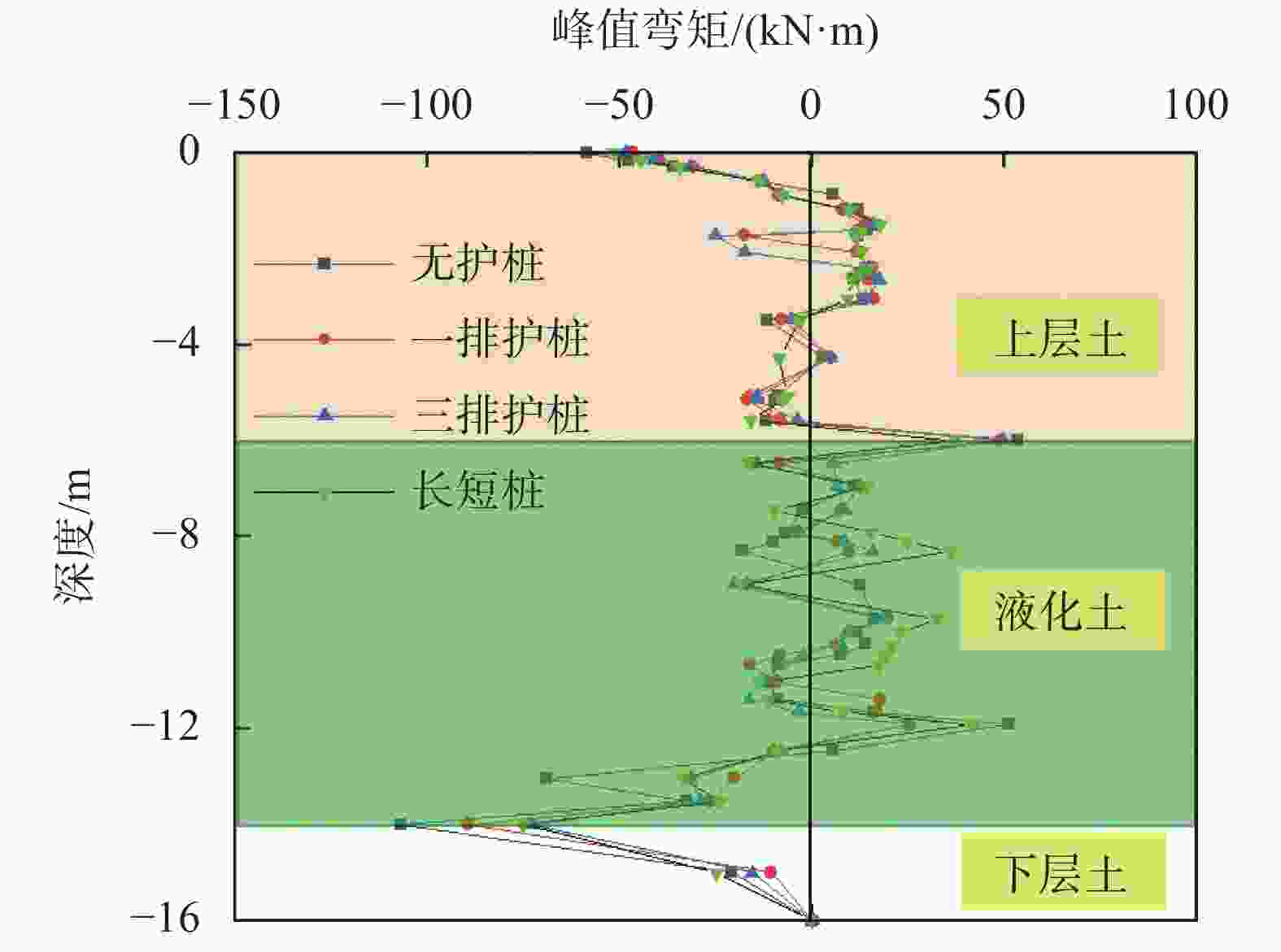
图 7 粉土液化层7#桩峰值弯矩图
Figure 7. Peak bending moment of Pile No. 7 in the liquefiable silt layer
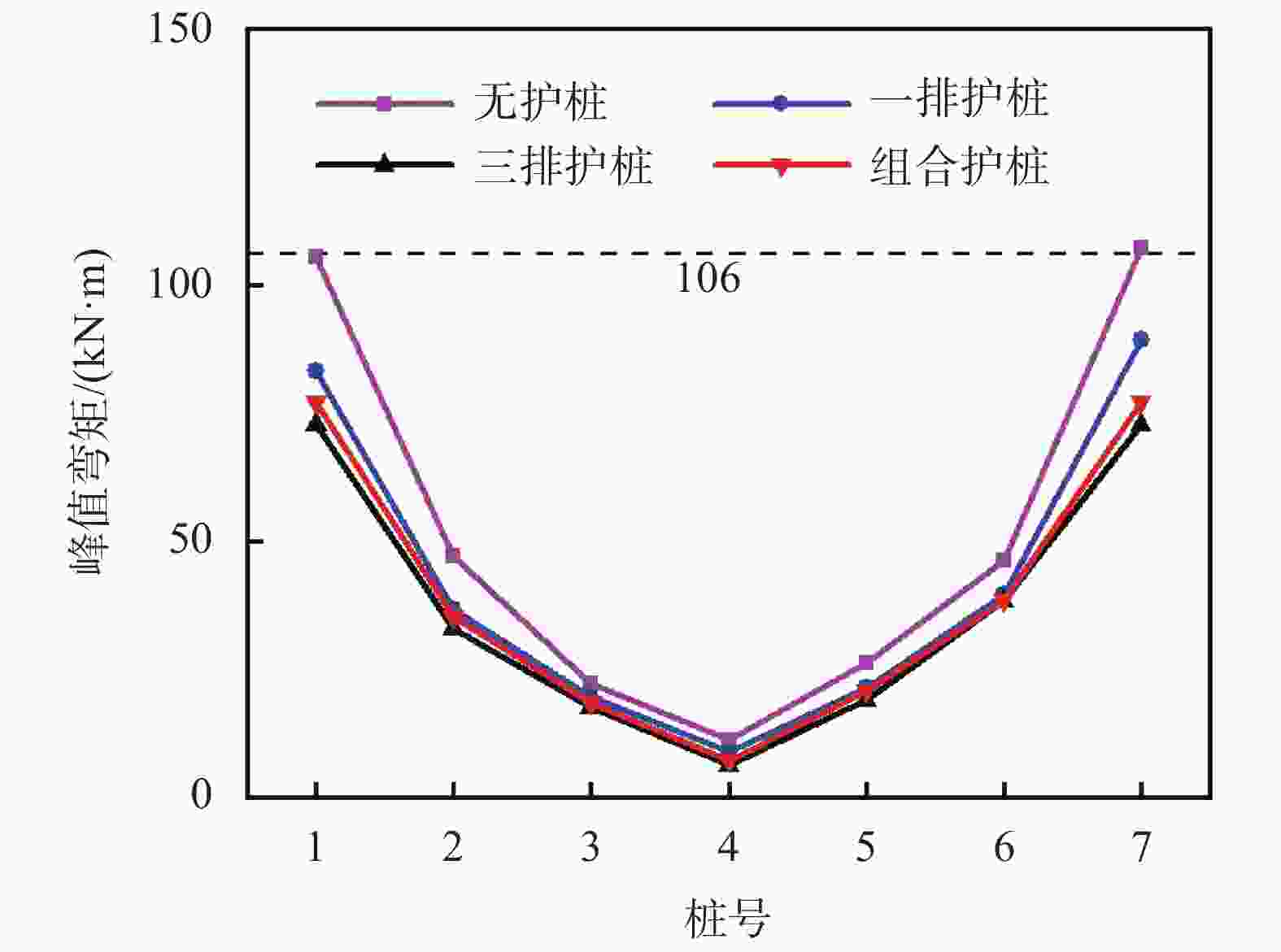
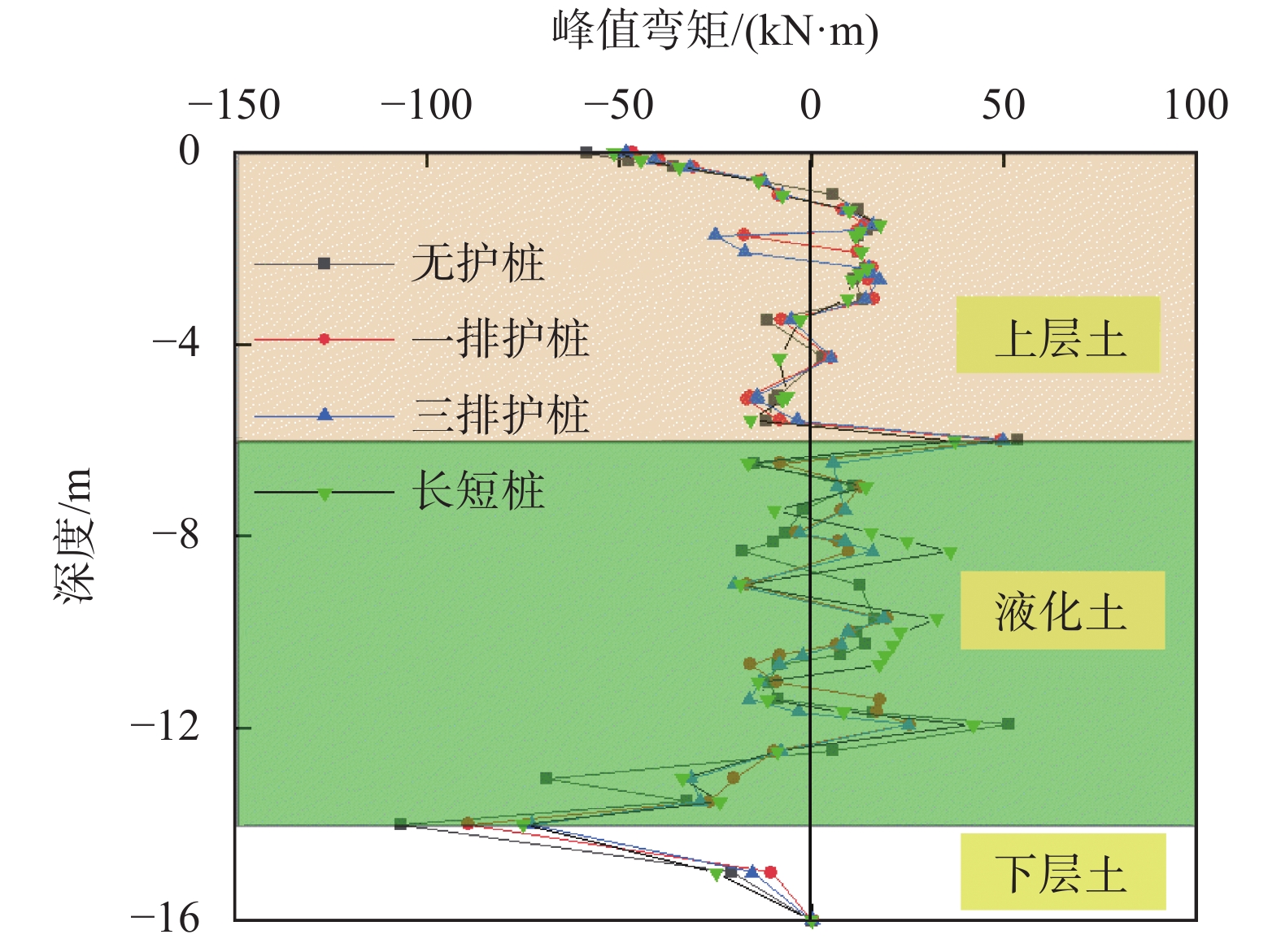
图 8 各工况下1#—7#桩峰值弯矩图
Figure 8. Peak bending moments of Piles No. 1–7 under various working conditions
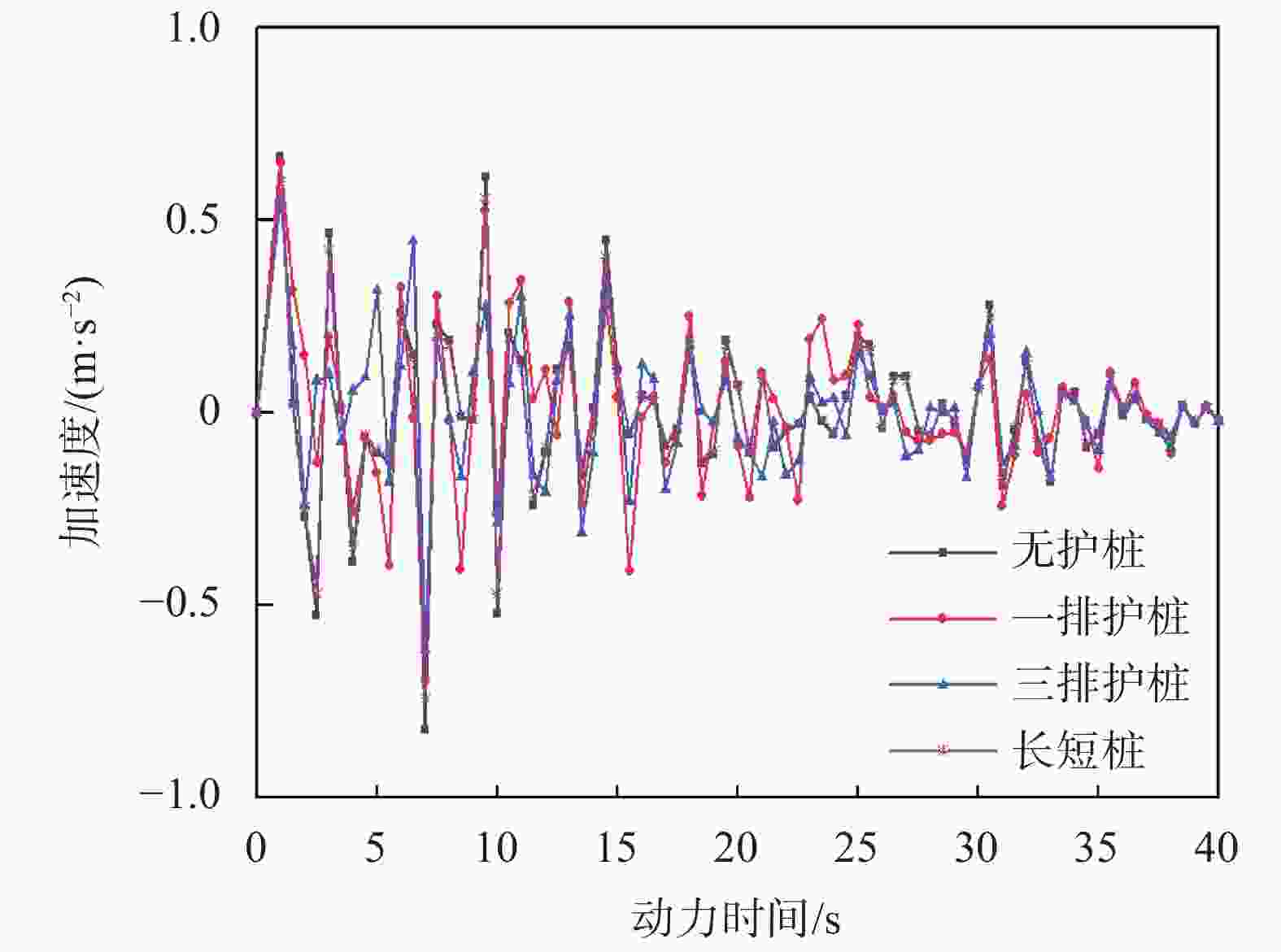
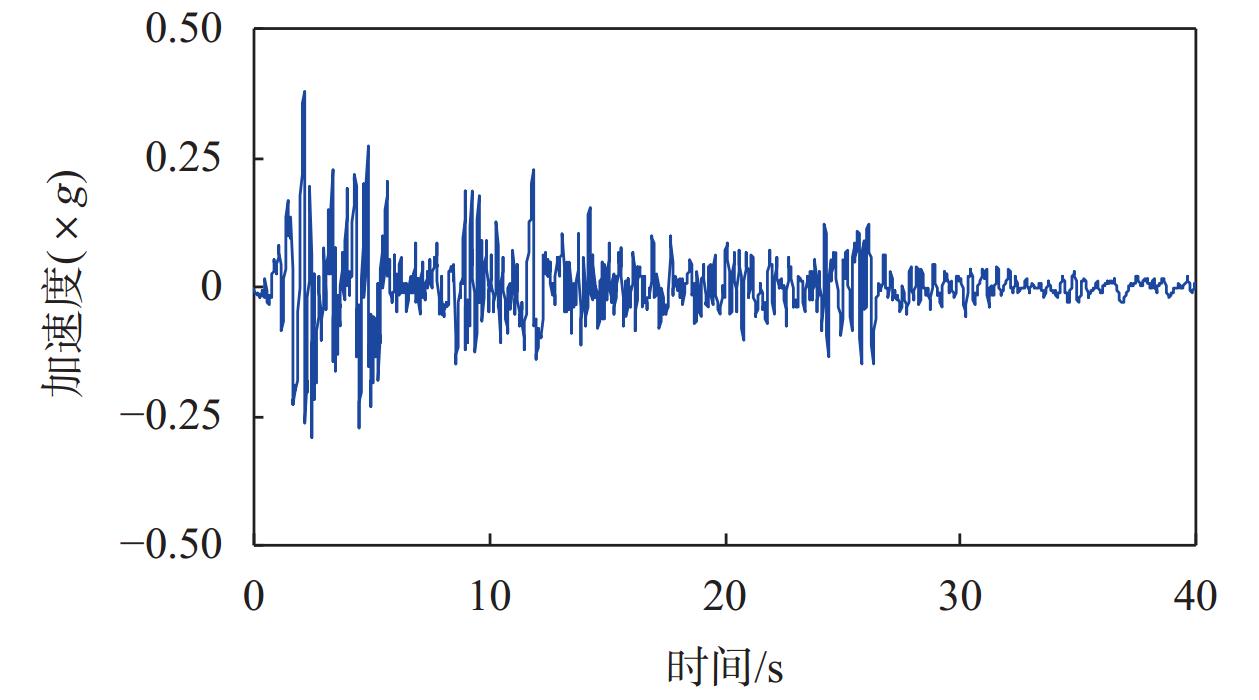
图 9 粉土液化层不同工况下加速度时程曲线
Figure 9. Acceleration time-history curves of the liquefiable silt layer under different working conditions
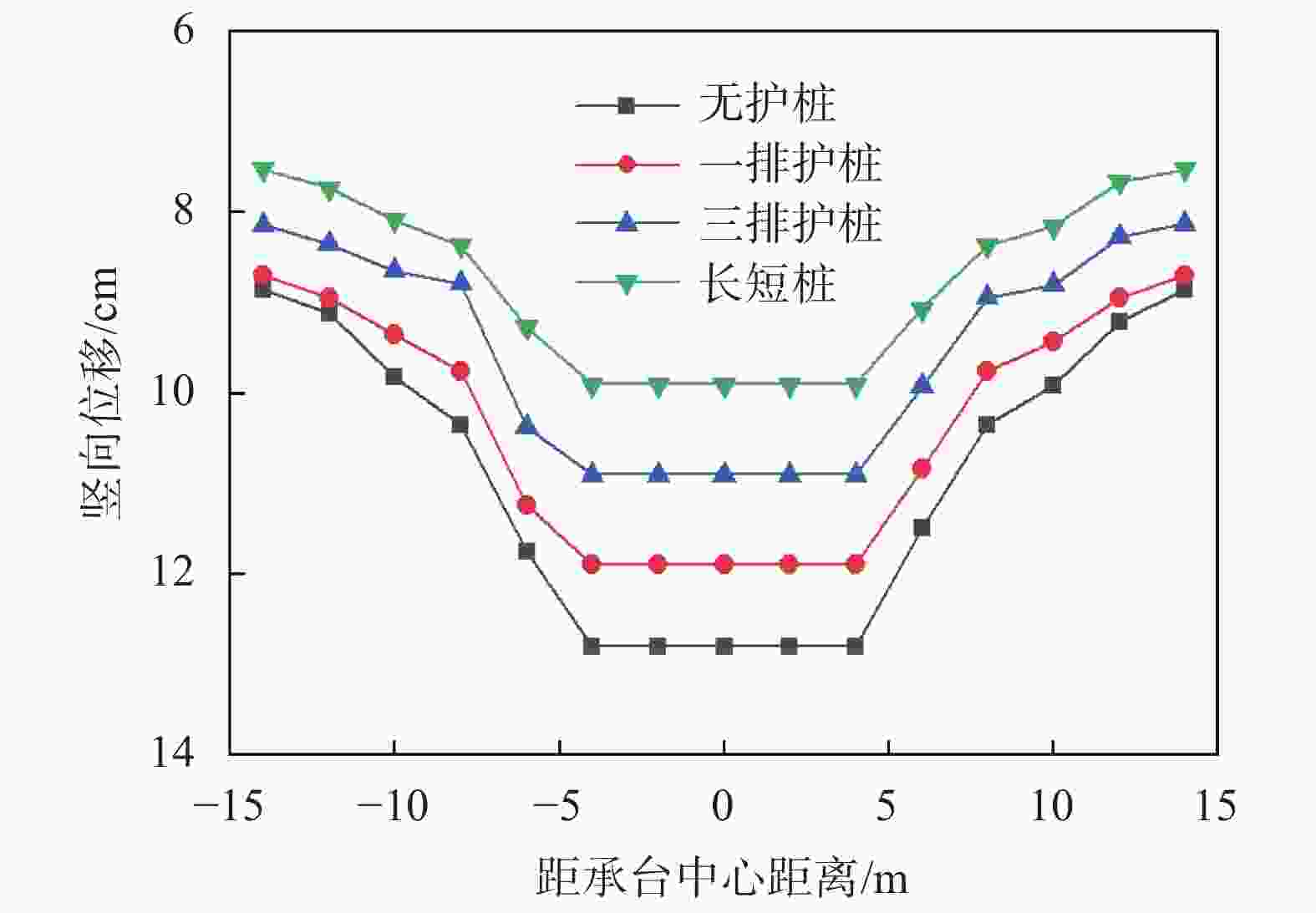
图 11 各工况下表层土竖向位移
Figure 11. Vertical displacement of surface soil under various working conditions
表 1 地基土物理力学性质指标
Table 1. Physico-mechanical properties of foundation soil
地层
编号地层 压缩模量
/MPa黏聚力
/kPa内摩擦角
/(°)层厚/m ① 粉土 6.5 6 28.7 4.90~7.60 ①1 黏土 3.1 12 5.5 0.50~3.10 ② 黏土 5.4 30 6.9 0.70~5.40 ②1 粉土 7.4 8 32.8 2.50~3.80 ③ 黏质粉土 12.4 33 12.5 2.70~8.70 ③1 粉土 14.1 10 27.4 1.20~4.45 ④ 细砂 34.5 0 23.5 12.45~20.80  下载: 导出CSV
表 2 中层土模型参数
Table 2. Model parameters for the middle soil layer
参数 名称及单位 取值方式 粉土 挤密区 $ k\mathrm{_B^{*e}} $ 弹性体积模量因子 $ k\mathrm{_G^{*e}}=0.7\times k\mathrm{_G^{*e}} $ 798 857 $ k\mathrm{_G^{*e}} $ 弹性剪切模量因子 $ k\mathrm{_G^{*e}}=21.7\times20\times\left(N_1\right)_{60}^{0.333} $ 1141 1224 $ k\mathrm{_G^{*p}} $ 塑性剪切模量因子 $ k\mathrm{_G^{*p}}=k\mathrm{_G^{*e}}\times\left(N_1\right)_{60}^2\times0.003+10 $ 1143 1876 φcv 定容摩擦角/(°) 由实际数据输入 32.8 32.8 φp 峰值摩擦角/(°) $ \varphi_{\mathrm{p}}=\varphi\mathrm{_{cv}}+(N_1)^{60}/10 $ 34.7 35.1 c 黏聚力/kPa 由实际数据输入 8 8 σt 抗拉强度/kPa 一般情况下为0 0 0 $ ({N}_{1}{)}_{60} $ 最大修正SPT值 $ (N_1)_{60}=46\times D\mathrm{_r^2} $ 18.2 22.5 Rf 破坏比 $1.1({N_1})_{60}^{ - 0.15}$ 0.71 0.69 me 弹性剪切模量应力依赖系数 一般取0.5 0.5 0.5 ne 弹性体积模量应力依赖系数 一般取0.5 0.5 0.5 np 塑性剪切模量应力依赖系数 一般取0.4 0.4 0.4
下载: 导出CSV
表 3 粉土液化层各工况下护桩效益系数
Table 3. Pile protection efficiency coefficients in the liquefiable silt layer under various working conditions
工况 峰值弯矩
/(kN·m)降低比例
/%护桩总长
/m护桩效益系数
/m−1无护桩 107.23 一排护桩 89.30 16.7 32 0.52 三排护桩 73.01 31.9 96 0.33 长短桩 75.16 29.9 56 0.53
下载: 导出CSV
-
[1] 何长明, 彭功勋. 深厚软土区路桥过渡段差异沉降控制[J]. 岩土工程技术, 2021, 35(5): 294-298. (HE C M, PENG G X. Differential settlement control of road bridge transition section in deep soft soil area[J]. Geotechnical Engineering Technique, 2021, 35(5): 294-298. (in Chinese) doi: 10.3969/j.issn.1007-2993.2021.05.003HE C M, PENG G X. Differential settlement control of road bridge transition section in deep soft soil area[J]. Geotechnical Engineering Technique, 2021, 35(5): 294-298. (in Chinese) doi: 10.3969/j.issn.1007-2993.2021.05.003 [2] MAHESHWARI B K, FIROJ M. Seismic response of combined piled raft foundation using advanced liquefaction model[J]. Soil Dynamics and Earthquake Engineering, 2024, 181: 108694 doi: 10.1016/j.soildyn.2024.108694 [3] 周 航, 亓戈平, 陈荣淋. 软土中XCC刚性桩复合地基承载特性时效性研究[J]. 中国公路学报, 2024, 37(6): 132-143. (ZHOU H, QI G P, CHEN R L. Study on time effect of bearing characteristics of XCC rigid pile composite foundation in soft soil[J]. China Journal of Highway and Transport, 2024, 37(6): 132-143. (in Chinese)ZHOU H, QI G P, CHEN R L. Study on time effect of bearing characteristics of XCC rigid pile composite foundation in soft soil[J]. China Journal of Highway and Transport, 2024, 37(6): 132-143. (in Chinese) [4] 陈育民, 刘汉龙, 赵 楠. 抗液化刚性排水桩振动台试验的数值模拟研究[J]. 土木工程学报, 2010, 43(12): 114-119. (CHEN Y M, LIU H L, ZHAO N. Laboratory test on anti-liquefaction characteristics of rigidity-drain pile[J]. China Civil Engineering Journal, 2010, 43(12): 114-119. (in Chinese)CHEN Y M, LIU H L, ZHAO N. Laboratory test on anti-liquefaction characteristics of rigidity-drain pile[J]. China Civil Engineering Journal, 2010, 43(12): 114-119. (in Chinese) [5] 李 丰, 宋二祥. 刚性桩复合地基抗震计算的一种简化方法[J]. 西北地震学报, 2011, 33(S1): 123-127. (LI F, SONG E X. A simplified calculation method for seismic response of rigid pile composite foundation[J]. Northwestern Seismological Journal, 2011, 33(S1): 123-127. (in Chinese)LI F, SONG E X. A simplified calculation method for seismic response of rigid pile composite foundation[J]. Northwestern Seismological Journal, 2011, 33(S1): 123-127. (in Chinese) [6] 鲍 鹏, 苏彩丽, 张利伟. 基于时程分析法的刚性桩复合地基地震响应分析[J]. 岩土工程学报, 2011, 33(S2): 485-489. (BAO P, SU C L, ZHANG L W. Seismic response of rigid pile composite foundation based on time history analysis method[J]. Chinese Journal of Geotechnical Engineering, 2011, 33(S2): 485-489. (in Chinese)BAO P, SU C L, ZHANG L W. Seismic response of rigid pile composite foundation based on time history analysis method[J]. Chinese Journal of Geotechnical Engineering, 2011, 33(S2): 485-489. (in Chinese) [7] 郜文龙. 刚性桩复合地基—基础—上部结构整体抗震性能的简化算法研究[D]. 郑州: 郑州大学, 2017. (GAO W L. Research on simplified algorithm for overall seismic performance analysis of rigid pile composite foundation- foundation- upper structure[D]. Zhengzhou: Zhengzhou University, 2017. (in Chinese)GAO W L. Research on simplified algorithm for overall seismic performance analysis of rigid pile composite foundation- foundation- upper structure[D]. Zhengzhou: Zhengzhou University, 2017. (in Chinese) [8] 朱 叶. 变刚度刚性桩复合地基抗震性能研究[D]. 开封: 河南大学, 2012. (ZHU Y. Numerical analysis of aseismatic capability of rigid pile composite foundation with variable rigidity[D]. Kaifeng: Henan University, 2012. (in Chinese)ZHU Y. Numerical analysis of aseismatic capability of rigid pile composite foundation with variable rigidity[D]. Kaifeng: Henan University, 2012. (in Chinese) [9] 英峻豪. 刚性桩复合地基—筏板基础—上部结构整体抗震性能研究[D]. 广州: 华南理工大学, 2012. (YING J H. Overall seismic performance analysis of rigid pile composite foundation-raft foundation-upper structure[D]. Guangzhou: South China University of Technology, 2012. (in Chinese)YING J H. Overall seismic performance analysis of rigid pile composite foundation-raft foundation-upper structure[D]. Guangzhou: South China University of Technology, 2012. (in Chinese) [10] 王振峰. 变刚度刚性桩复合地基在地震作用下的性状分析[D]. 太原: 太原理工大学, 2015. (WANG Z F. Character analysis of varying rigidity of rigid pile composite foundation under seismic load[D]. Taiyuan: Taiyuan University of Technology, 2015. (in Chinese)WANG Z F. Character analysis of varying rigidity of rigid pile composite foundation under seismic load[D]. Taiyuan: Taiyuan University of Technology, 2015. (in Chinese) [11] 张 凯, 宋克英, 冯科明, 等. 大功率振冲碎石桩处理液化地基应用研究[J]. 岩土工程技术, 2023, 37(1): 100-104. (ZHANG K, SONG K Y, FENG K M, et al. Application of high power vibroflotation gravel pile in the treatment of liquefied foundation[J]. Geotechnical Engineering Technique, 2023, 37(1): 100-104. (in Chinese)ZHANG K, SONG K Y, FENG K M, et al. Application of high power vibroflotation gravel pile in the treatment of liquefied foundation[J]. Geotechnical Engineering Technique, 2023, 37(1): 100-104. (in Chinese) [12] WOBBES E, BEUTH L, VUIK C, et al. Modeling of liquefaction using two-phase FEM with UBC3D-PLM model[J]. Procedia Engineering, 2017, 175: 349-356. doi: 10.1016/j.proeng.2017.01.043 [13] 白建方, 董士欣. 常用岩土本构模型的选择及对场地动力反应分析结果的影响[J]. 震灾防御技术, 2017, 12(3): 635-645. (BAI J F, DONG S X. Influence of selection of constitutive models of soil on the site dynamic analysis[J]. Technology for Earthquake Disaster Prevention, 2017, 12(3): 635-645. (in Chinese) doi: 10.11899/zzfy20170319BAI J F, DONG S X. Influence of selection of constitutive models of soil on the site dynamic analysis[J]. Technology for Earthquake Disaster Prevention, 2017, 12(3): 635-645. (in Chinese) doi: 10.11899/zzfy20170319 [14] PUEBLA H, BYRNE P M, PHILLIPS R. Analysis of CANLEX liquefaction embankments: prototype and centrifuge models[J]. Canadian Geotechnical Journal, 1997, 34(5): 641-657. doi: 10.1139/t97-034 [15] 李煜东, 李 平, 孙强强, 等. 基于ABAQUS的土层地震反应分析[J]. 防灾科技学院学报, 2016, 18(2): 64-71. (LI Y D, LI P, SUN Q Q, et al. Seismic response analysis of soil layer based on ABAQUS[J]. Journal of Institute of Disaster Prevention, 2016, 18(2): 64-71. (in Chinese)LI Y D, LI P, SUN Q Q, et al. Seismic response analysis of soil layer based on ABAQUS[J]. Journal of Institute of Disaster Prevention, 2016, 18(2): 64-71. (in Chinese) [16] 中华人民共和国国家质量监督检验检疫总局, 中国国家标准化管理委员会. 先张法预应力混凝土管桩: GB/T 13476—2009[S]. 北京: 中国标准出版社, 2010. (General Administration of Quality Supervision, Inspection and Quarantine of the People’s Republic of China, China National Standardization Administration. Pretensioned spun concrete piles: GB/T 13476—2009[S]. Beijing: China Standards Press, 2010. (in Chinese)General Administration of Quality Supervision, Inspection and Quarantine of the People’s Republic of China, China National Standardization Administration. Pretensioned spun concrete piles: GB/T 13476—2009[S]. Beijing: China Standards Press, 2010. (in Chinese) -


计量
- 文章访问数: 247
- HTML全文浏览量: 148
- PDF下载量: 17
- 被引次数: 0
