Abstract:
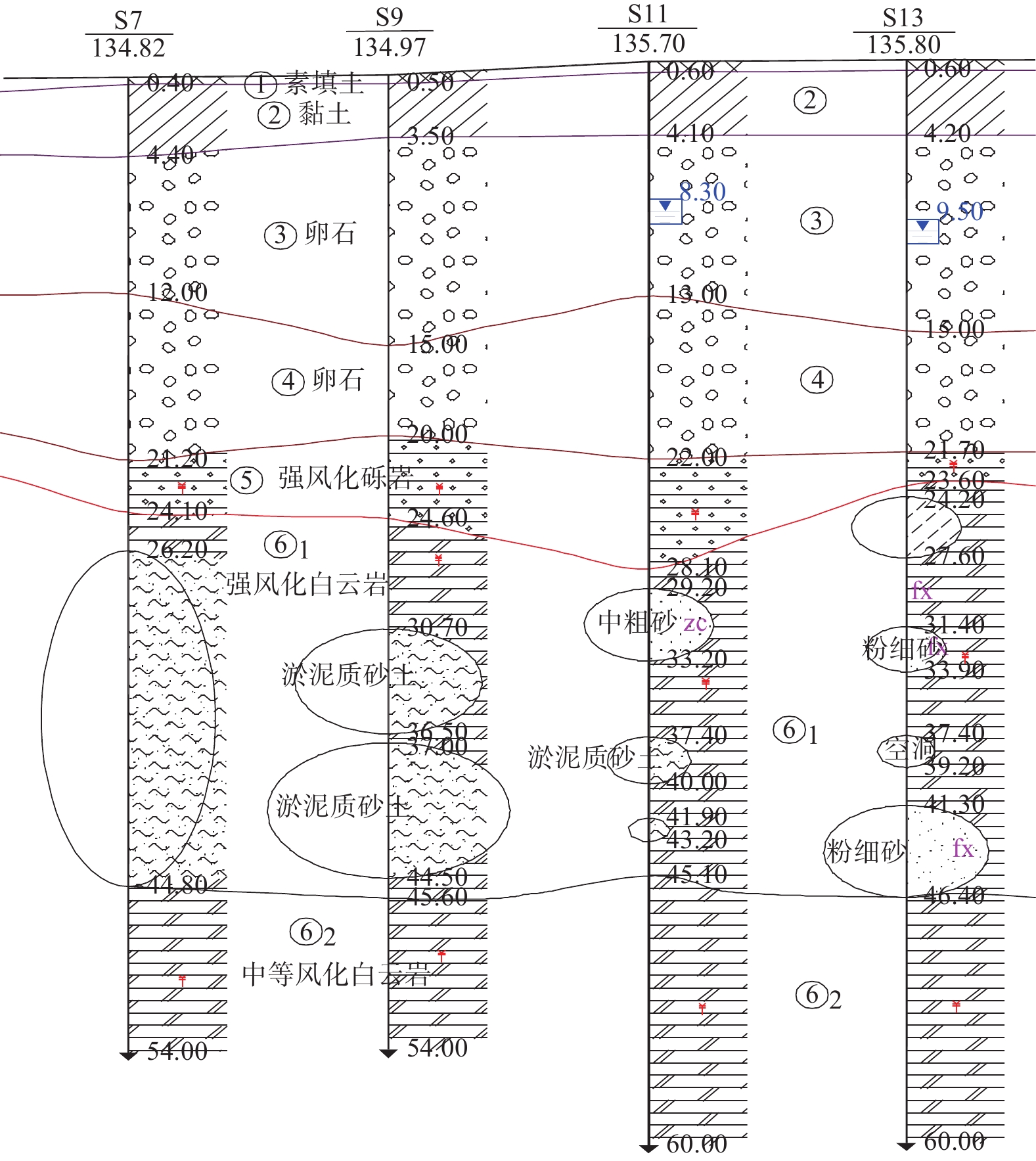
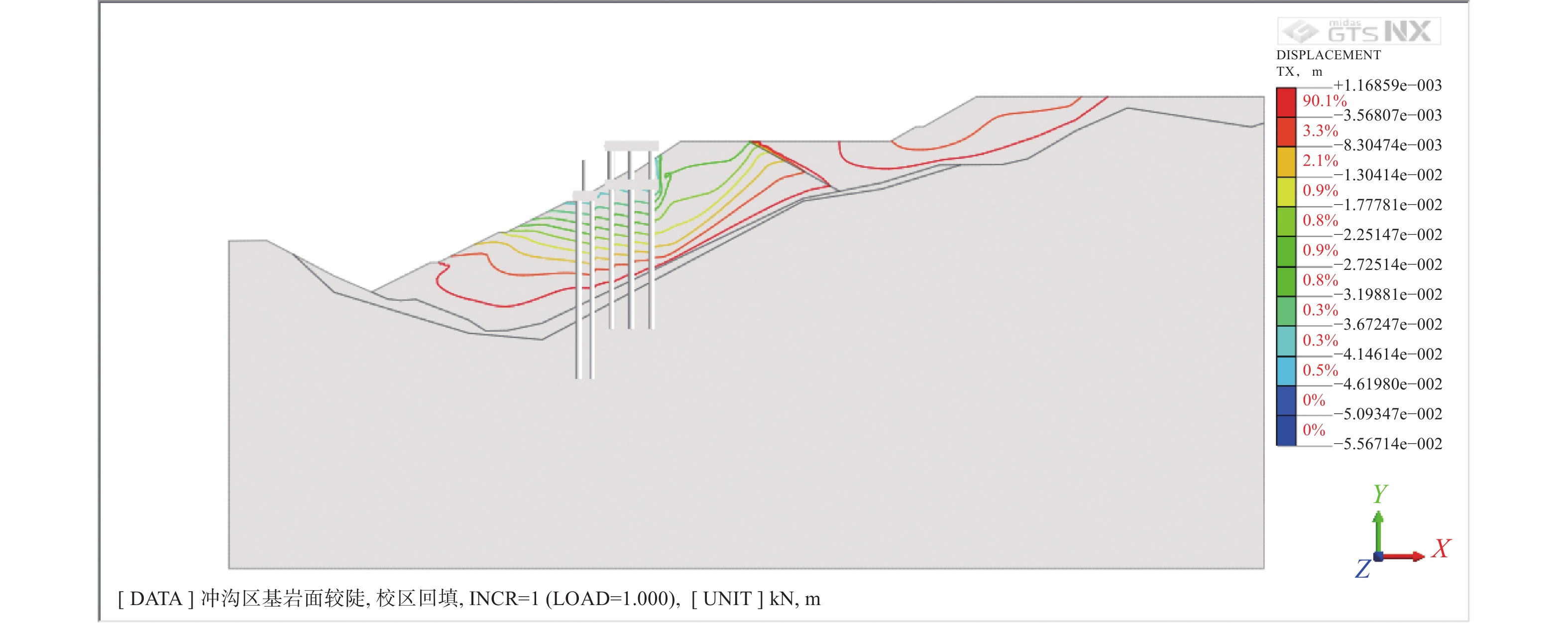
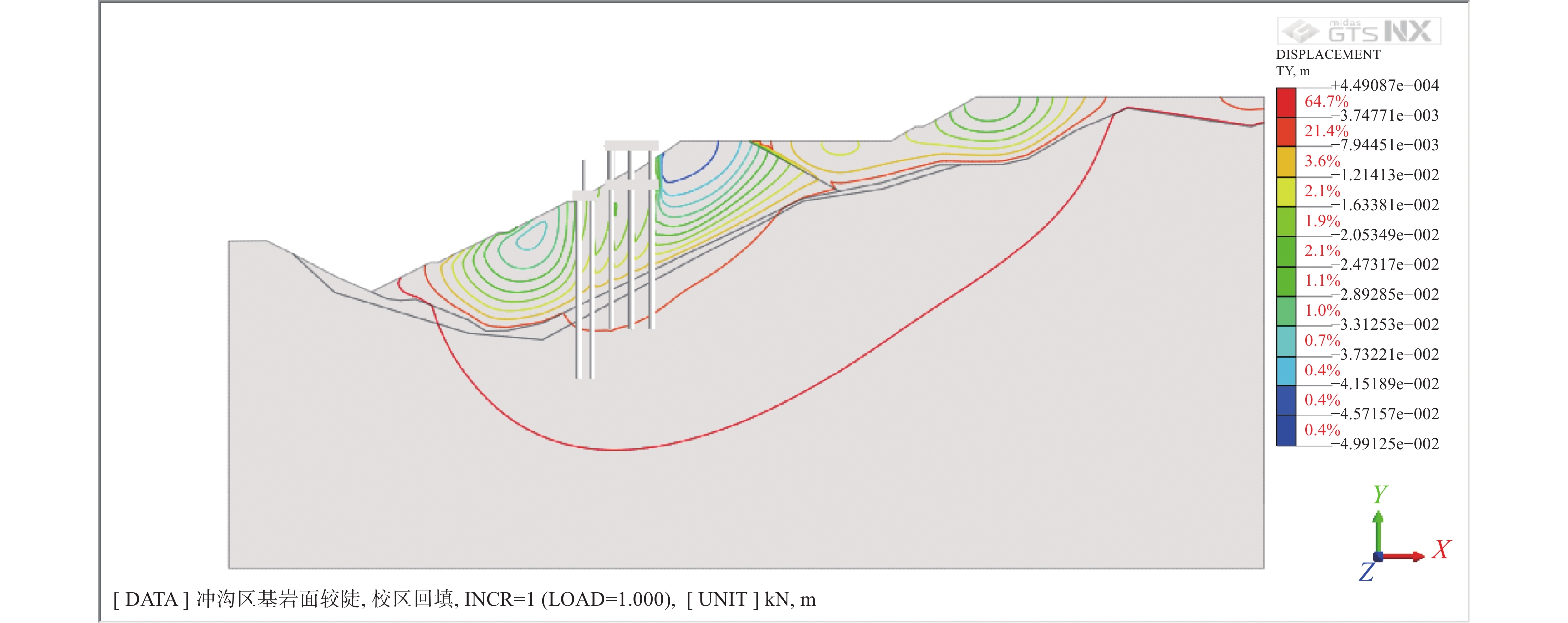
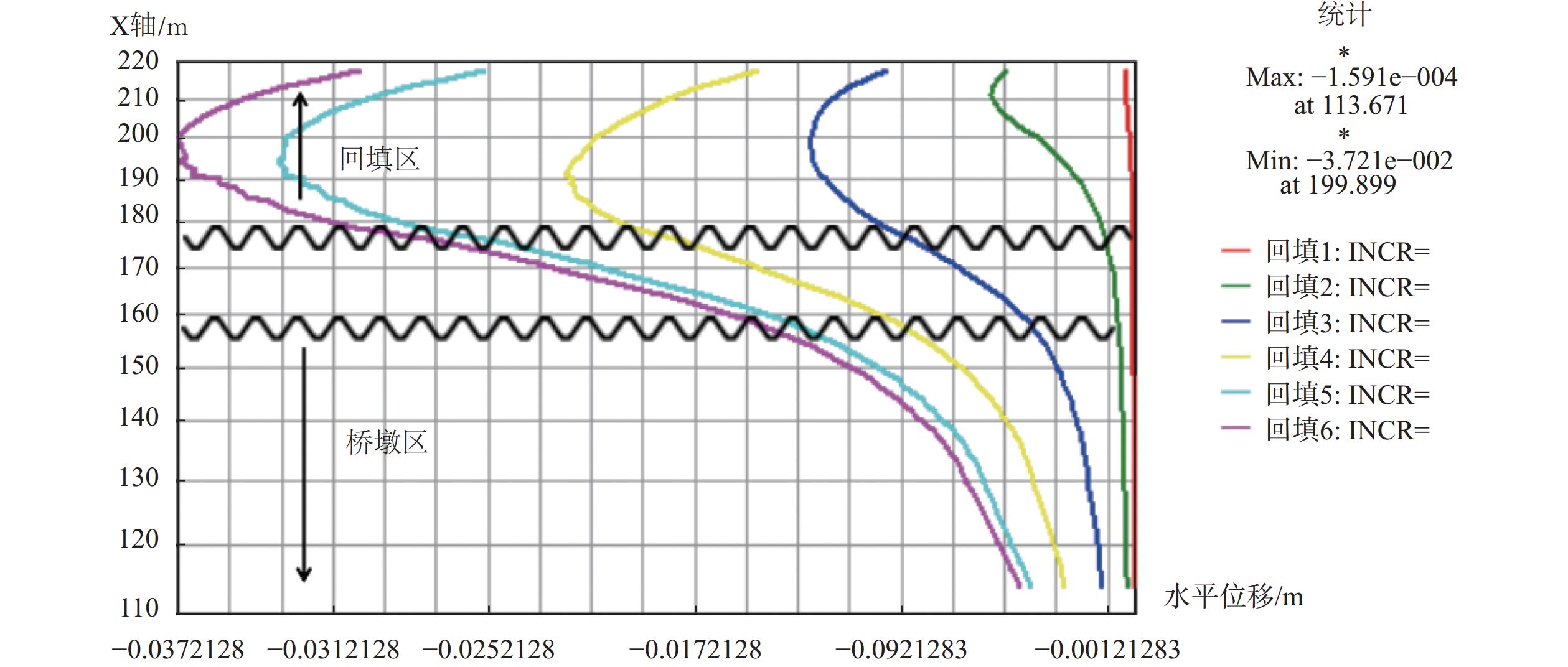
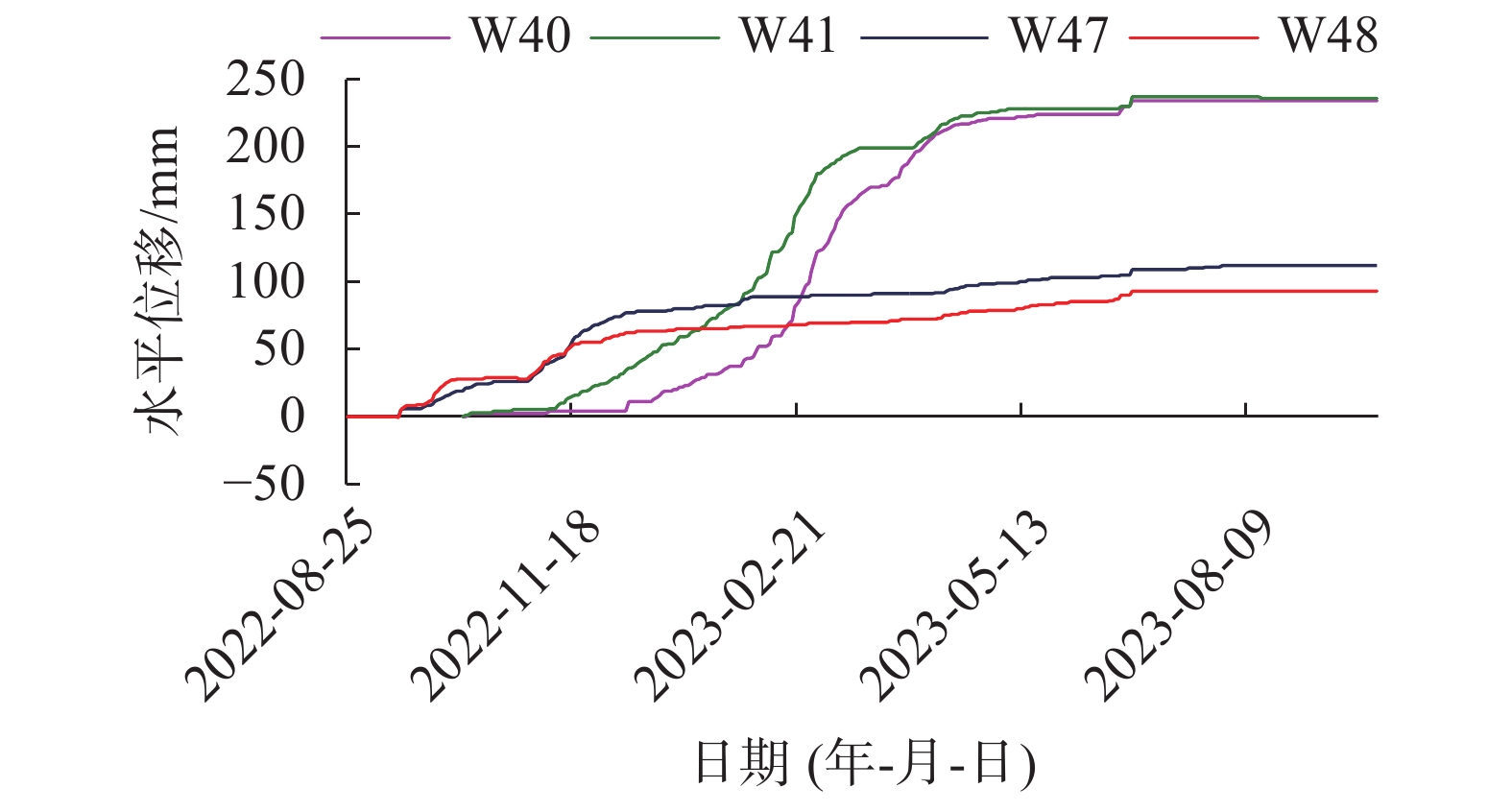
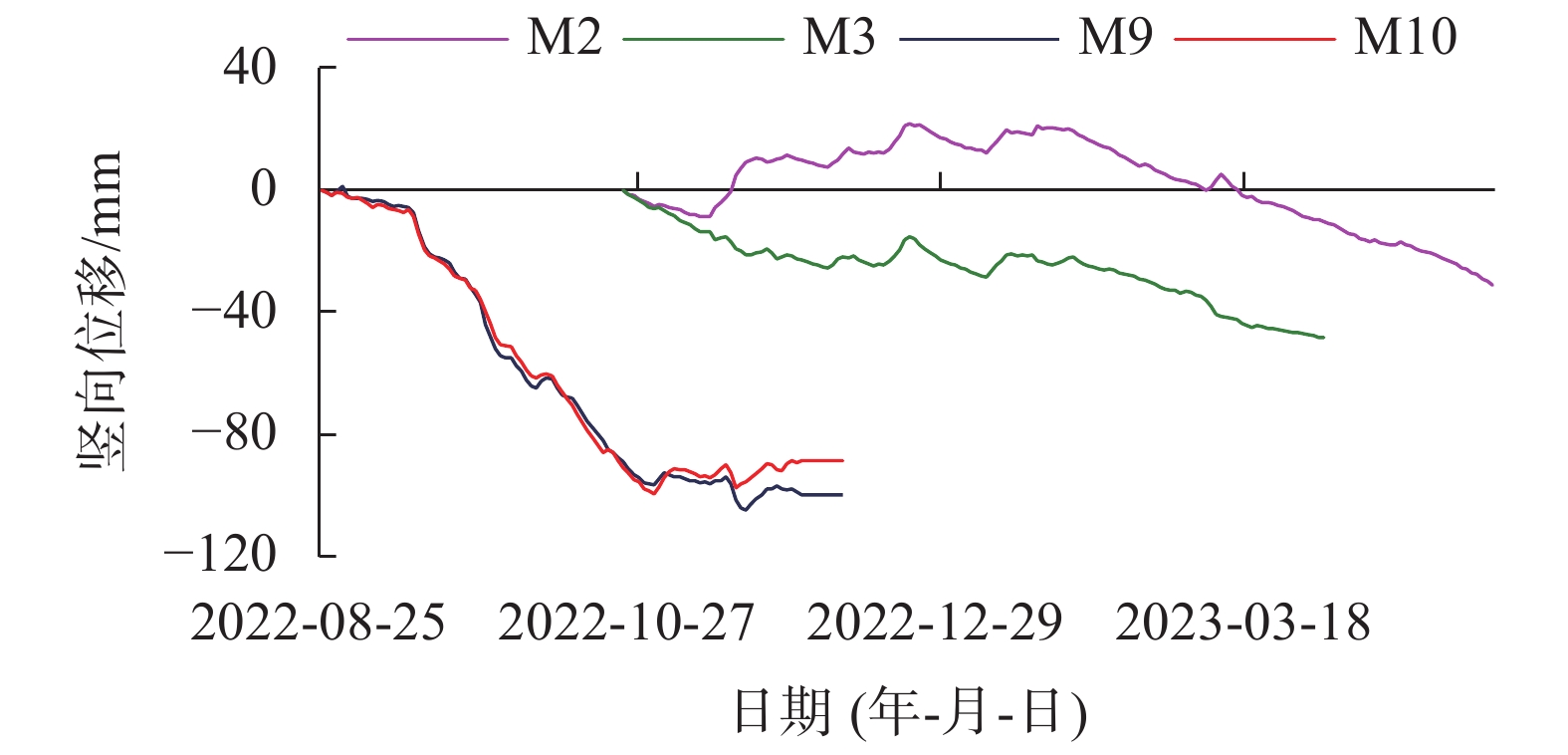
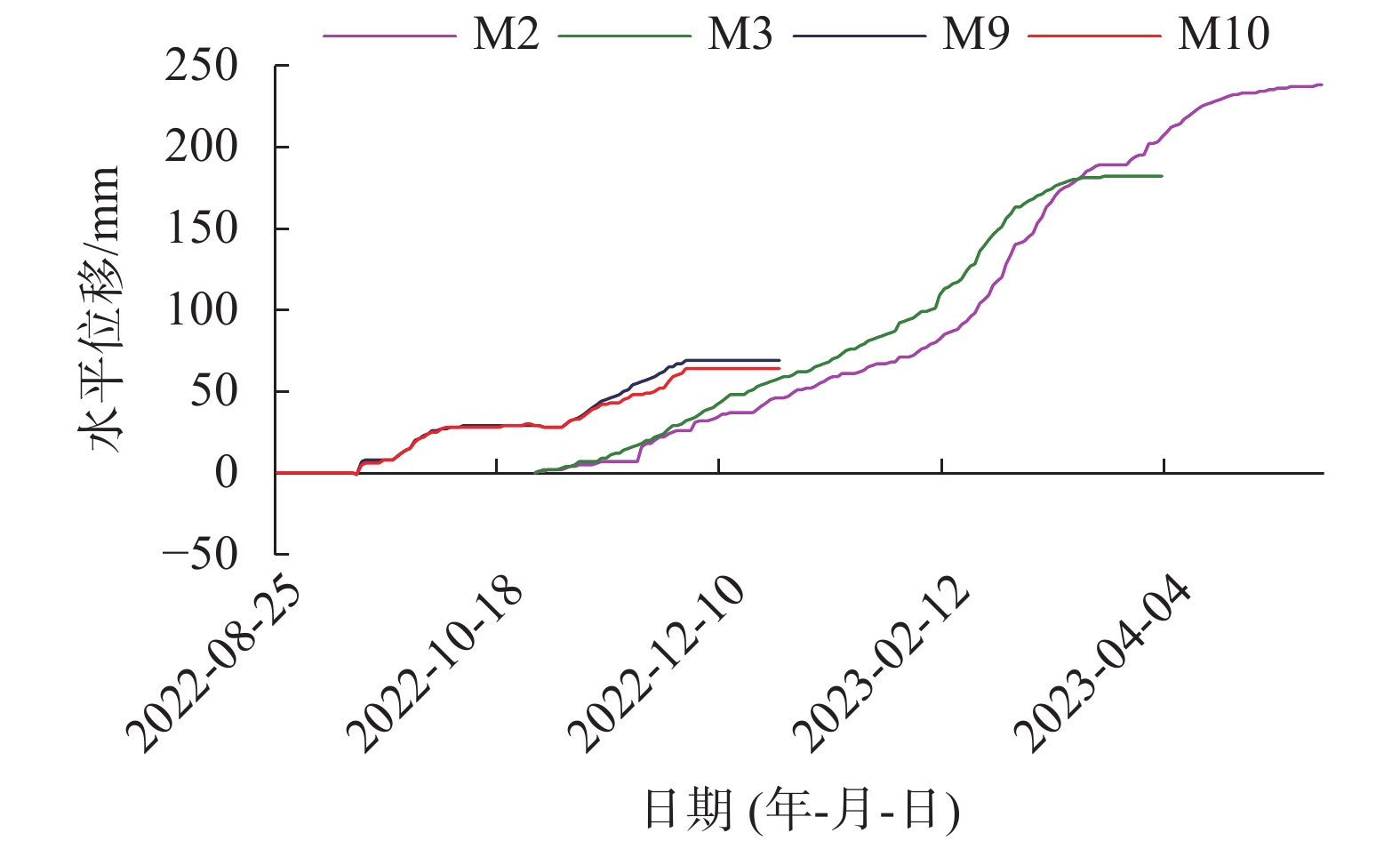
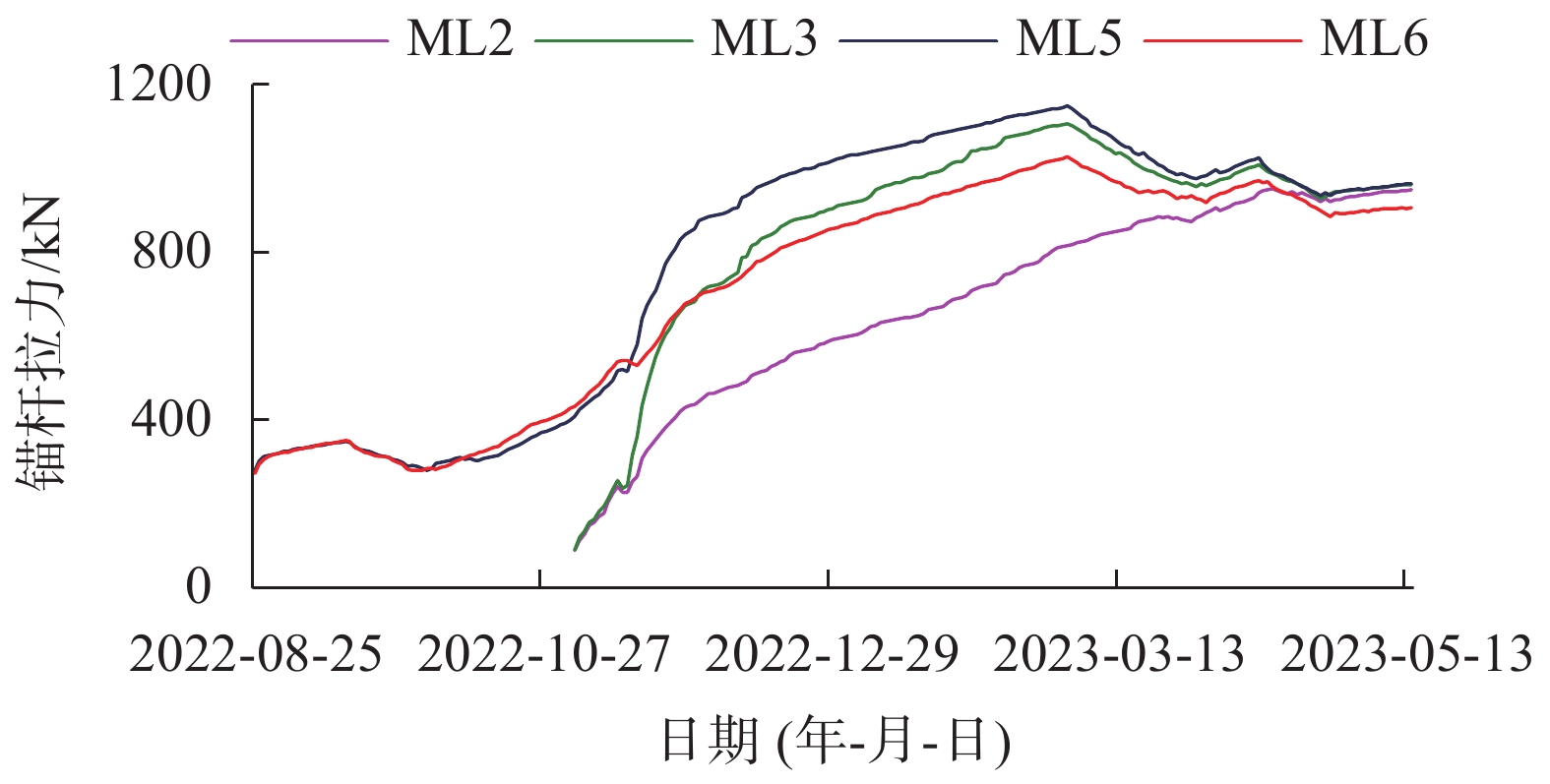
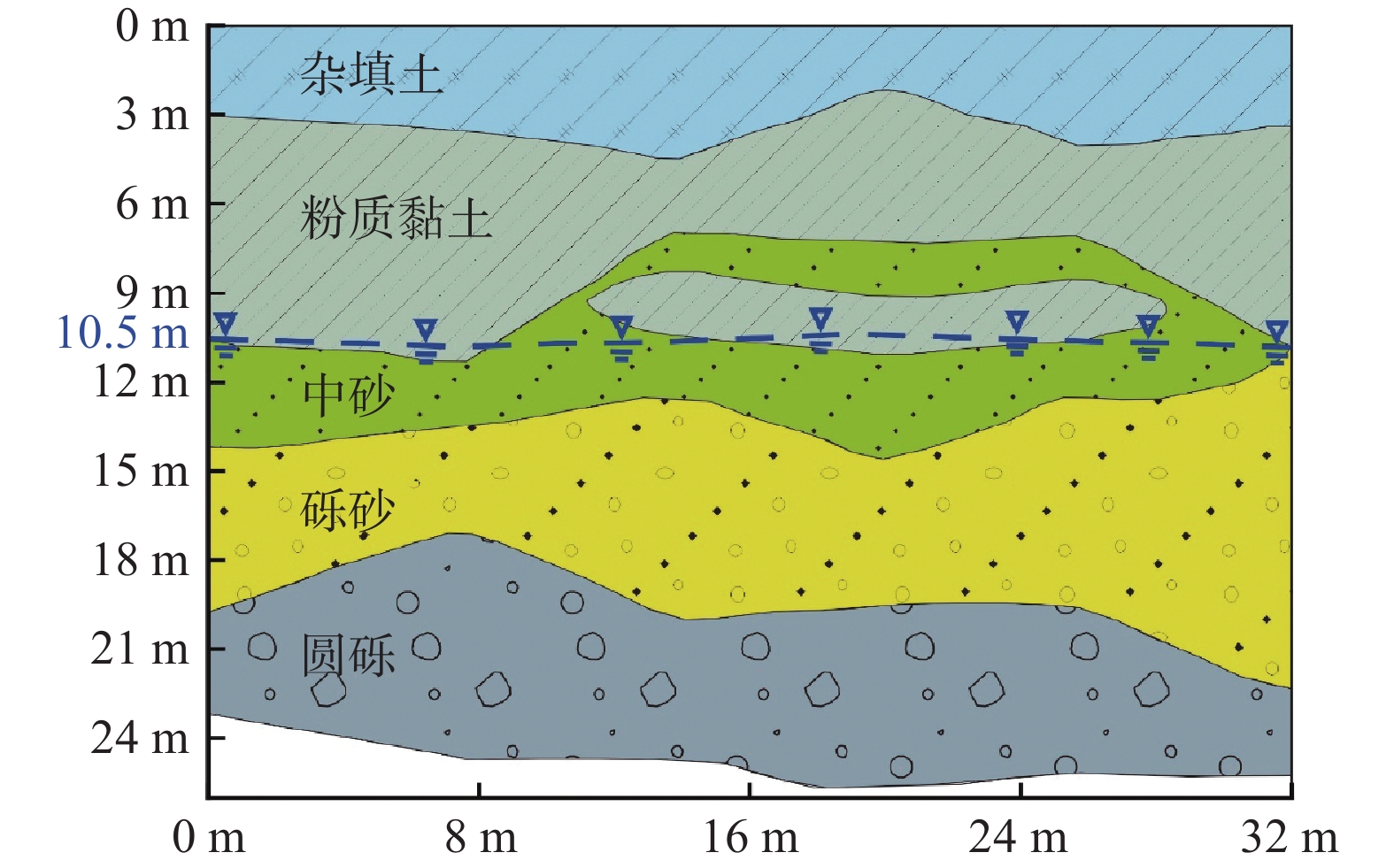
A construction site featuring a gully required backfilling. The backfill area was adjacent to an urban expressway overpass. Finite element simulation was employed to analyze the area on the influence of the bedrock surface trend, fill height, and filling range in the gully area on the displacement of the bridge pier and subgrade, thereby guiding the fill design. The analysis results indicate that: in areas with a gentle geotechnical interface, vertical displacement during the backfilling process was primarily concentrated within the backfill area, with minimal impact on the vertical displacement of the soil in the pier area. When the backfill elevation did not exceed the embankment elevation, the backfill had little effect on the horizontal displacement of the embankment and pier. However, once the backfill elevation surpassed the embankment elevation, the horizontal displacement of the embankment and pier increased sharply, exceeding the bridge displacement control standards. The affected area was mainly concentrated within a range of 1.0 to 1.5 times the backfill height. In areas with a steep geotechnical interface, the fill generated a component force along the geotechnical interface, resulting in biased pressure on both sides of the pile. This caused a differential deformation of the soil, either squeezing or moving away from the pile foundation, leading to uneven ground settlement. Considering the geological conditions of the pier and subgrade, site land use, overall building layout, and the influence range of the backfill, an overhead structural treatment was adopted for areas with a steep geotechnical interface. For areas with a gentle geotechnical interface, a comprehensive treatment scheme combining a setback distance at the backfill boundary and a reduction in the backfill elevation was implemented. This approach achieved favorable economic outcomes, and post-construction monitoring indicated that subgrade and bridge deformations were within normal and controllable limits.