Abstract:
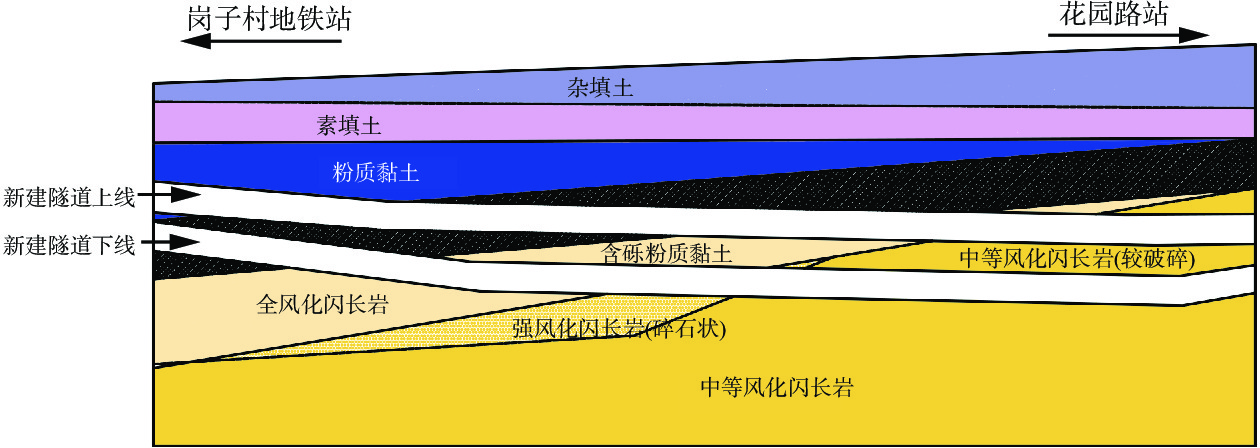
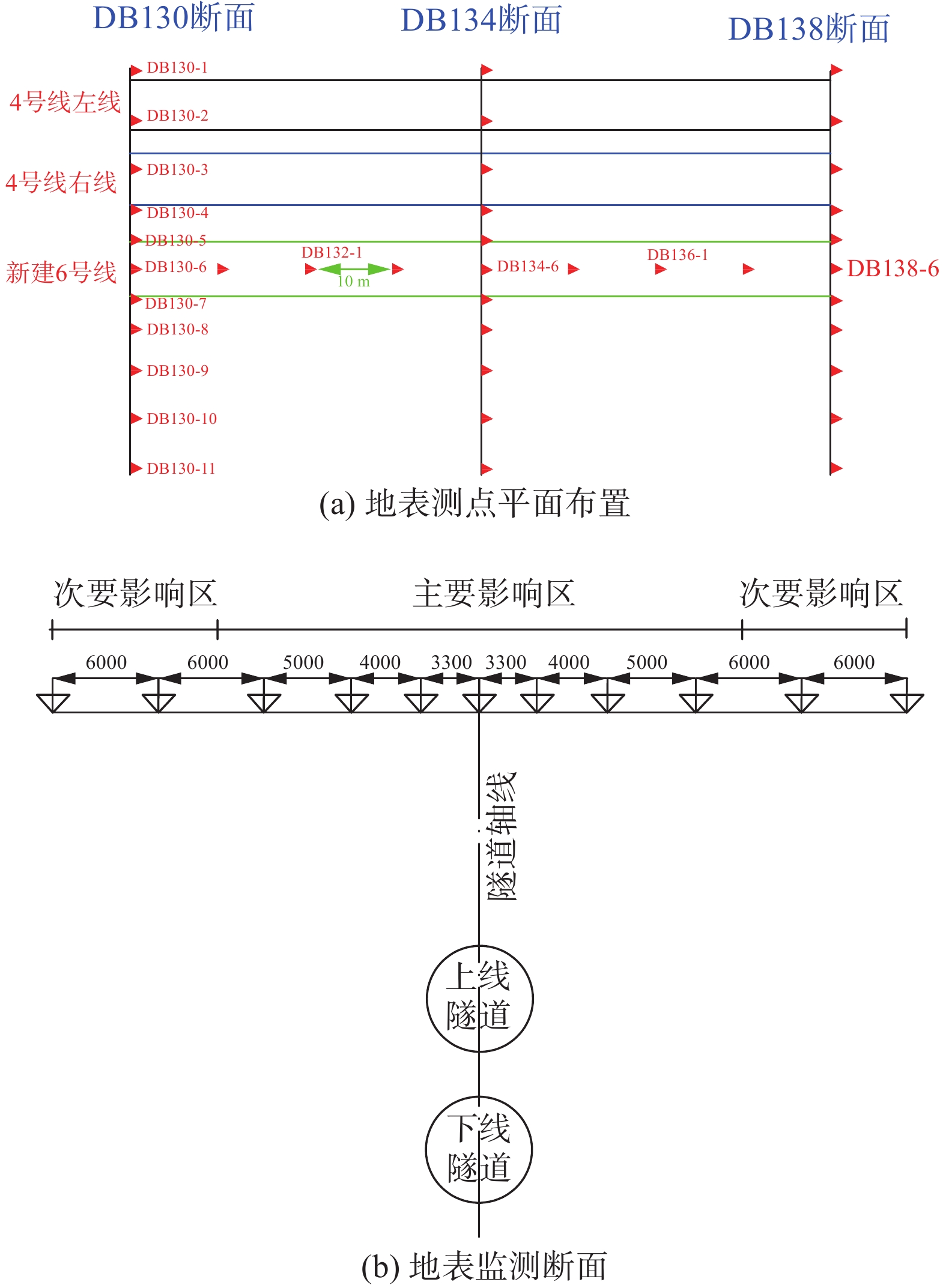
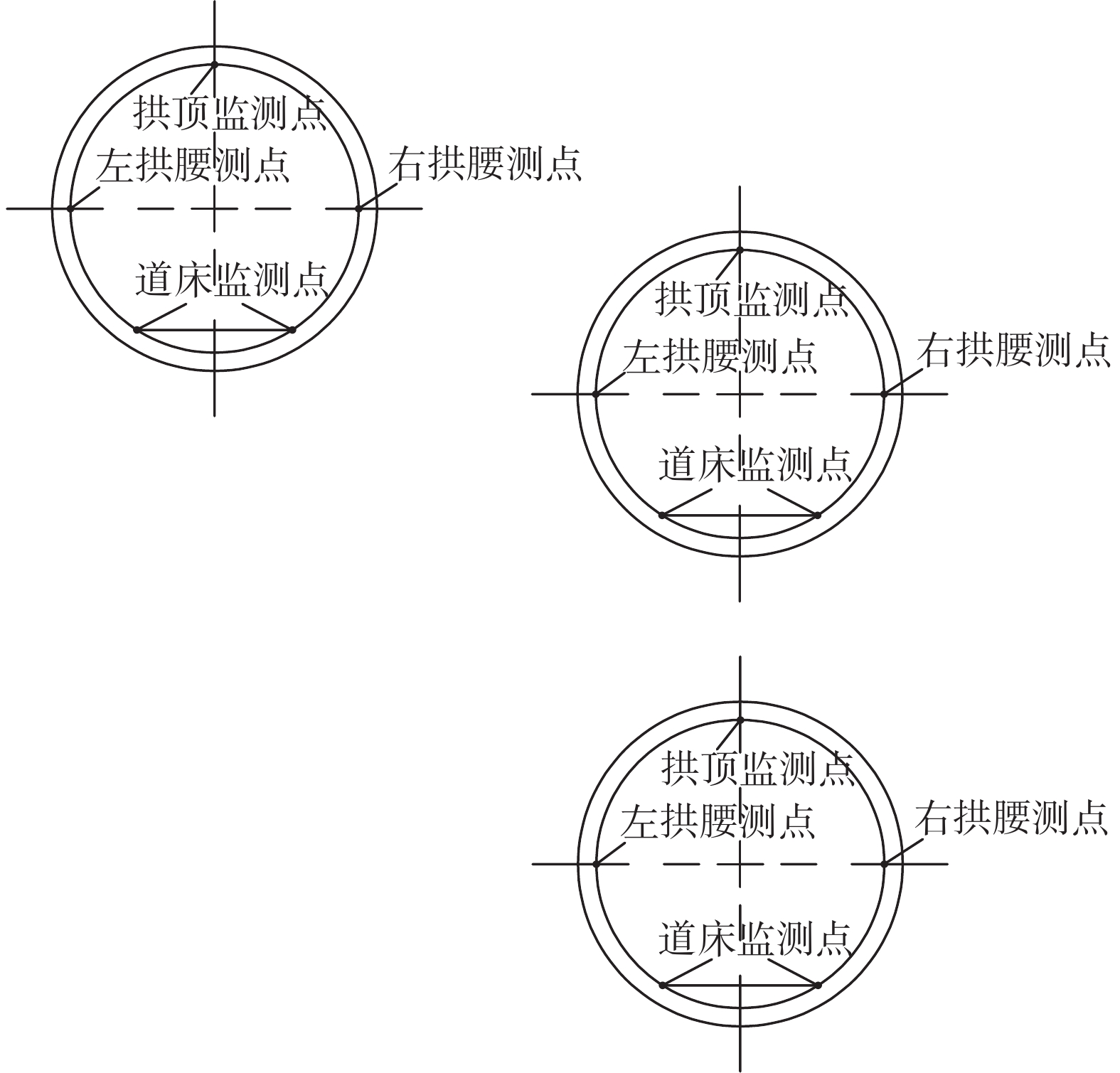
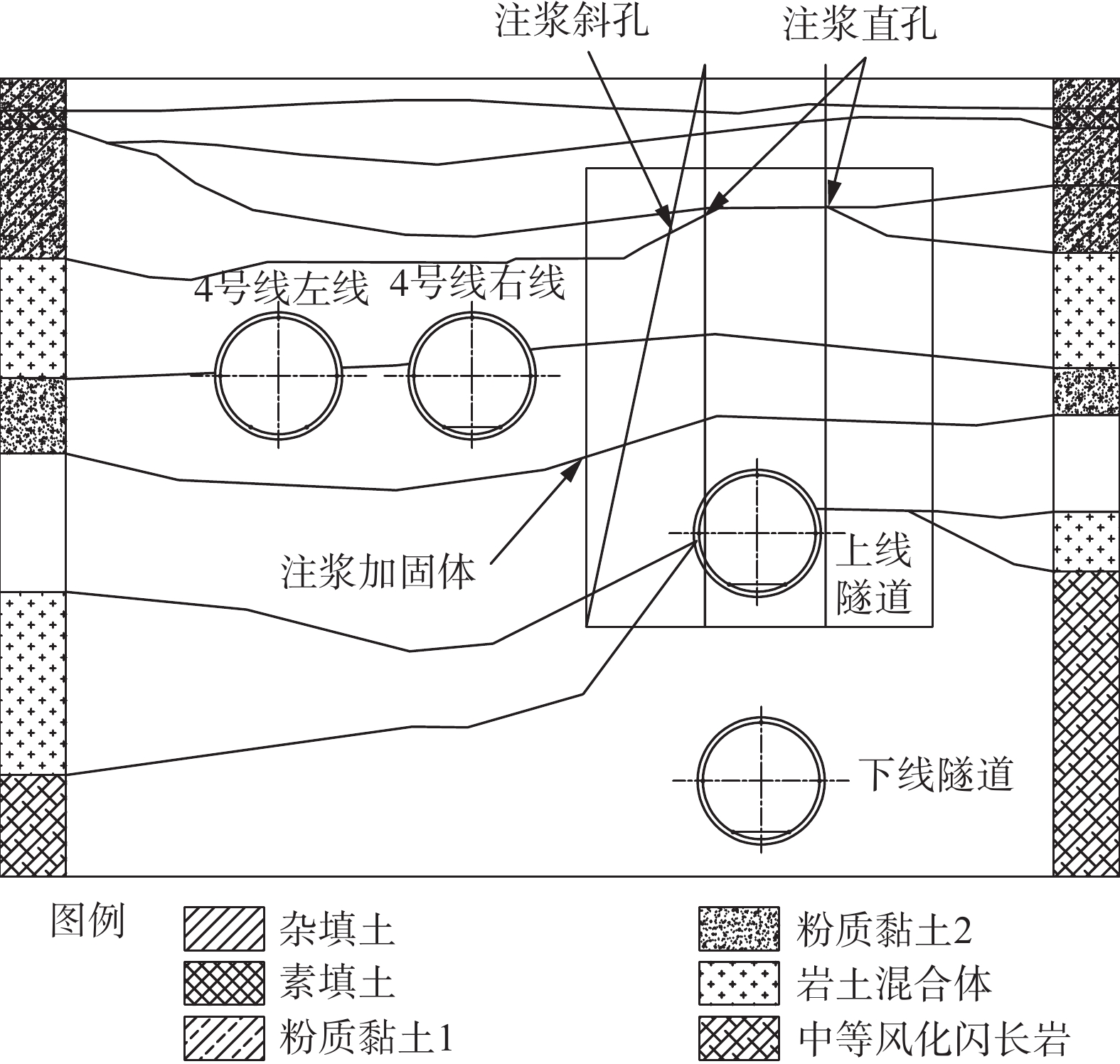
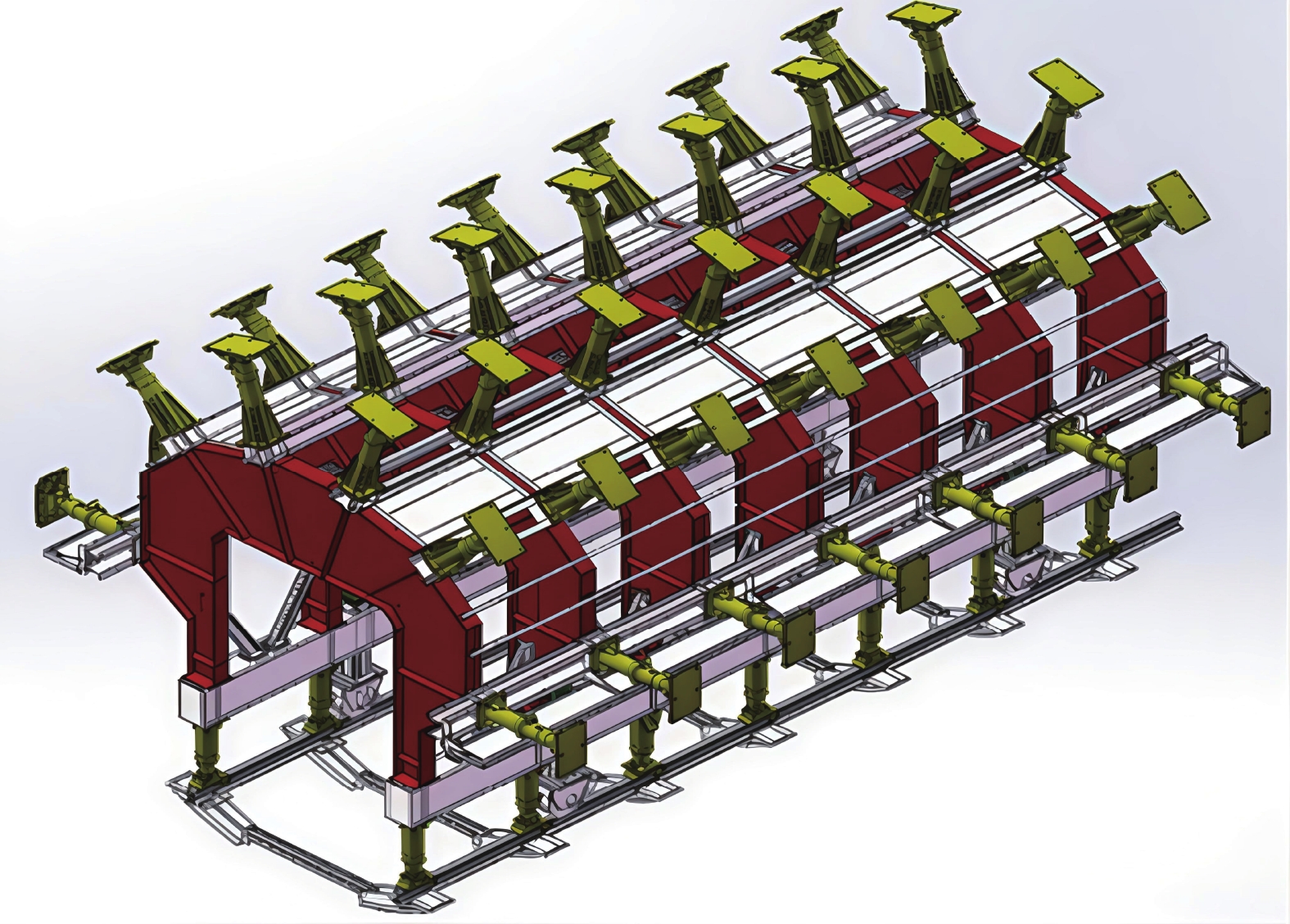
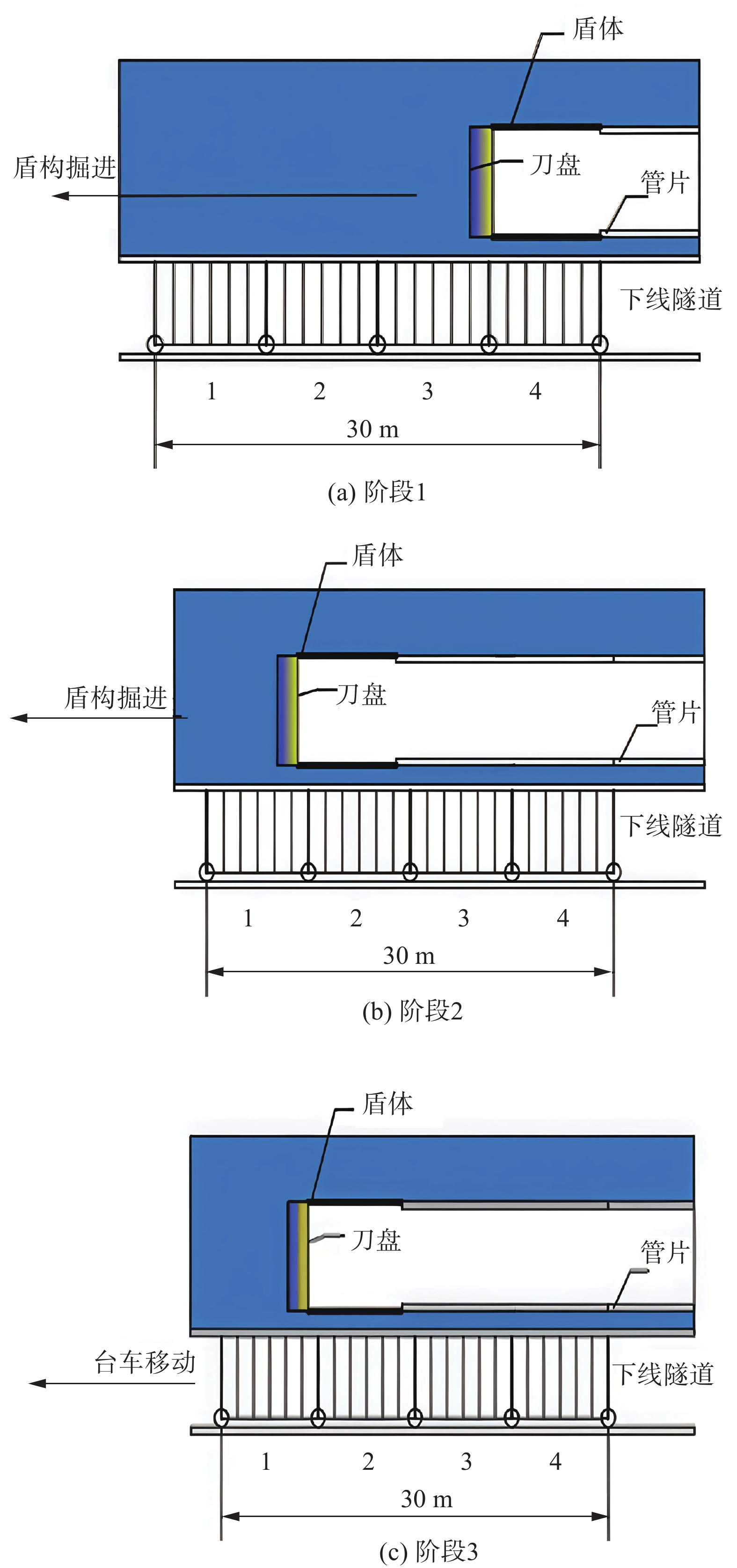
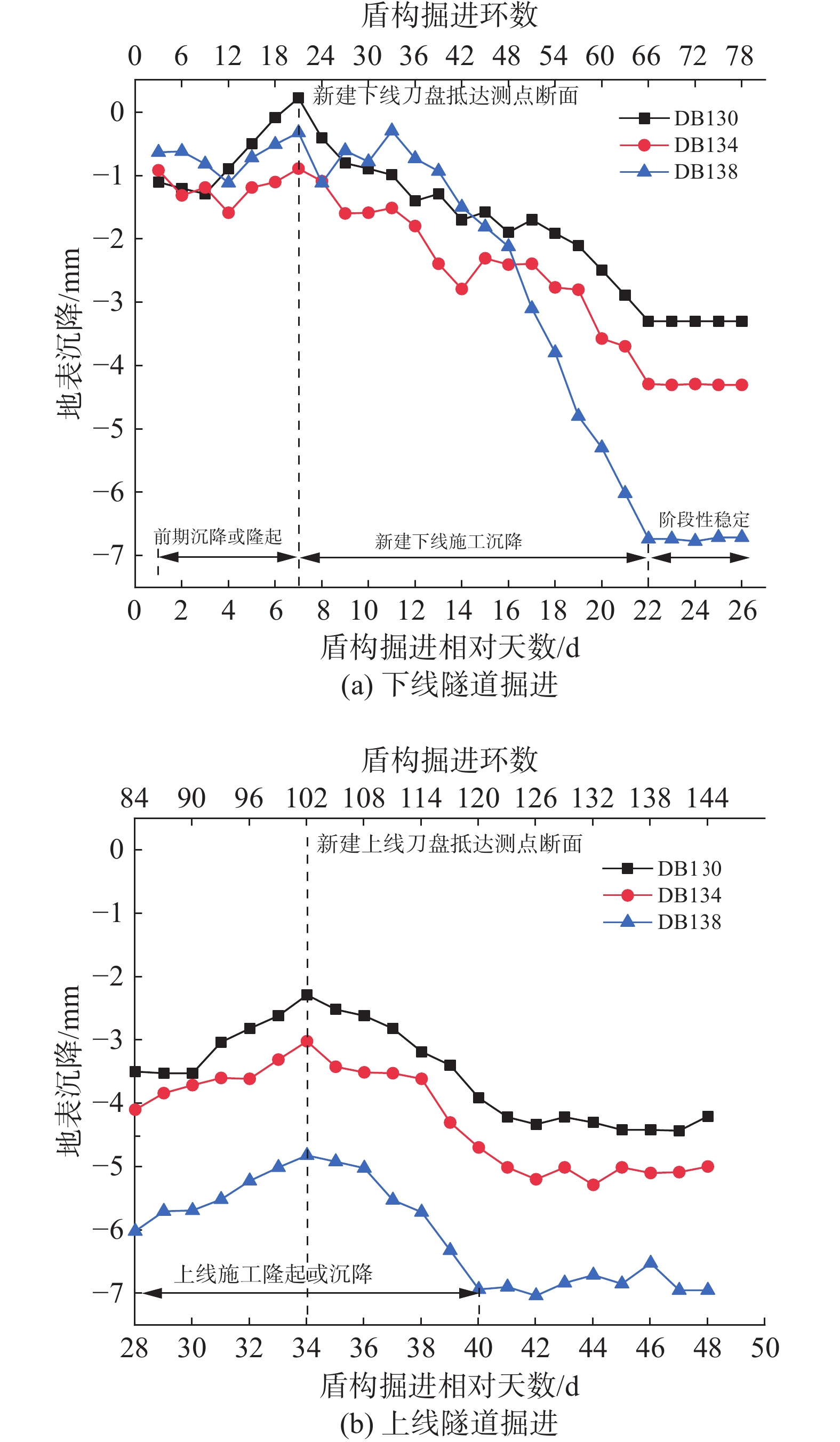
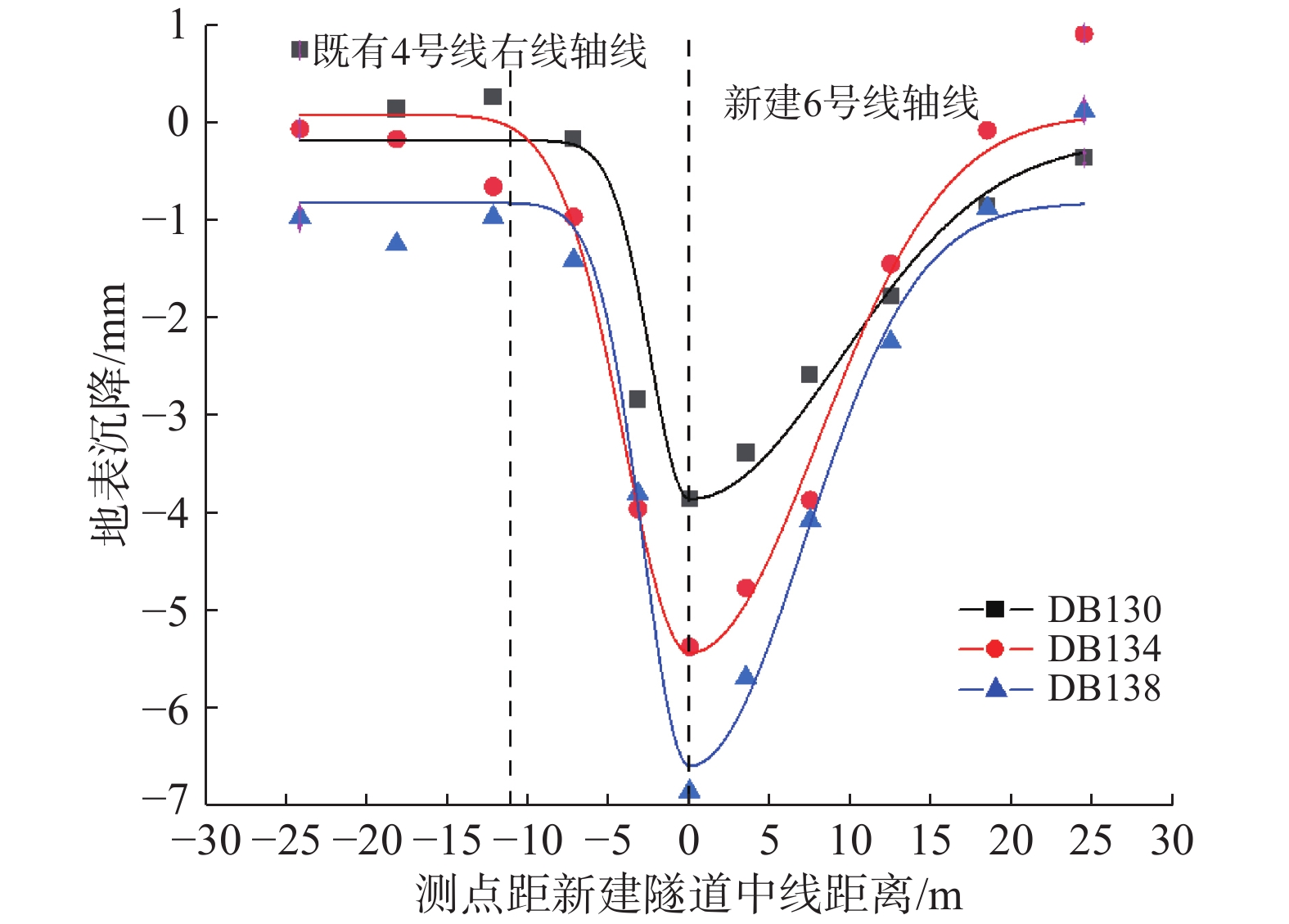
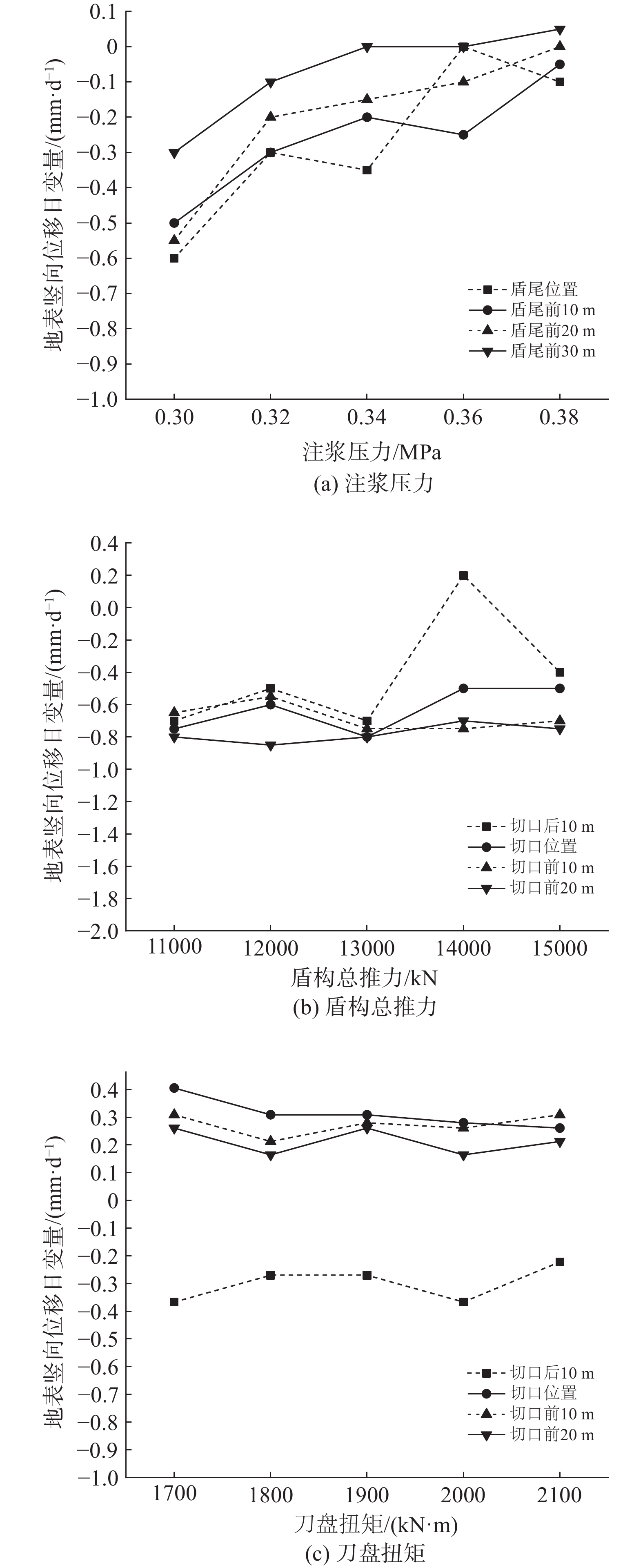
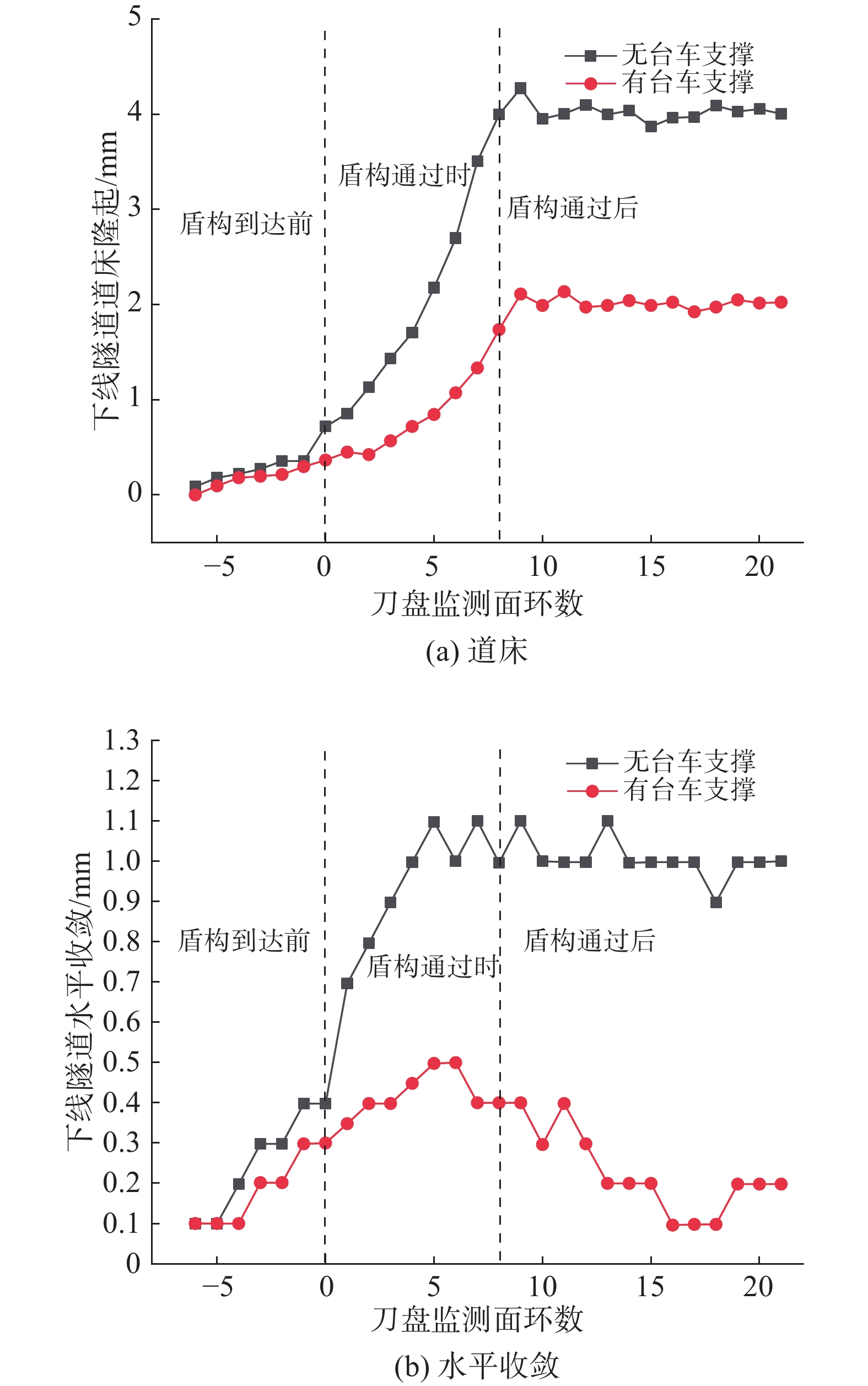
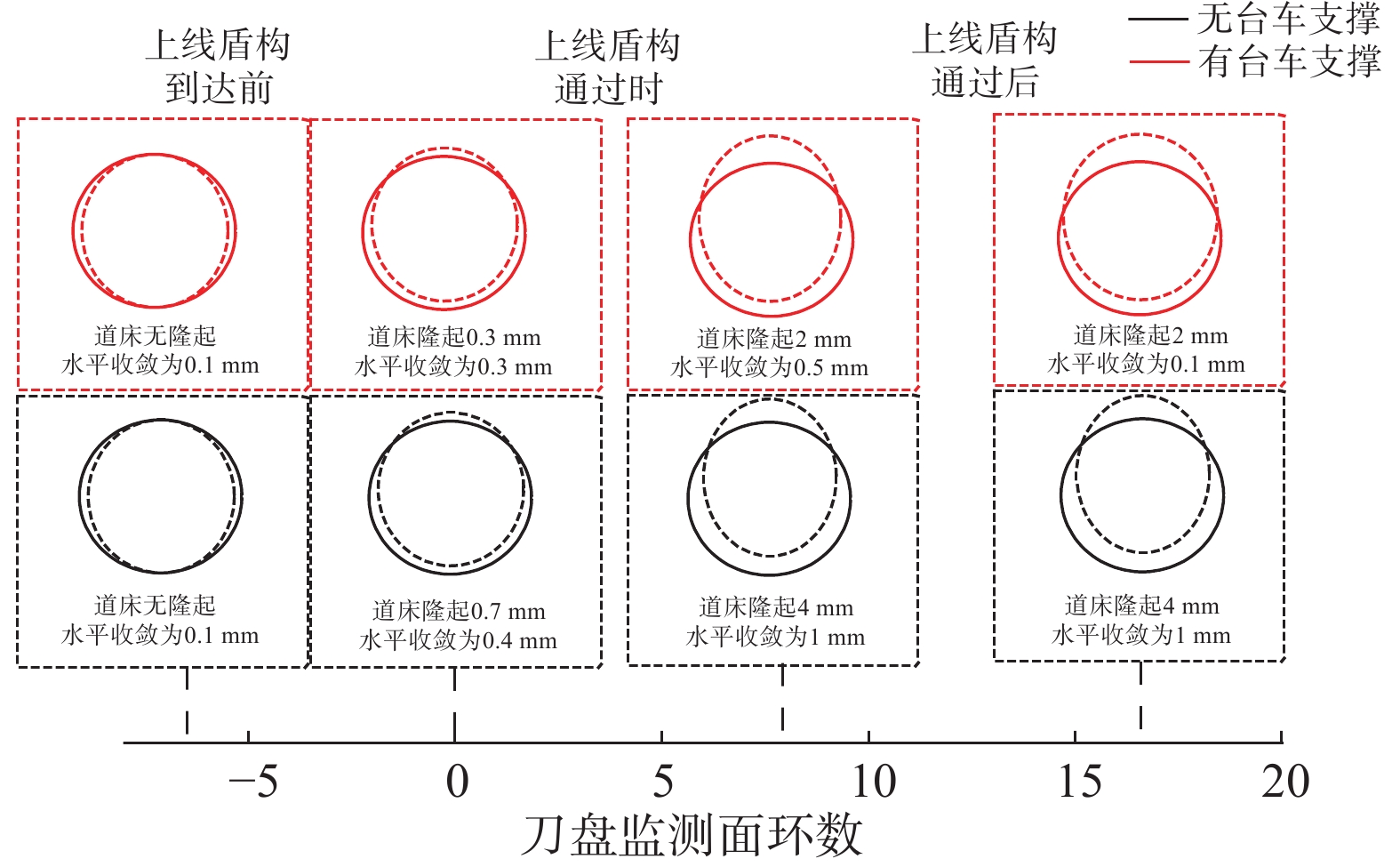
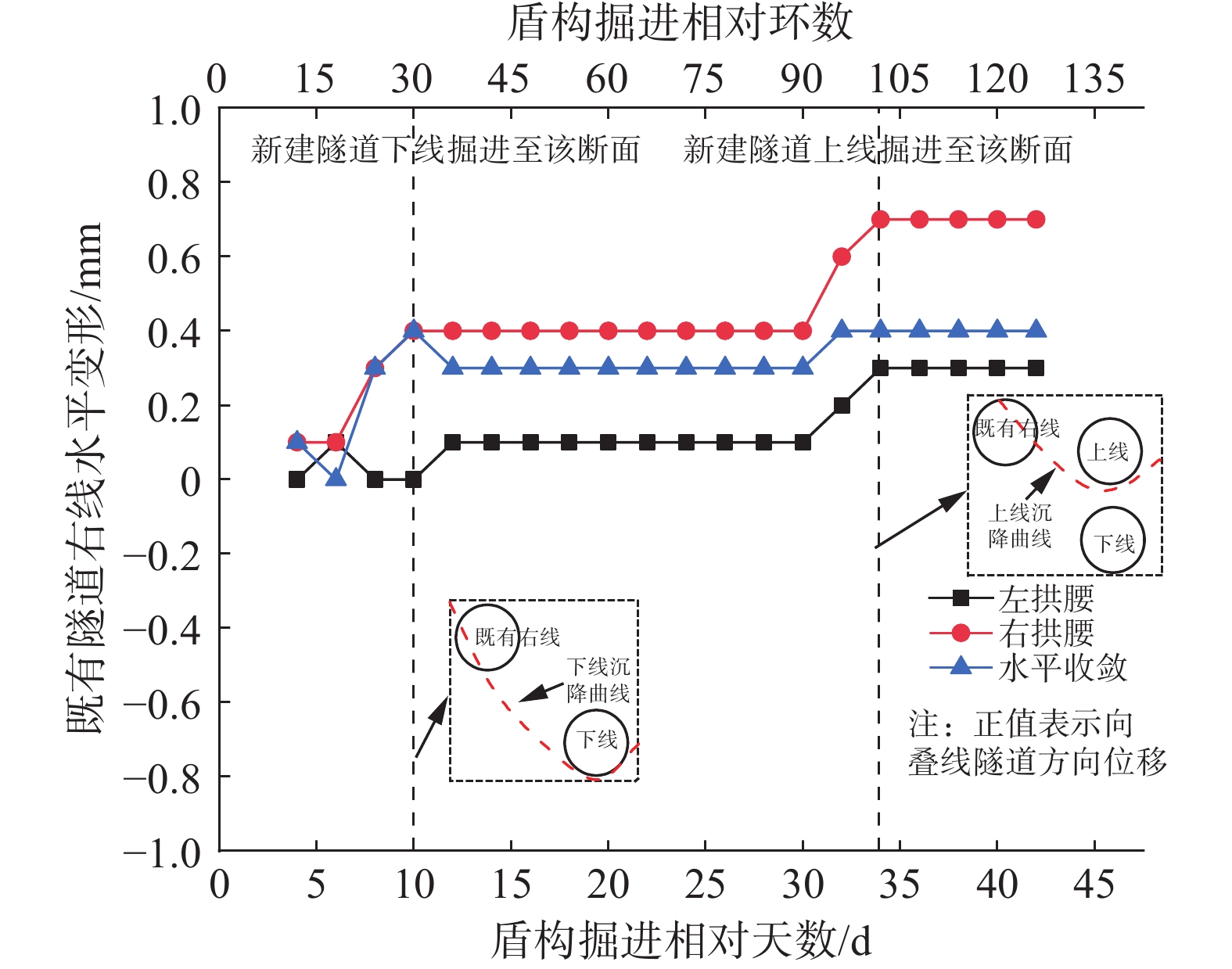
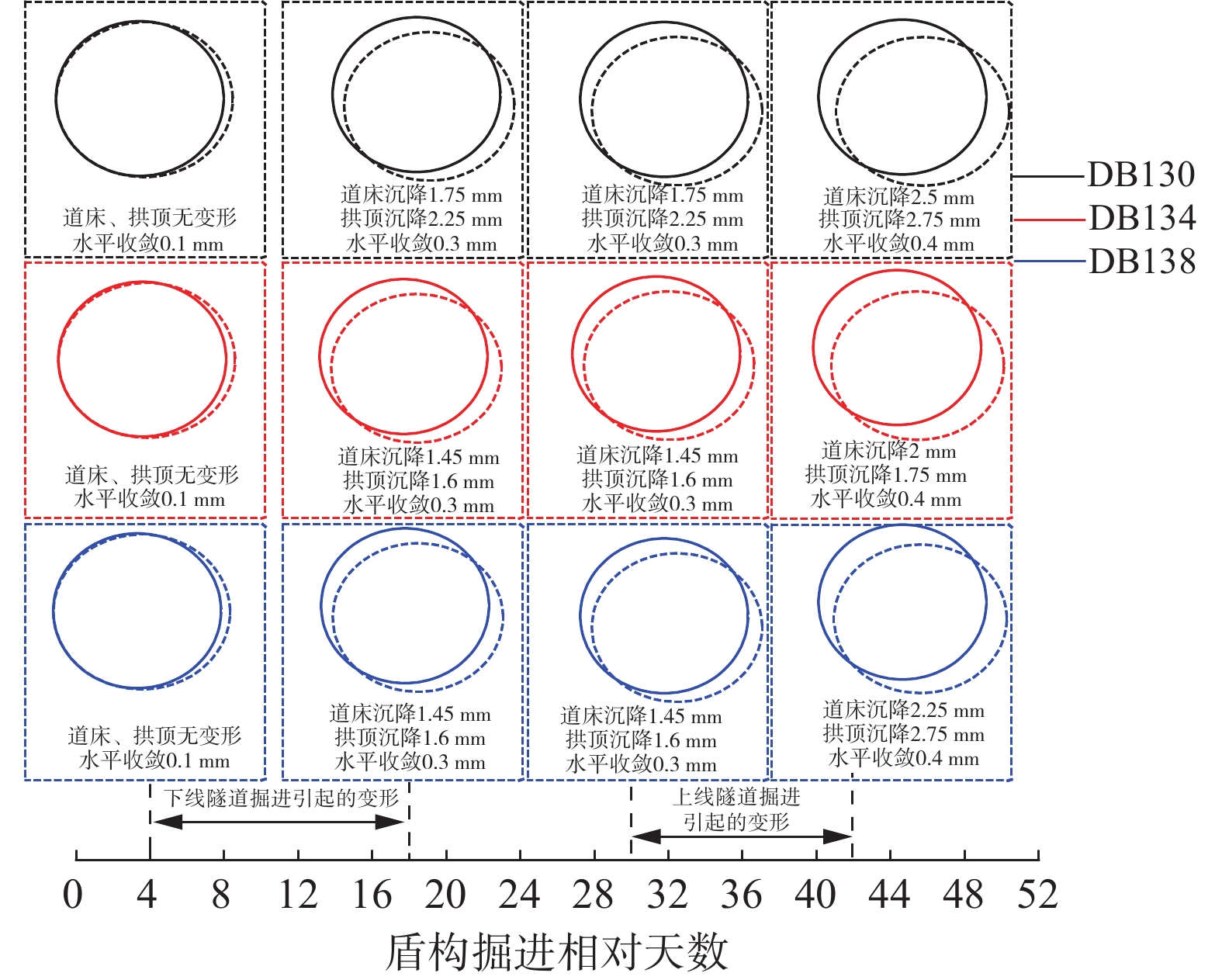
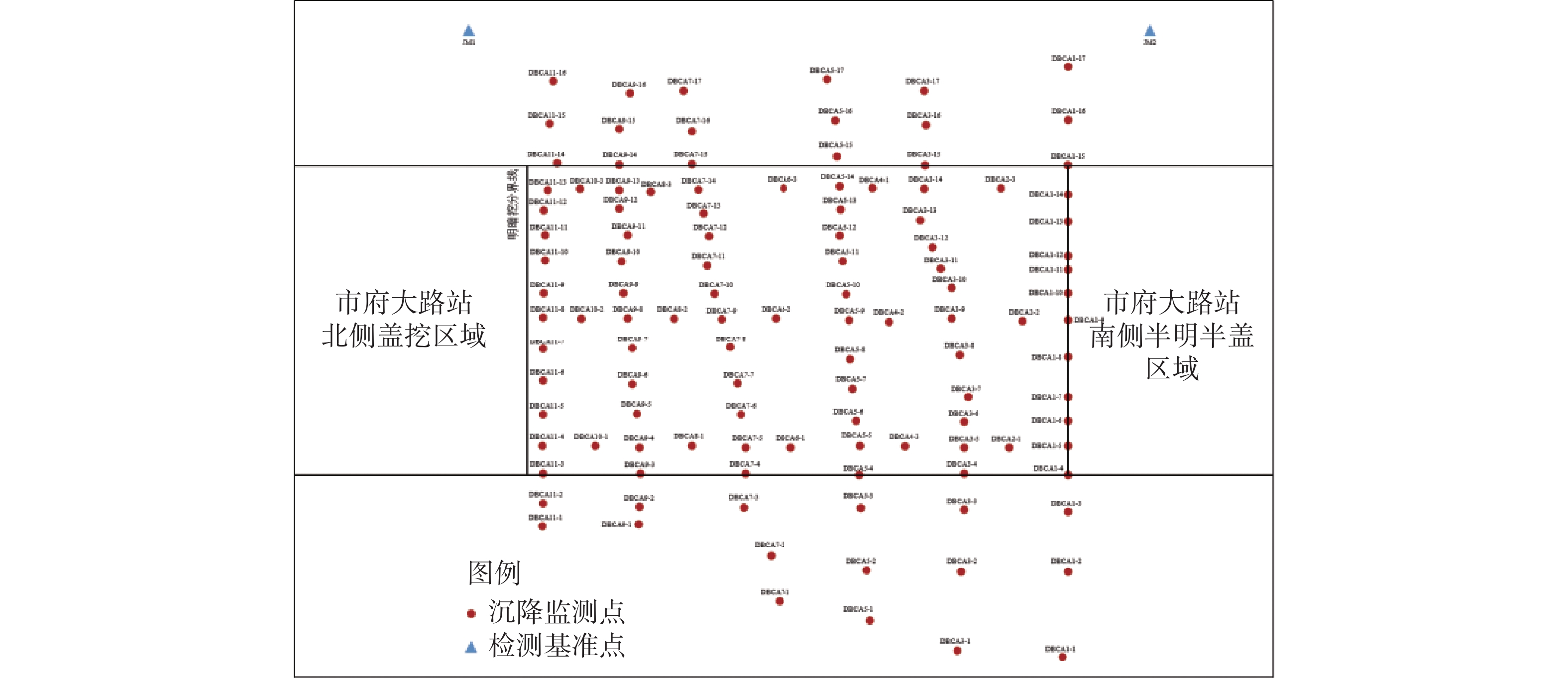
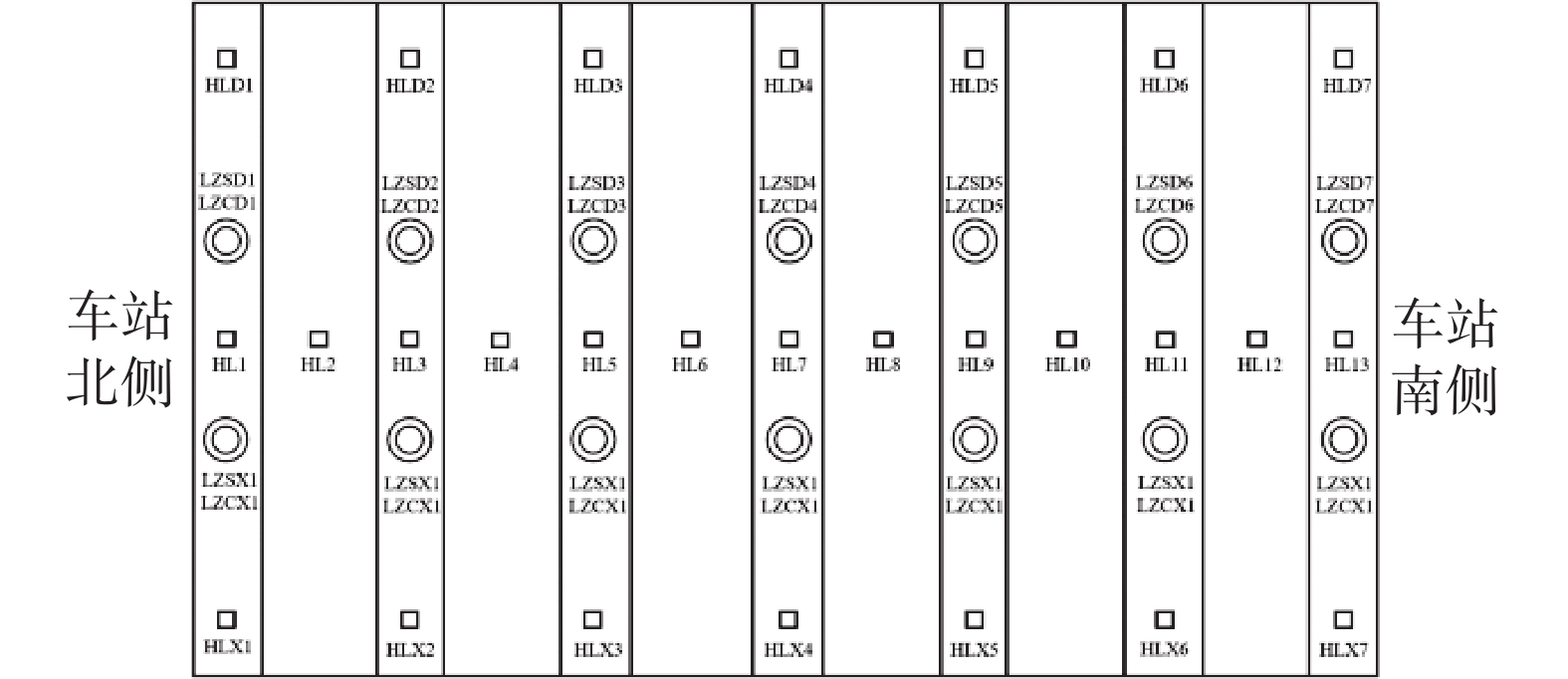
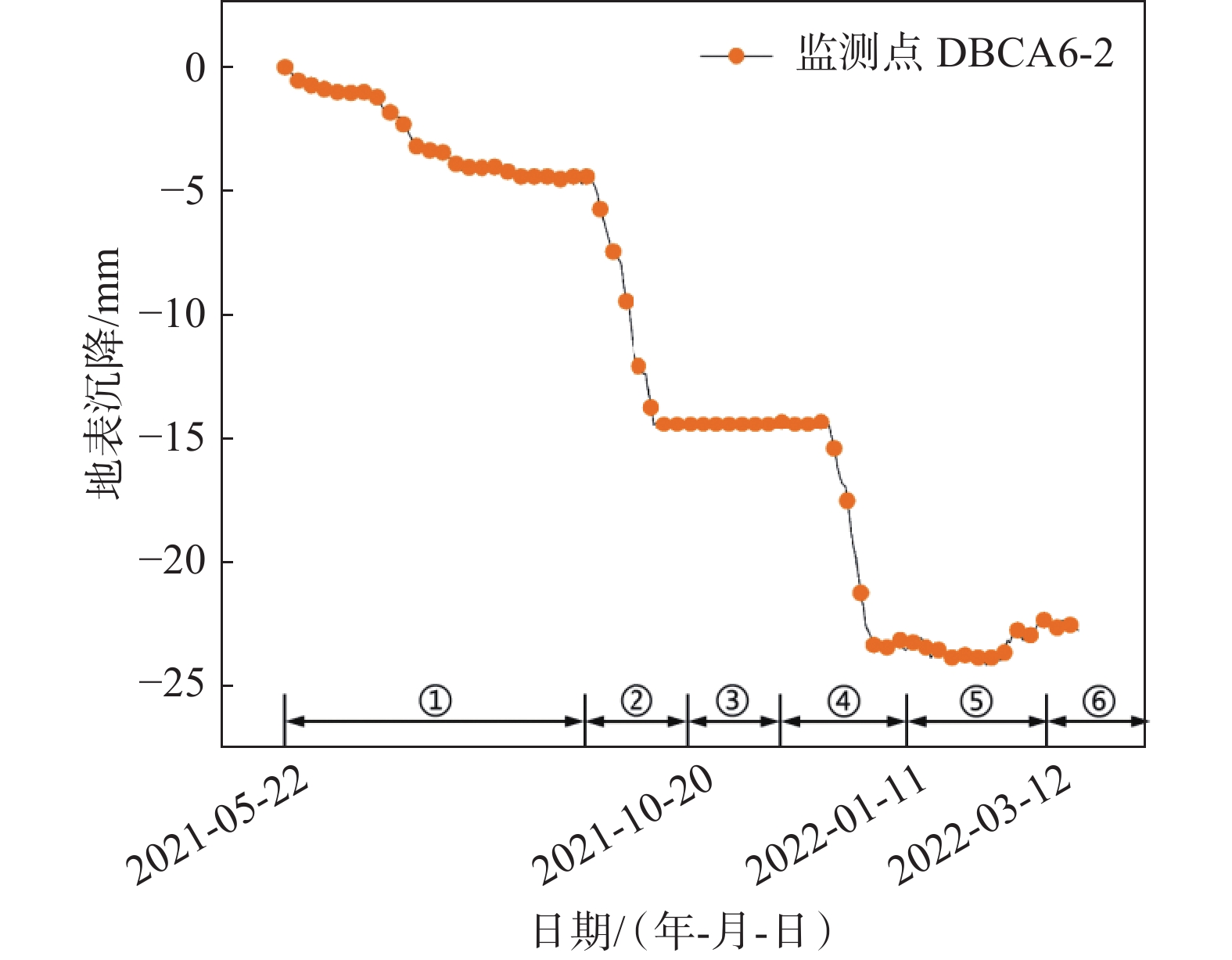
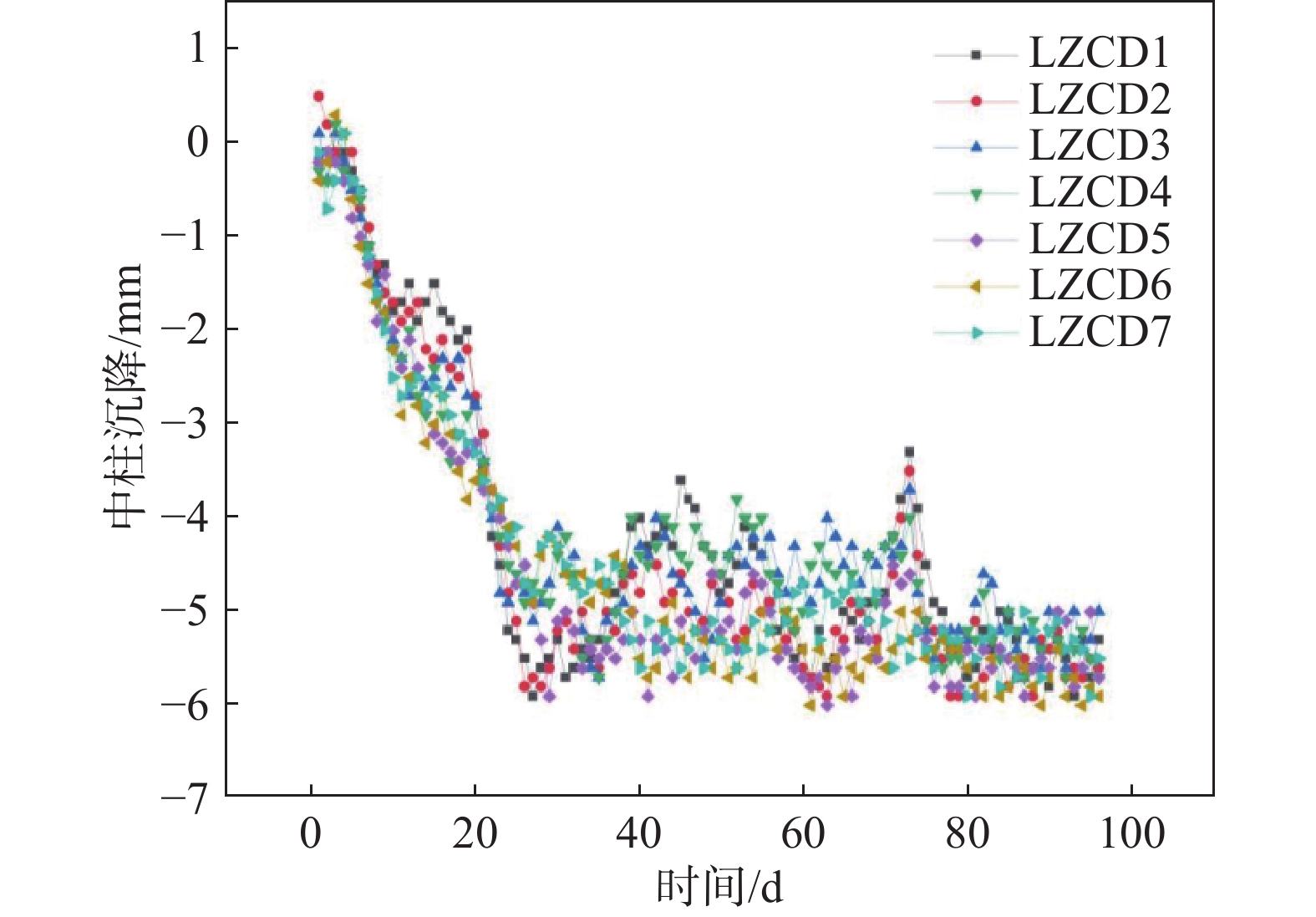
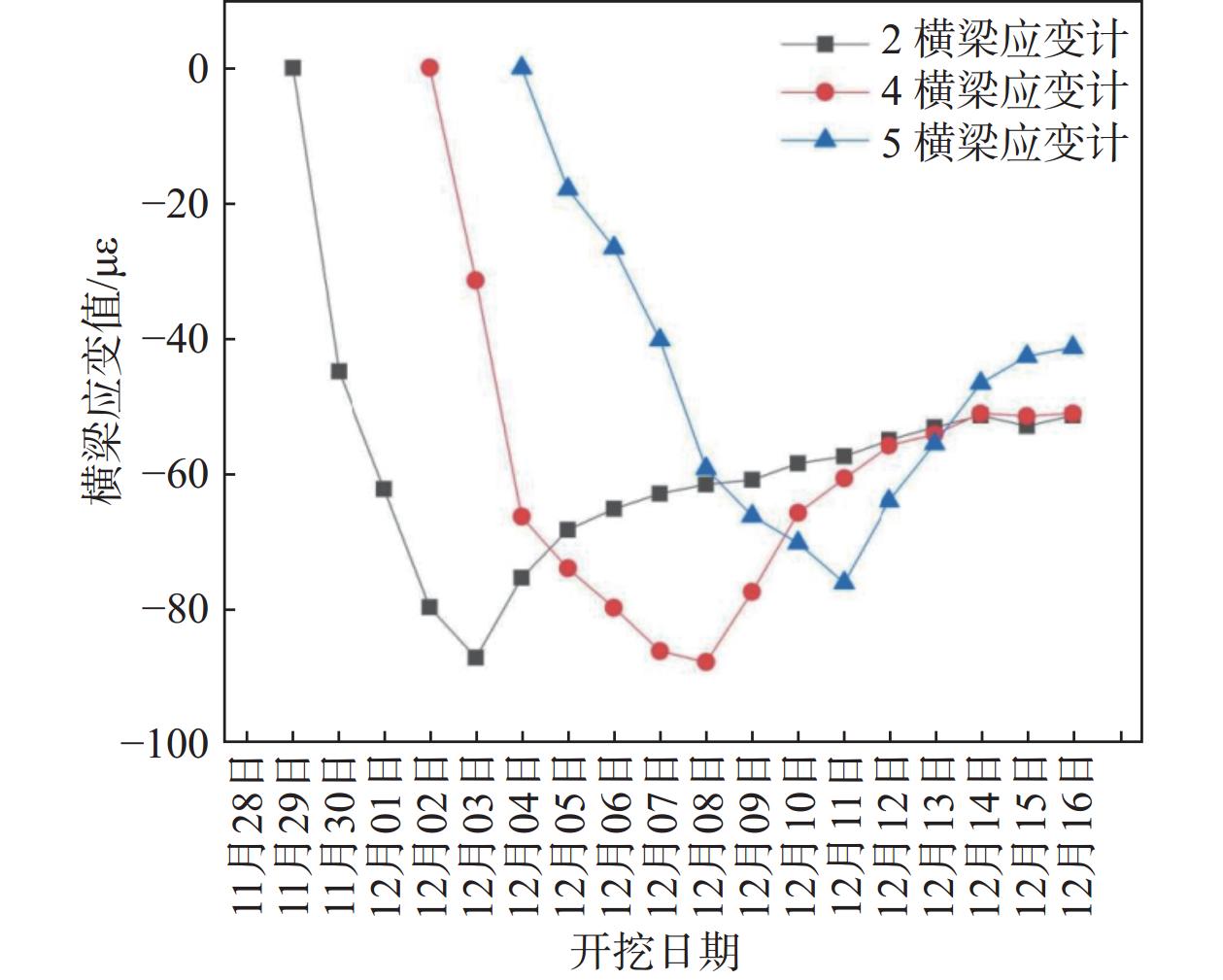
Aiming at the deformation control challenge in shield tunneling for overlapping tunnels adjacent to existing operational lines, this study takes the project of the Gangzicun–Huayuan Road section of Nanjing Metro Line 6 as the engineering background and adopts the construction technologies including the bottom-up tunneling sequence, grouting isolation and reinforcement, as well as the formwork trolley system support for the lower tunnel. Through field measurements, it examines the patterns of surface subsidence triggered by the construction of overlapped shield tunnels and the effects of shield tunneling on segments of nearby operational lines. The study documents the complete cycle of surface subsidence and the deformation patterns in existing tunnels. The results show that: (1) During the excavation of the downbound tunnel, the surface settlement first rises with the relative time of excavation, reaches the maximum value, and then settles until it tends to stabilize, and the surface settlement law during the excavation of the upbound tunnel is similar. Affected by grouting isolation and reinforcement, the surface settlement of the existing tunnel does not show significant changes, and the overall surface settlement curve conforms to an asymmetric Peck curve. (2) During shield tunneling, the grouting pressure increases, and the daily variation of surface vertical displacement correspondingly increases. The total thrust and cutterhead torque of the shield machine have no significant effect on the vertical displacement of the ground surface. (3) During the excavation of the upbound tunnel, the deformation of the downbound tunnel develops from a "circular" shape to a "vertical elliptical" shape. Under the support of the trolley, the vertical displacement of the track bed in the downbound tunnel is reduced by 50% compared to the horizontal convergence value of the tunnel without trolley support. (4) After the completion of the upbound tunnel excavation, the maximum settlement of the arch crown and track bed was 2.6 mm and 2.5 mm, respectively, and the maximum horizontal displacement of the left and right arch waists was 0.3 mm and 0.7 mm, respectively, showing a trend of moving towards the overlapping tunnel direction.