Current Issue

2026 Vol. 40, No. 4

2026, 40(4): 1-1.
Abstract:
2026, 40(4): 1-3.
Abstract:
Technology Development and Innovation
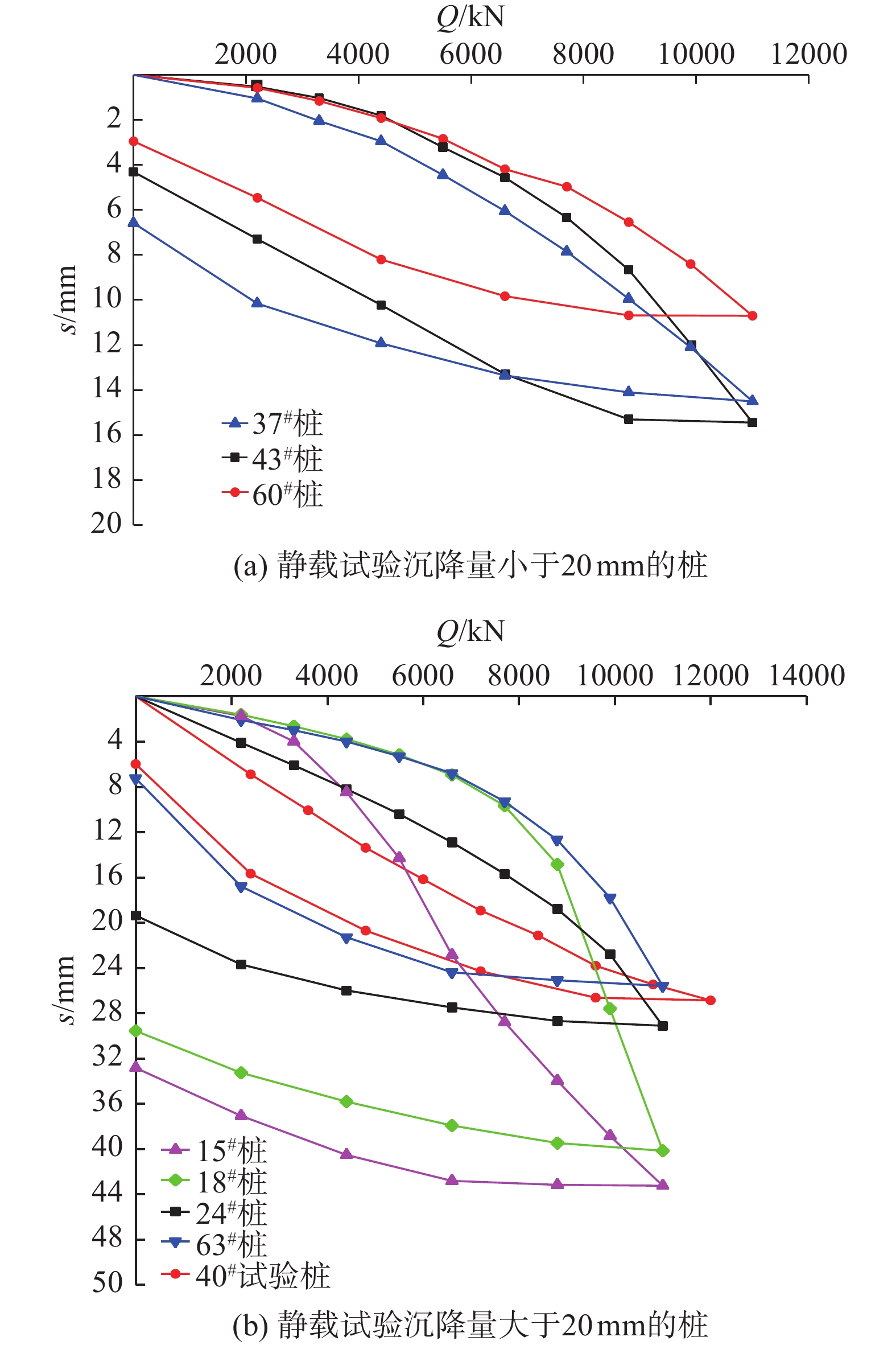
An improved method of pile foundation settlement calculation based on Mindlin-Geddes solution
WANG Xiaobo, LI Jianguang, WANG Duli
2026, 40(4): 475-480. doi: 10.20265/j.cnki.issn.1007-2993.2025-0281
Abstract:
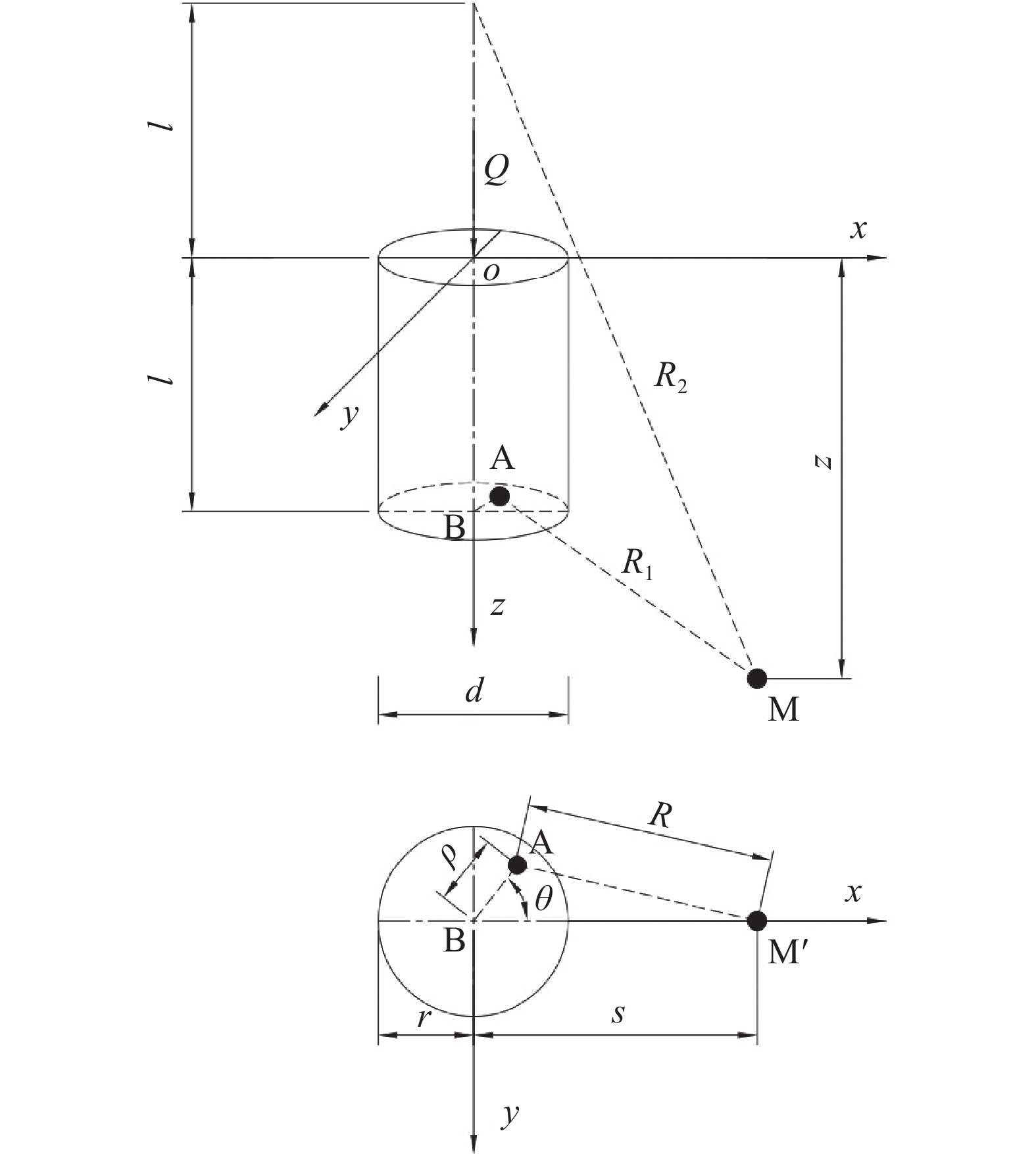
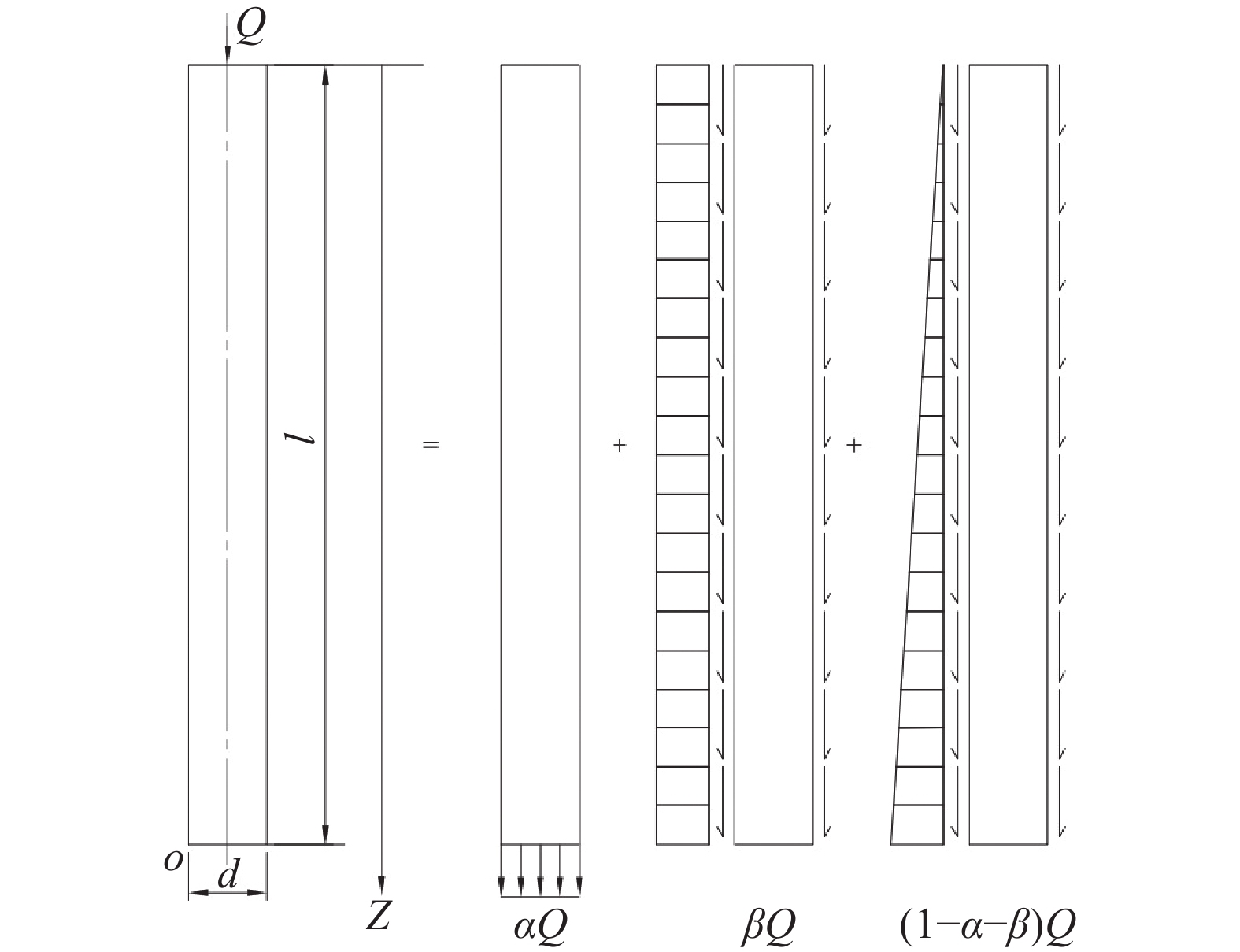
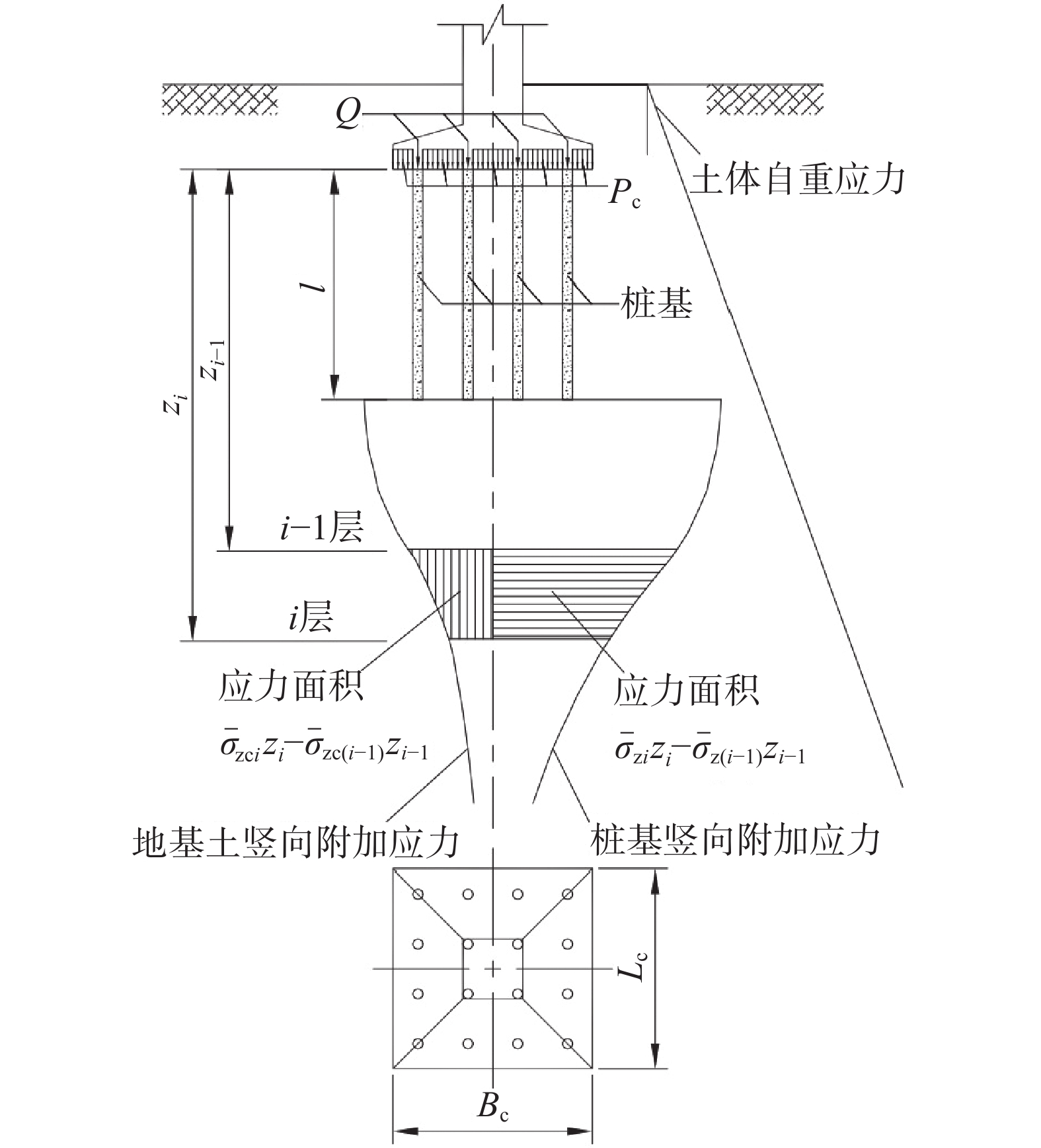
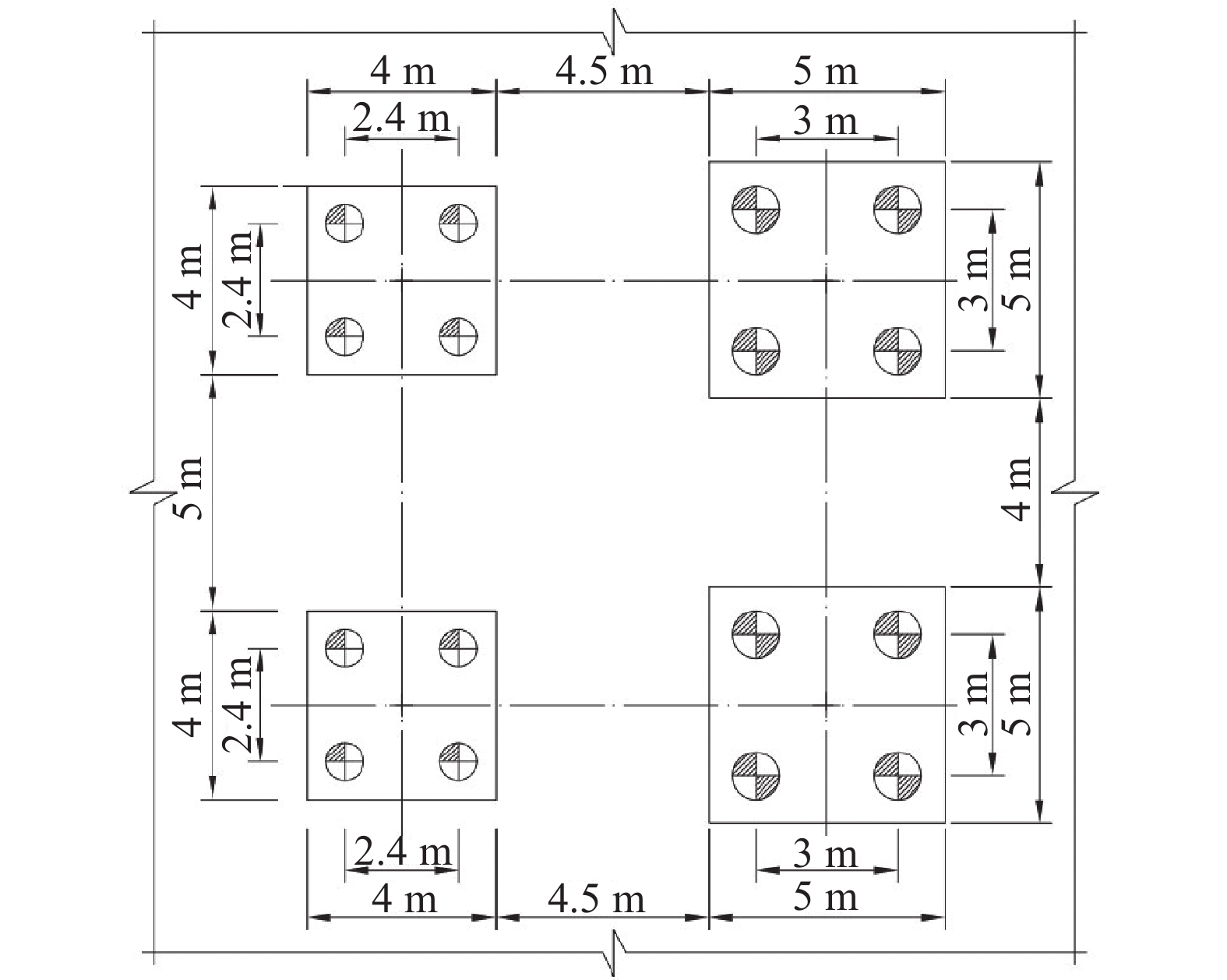
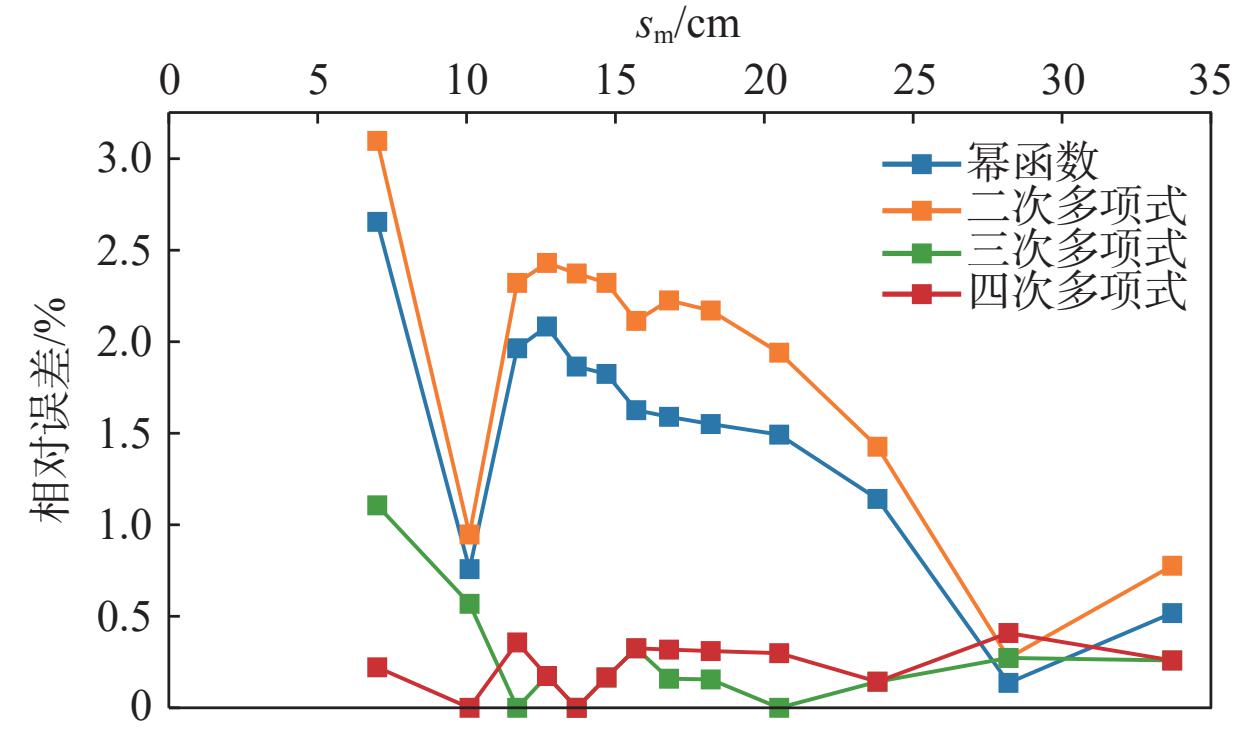
Currently, the calculation of pile foundation settlement mostly relies on the Mindlin-Geddes stress solution. To meet accuracy requirements, this method demands a detailed subdivision of soil strata, resulting in a cumbersome and inefficient computational process. To improve computational efficiency, by combining the Mindlin-Geddes stress solution with the layered summation method, the integral expressions of the average vertical stress influence coefficient were derived, and the pile foundation settlement calculation formulas were improved. Meanwhile, calculation tables of the average vertical stress influence coefficients under different resistance distribution patterns were compiled. Through the calculation and analysis of a dimensionless stress area example and an engineering case, the results show that the average vertical stress influence coefficient method agrees well with the calculation results of the standard method, the accuracy meets the requirements. Moreover, it does not need to further subdivide each soil layer for calculation, effectively improves the efficiency and accuracy of pile foundation settlement calculation, and provides new calculation methods and technical means for the design of pile foundation projects.
Optimization algorithm for calibration of elastic membrane binding force and instrument comprehensive deformation based on Python
LIU Yanhua
2026, 40(4): 481-487. doi: 10.20265/j.cnki.issn.1007-2993.2025-0157
Abstract:
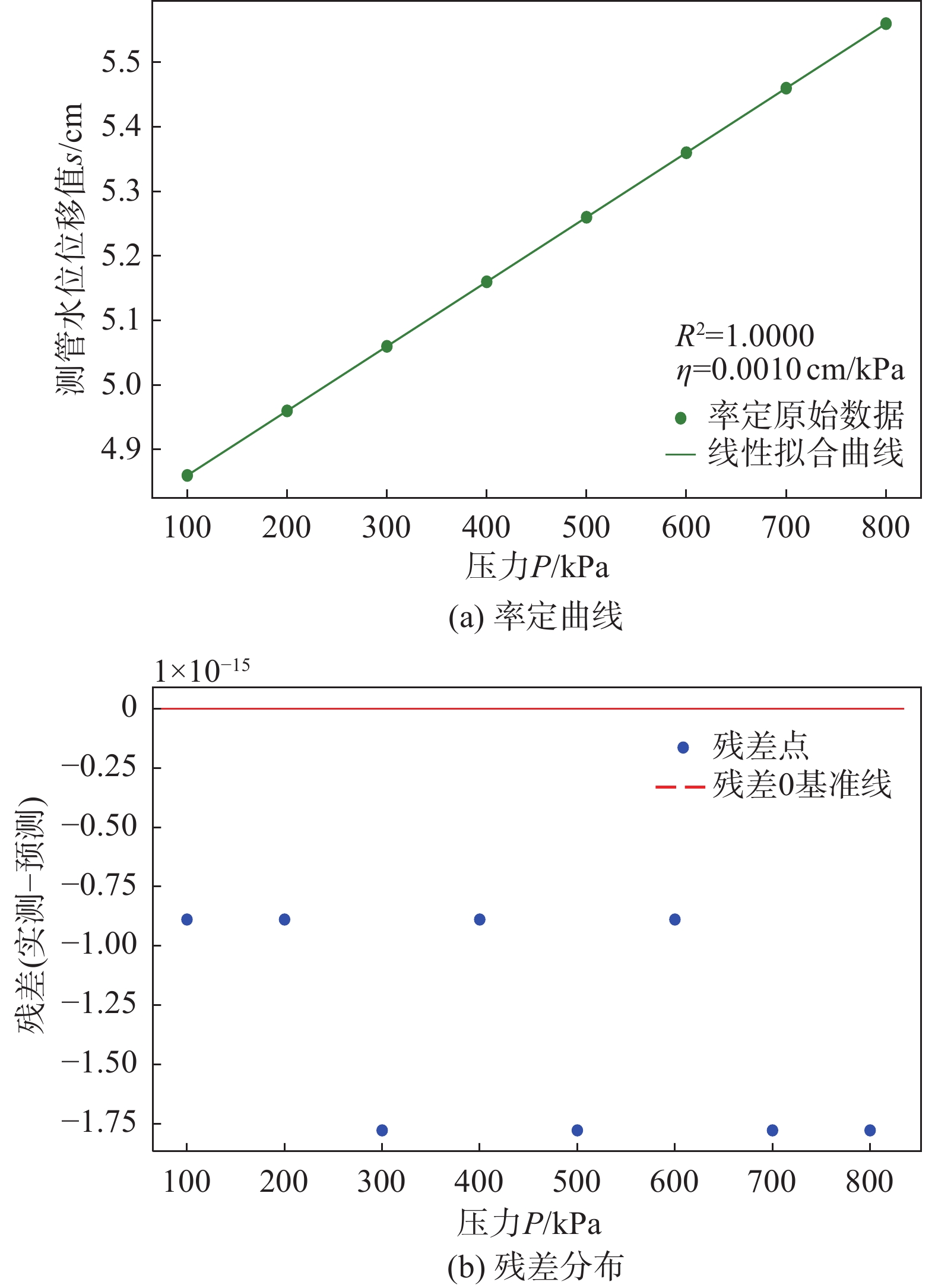
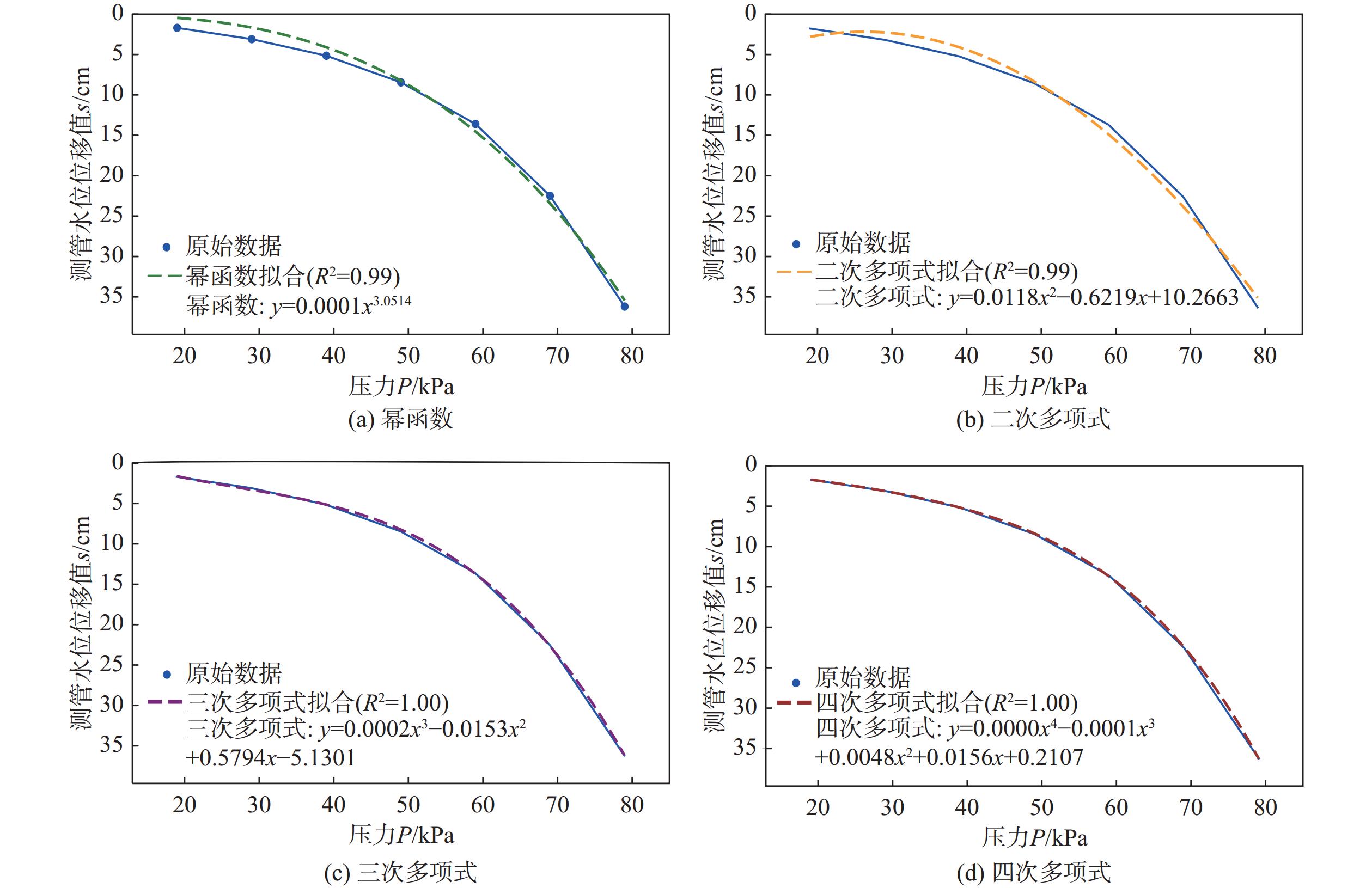
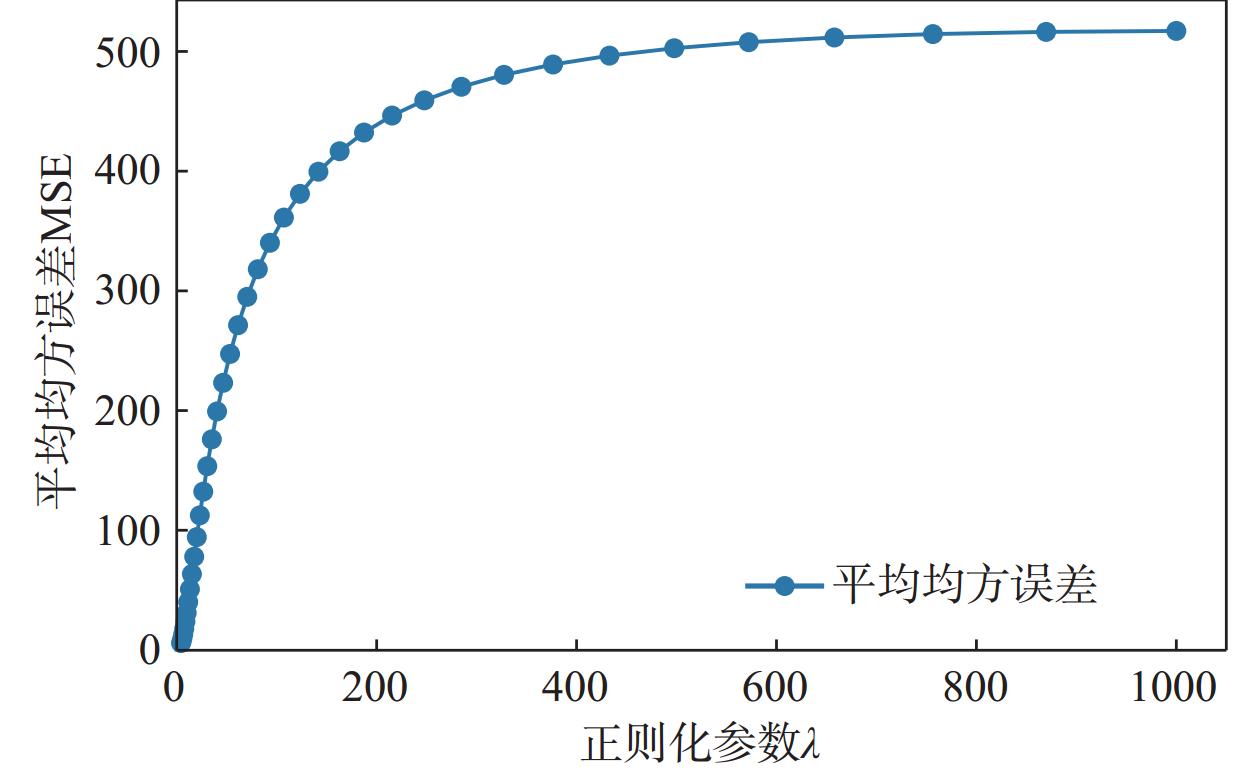
Pressuremeter test is an important in-situ testing method in geotechnical engineering investigation, while the two calibration tests of elastic membrane binding force and instrument comprehensive deformation are very important. However, traditional calibration methods rely on manual operations and use inaccurate empirical models, which have many limitations. Based on Python, this study optimizes the calibration algorithms for the two tests of pressuremeter test, constructing a linear least squares model for instrument comprehensive deformation calibration and a nonlinear cubic polynomial least squares model for elastic membrane binding force calibration. The analysis shows that the slope calculation of the instrument comprehensive deformation calibration model is reasonable, with uniformly distributed residuals; the cubic polynomial model has an excellent fitting effect on elastic membrane binding force calibration, and regularization is introduced to mitigate overfitting. The research indicates that Python has obvious advantages in pressuremeter test data processing, and the accuracy of pressuremeter test results can be improved using the optimized algorithms.
Engineering Practice and Application
Design method for retaining structure of single-row pile combined with double-row pile
XIE Xin
2026, 40(4): 488-493. doi: 10.20265/j.cnki.issn.1007-2993.2025-0359
Abstract:
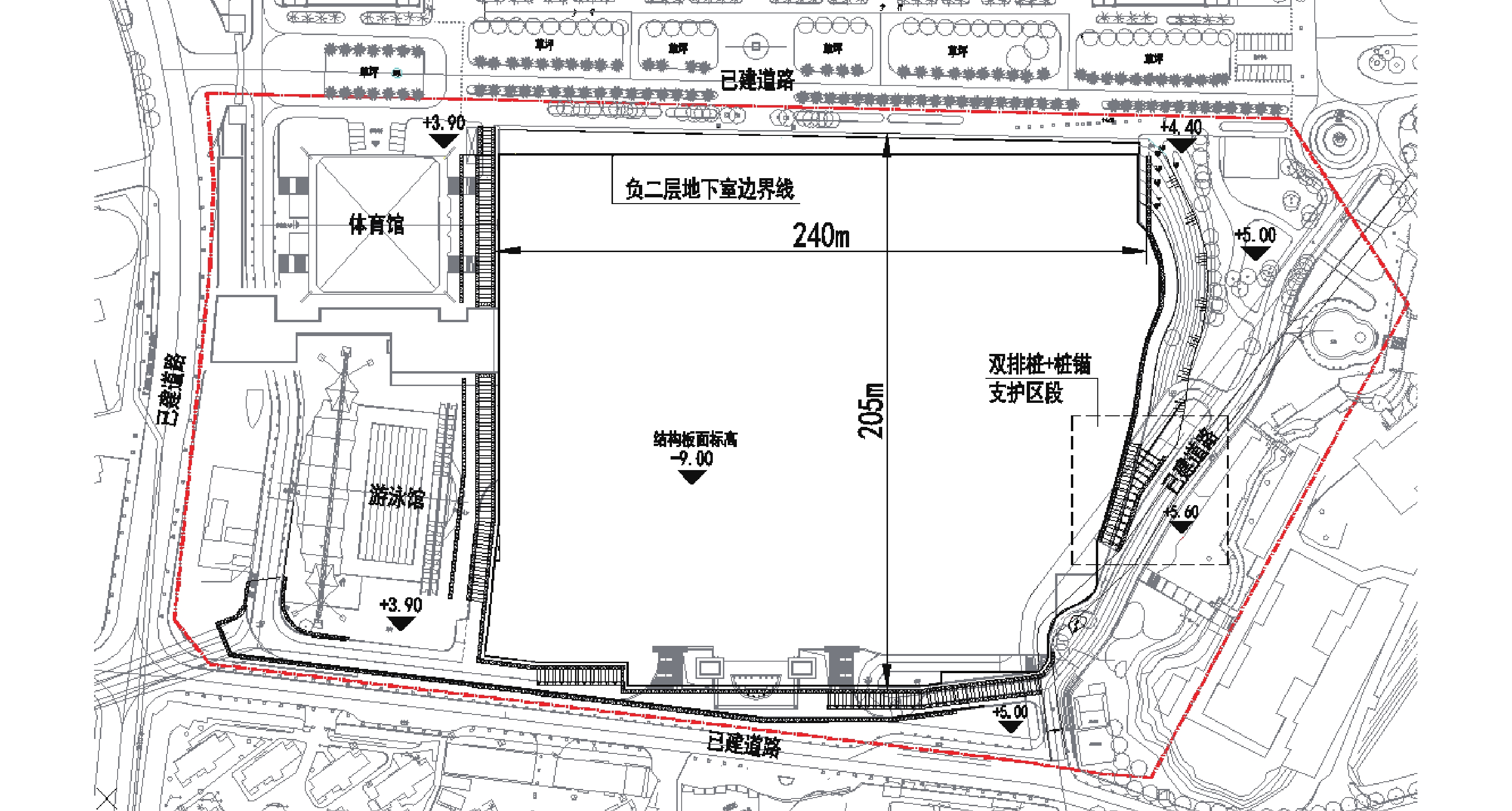
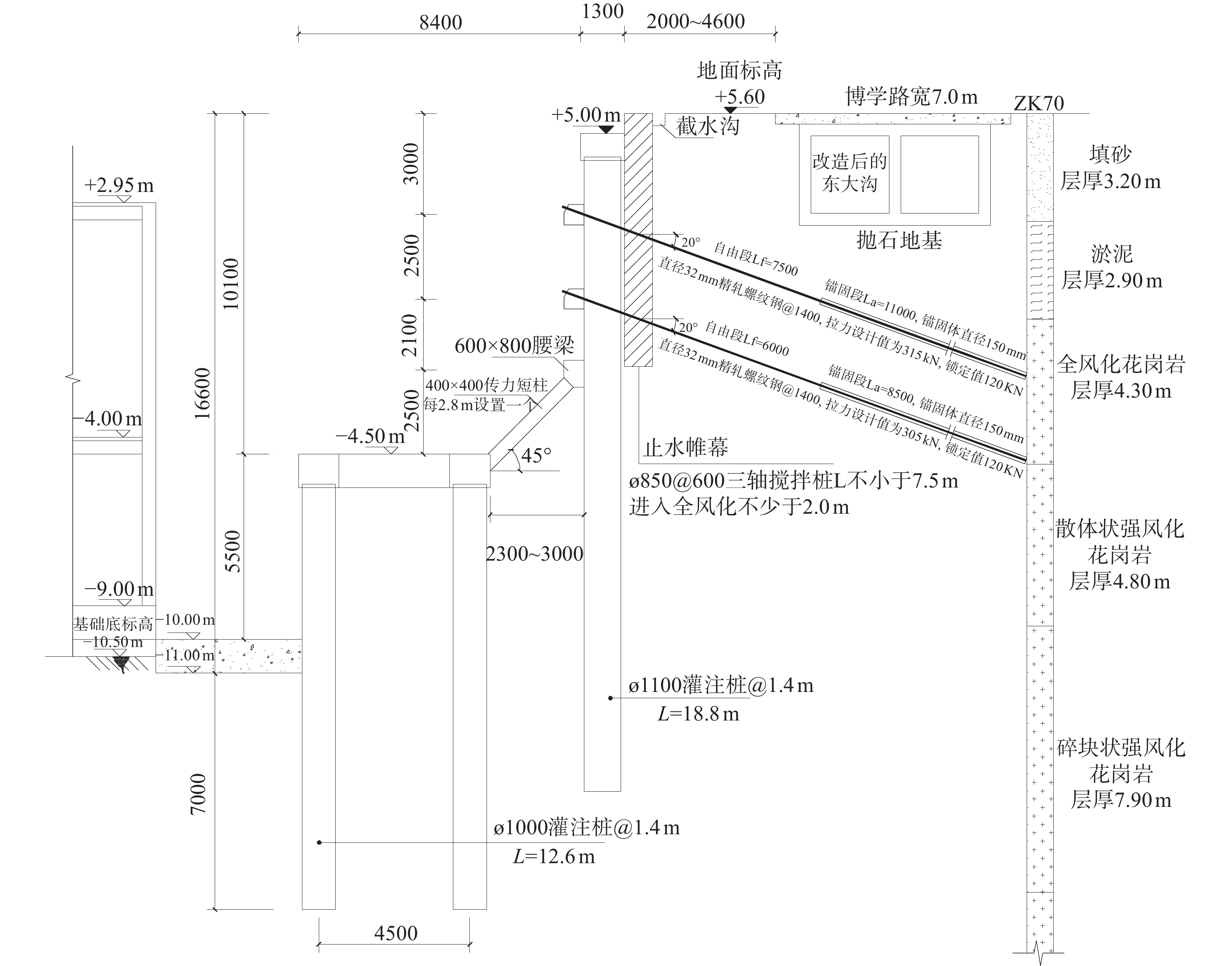
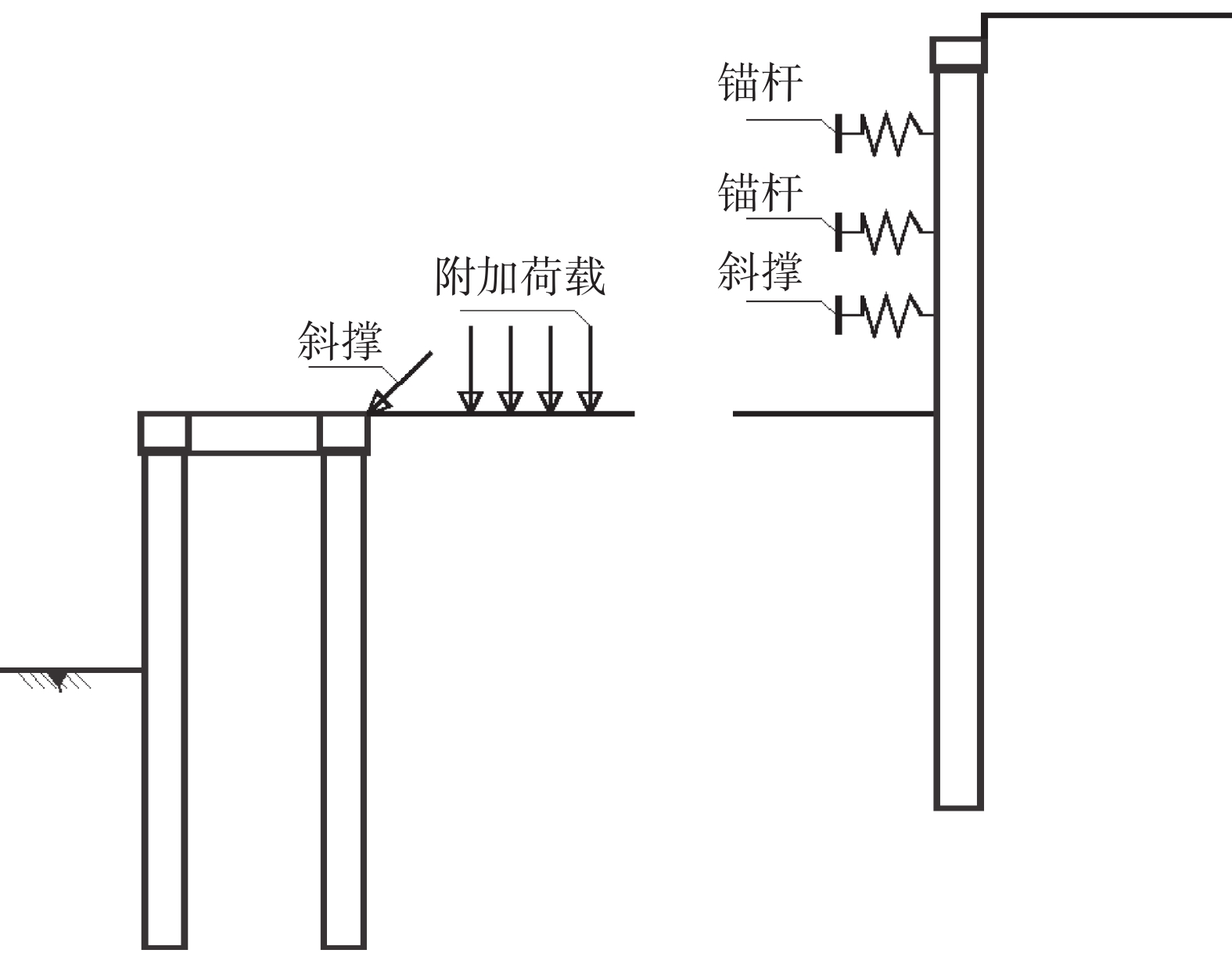
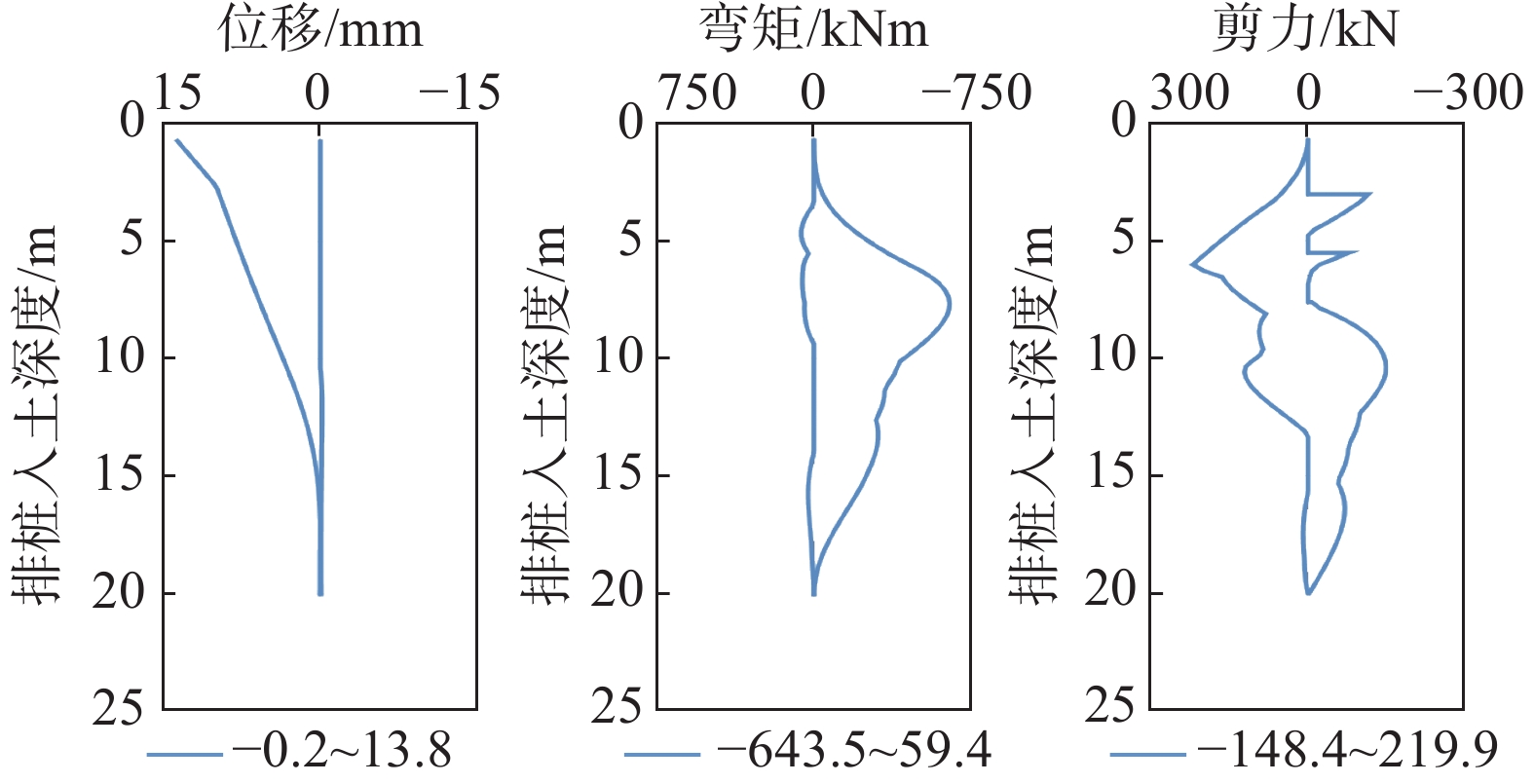
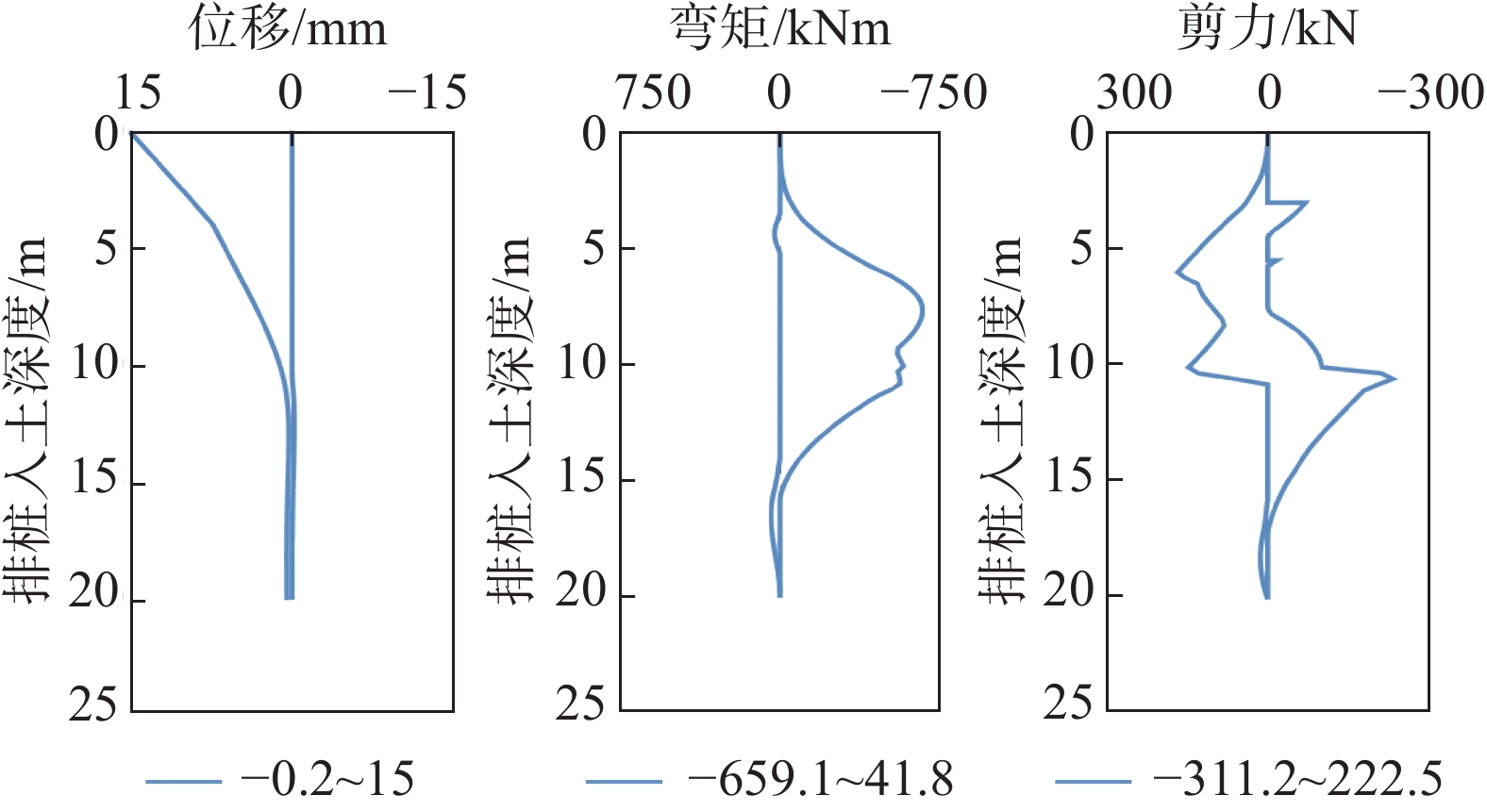
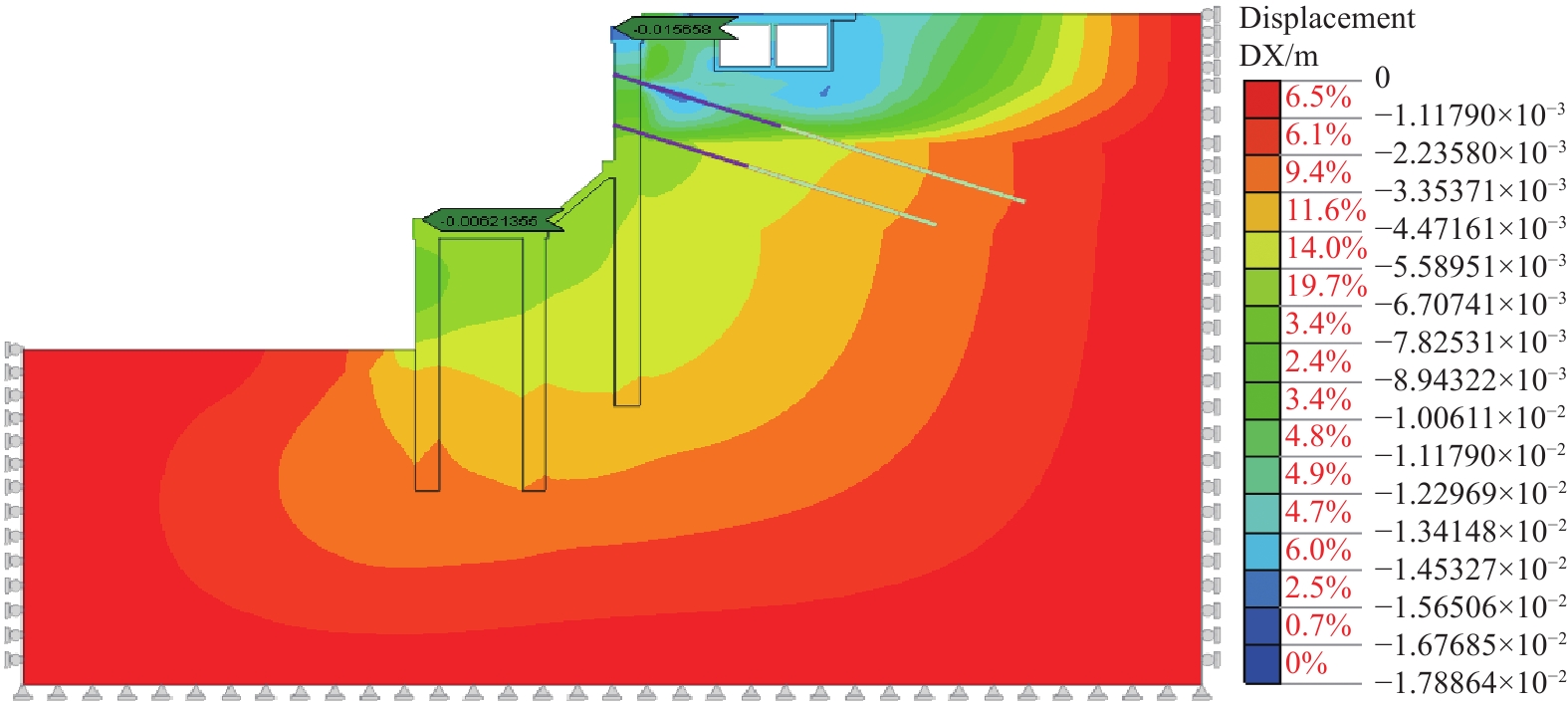
With the improvement of urbanization, the environmental conditions of foundation excavation are becoming increasingly complex. Single-row-pile wall as a kind of retaining structure can no longer meet requirements alone, and often work together with strut. In areas where strut is limited, the application of double-row or even multi-row pile retaining structure is very necessary. At present, the acceptance of double-row pile retaining structure is relatively wide, and there are mature design methods. Although multiple-row piles have been used in practice, the calculation method and stress mode have not yet been unified. Based on practical engineering projects, this study systematically investigates the design methodology for retaining systems that combine single-row and double-row piles. Through an analysis of pile-soil deformation compatibility, it is concluded that the synergistic load-bearing mechanism between the rear piles and the double-row piles is primarily achieved through inclined struts. The calculation model is simplified to pile-pile coordinated deformation, and a calculation method is proposed in which rear row piles and double-row piles are calculated separately with deformation coordinated by inclined strut members. Meanwhile, the equivalent model method and finite element method for this retaining system were studied. Comparative analysis with field monitoring data verifies the rationality and feasibility of the proposed method, which can provide references for similar engineering projects.
Protection technology and 3D finite element analysis for exterior walls of historic buildings subjected to underground addition and core-replacement renovation
LU Chenying, LUO Zhihua
2026, 40(4): 494-503. doi: 10.20265/j.cnki.issn.1007-2993.2026-0176
Abstract:
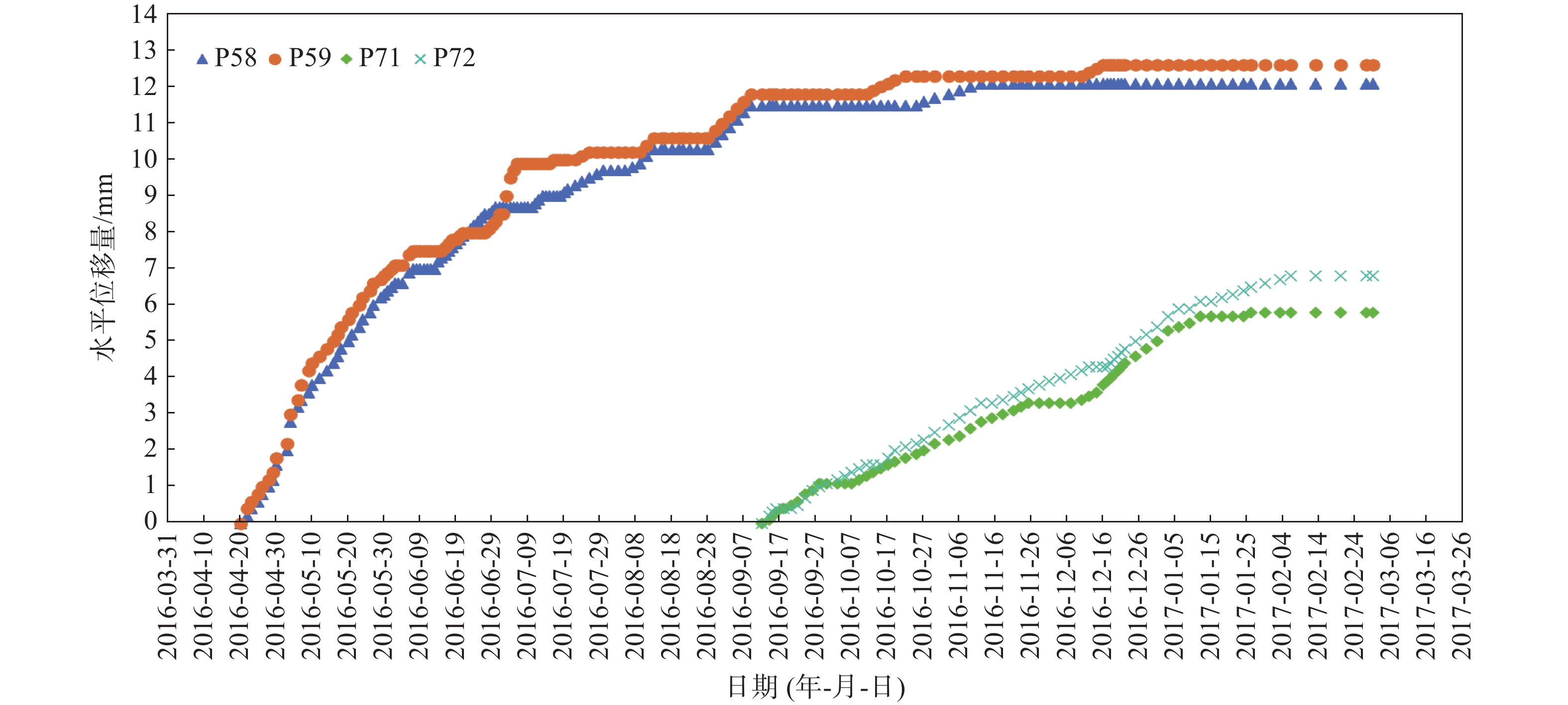
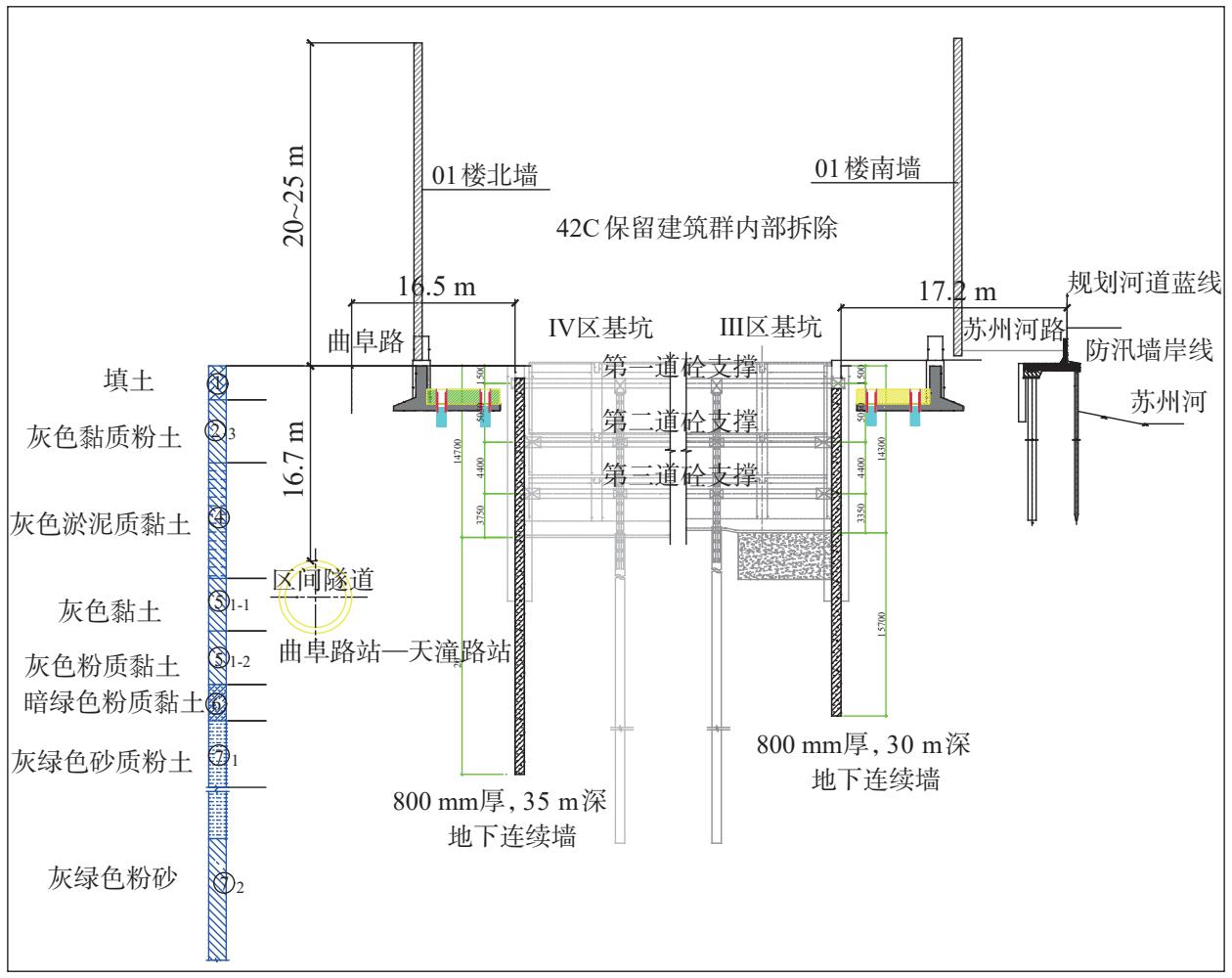
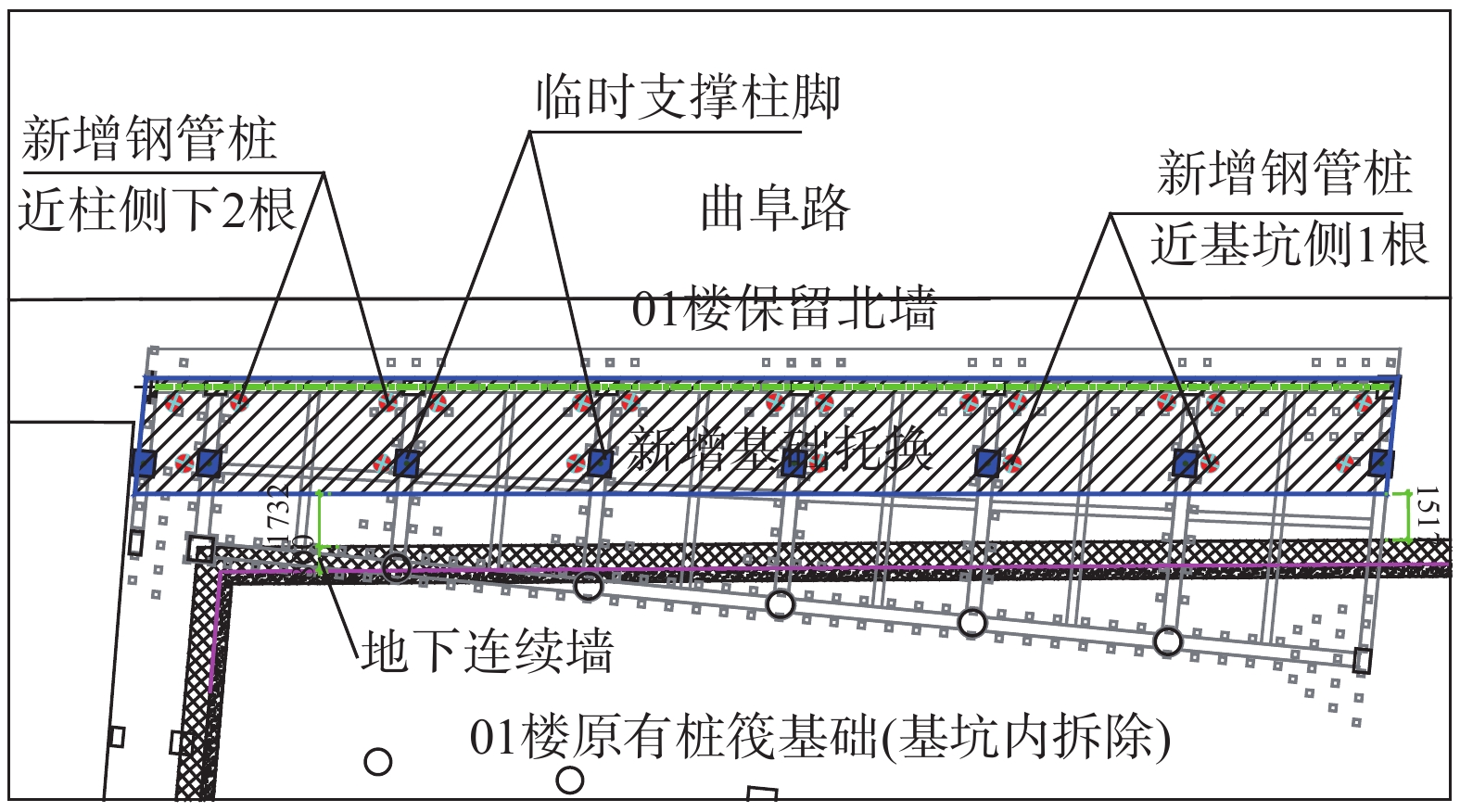
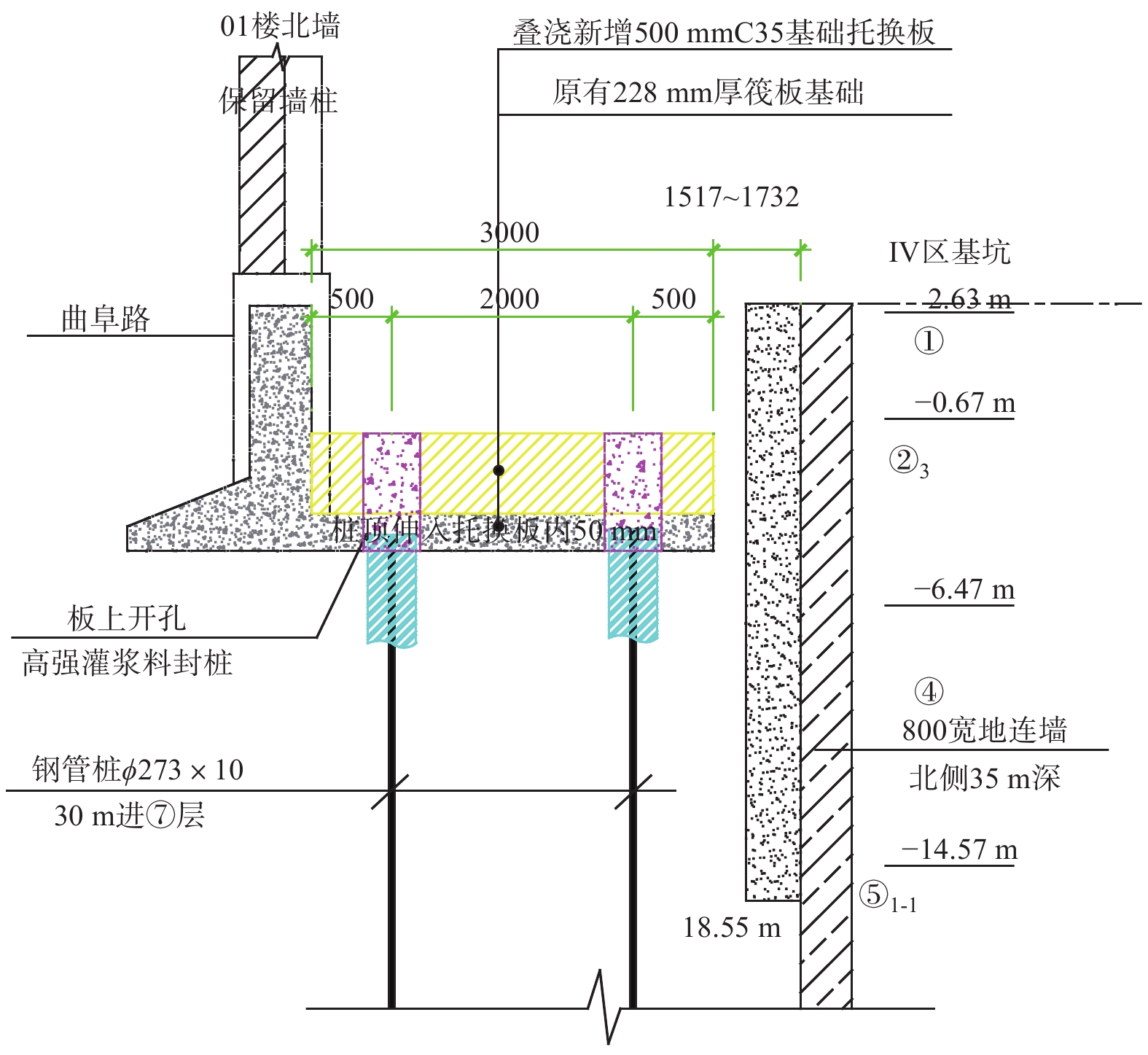
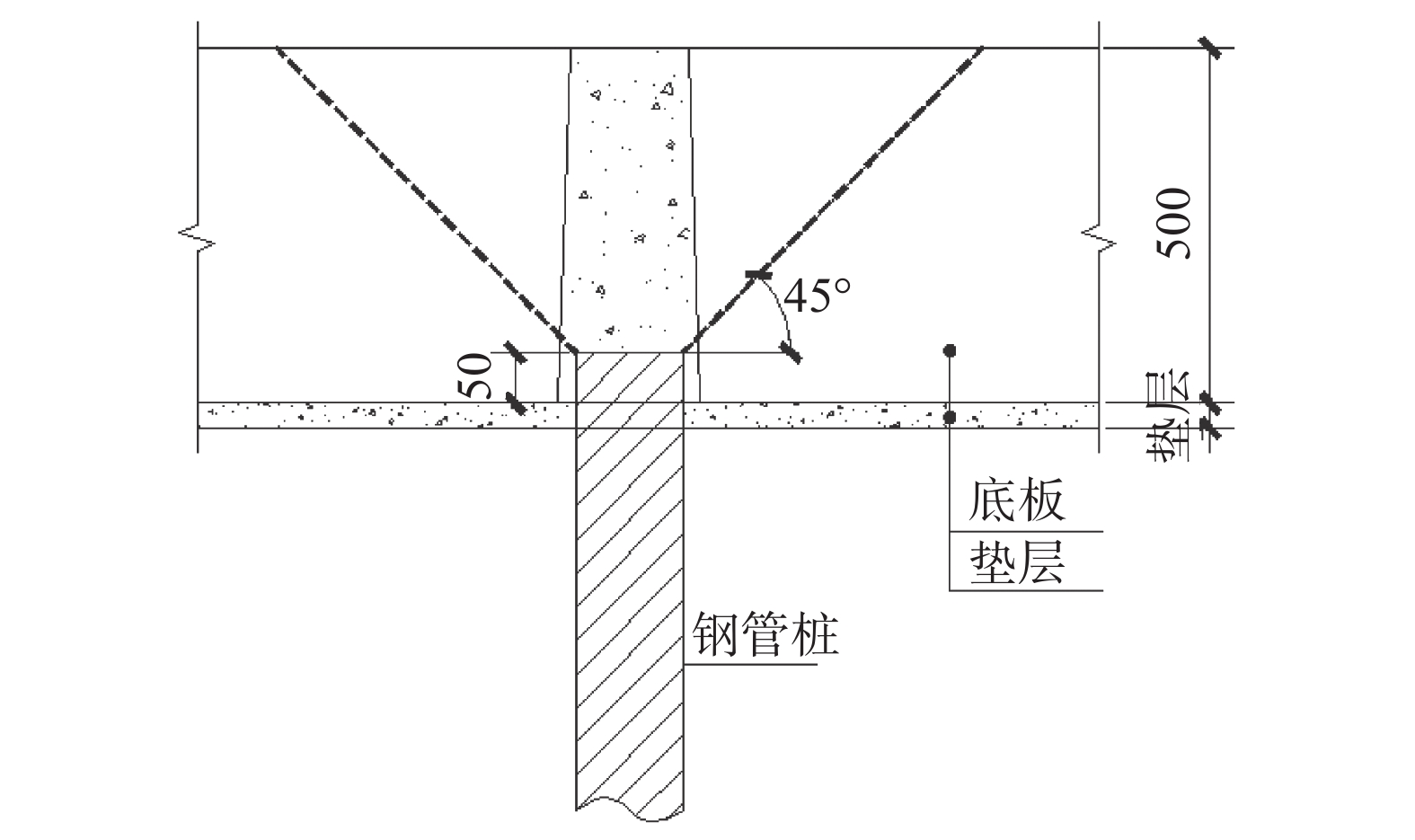
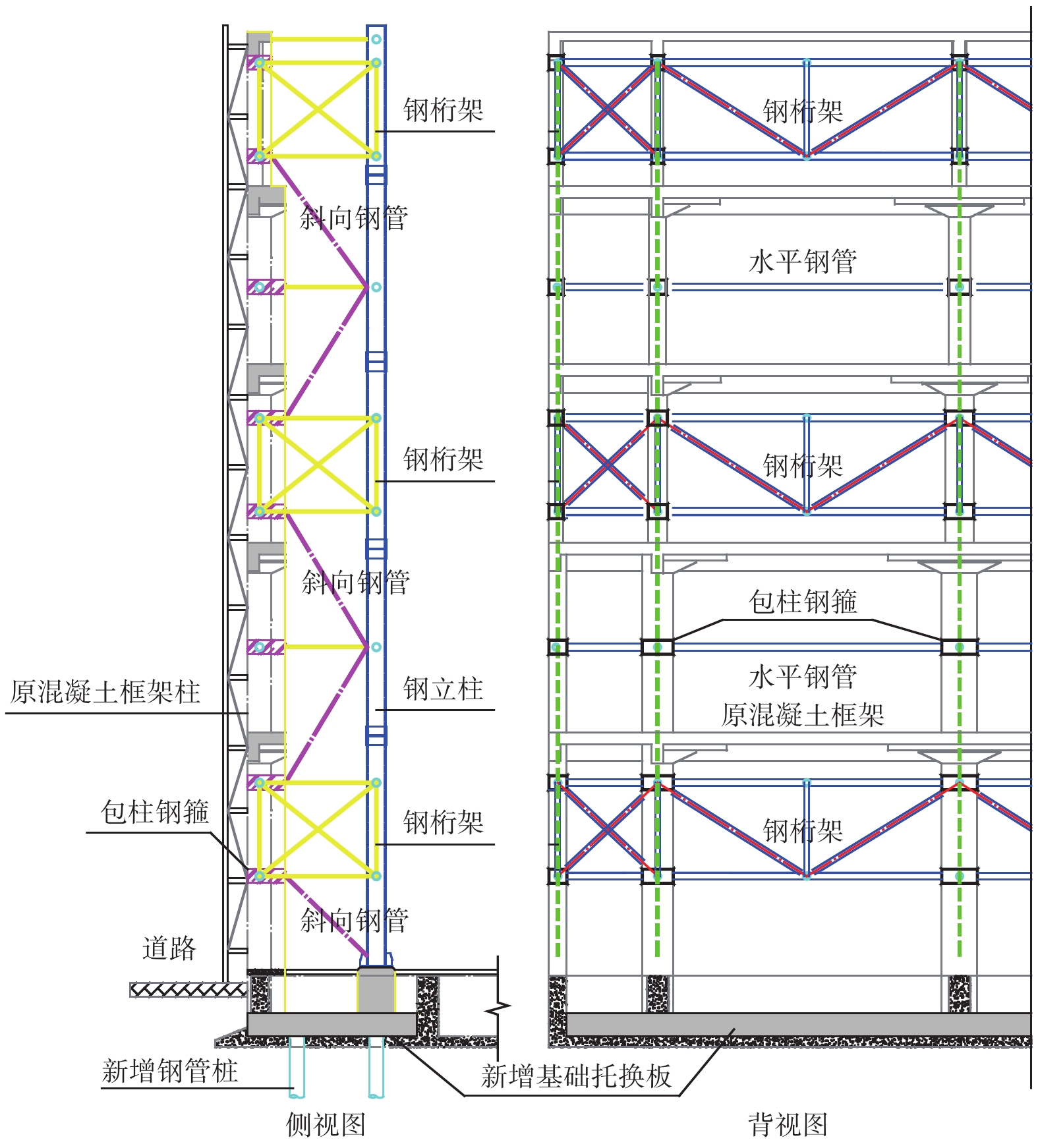
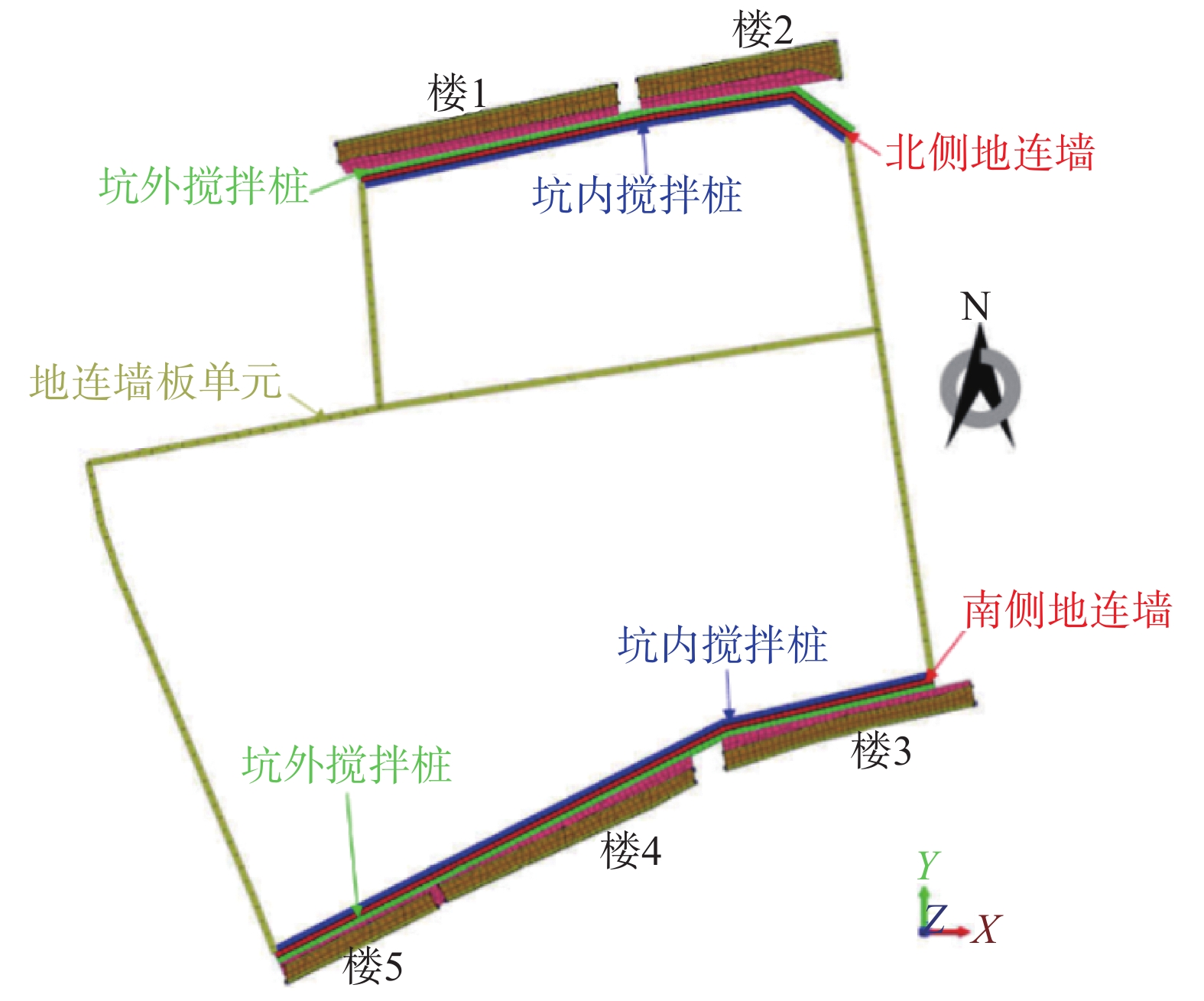
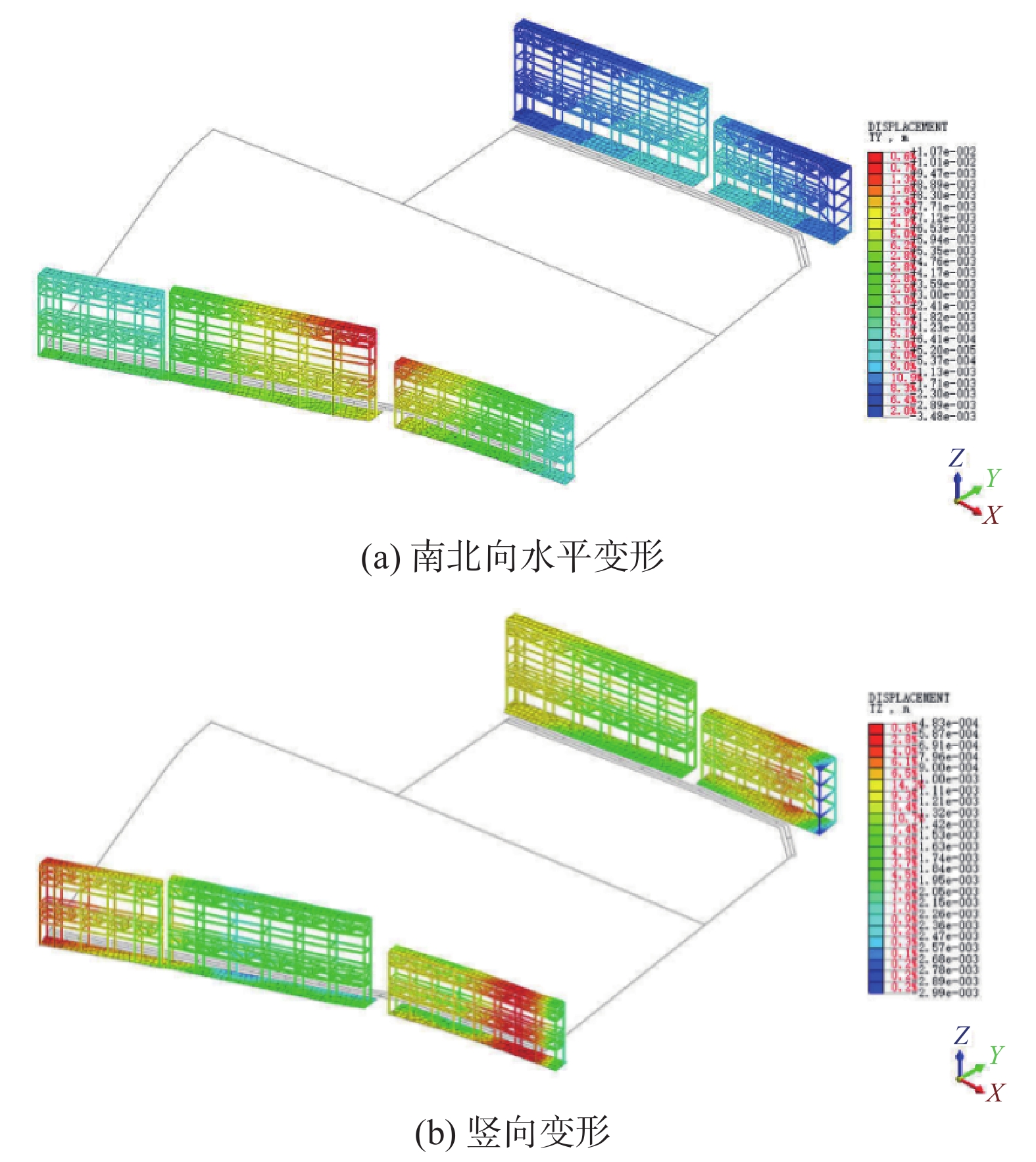
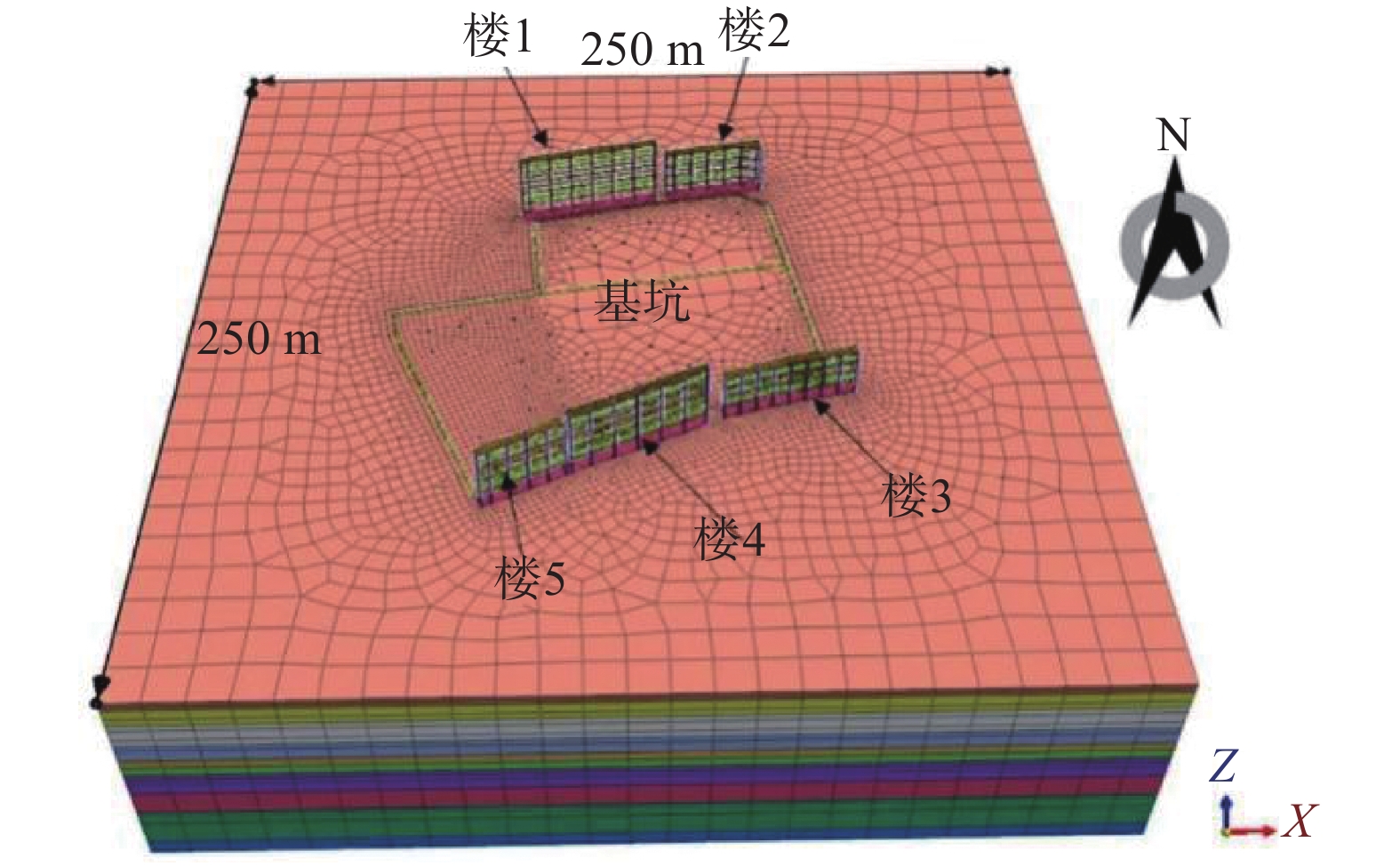
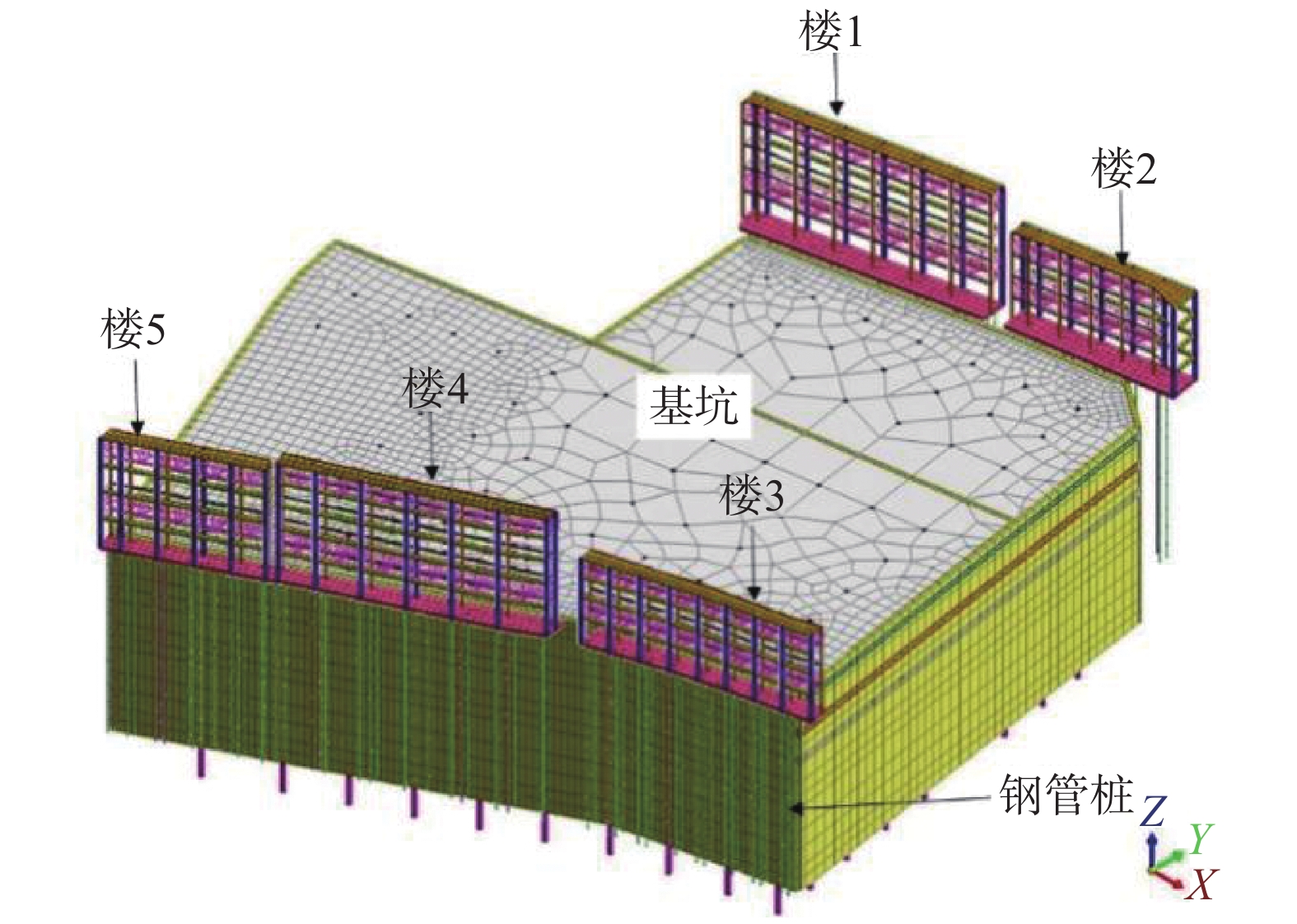
Against the backdrop of the coordinated development of urban renewal and heritage building conservation, taking the 42C plot of Block 42 in Shanghai Suhe Bay as a case study, this paper addresses the stability challenges of historical building facades induced by deep foundation pit construction disturbances. An active protection scheme integrating “anchor static-pressed steel pipe pile underpinning and back-braced steel frame strengthening” was proposed. The mechanical reliability of this scheme was verified through single pile bearing capacity calculations and raft punching shear verifications. To systematically evaluate the impact of construction on the retained building and the surrounding environment, a three-dimensional finite element model was established using Midas GTS NX software. The entire process, from mixing pile construction and diaphragm wall trenching to foundation pit excavation, was simulated to analyze structural deformation and internal force responses. Additionally, a specialized analysis of the temporary strengthening system was conducted using Midas Gen 2020 software. The results indicate that the proposed underpinning and strengthening scheme can effectively control the deformation and structural internal forces of the retained historical facade and its foundation, with all indicators meeting current code requirements. Meanwhile, the deformation of the adjacent subway tunnel is strictly controlled, and the tunnel response remains well below the engineering safety control limits. This study can provide valuable technical references for similar projects.
Characteristics of mud cake in bored cast-in-place piles within granite weathered strata and application of pile side post-grouting
MO Jijun, LIU Xiaoming, HU Boyin, WEI Qinghua
2026, 40(4): 504-512. doi: 10.20265/j.cnki.issn.1007-2993.2025-0216
Abstract:
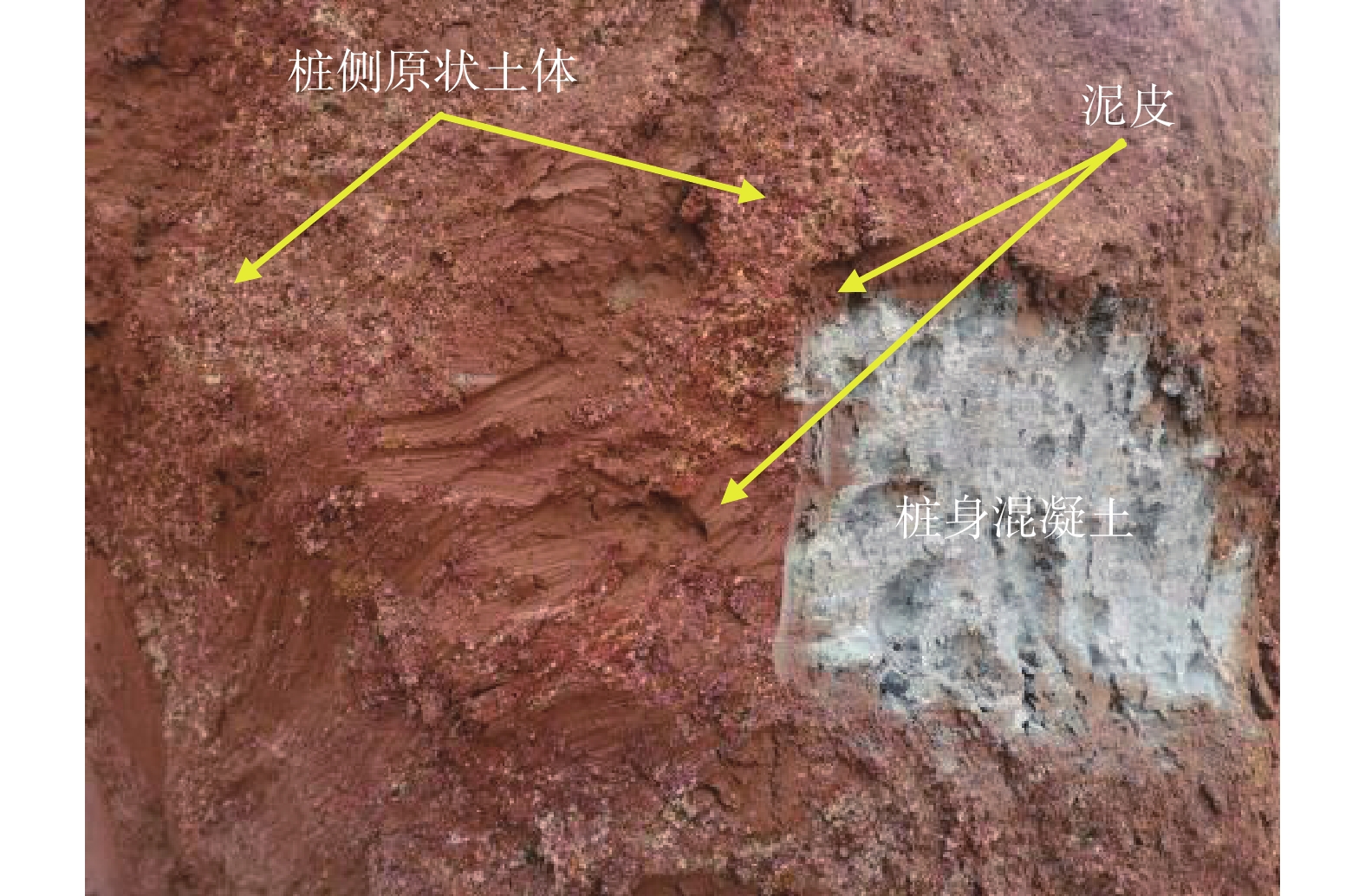
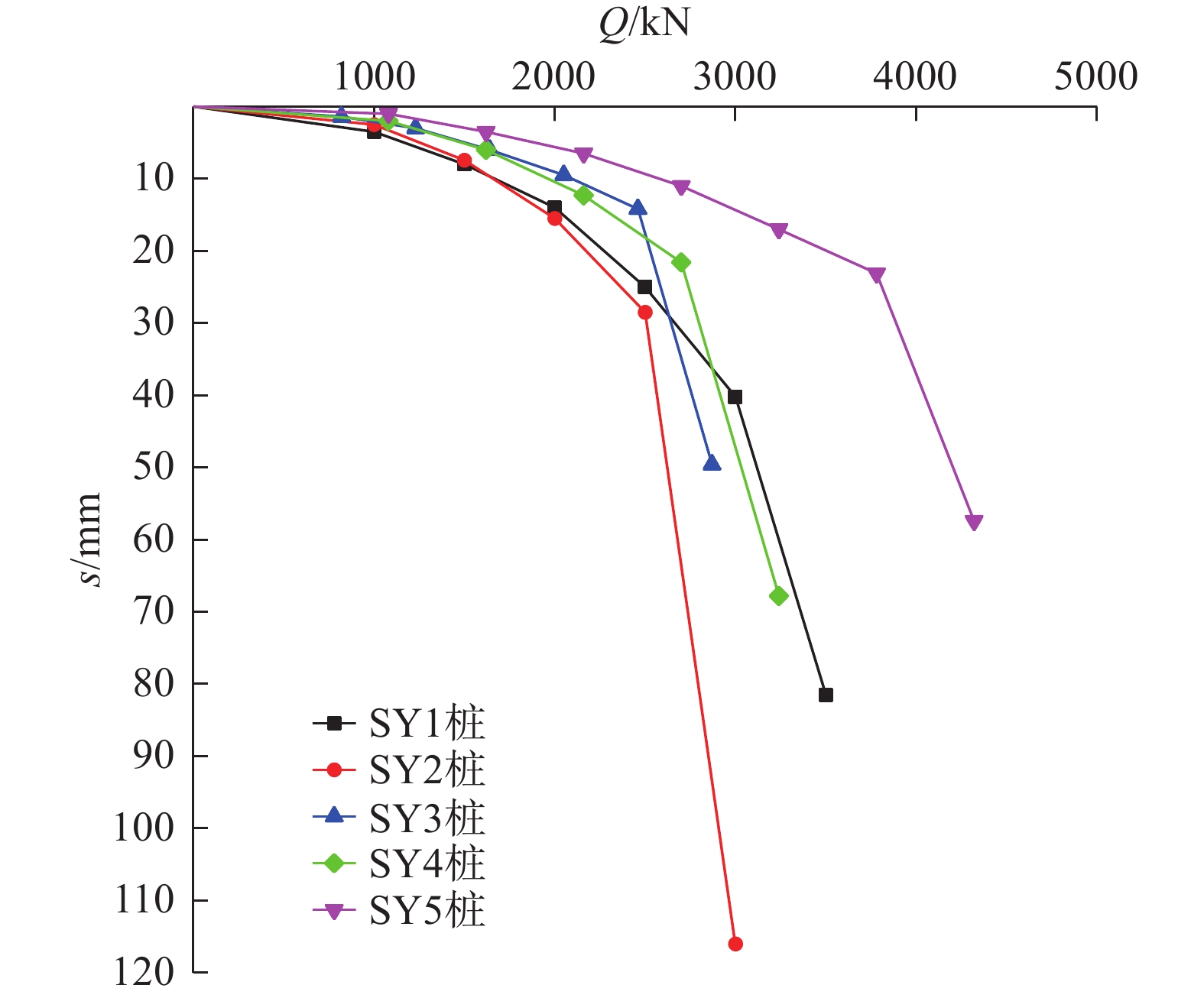
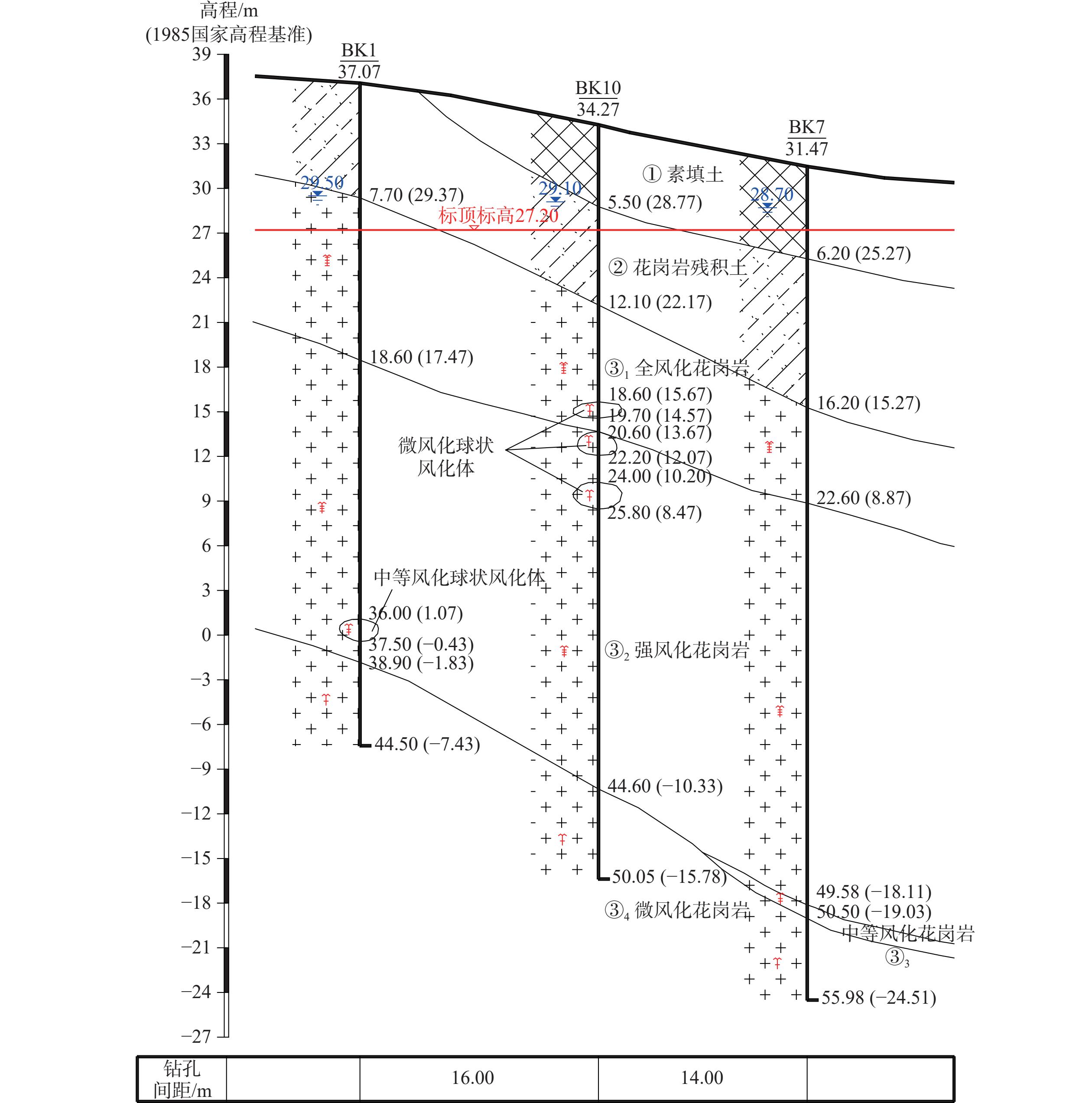
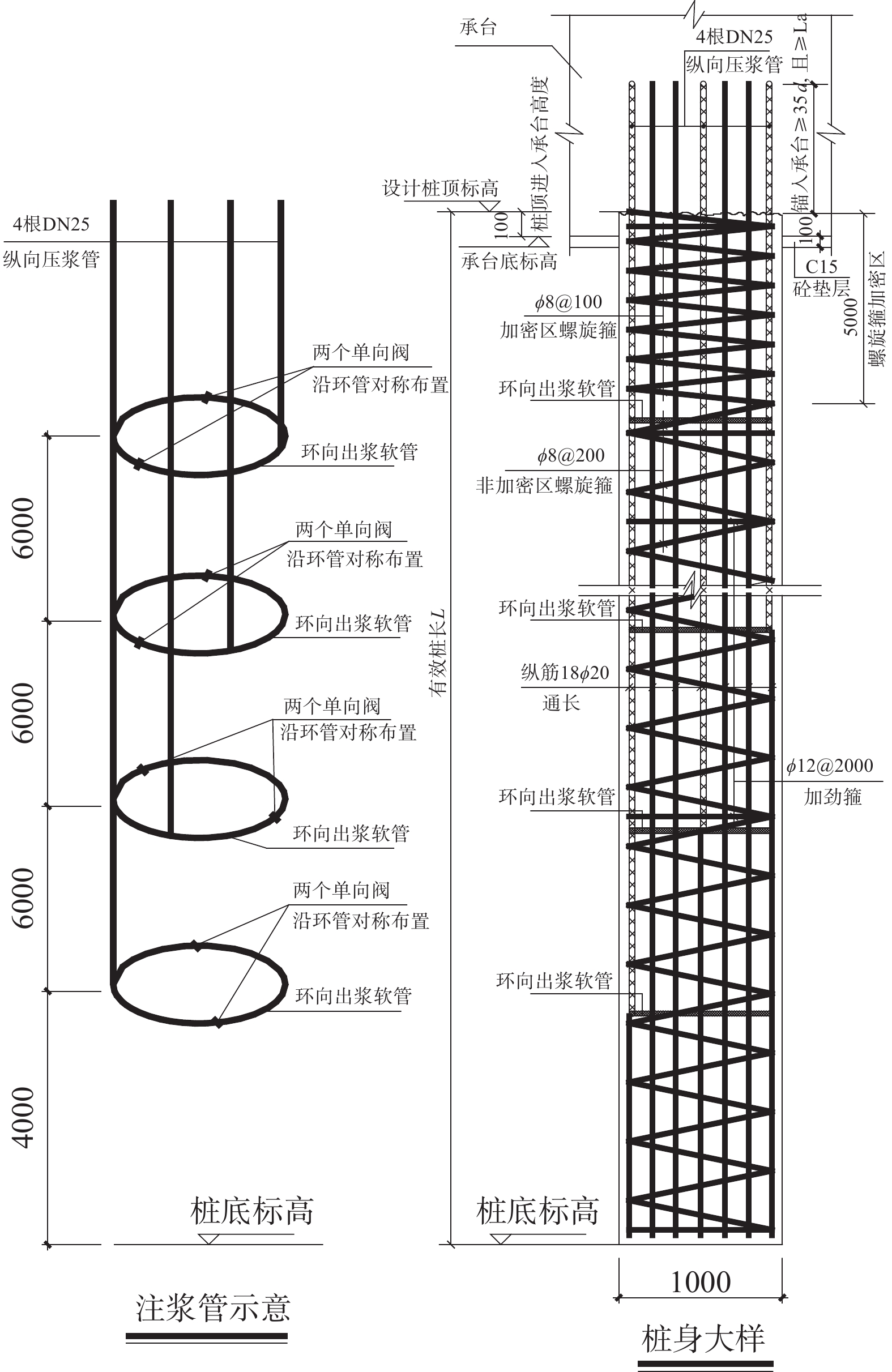
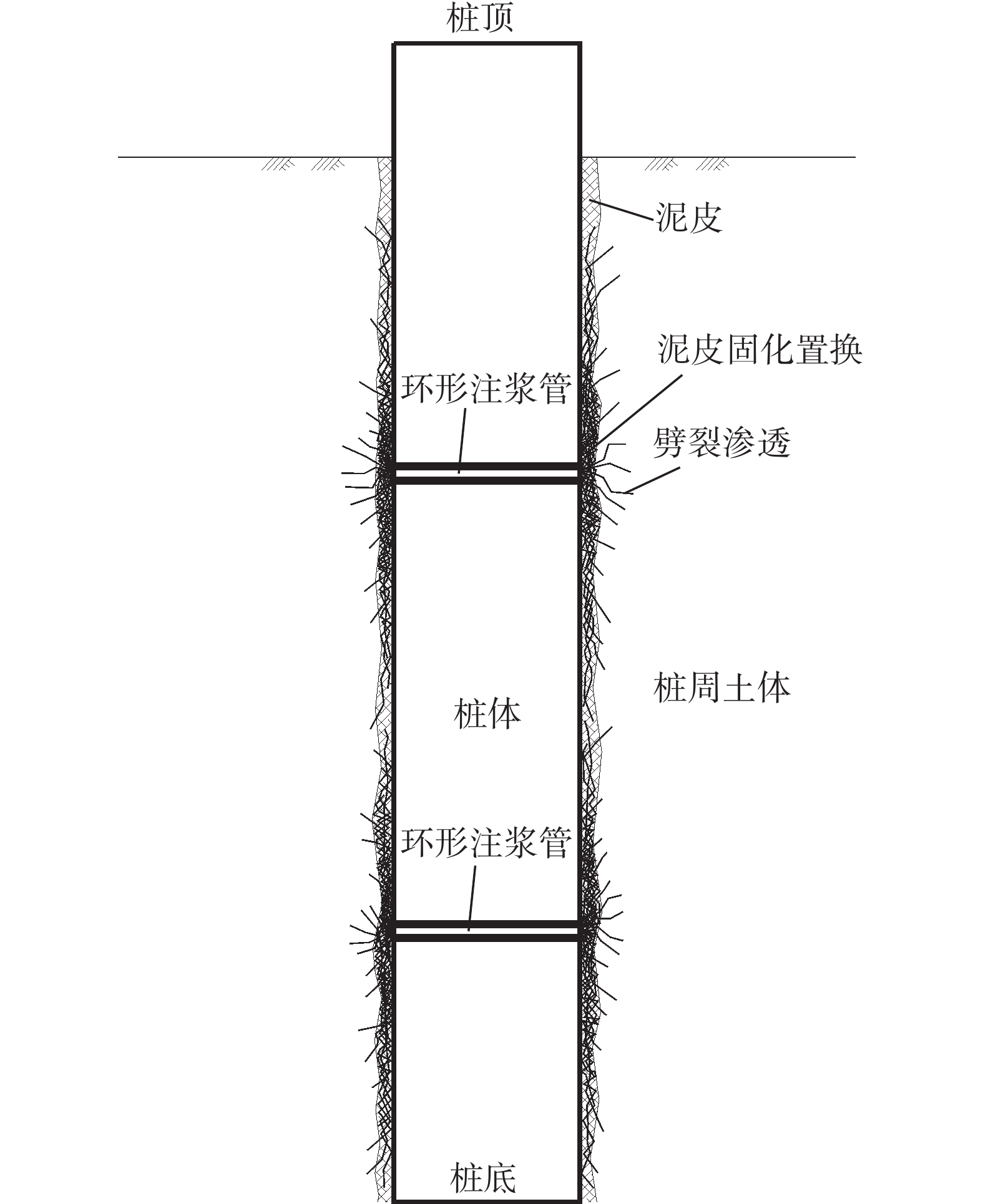
Granite weathered strata are characterized by high sand content, tight clay cementation, and easy softening and disintegration upon contact with water. Bored cast-in-place piles are generally constructed with slurry-supported walls, under which a mud cake will form around the pile shaft. By collecting two engineering cases where bored cast-in-place piles failed to meet bearing capacity requirements, combined with test data and field excavation verification, the characteristics of the mud cake of bored cast-in-place piles in granite weathered strata were summarized. The study shows that the shaft mud cake of bored cast-in-place piles in granite weathered strata has a relativety large thickness and properties similar to soft plastic clay. The shaft resistance is manifested as the resistance between the pile concrete and the mud cake,which exerts a significant impact on the bearing capacity of single piles. Engineering practice demonstrates that pile side post-grouting treatment effectively eliminates the adverse effects of mud cake on side resistance. However, this treatment shows limited reinforcement effect on surrounding soils. After treatment, the pile side resistance can be determined based on the inherent properties of the granite weathered strara itself.
A simplified analysis model for vertical vibration of a single pile in unsaturated soil
LIU Yuanyuan, SUN Jianlin
2026, 40(4): 513-519. doi: 10.20265/j.cnki.issn.1007-2993.2024-0452
Abstract:
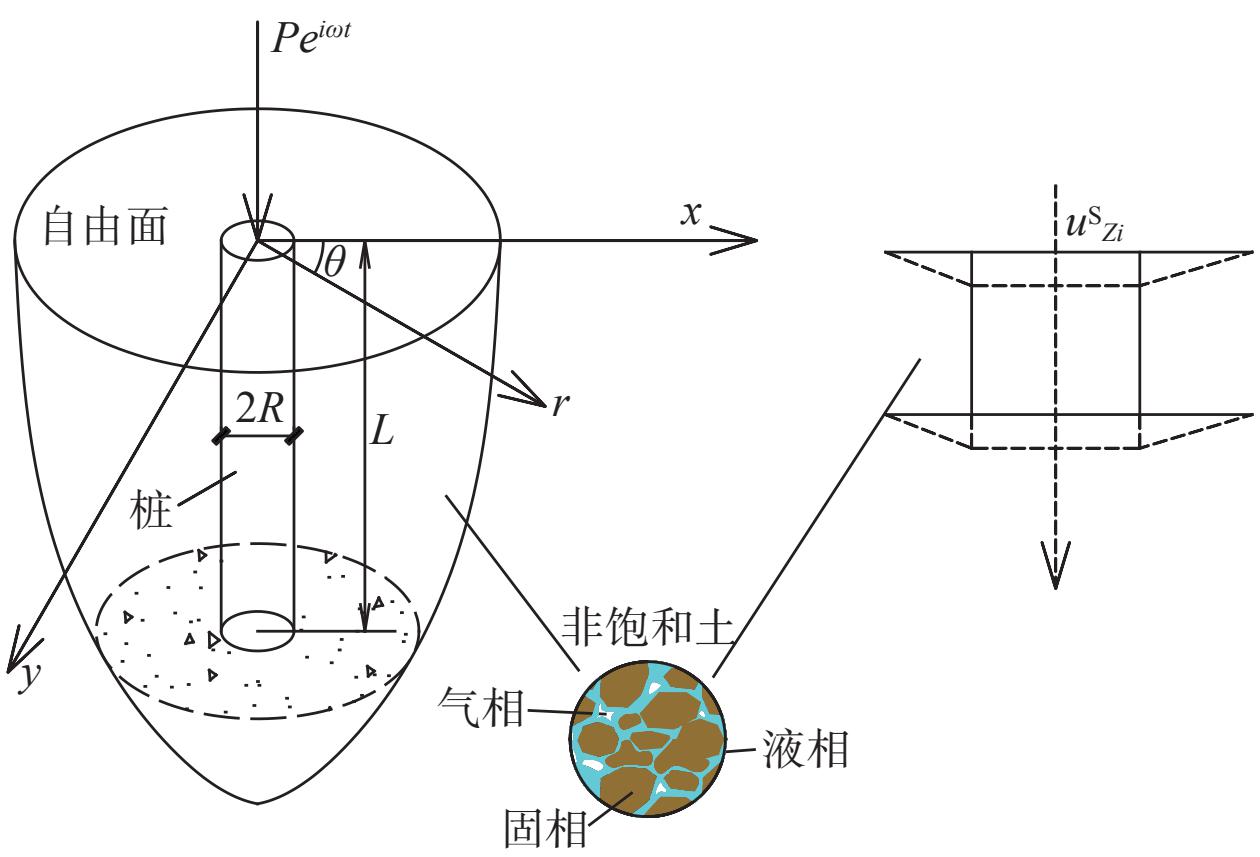
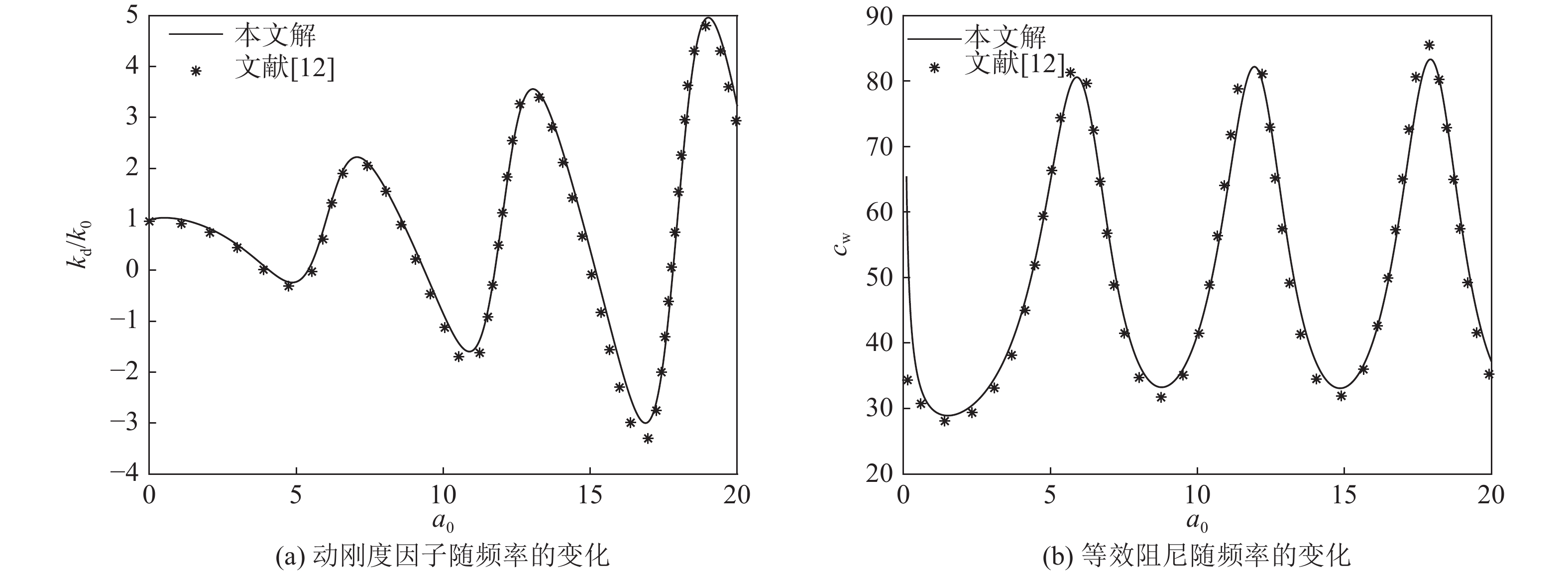
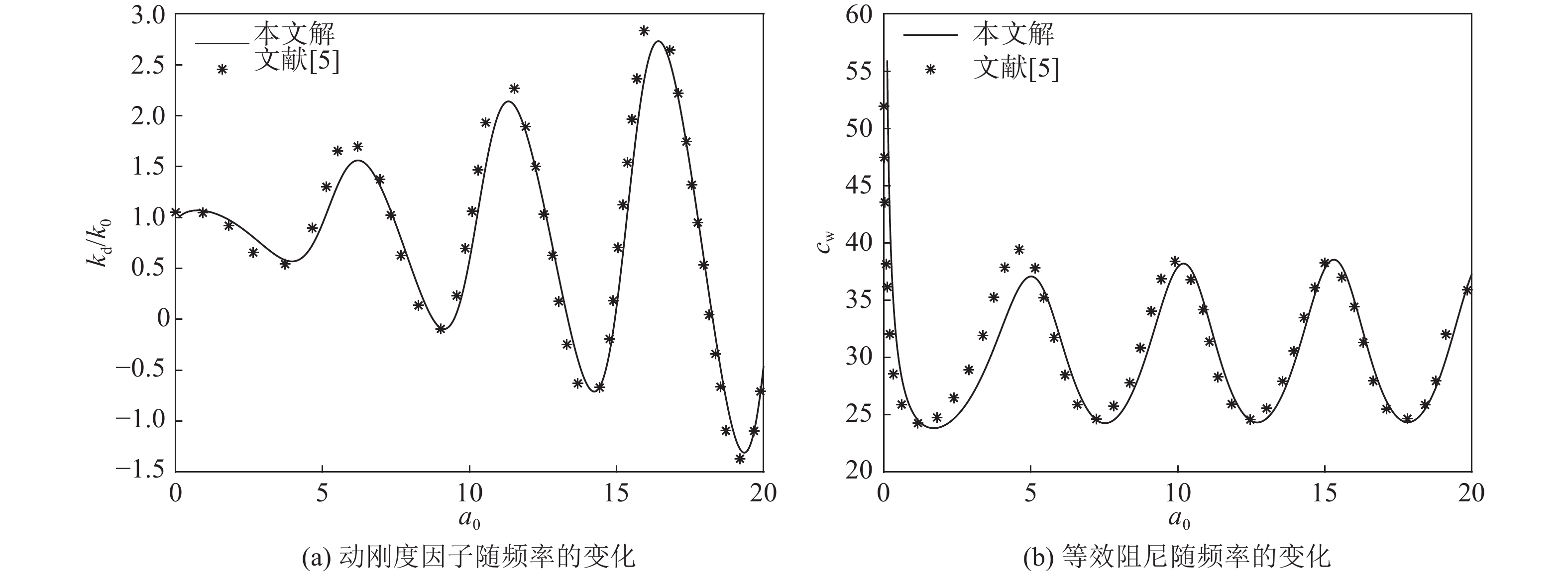
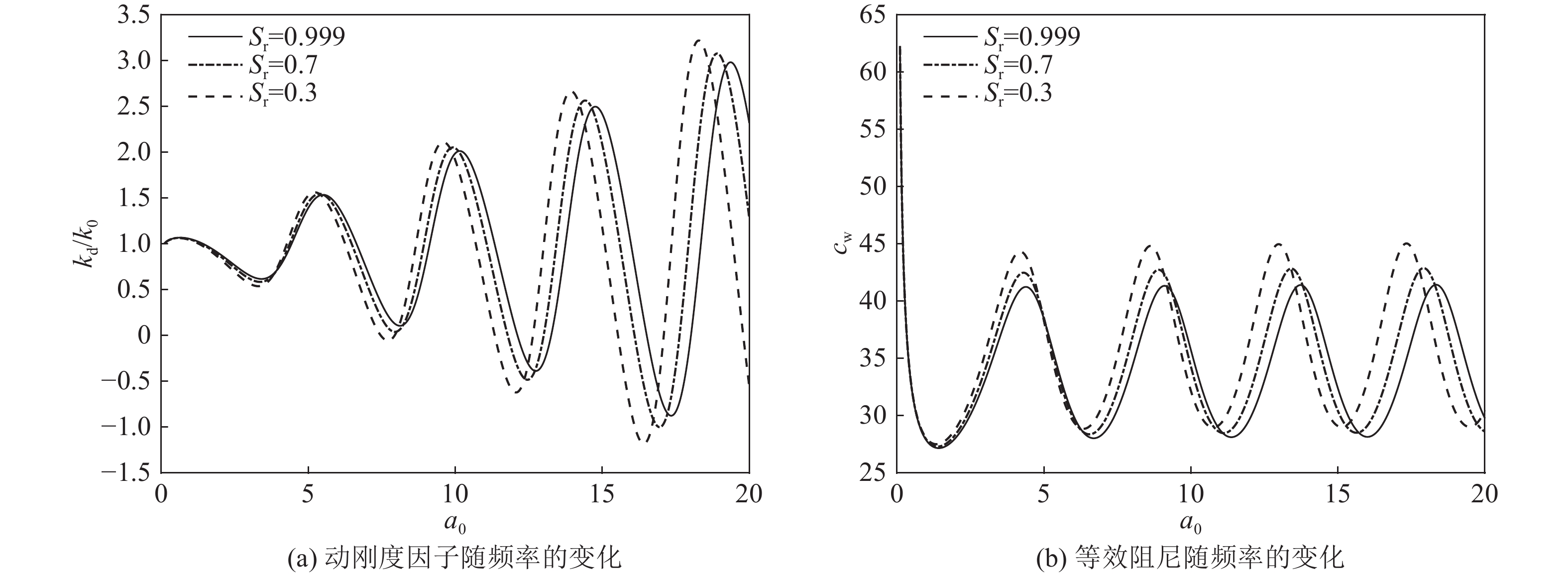
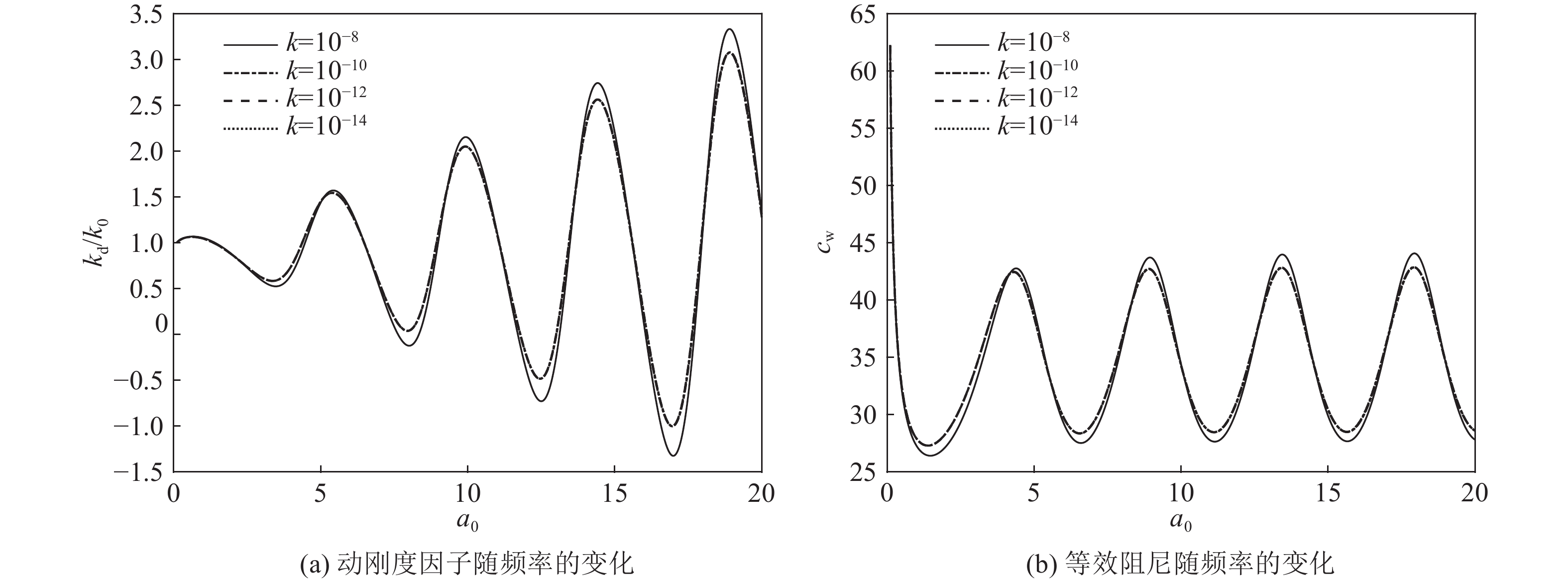
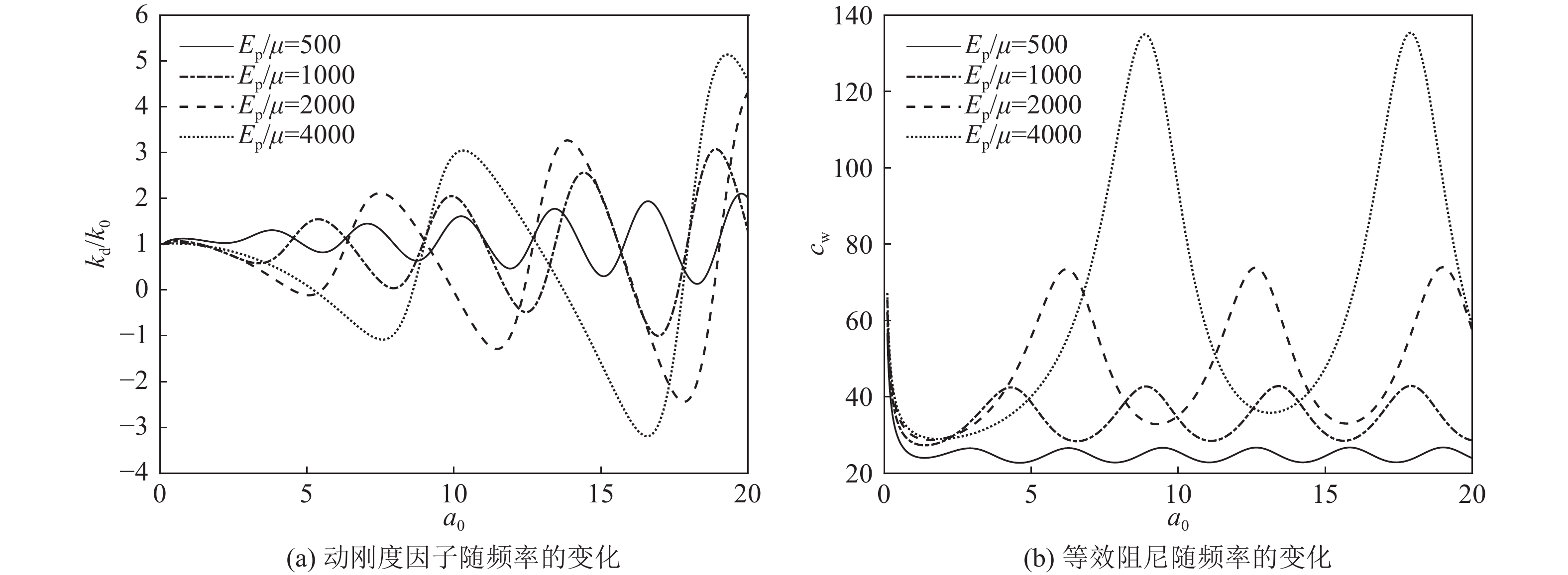
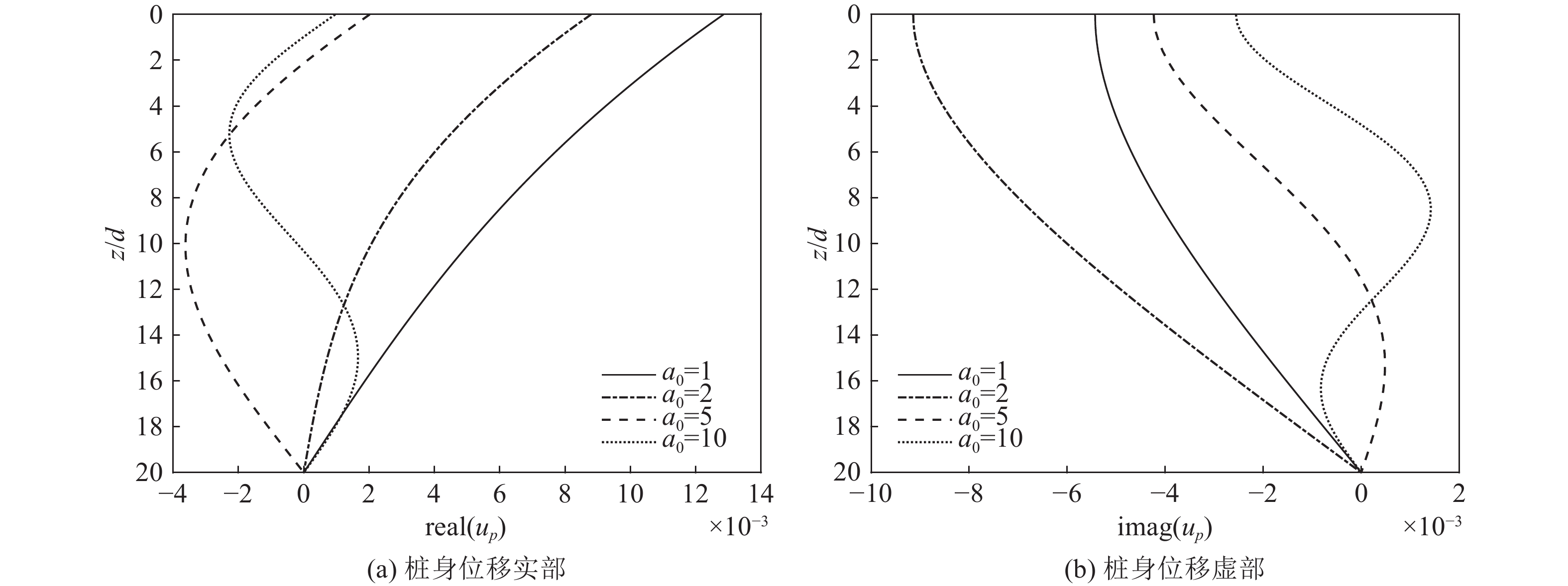
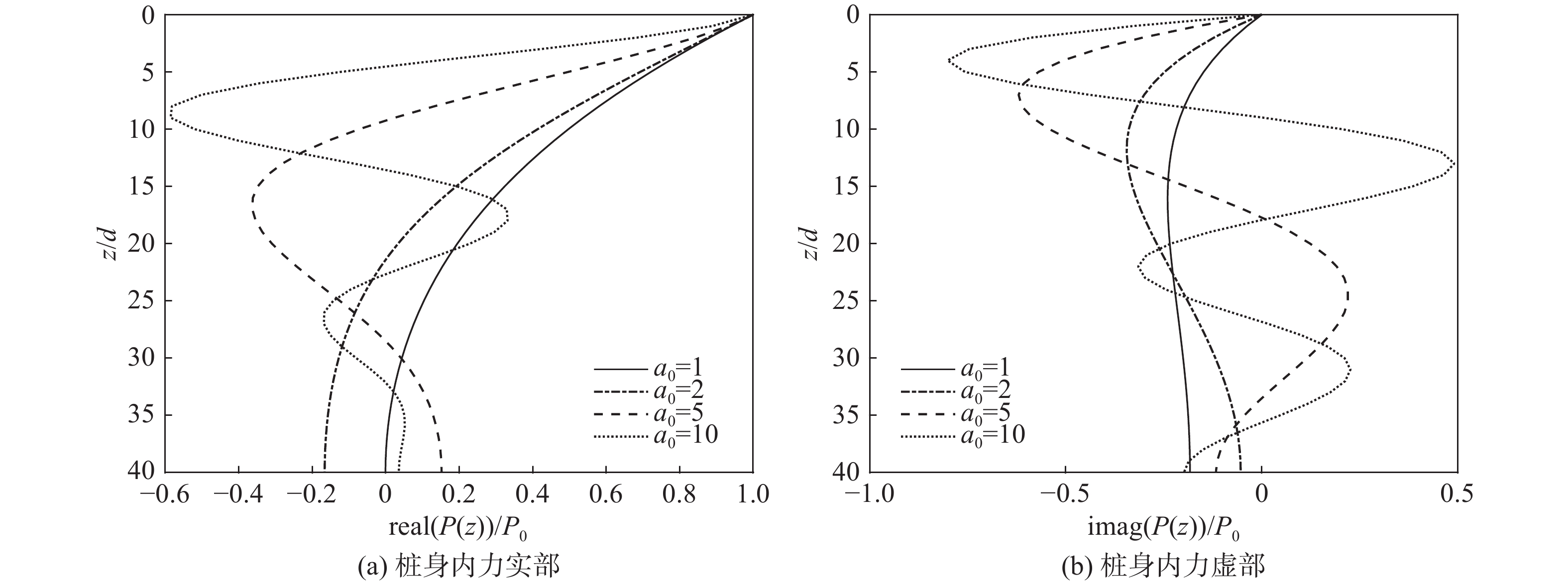
The dynamic response of a single pile in homogeneous unsaturated soil subjected to vertical harmonic load is investigated. The soil around the pile is regarded as a solid-liquid-gas three-phase medium, and a simplified vertical vibration model of a single pile in unsaturated soil under harmonic load is established. The three-dimensional dynamic governing equation of unsaturated soil was simplified by using Novak's thin-layer theory. After solving the vibration impedance factor of unsaturated soil, combined with the boundary conditions of pile and soil, the vibration balance equation of the pile was solved, and the expressions of the complex stiffness at the pile top and the internal force of the pile were obtained. The correctness of the model and solution is verified by comparison calculation, and the influence of relevant parameters on the dynamic characteristics of pile foundation are discussed. The results show that the dynamic stiffness factor increases with the increase of frequency, while the damping factor remains unchanged. The saturation degree has little effect on the stiffness factor and the damping factor, which decreases as the saturation degree increases. The pile-to-soil modulus ratio has a significant effect on dynamic behaviors of pile in unsaturated soil. With the increase of the pile-to-soil modulus ratio, the amplitude of the complex stiffness of pile top and the frequency interval corresponding to the peak value gradually increase. Permeability has little effect on the complex stiffness of pile top. Under different excitation frequencies, the internal force and displacement of the pile shaft vary significantly, and the greater the frequency, the greater the peak value of the displacement and internal force amplitude of the pile shaft.
Mechanism and control of secondary diseases caused by improper seepage control in subway structures
LIU Xiaojun, ZHANG Lei, SUN Xianchun, ZHANG Qinzhi, WANG Yunlong
2026, 40(4): 520-525. doi: 10.20265/j.cnki.issn.1007-2993.2025-0243
Abstract:
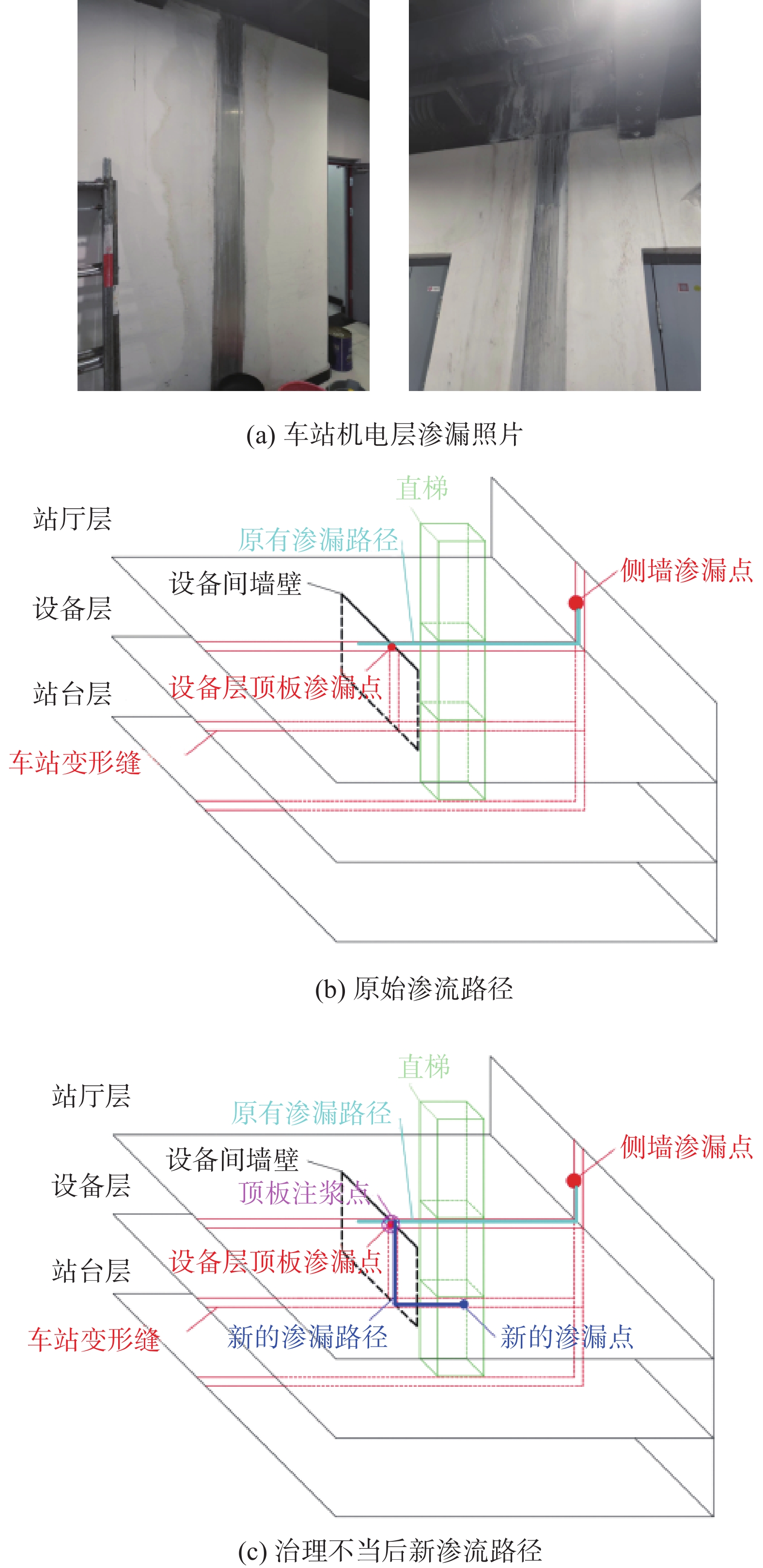
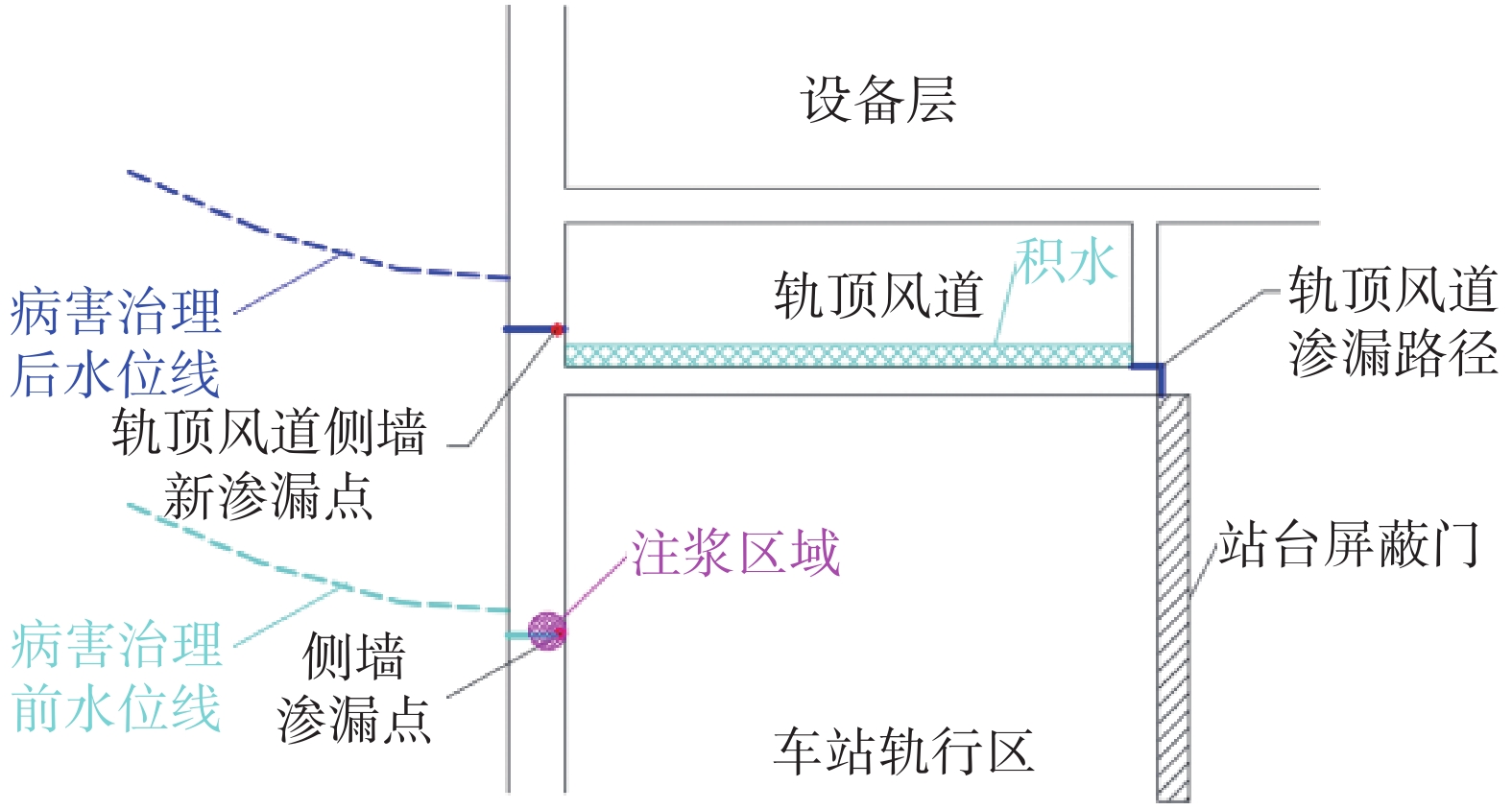
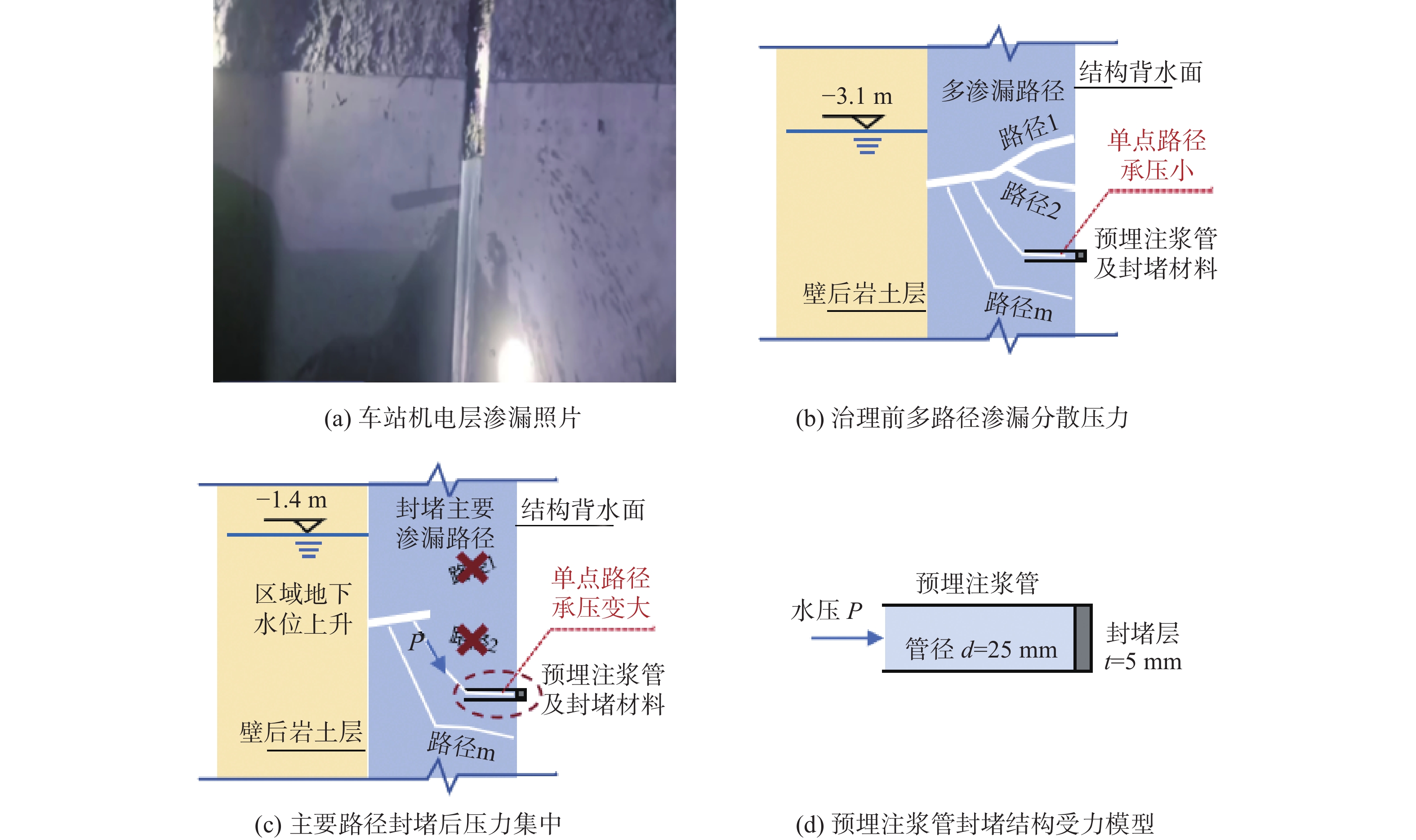
Subway leaks are a common disease that threatens operational safety, especially in areas where groundwater levels rise significantly. If leakage control does not fully consider changes in seepage paths, groundwater levels and water pressure, secondary diseases may easily occur. This paper takes the leakage control project of Beijing subway operating lines as a case to analyze three types of secondary diseases caused by improper management (only blocking downstream points without blocking water sources, not monitoring peripheral water level changes after treatment, and ignoring the pressure bearing capacity of existing weak points): changes in seepage paths lead to the emergence of new leakage points, rising groundwater level causes water inflow into shield doors, and increasing groundwater pressure breaks through pre-buried grouting pipes. Studies have shown that secondary diseases are rooted in the disturbance and imbalance of groundwater movement systems (path-water level-water pressure) caused by management behaviors. It is proposed that leakage control should follow a comprehensive prevention and control strategy of “source control first, path management supplemented, and water level and water pressure monitoring and dredging equally” to provide technical guidance for subway leakage control under similar complex hydrogeological conditions.
Seismic effects of construction sites in Binhai New Area
WANG Peng, LIU Xiaolei, ZHANG Bofu, ZHOU Shichong, WANG Lei
2026, 40(4): 526-533. doi: 10.20265/j.cnki.issn.1007-2993.2025-0077
Abstract:
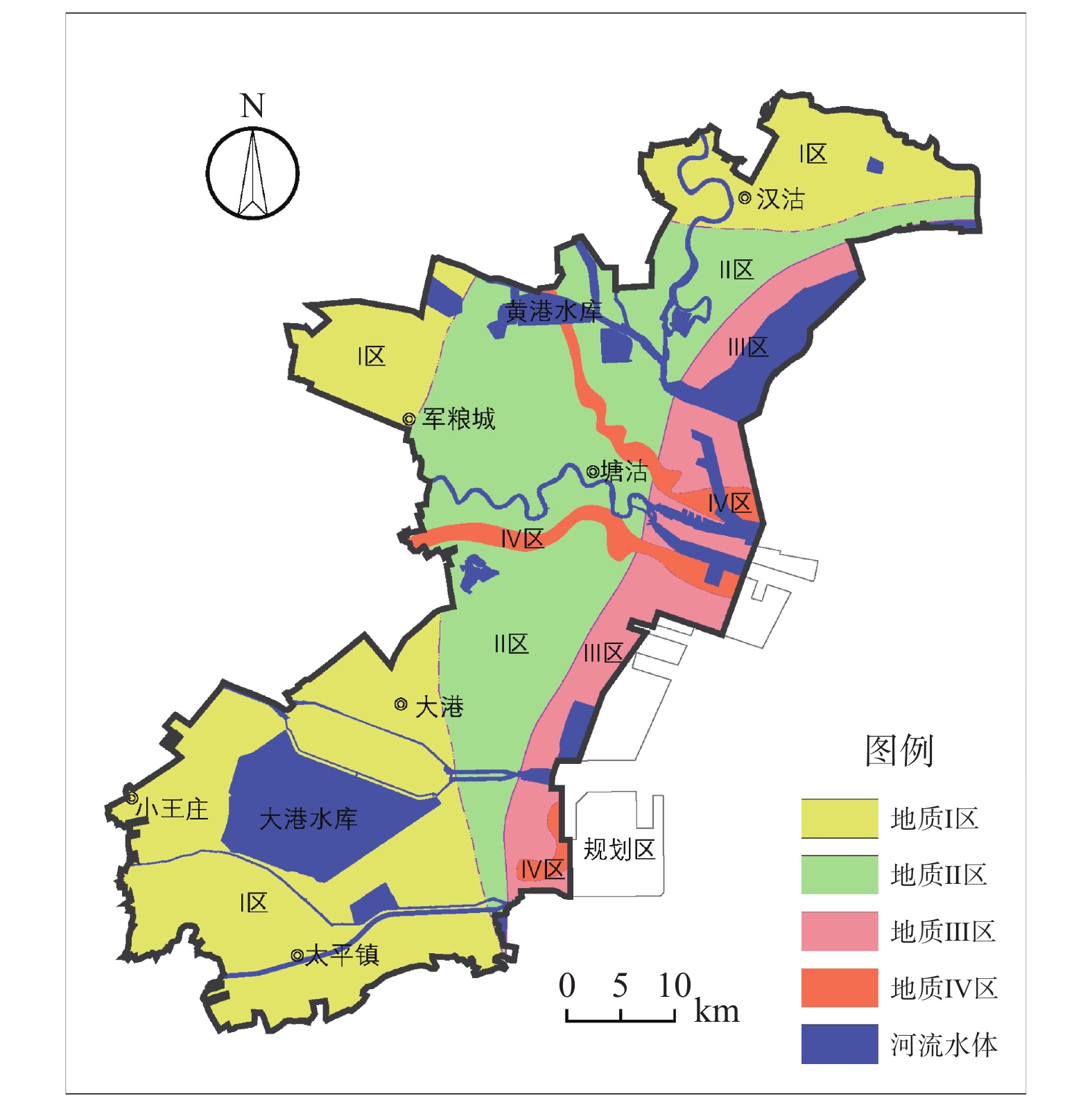
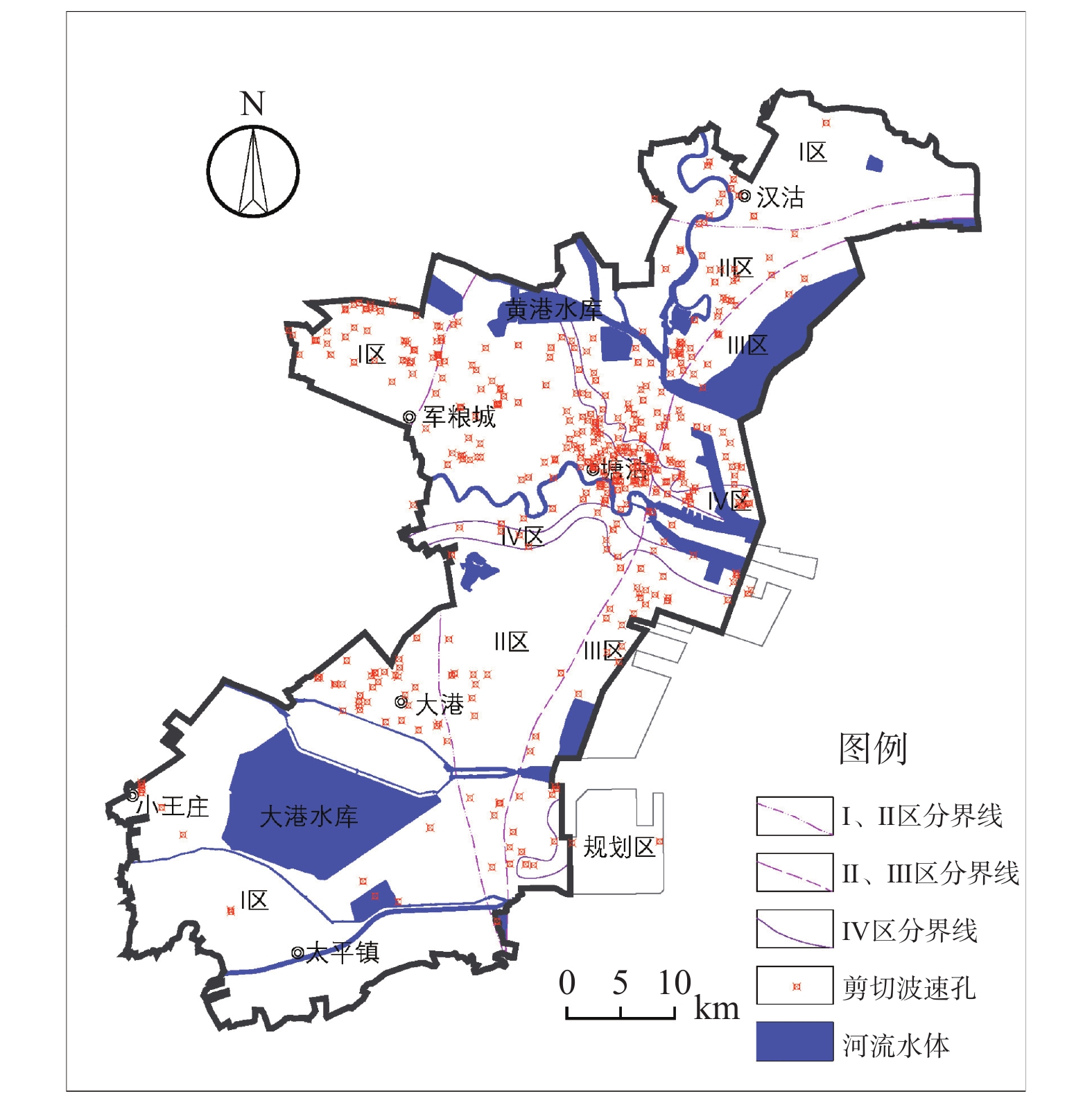
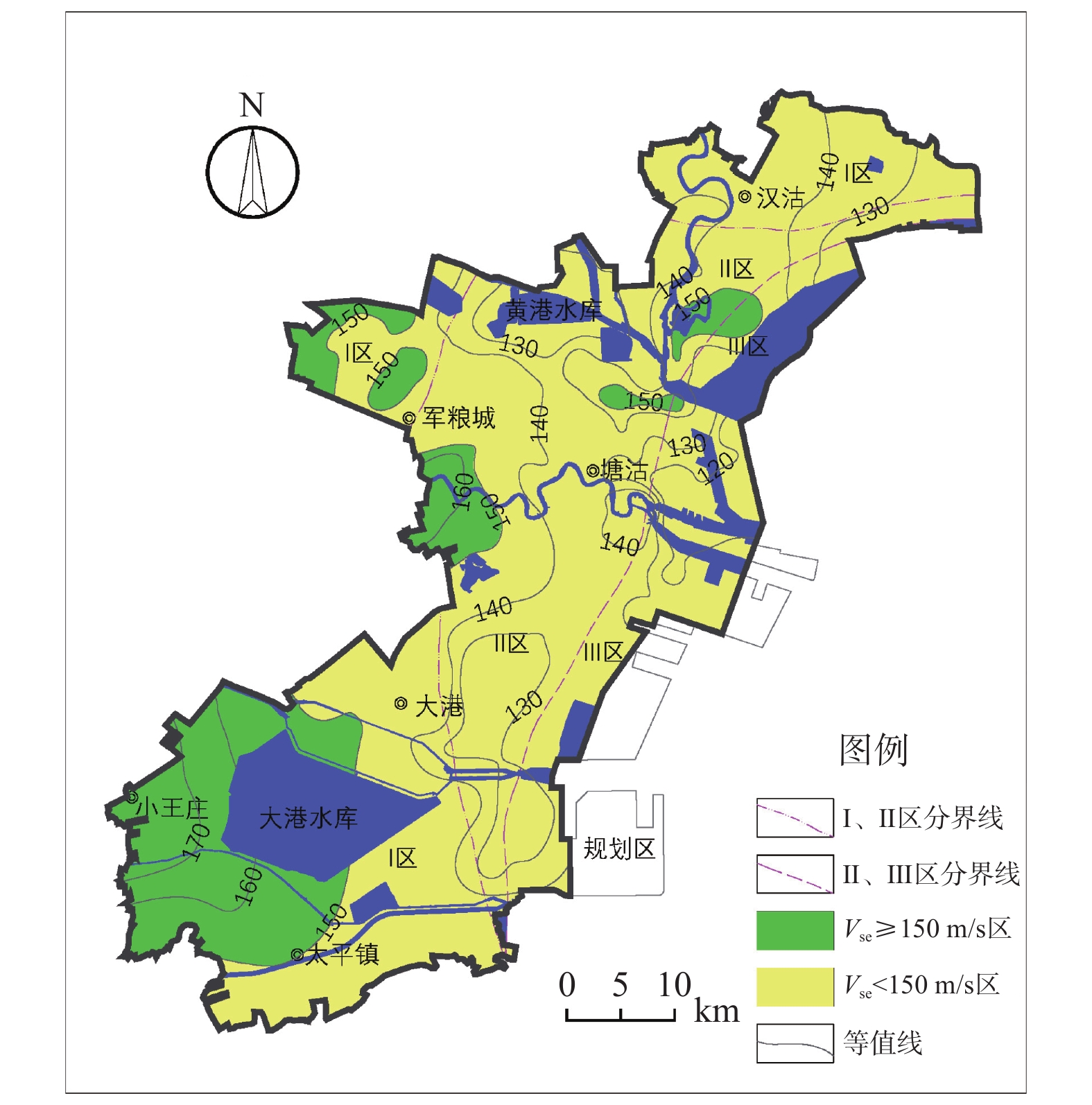
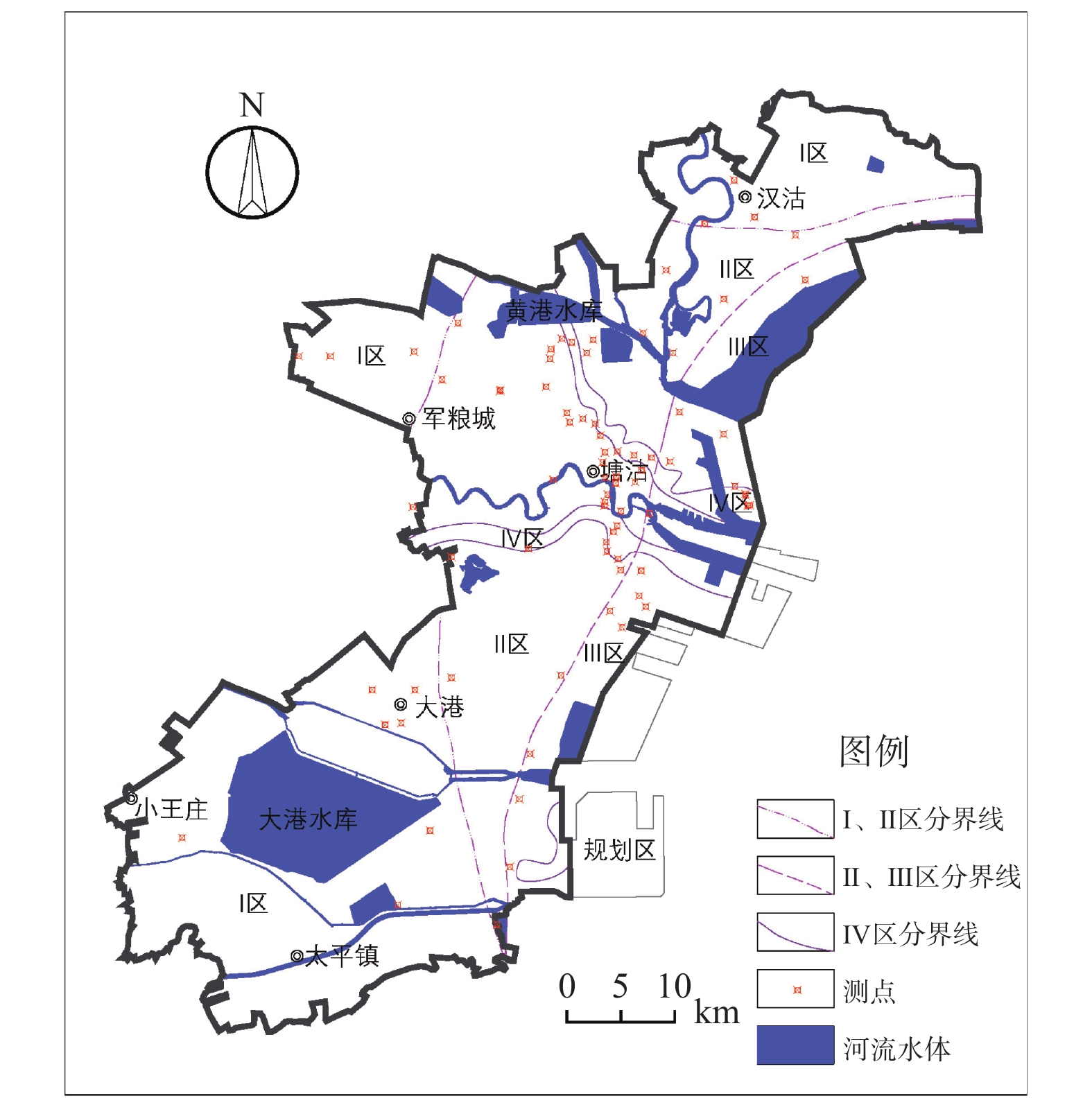
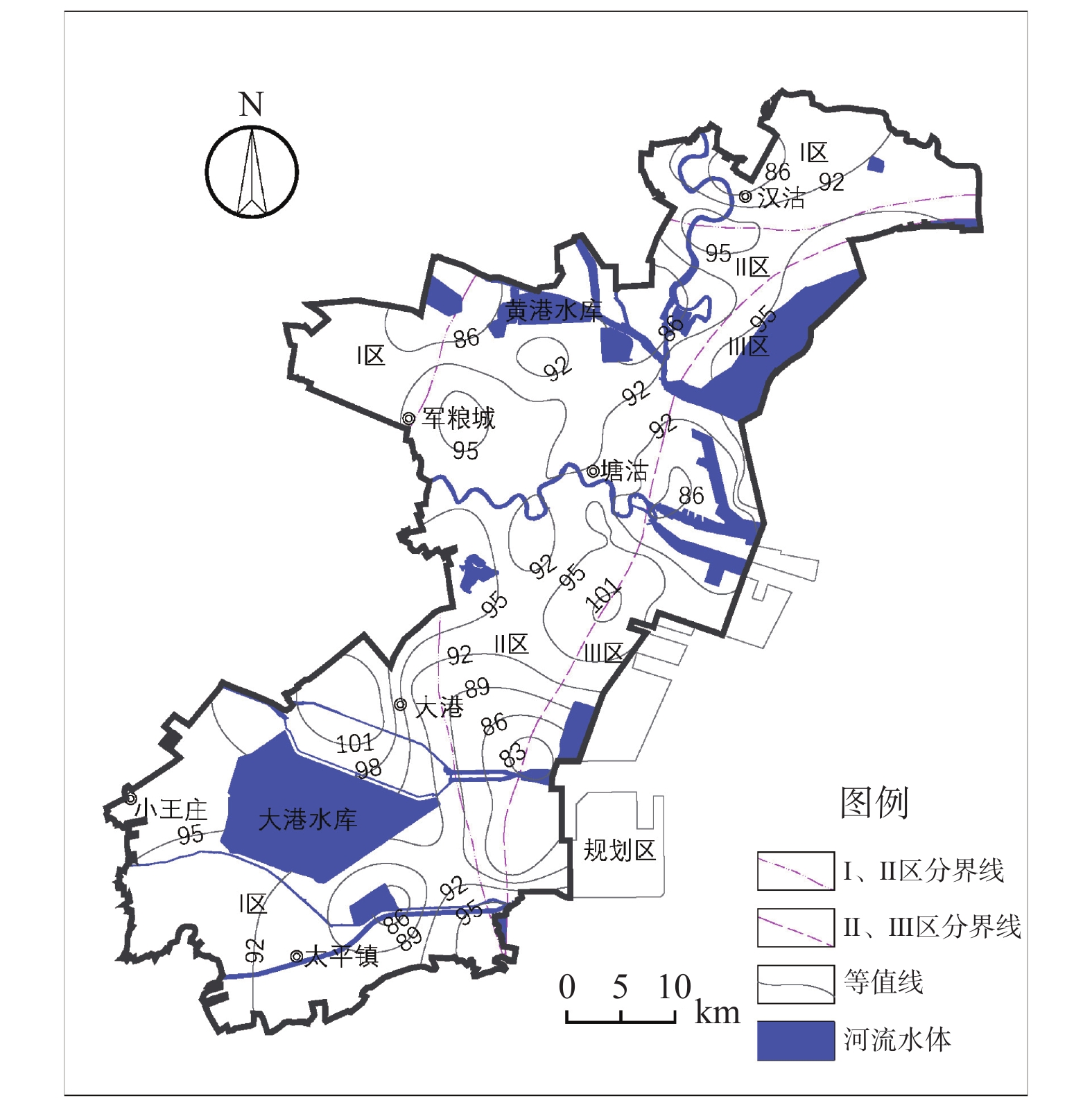
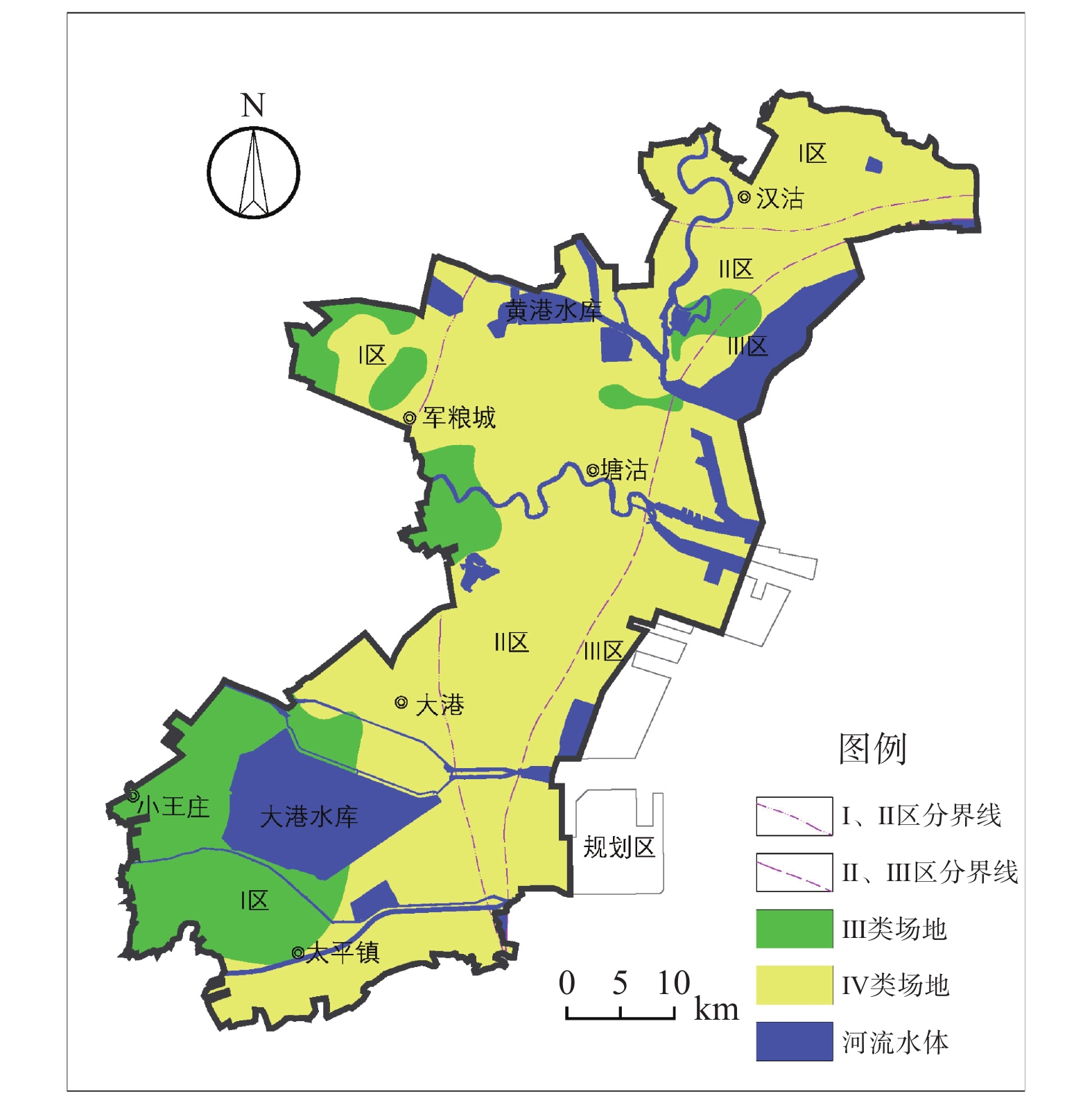
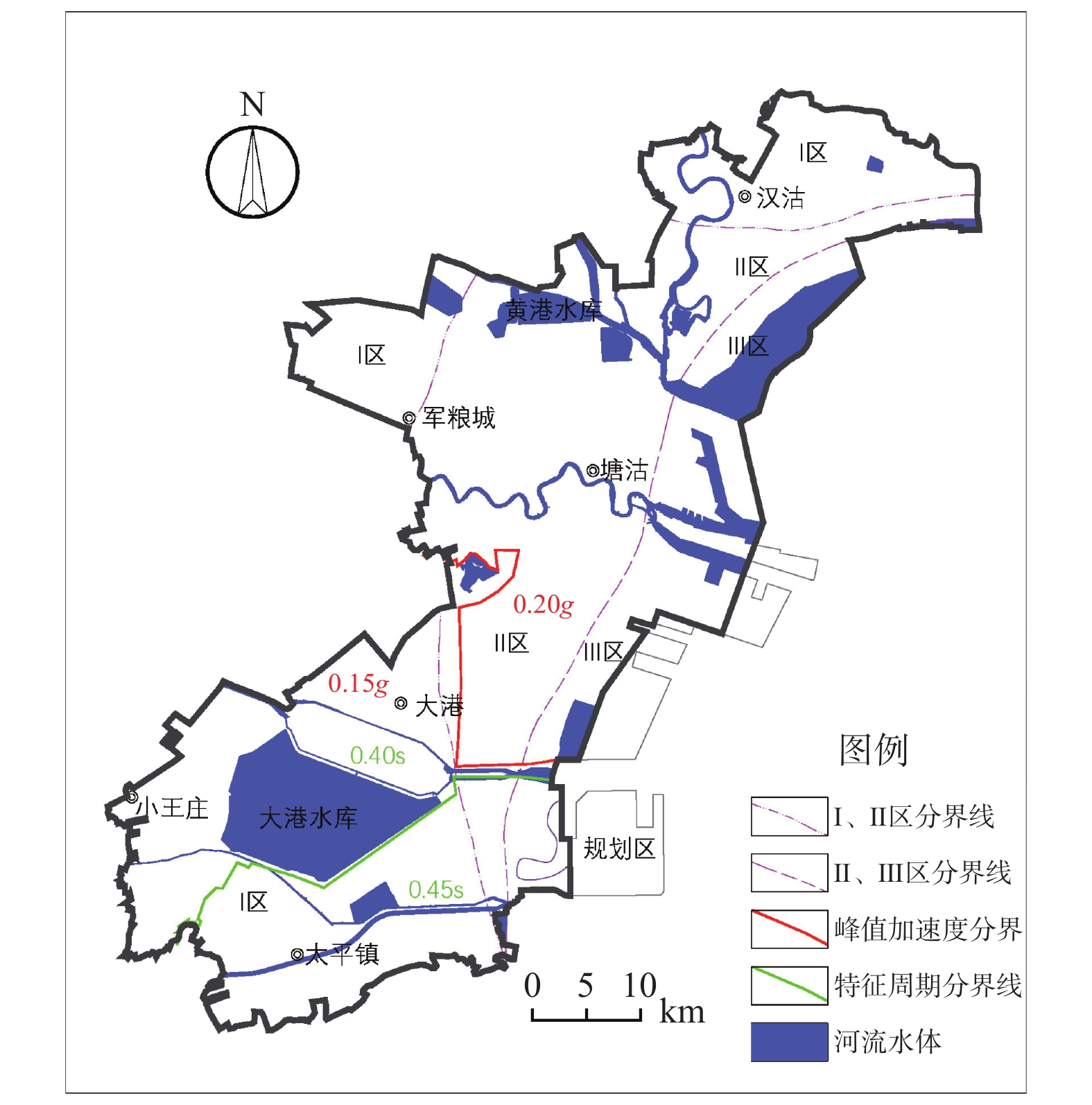
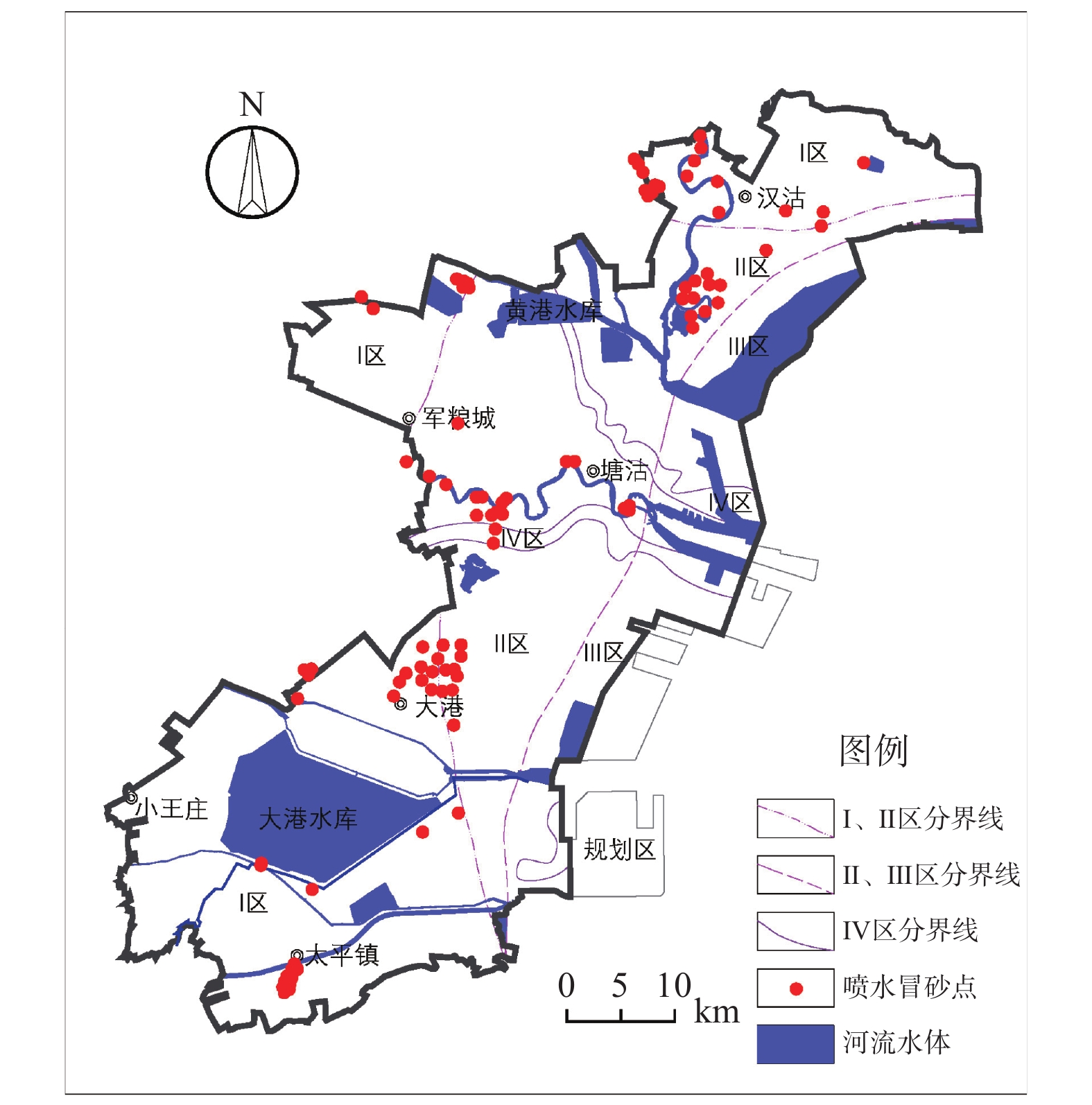
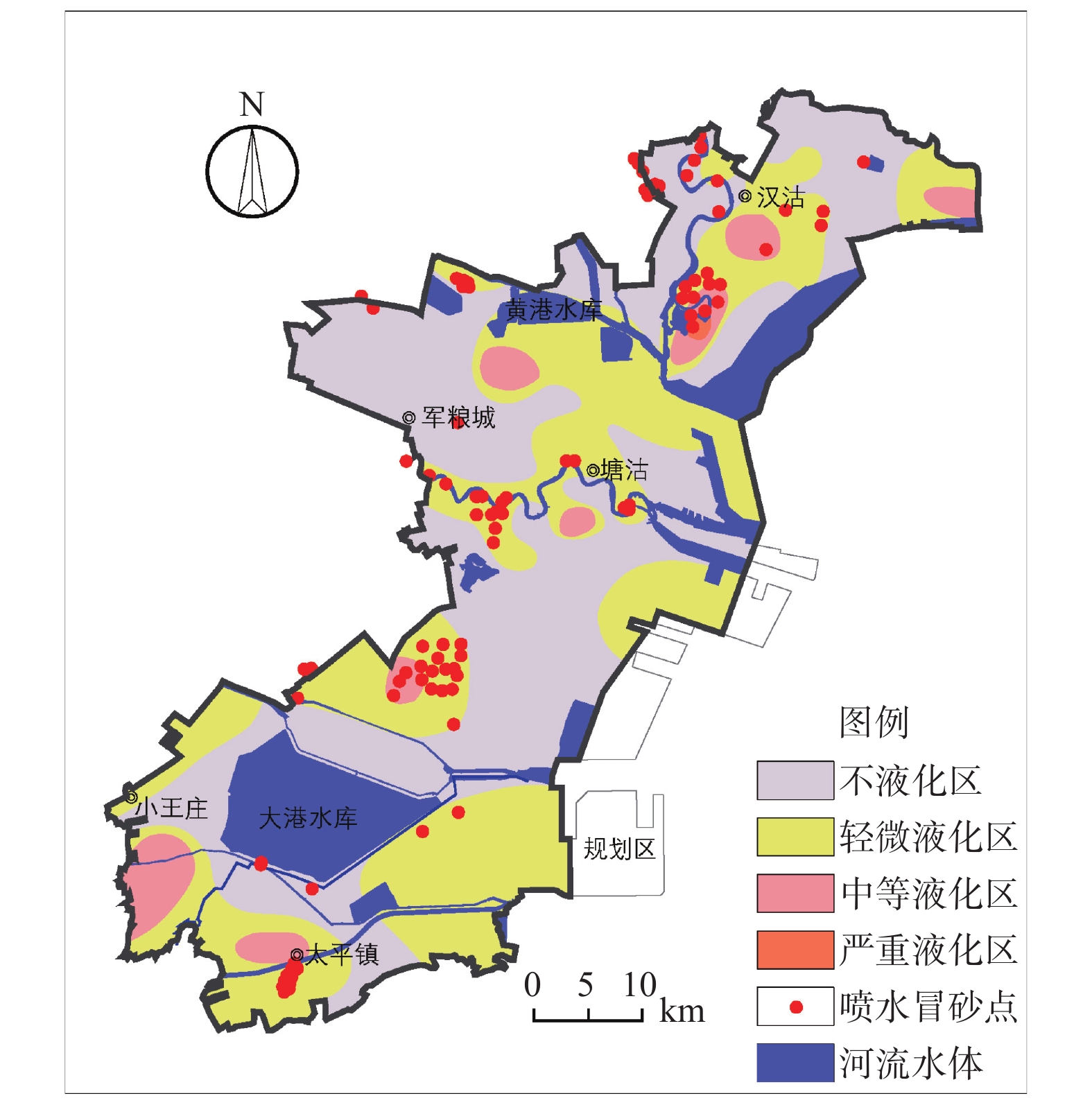
Based on the analysis of the regional geological background of the Binhai New Area, this paper statistically analyzed the equivalent shear wave velocity of foundation soils and the site overburden thickness from more than a hundred projects in the Binhai New Area. It also classified the site categories of the Binhai New Area and provided the distribution range and ground motion parameters for different architectural sites. Furthermore, the paper conducted liquefaction determination for 3932 geotechnical investigation boreholes in the Binhai New Area. By integrating the actual spouting sand investigation points from seismic surveys and the distribution of non-liquefaction investigation boreholes in the Binhai New Area, the paper delineated the distribution range and liquefaction grade zoning of the liquefiable soil layers. The study results indicate: (1) The equivalent shear wave velocity of foundation soil above 20 m depth is generally 140.0~170.0 m/s, corresponding to soft to medium-soft soils. The site overburden thickness is mostly 90~100 m. (2) Most areas in the Binhai New Area are categorized as Class Ⅳ sites, with only the northern Binhai Tourism Area, the western Airport Economic Area, and the area west of Beidagang Reservoir classified as Class Ⅲ sites. (3) Liquefiable zones are primarily distributed in parts of Hangu, Tanggu, and Dagang, with moderate liquefaction areas mainly in the Dagang District, southern Hangu District, Junliangcheng, and near the Haihe River in Tanggu. Severe liquefaction areas are only distributed near the Sino-Singapore Tianjin Eco-City.
Dynamic response of buried pipelines in sandy foundations subject to near-fault pulse-type seismic loading
XIE Zhongwu, ZOU Yi, ZHANG Shun, CAI Guozhen, LI Sen, SONG Laifu, CAI Jiayu
2026, 40(4): 534-541. doi: 10.20265/j.cnki.issn.1007-2993.2025-0126
Abstract:
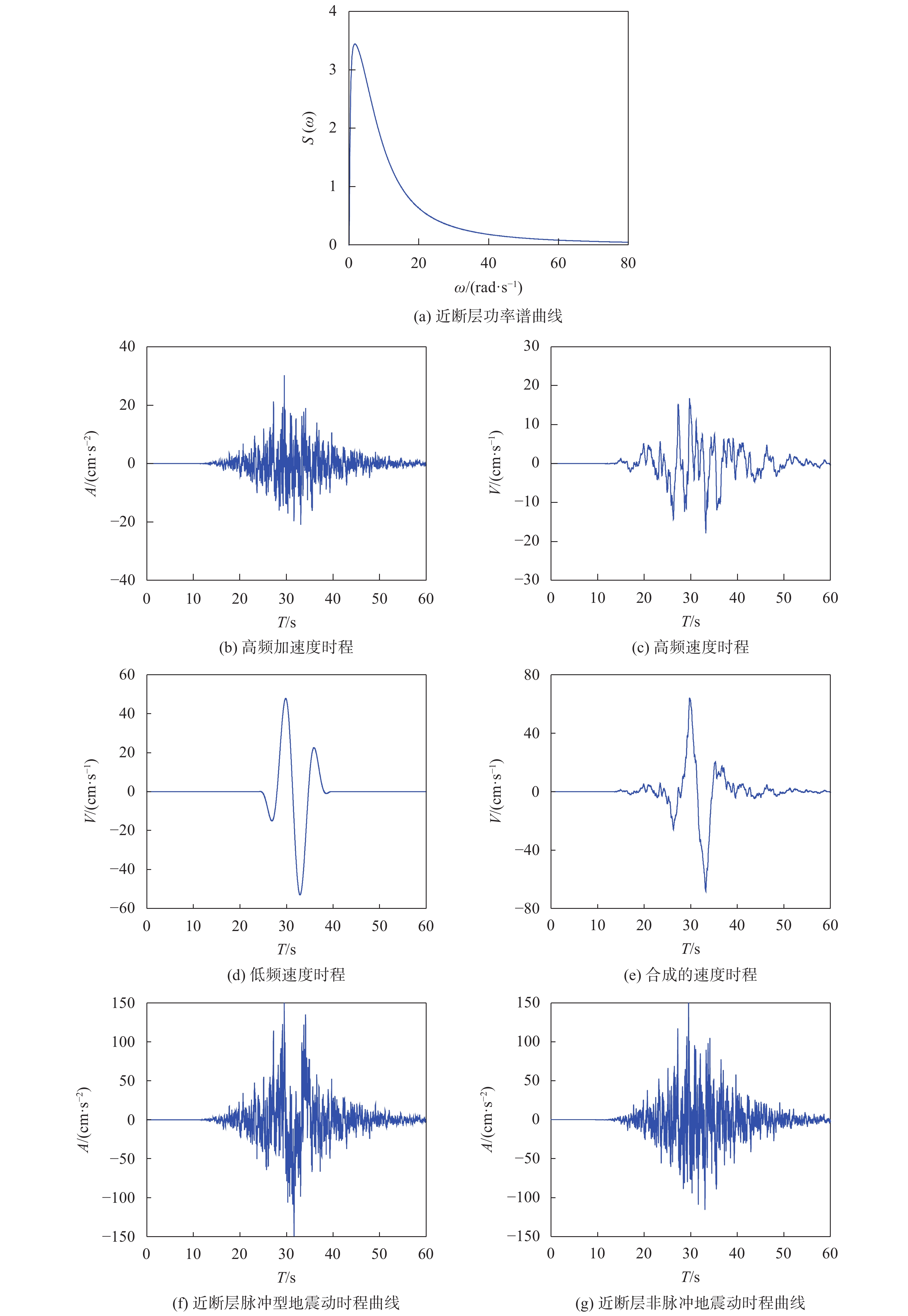
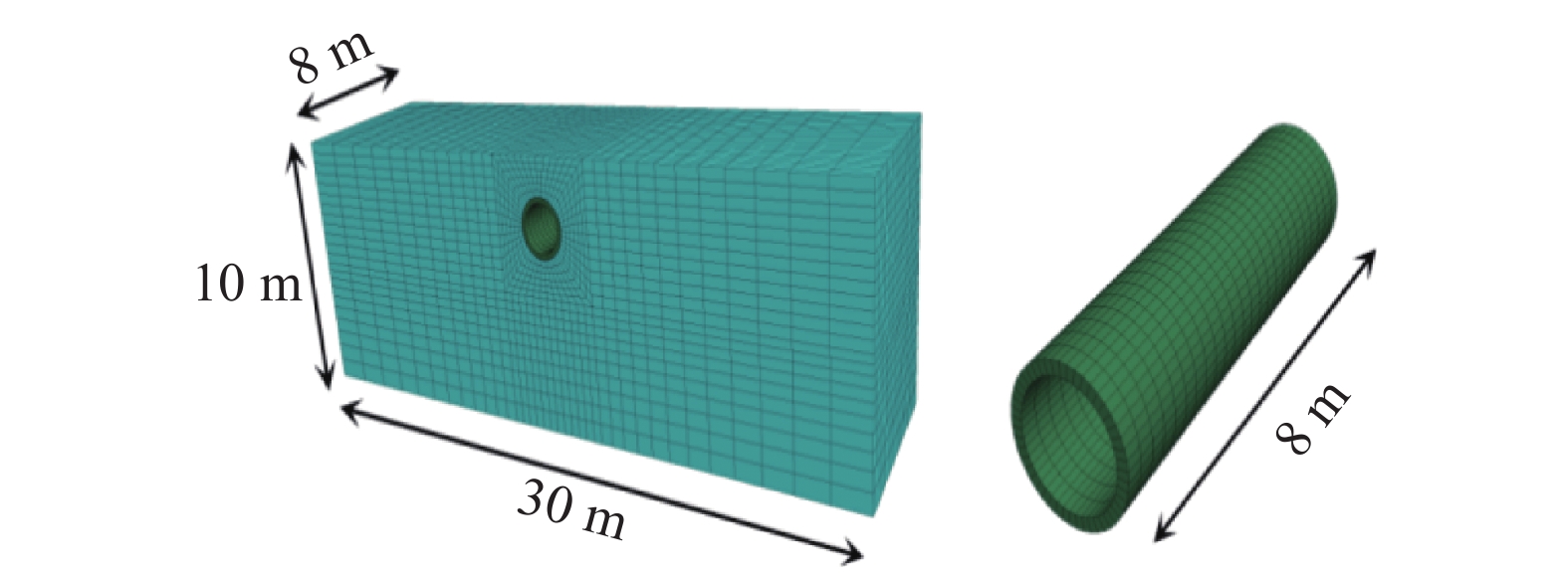
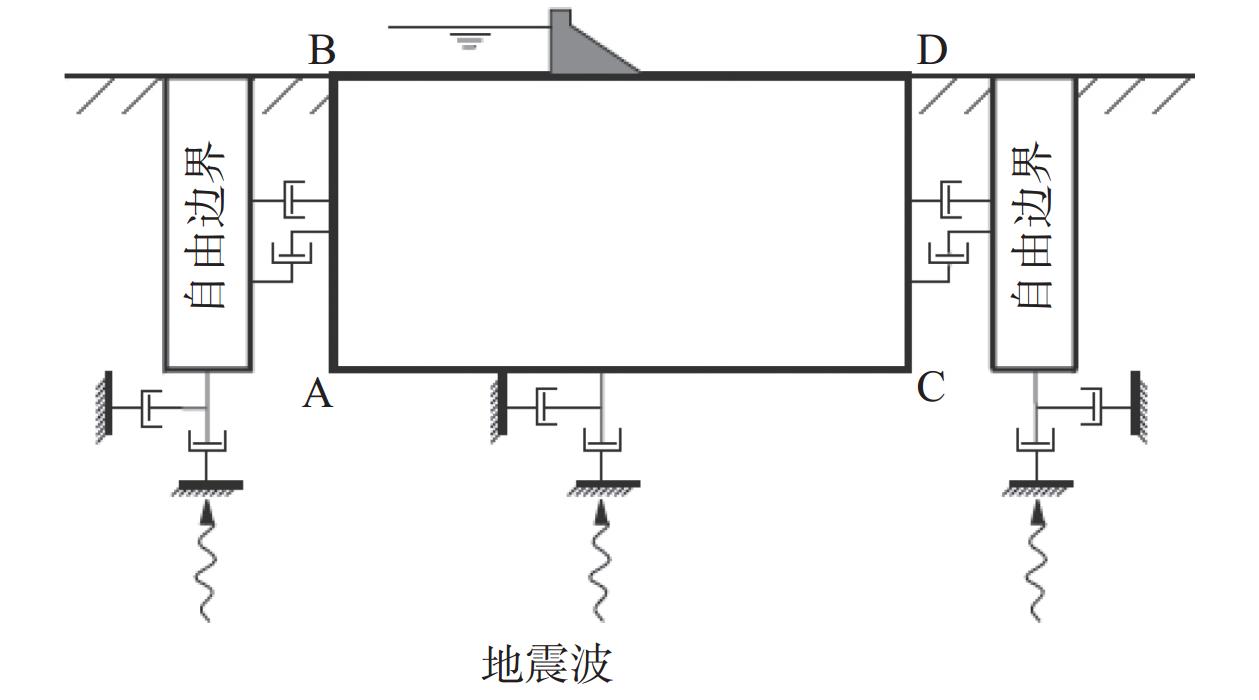
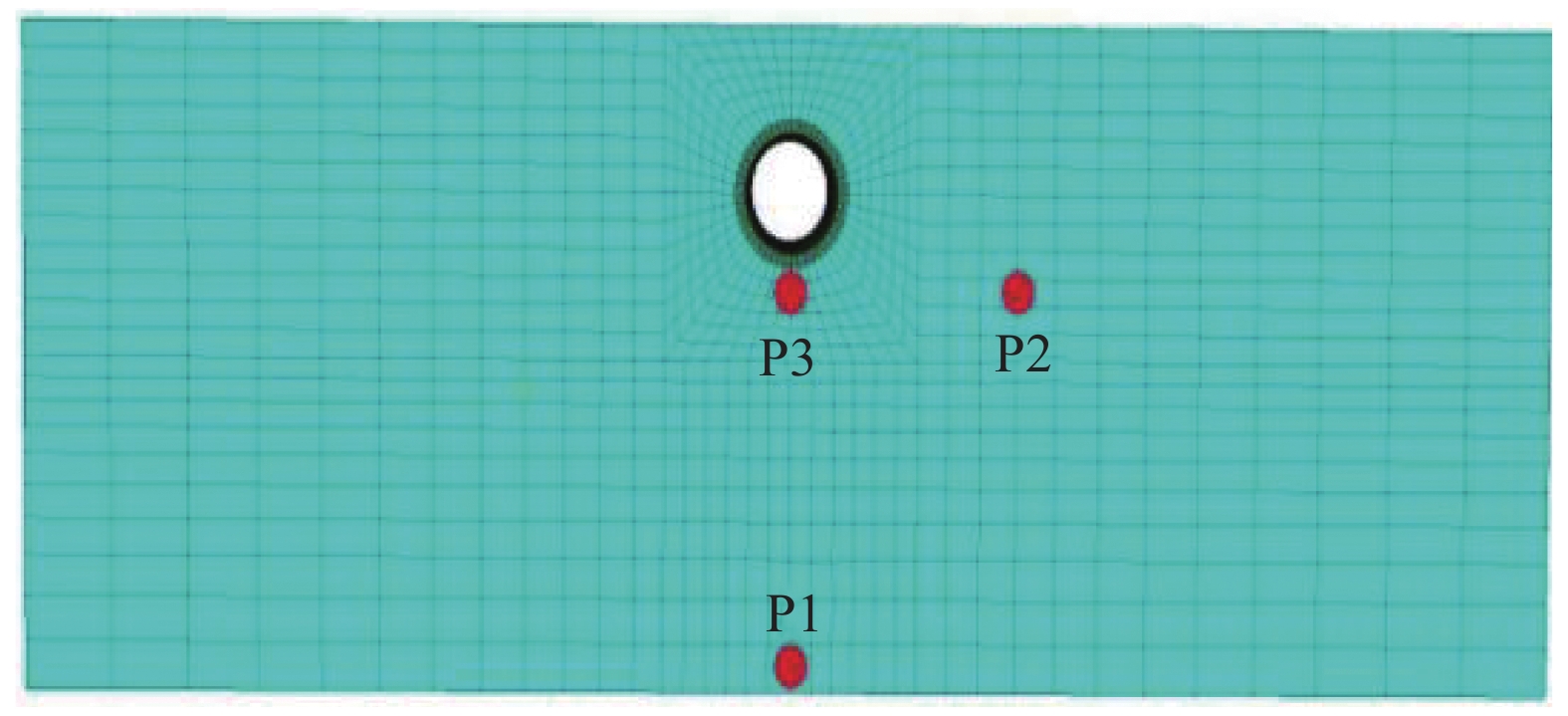
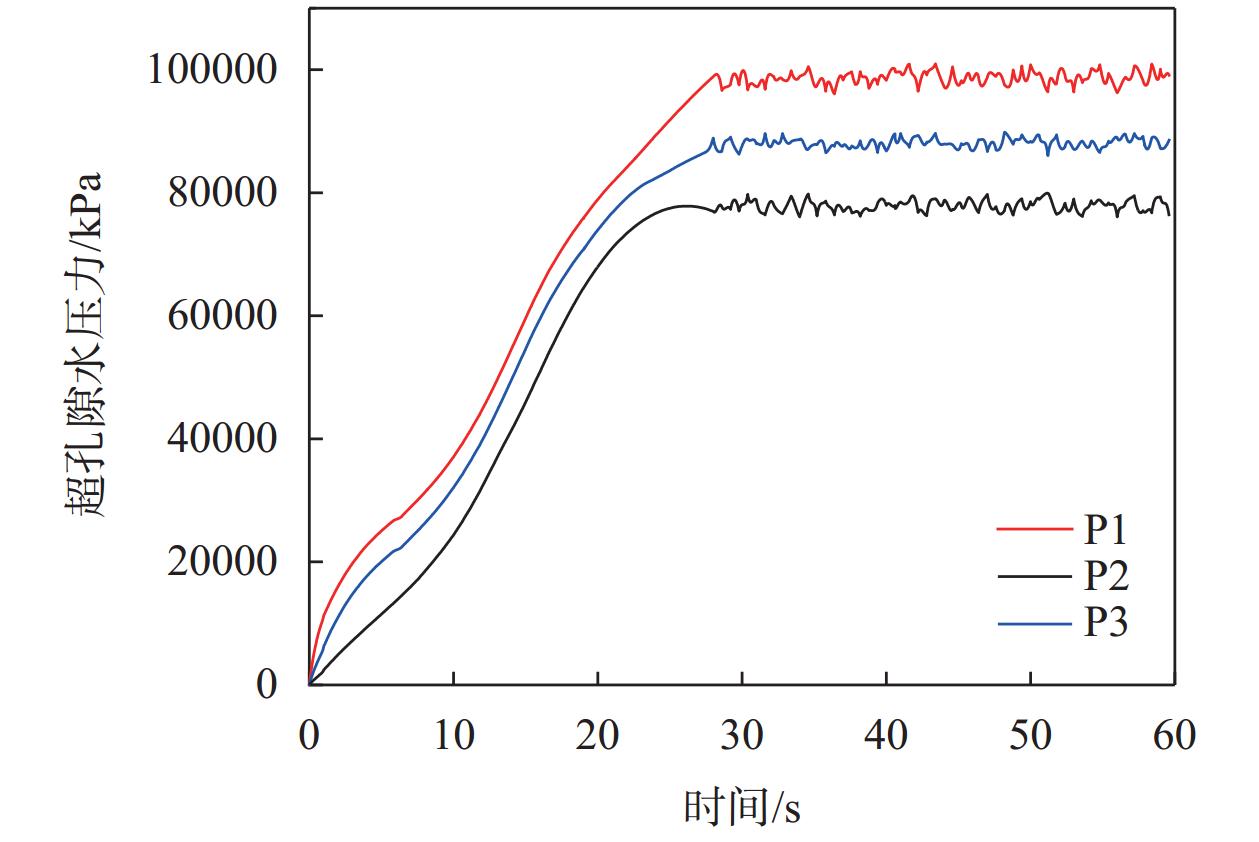
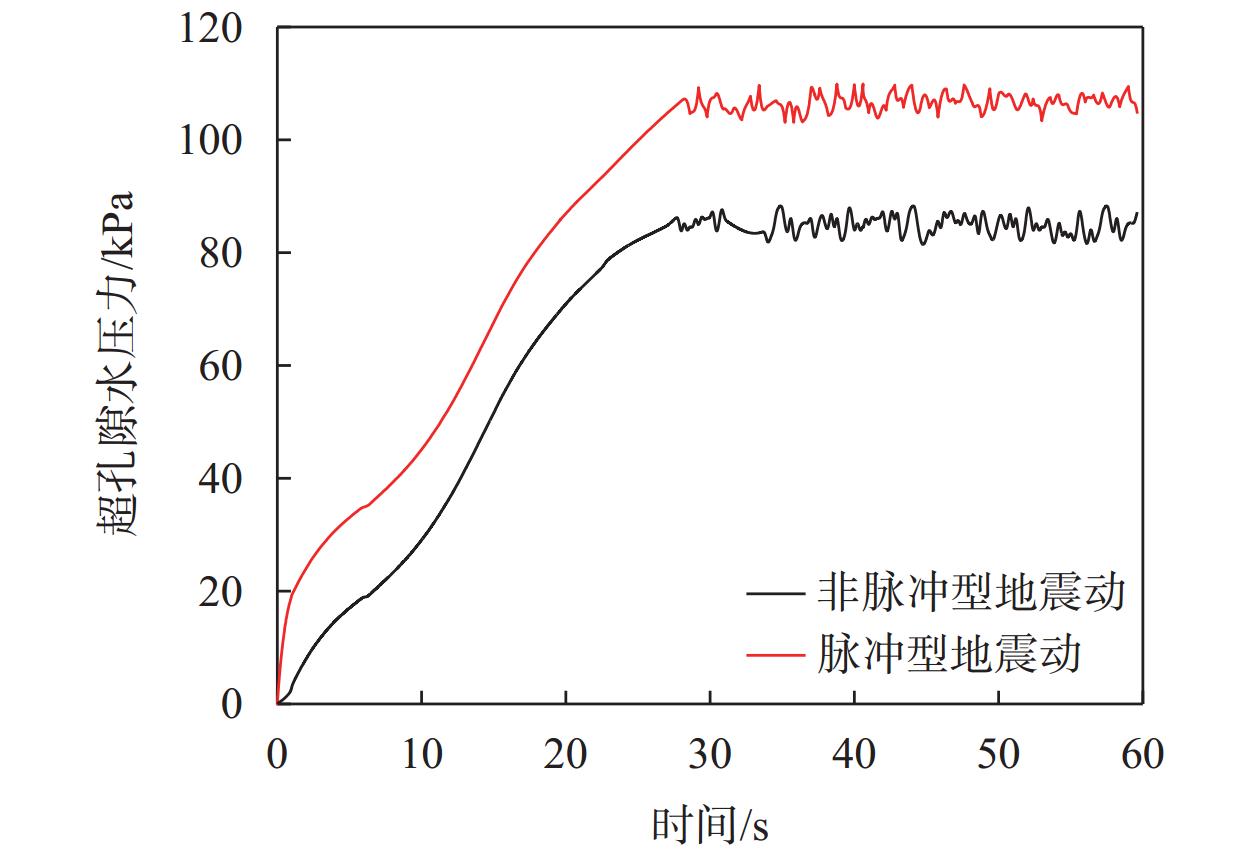
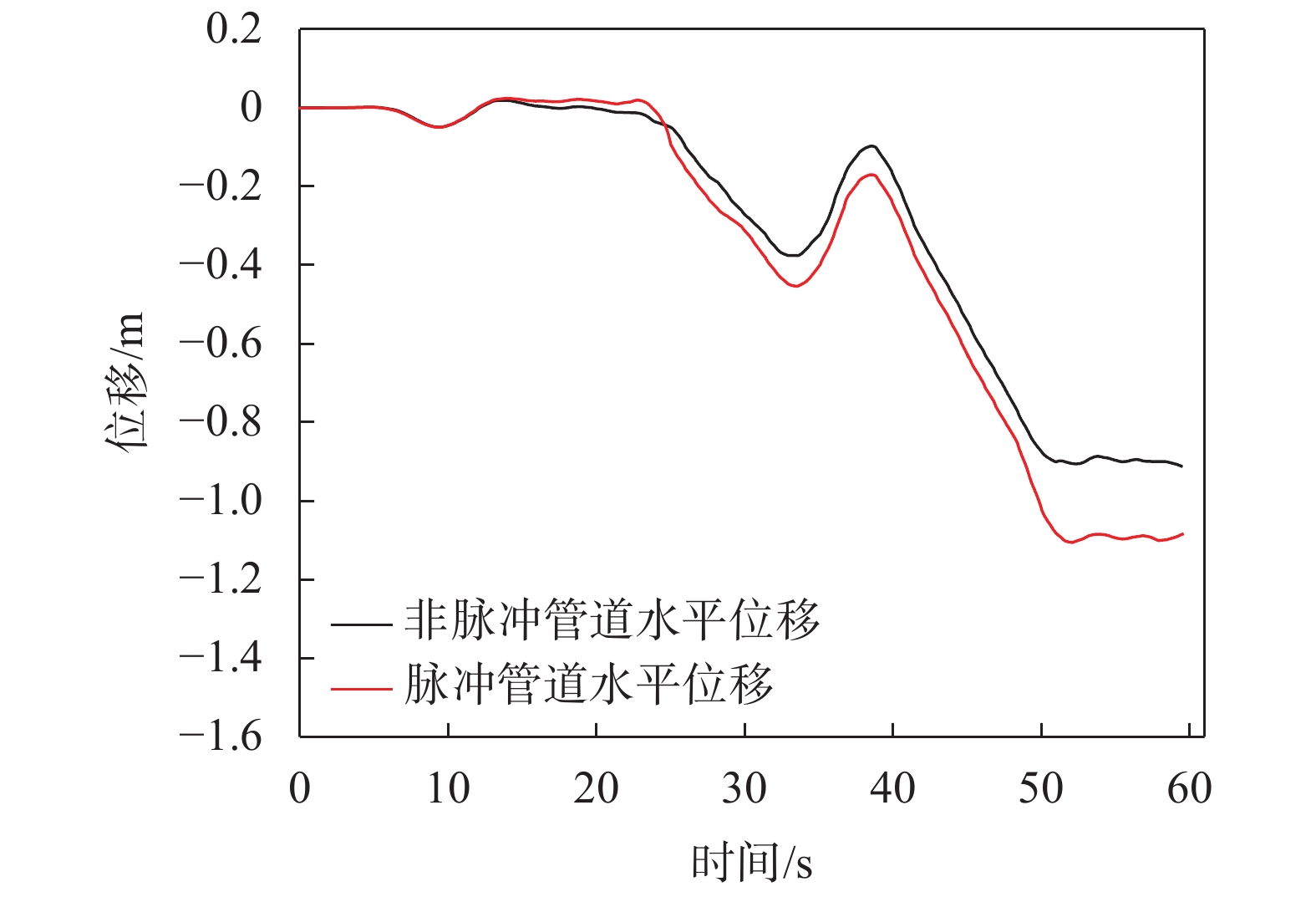
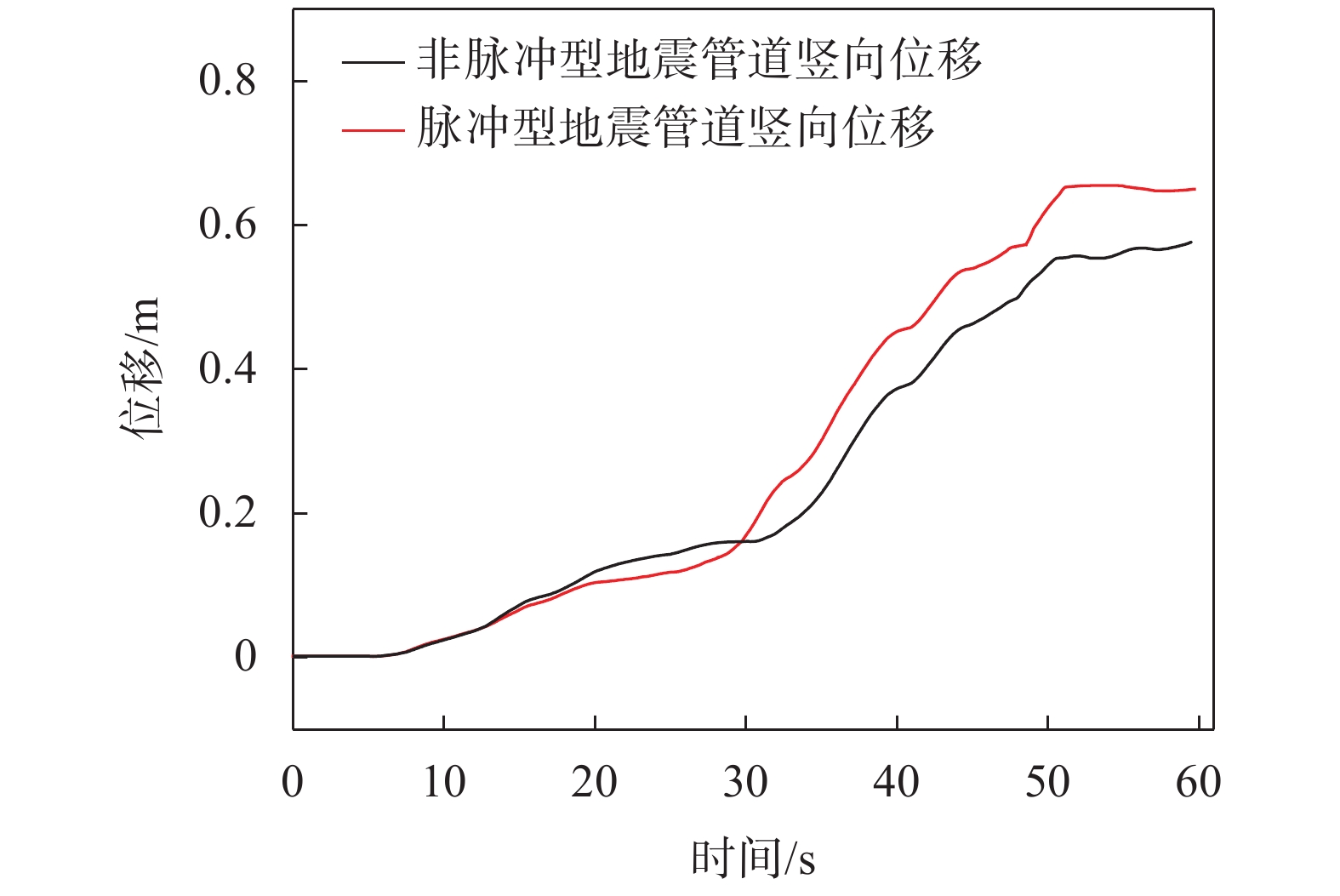
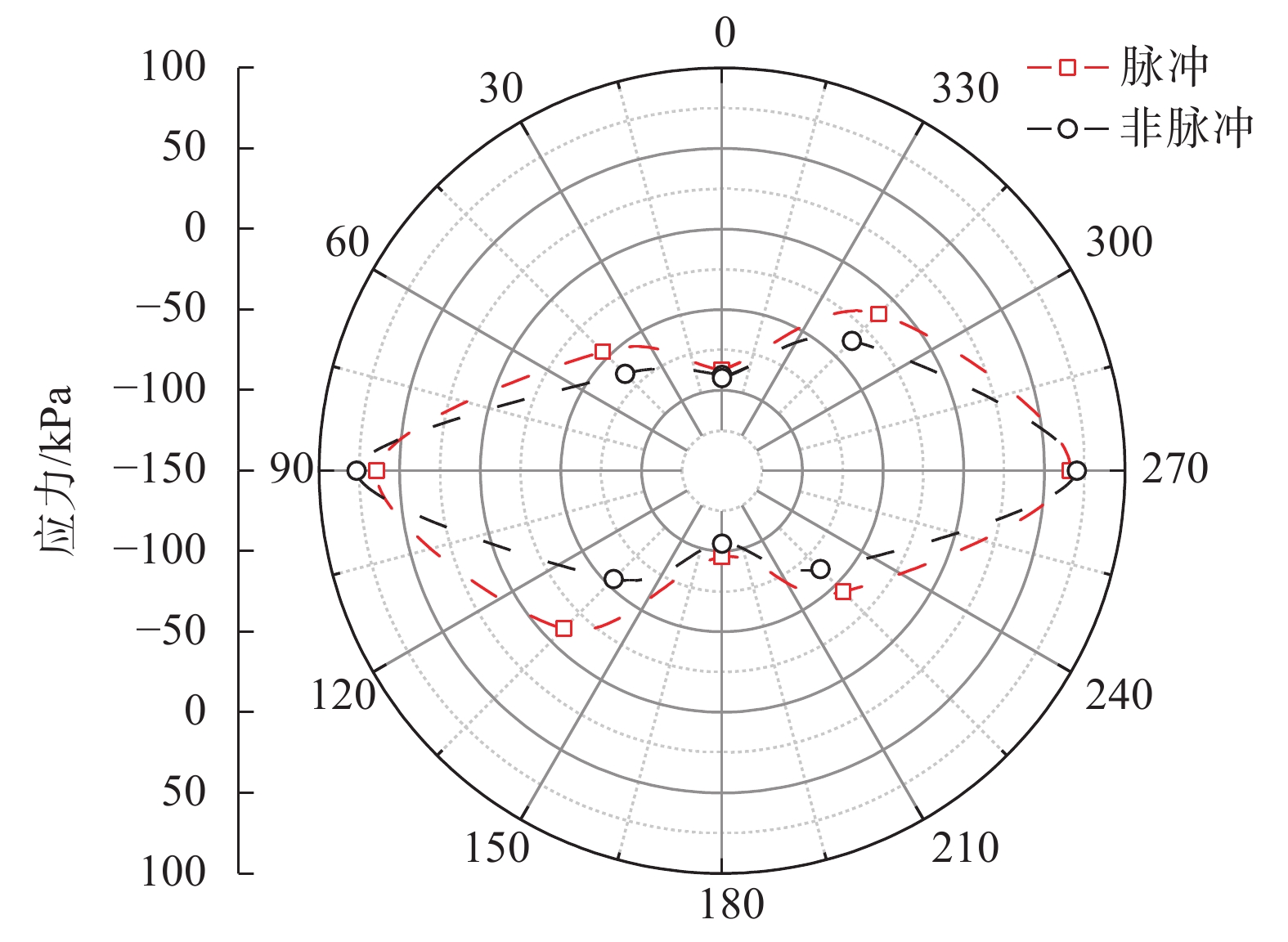
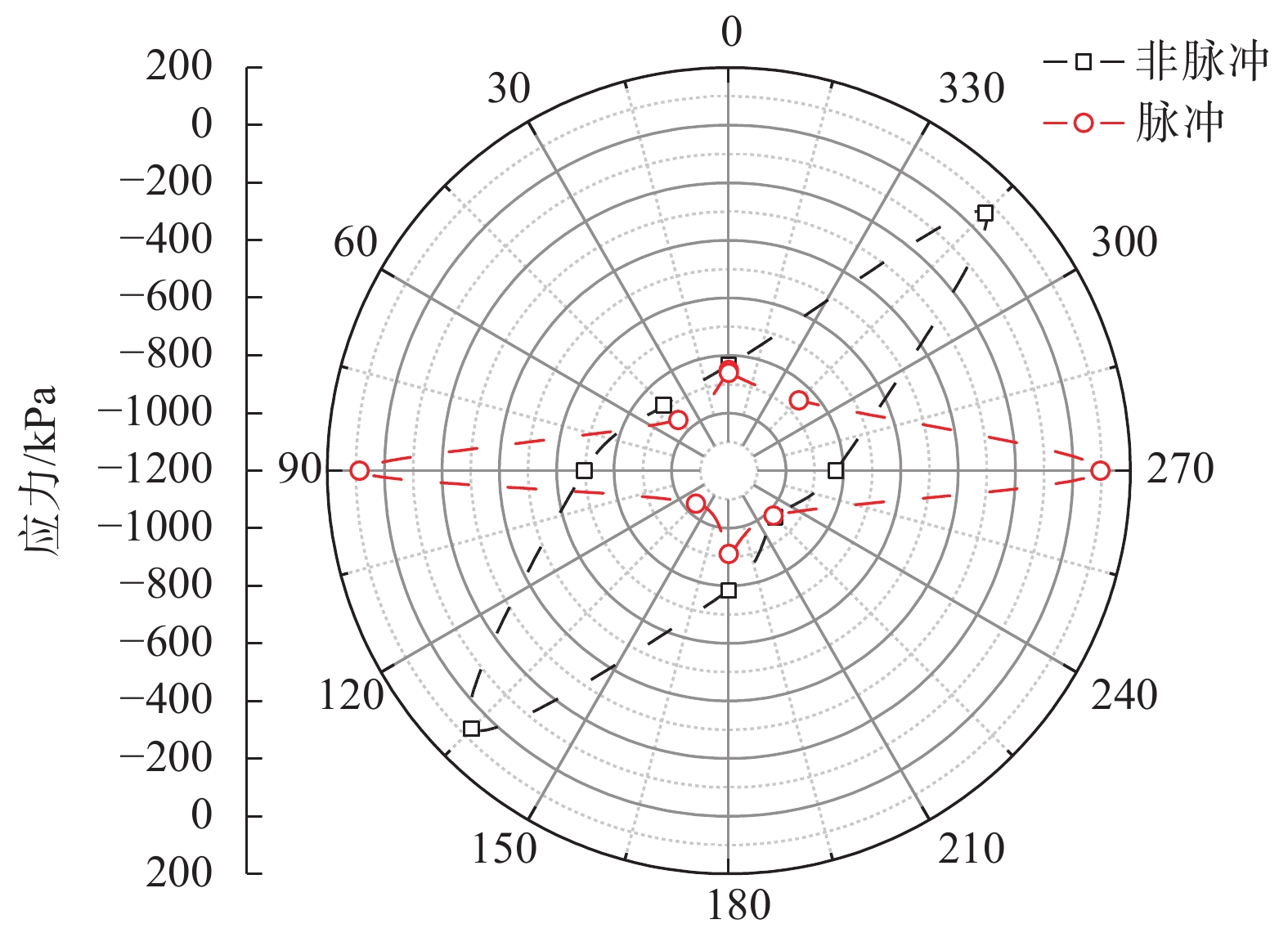
The liquefaction of saturated sandy soil under the influence of near-fault pulse seismic loading exacerbates the buoyancy and destruction of buried pipelines, posing a serious threat to their long-term safe operation. To investigate the dynamic response of buried pipelines under near-fault pulse seismic loading, this paper proposes a method for generating non-stationary near-fault seismic motion time histories based on the spectral-stochastic function method. Based on the generated near-fault pulse seismic motion, the liquefaction mechanism and dynamic response of buried pipelines in sandy soil foundations under near-fault pulse seismic loading are systematically studied, and the differences from the dynamic response of buried pipelines under non-pulse seismic loading are analyzed. The results show that the synthesized seismic motion containing low-frequency pulses can effectively simulate the pulse characteristics of near-fault seismic motion; under seismic loading, the rise in pore water pressure and the loss of effective stress in the soil lead to soil liquefaction, causing pipeline drift and buoyancy. The pulse-type seismic loading has a greater impact on the dynamic response of the pipeline, causing greater damage and posing a serious threat to the safe operation of the pipeline.
Response characteristics of ground penetrating radar (GPR) for pipeline detection
SHI Zongyuan, SUO Kui, PEI Hong, MA Yan, LI Yangyang, CHEN Shizhong, JIN Lu, ZHANG Zhuo
2026, 40(4): 542-551. doi: 10.20265/j.cnki.issn.1007-2993.2025-0039
Abstract:
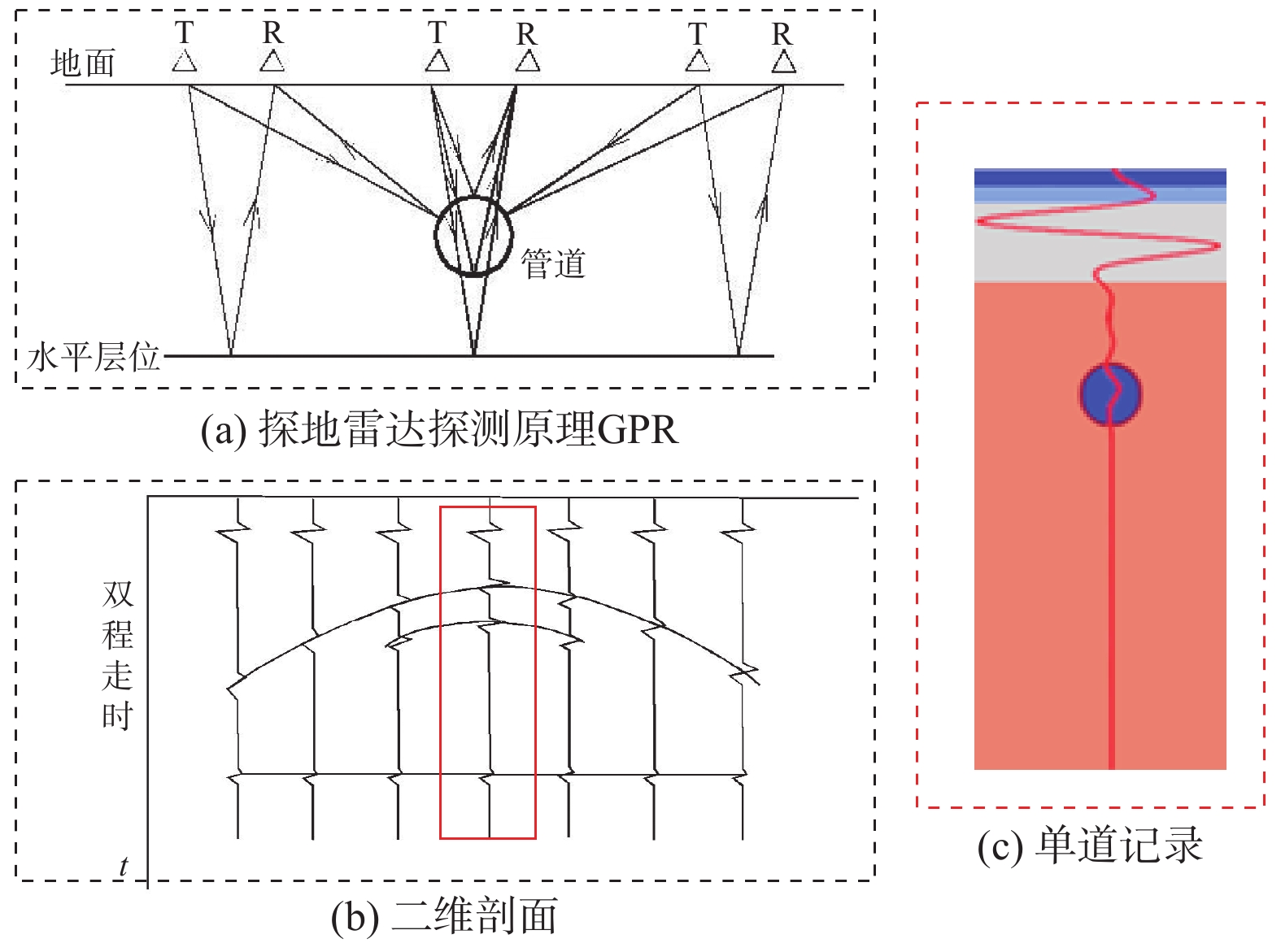
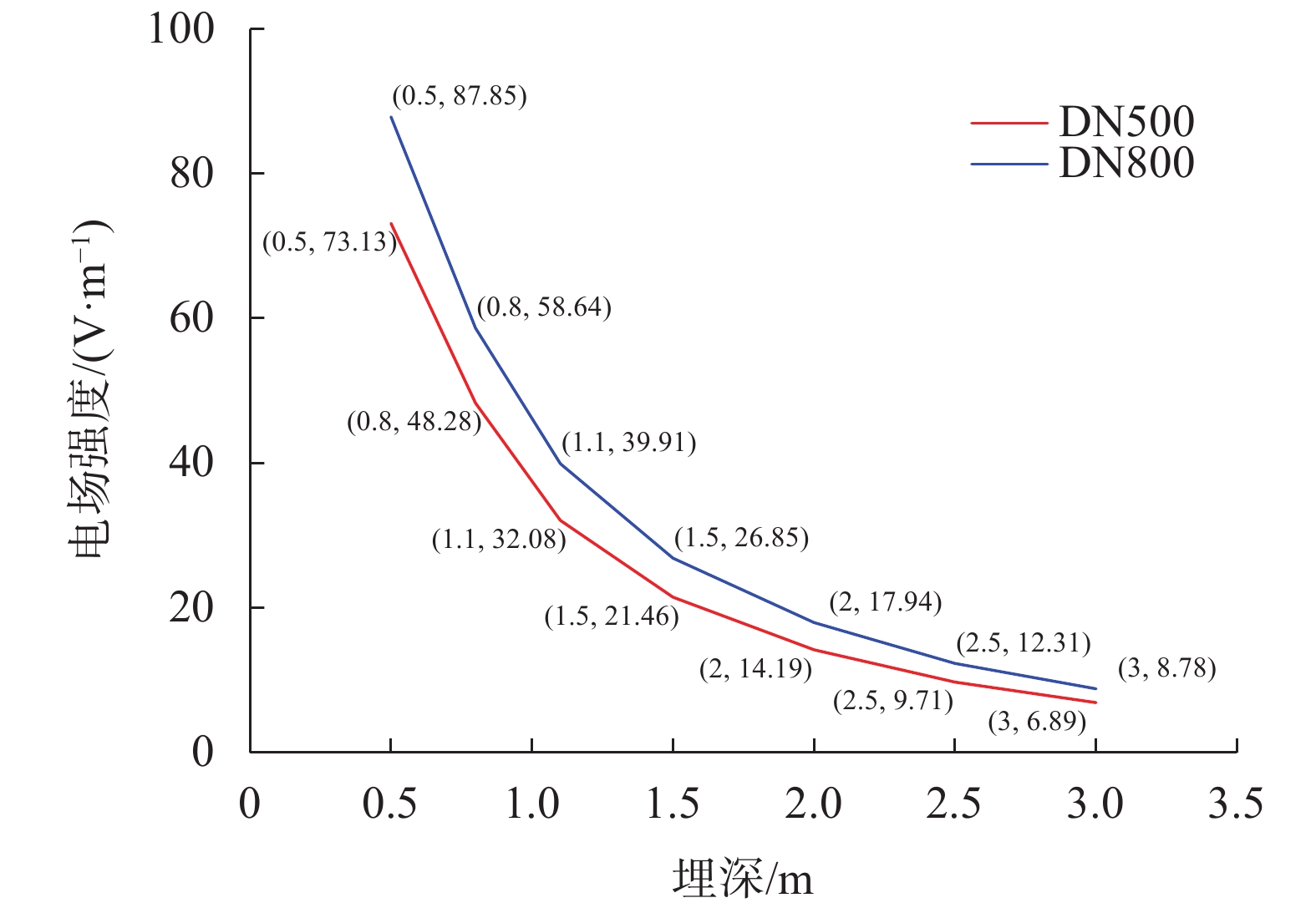
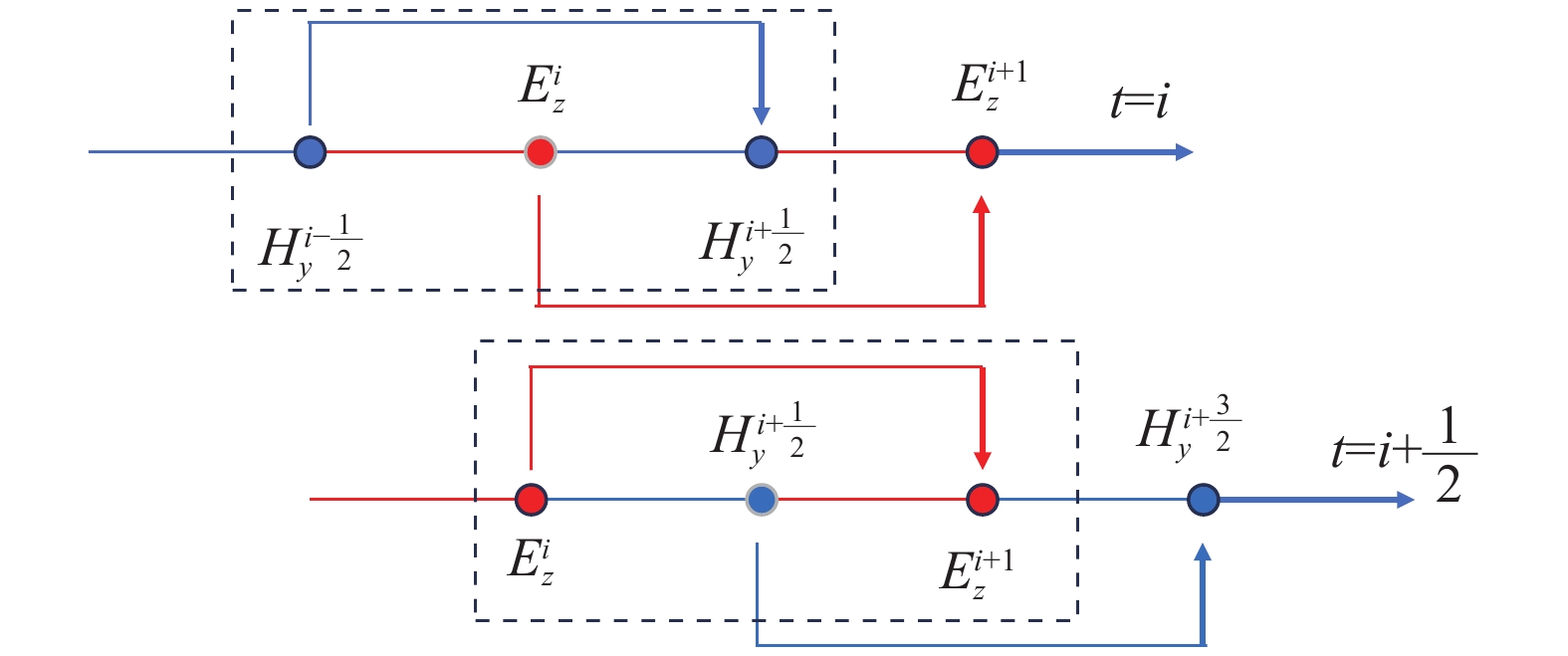
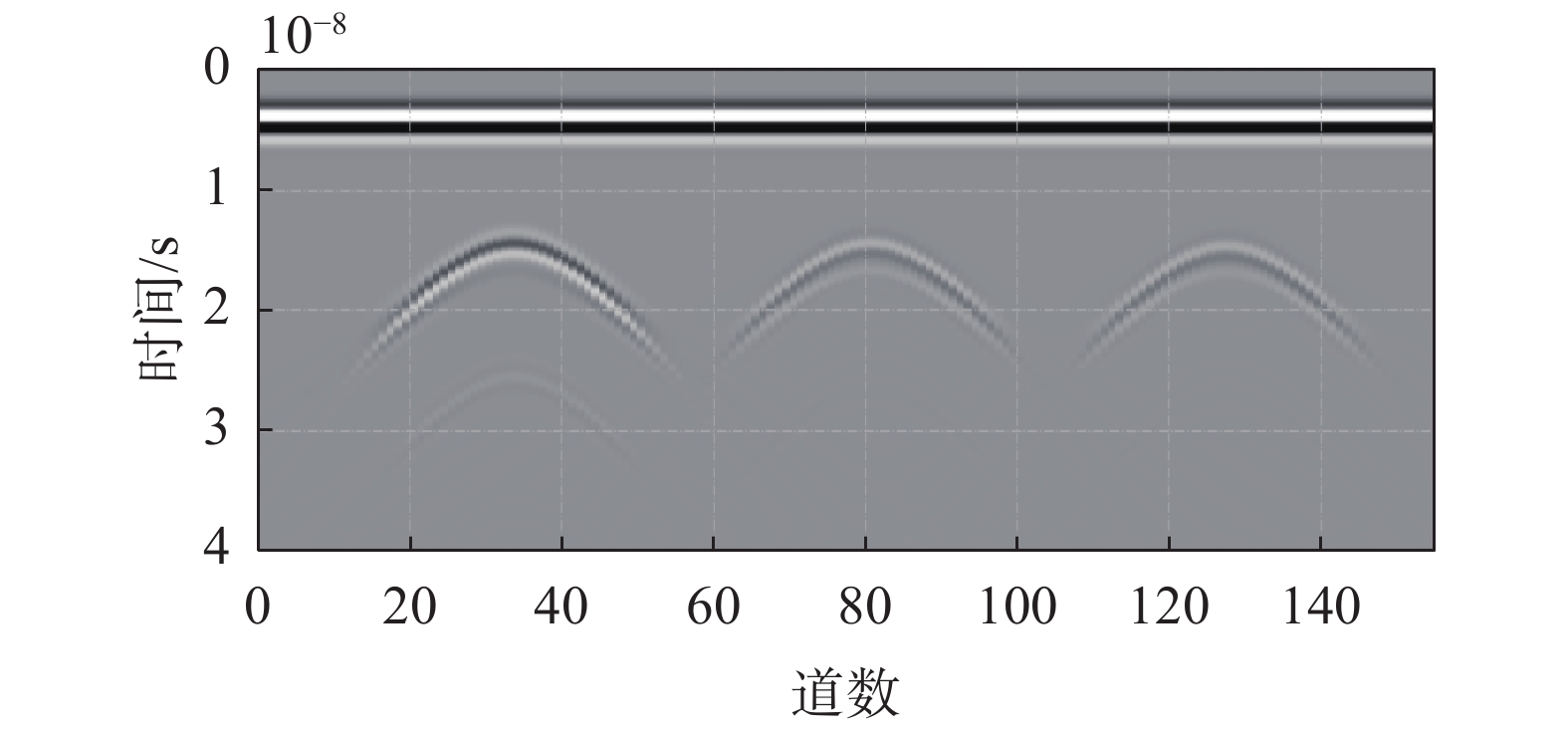
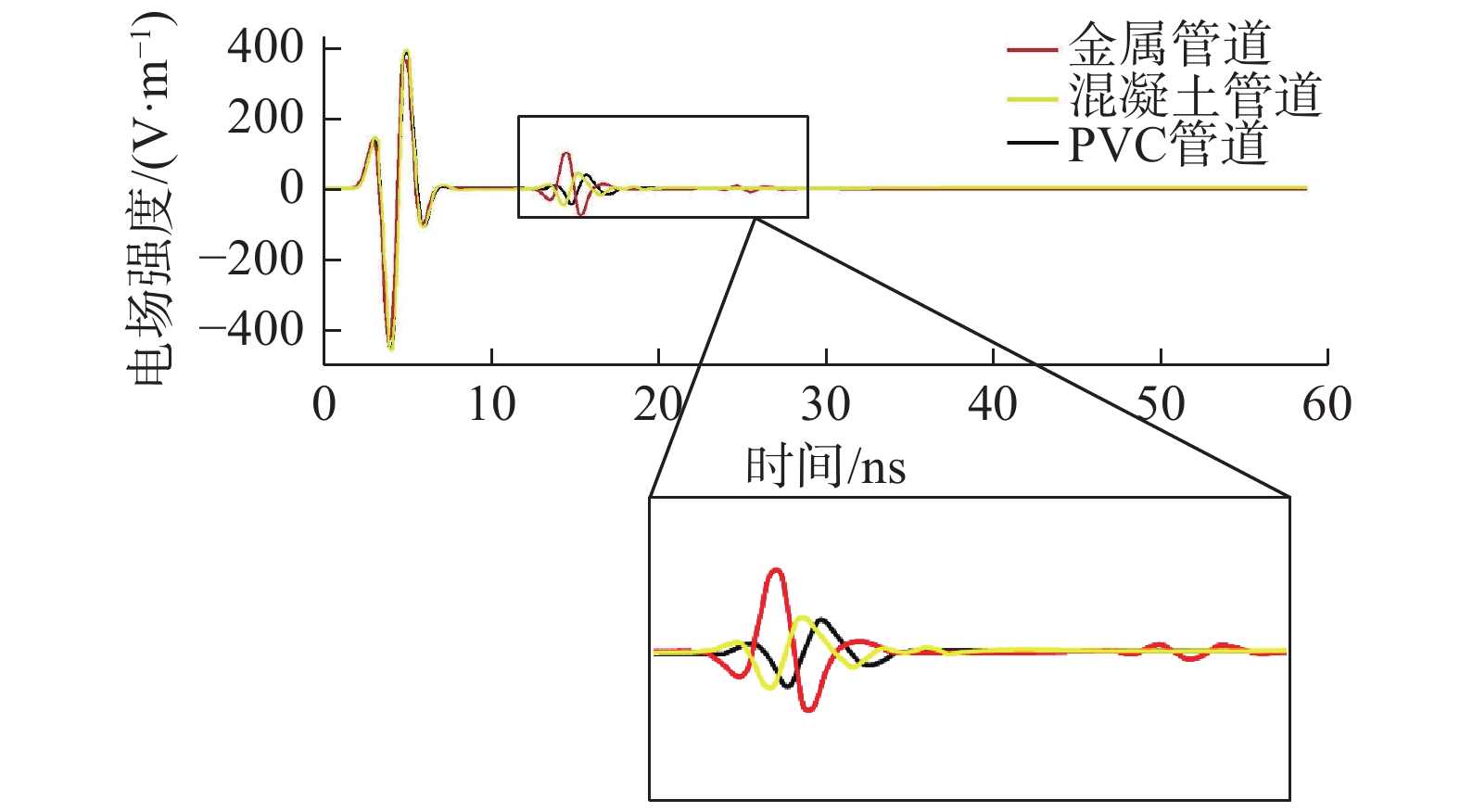
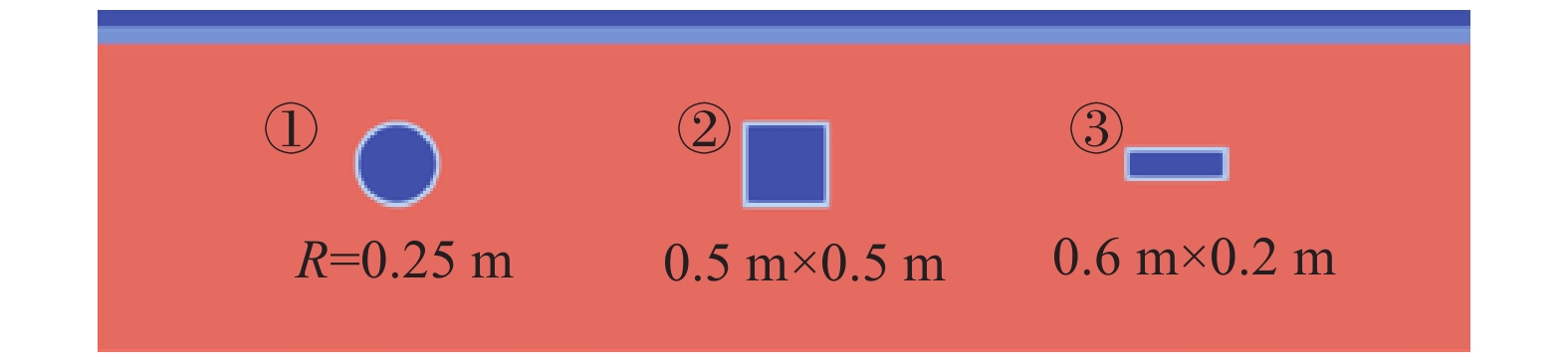
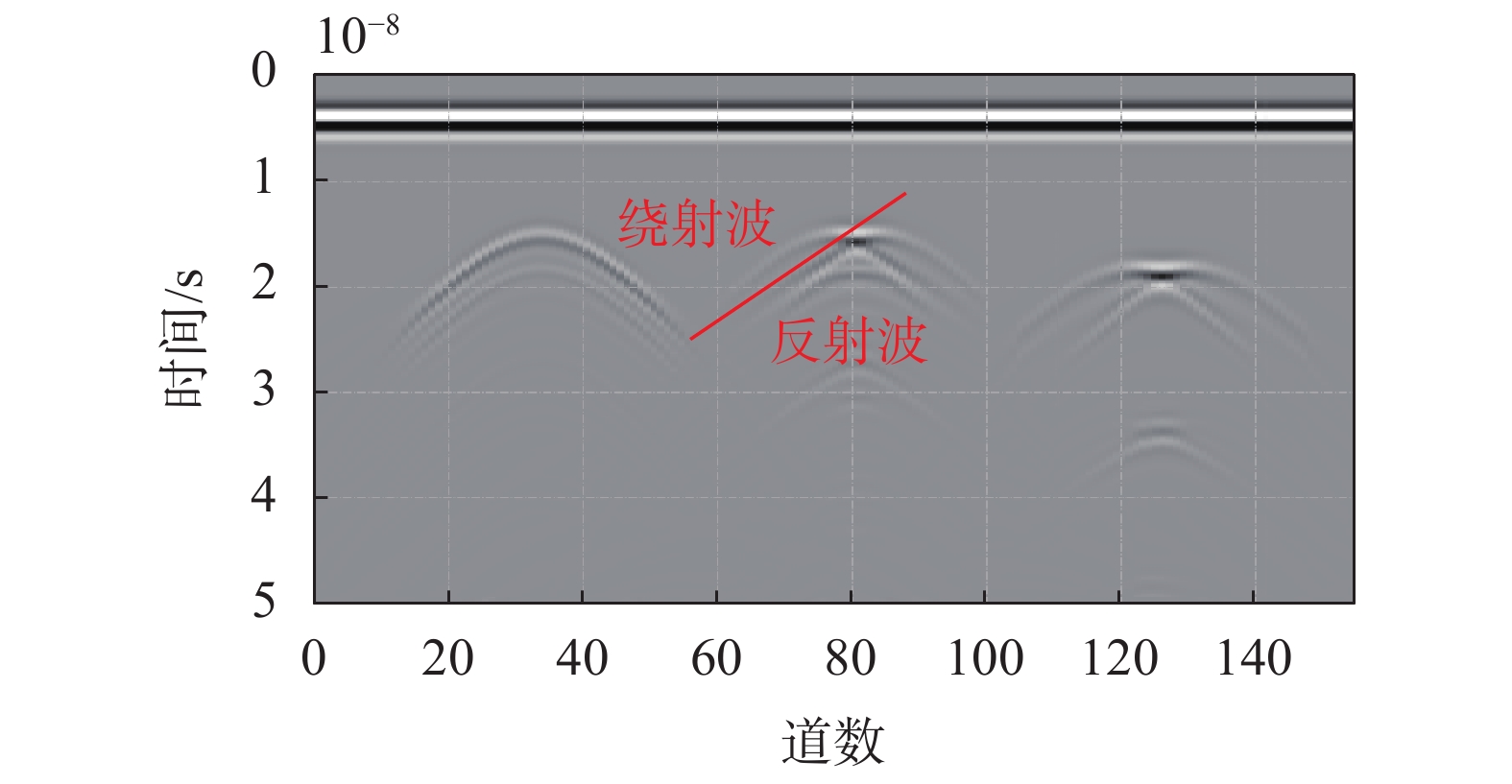
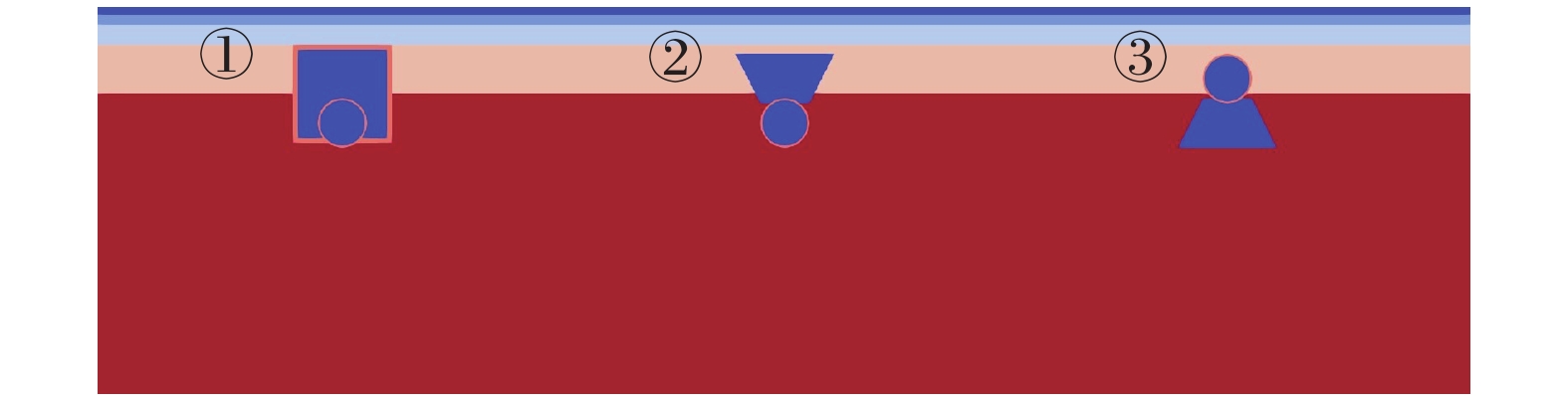
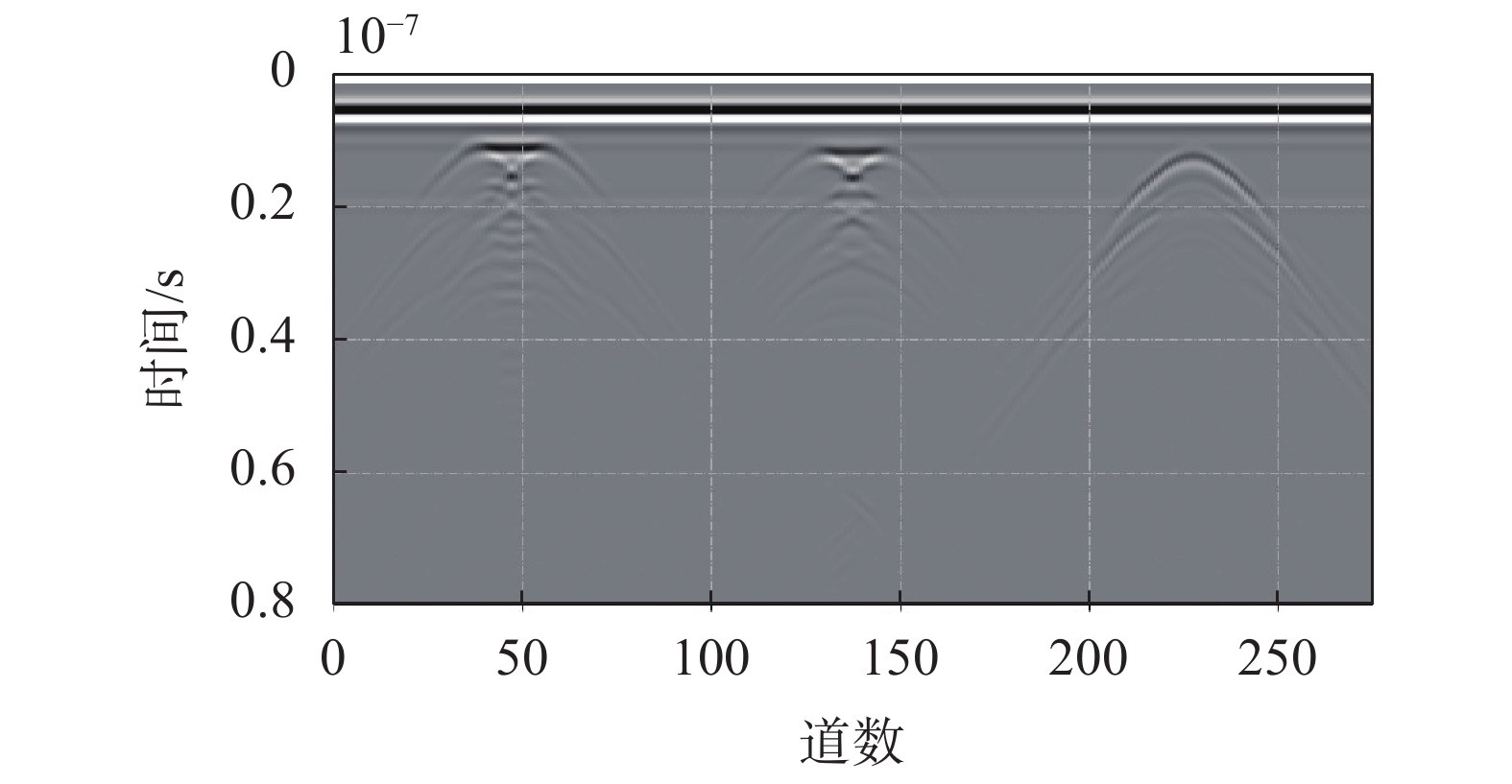
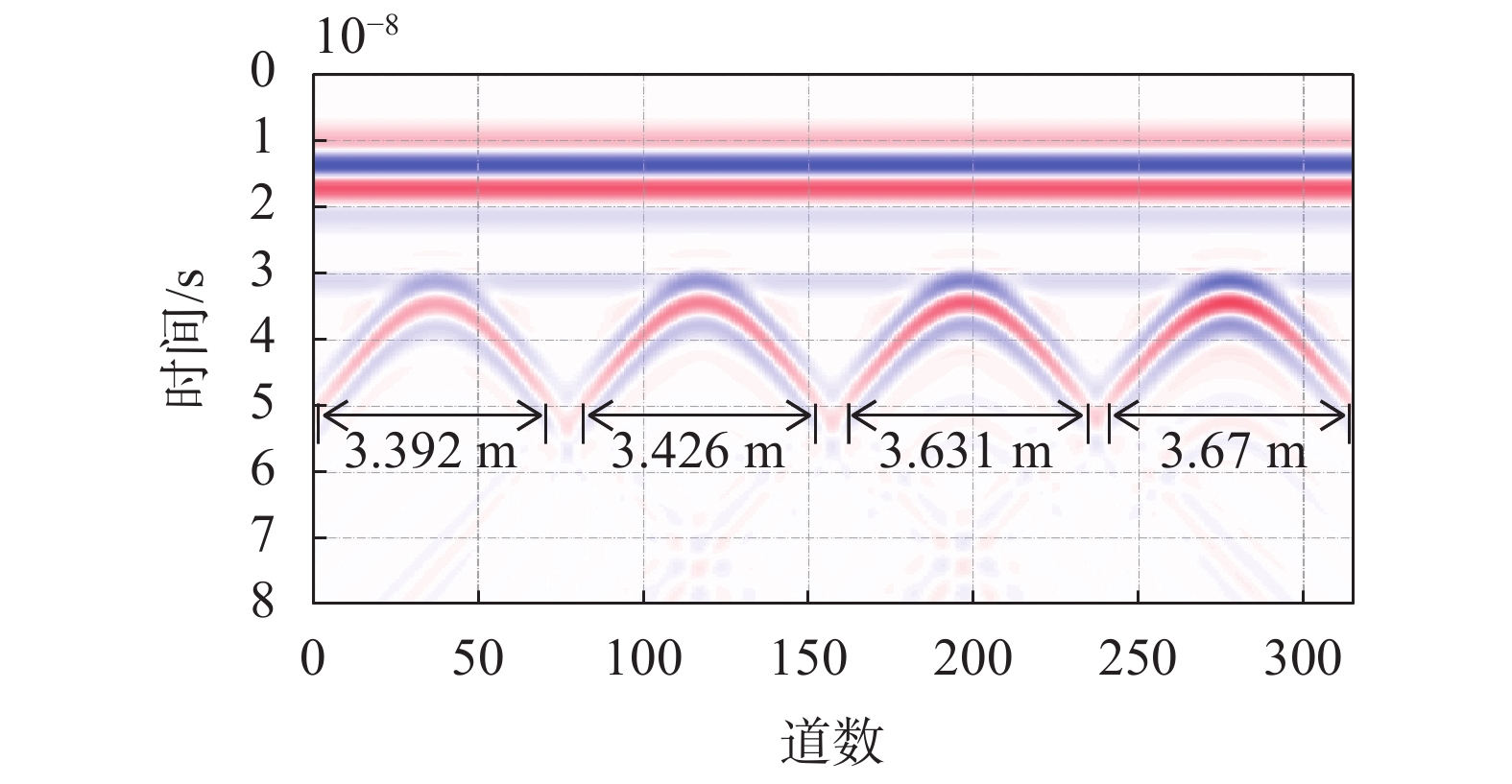
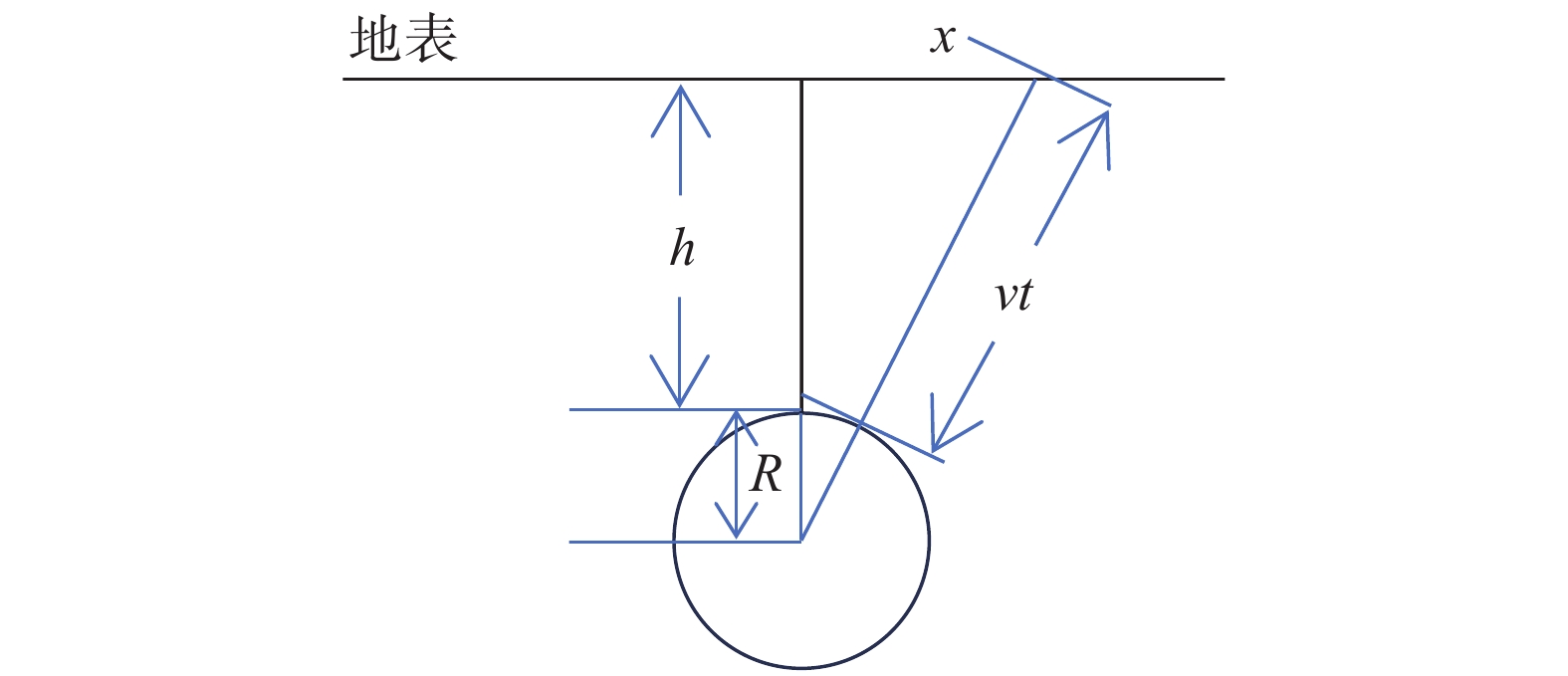
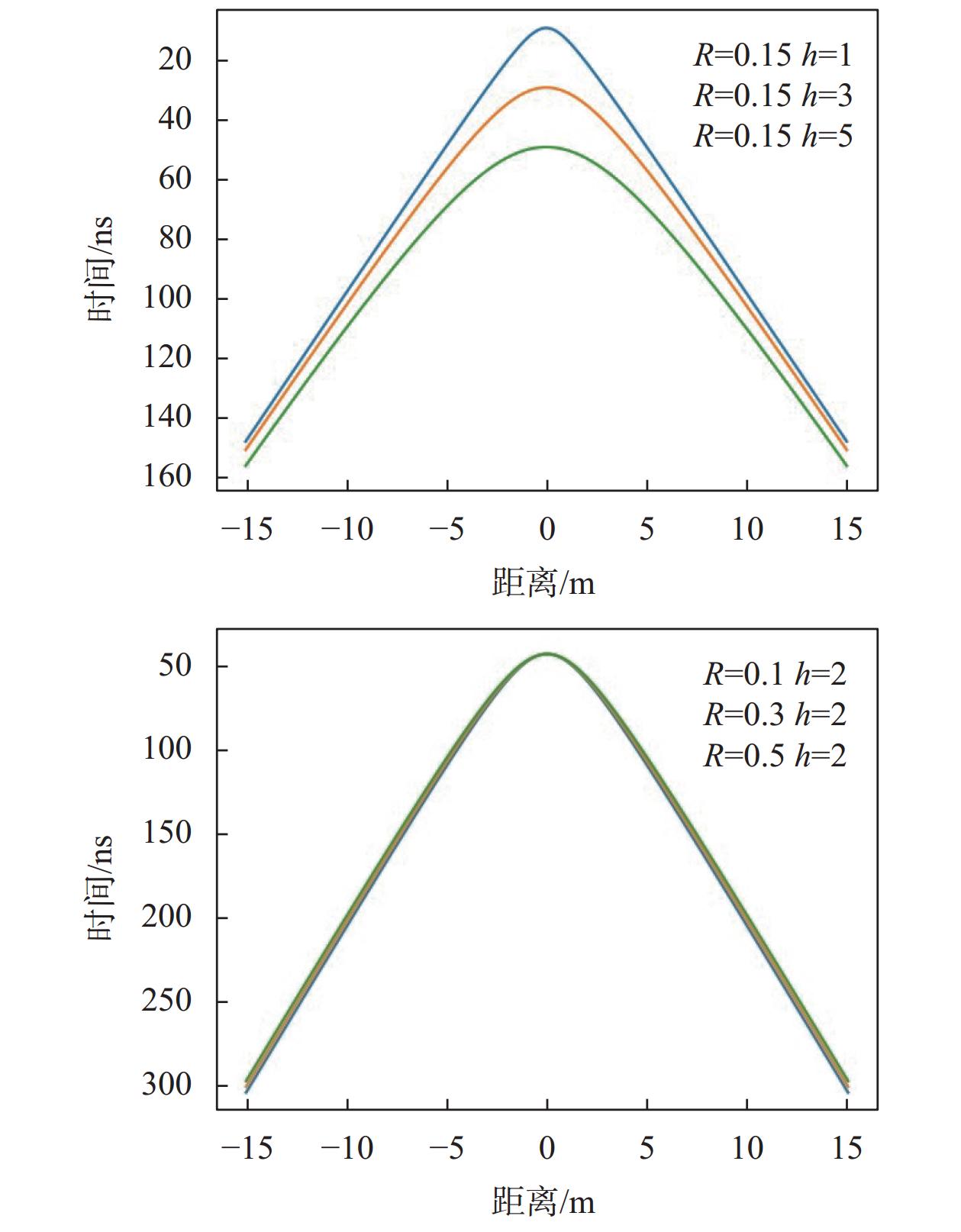
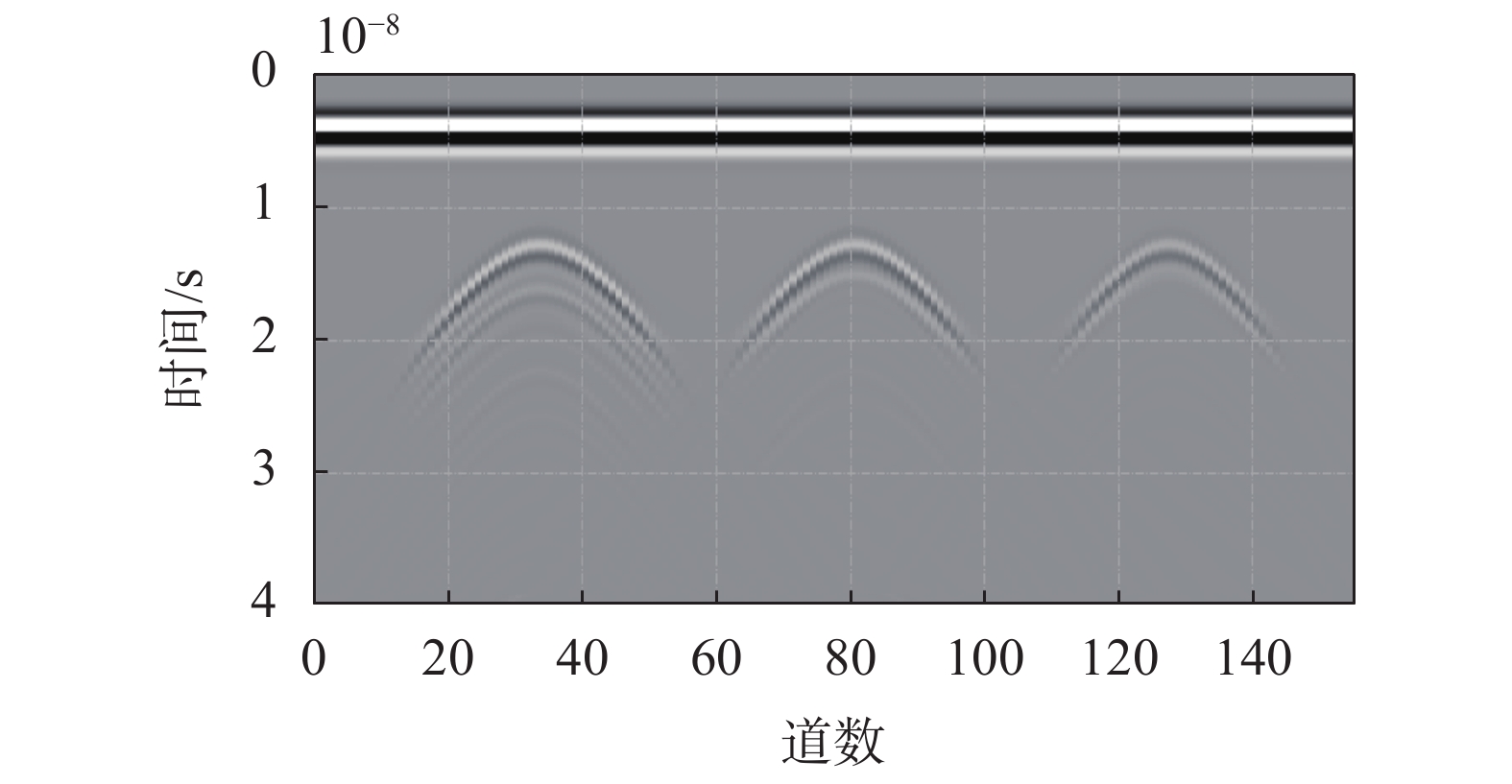
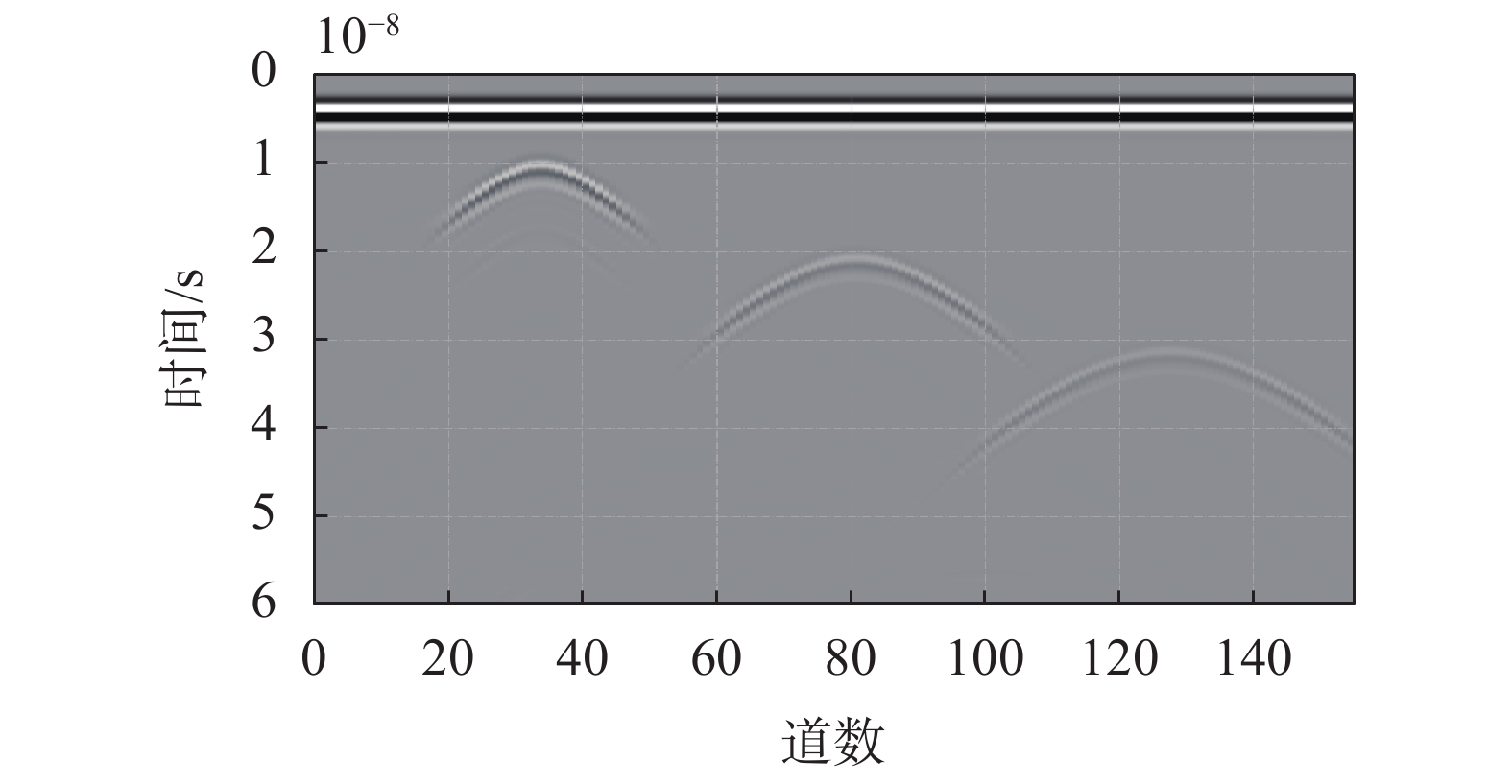
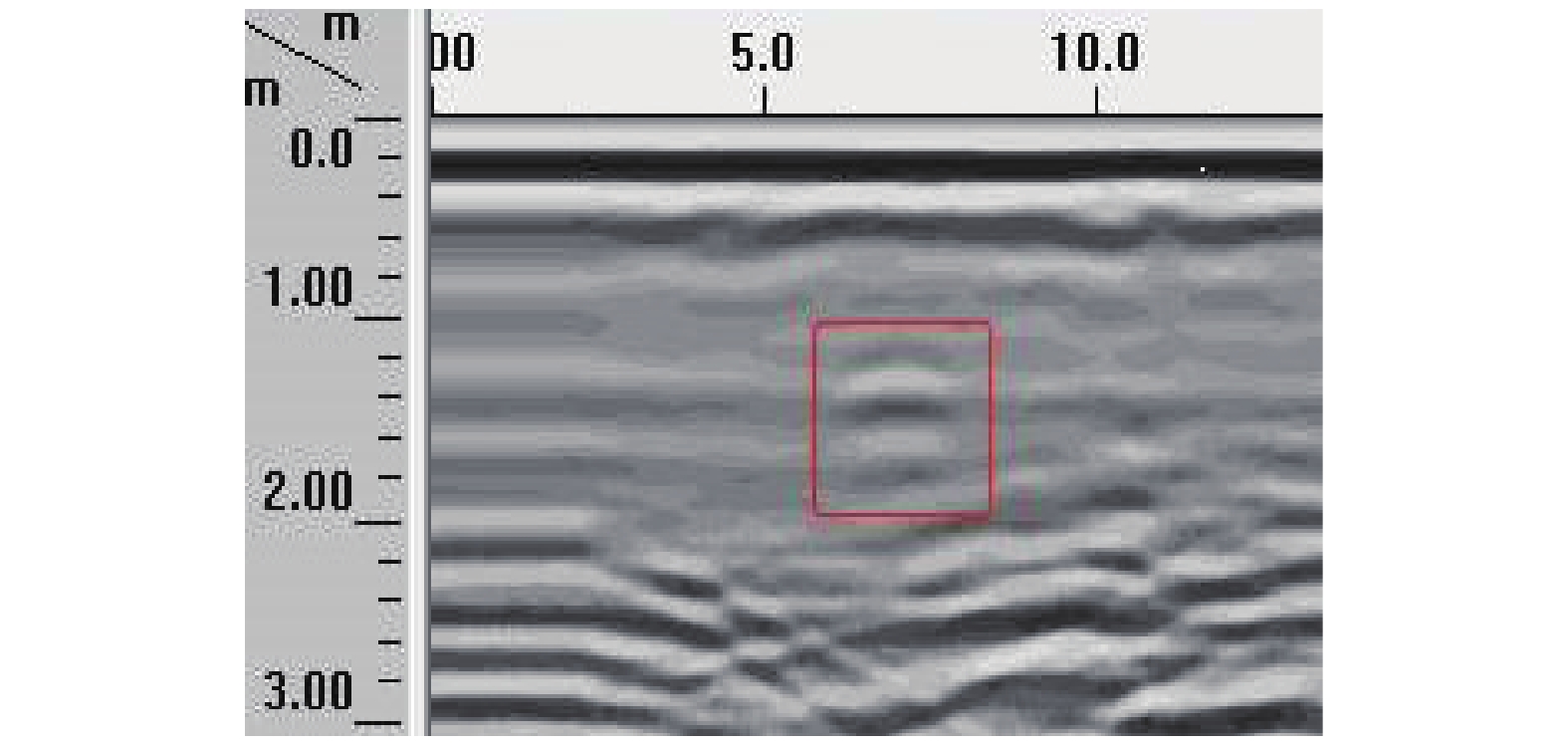
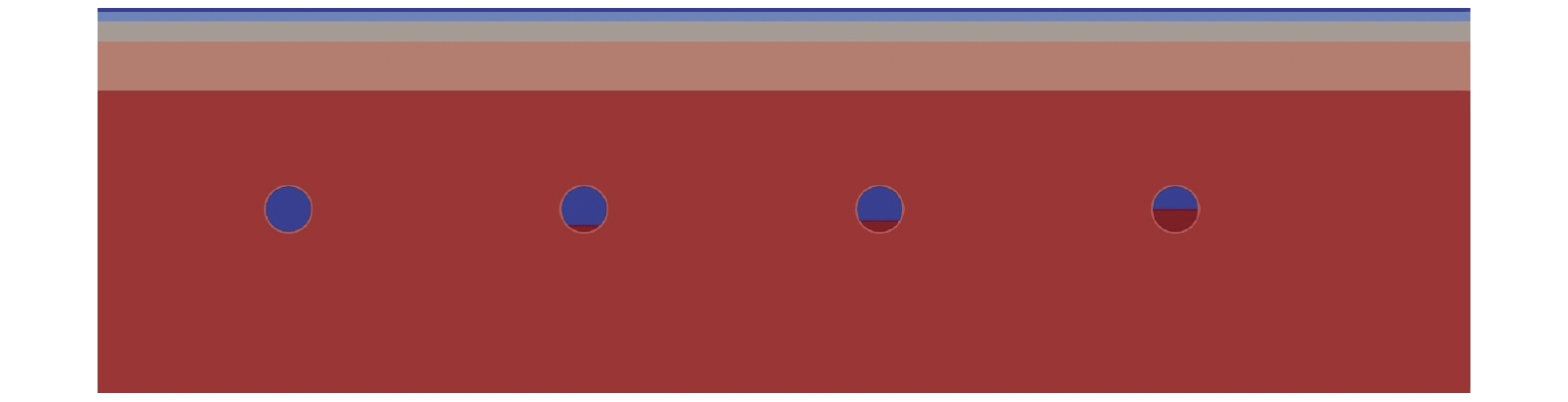
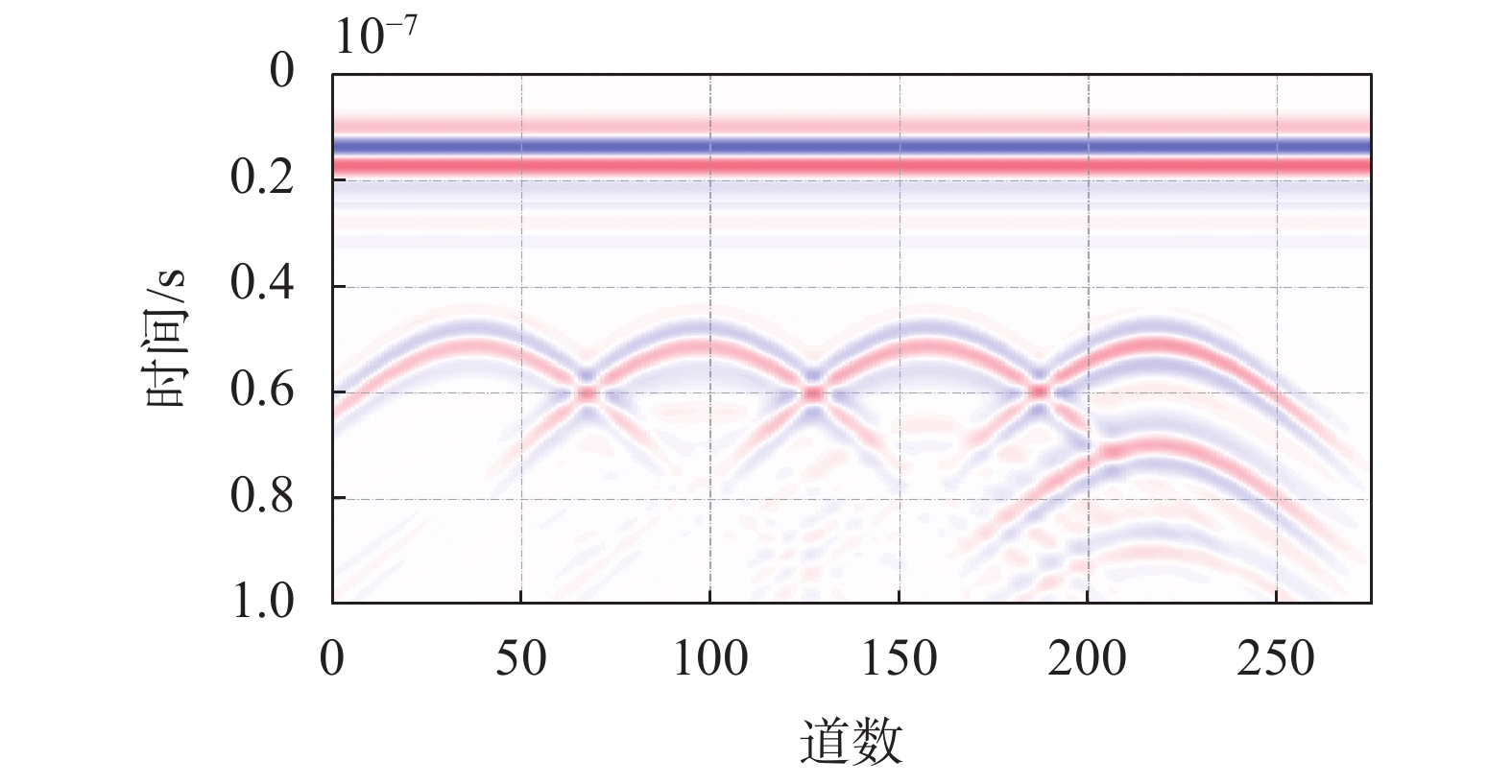
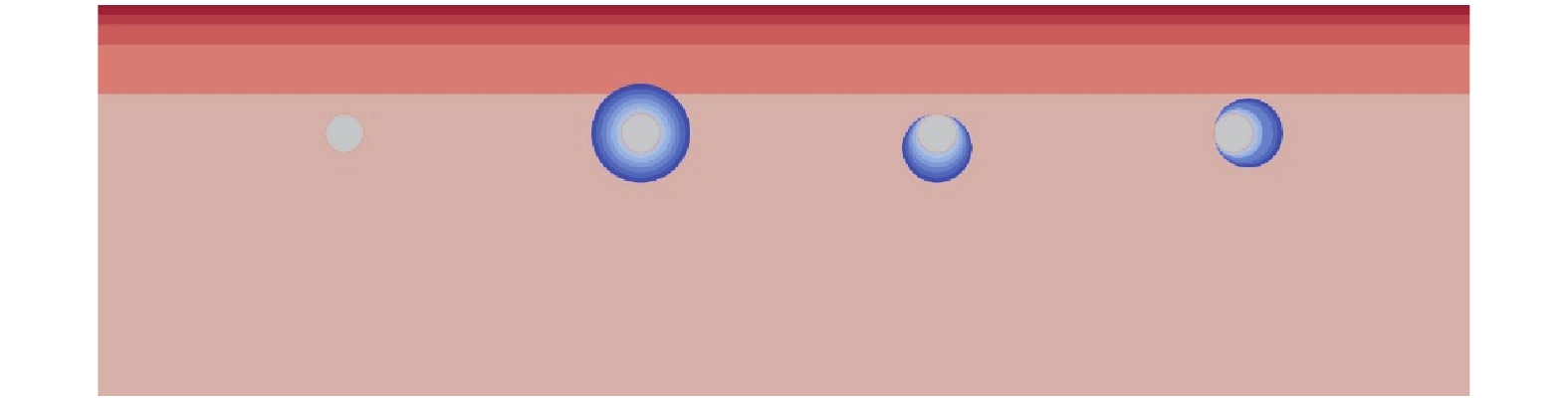
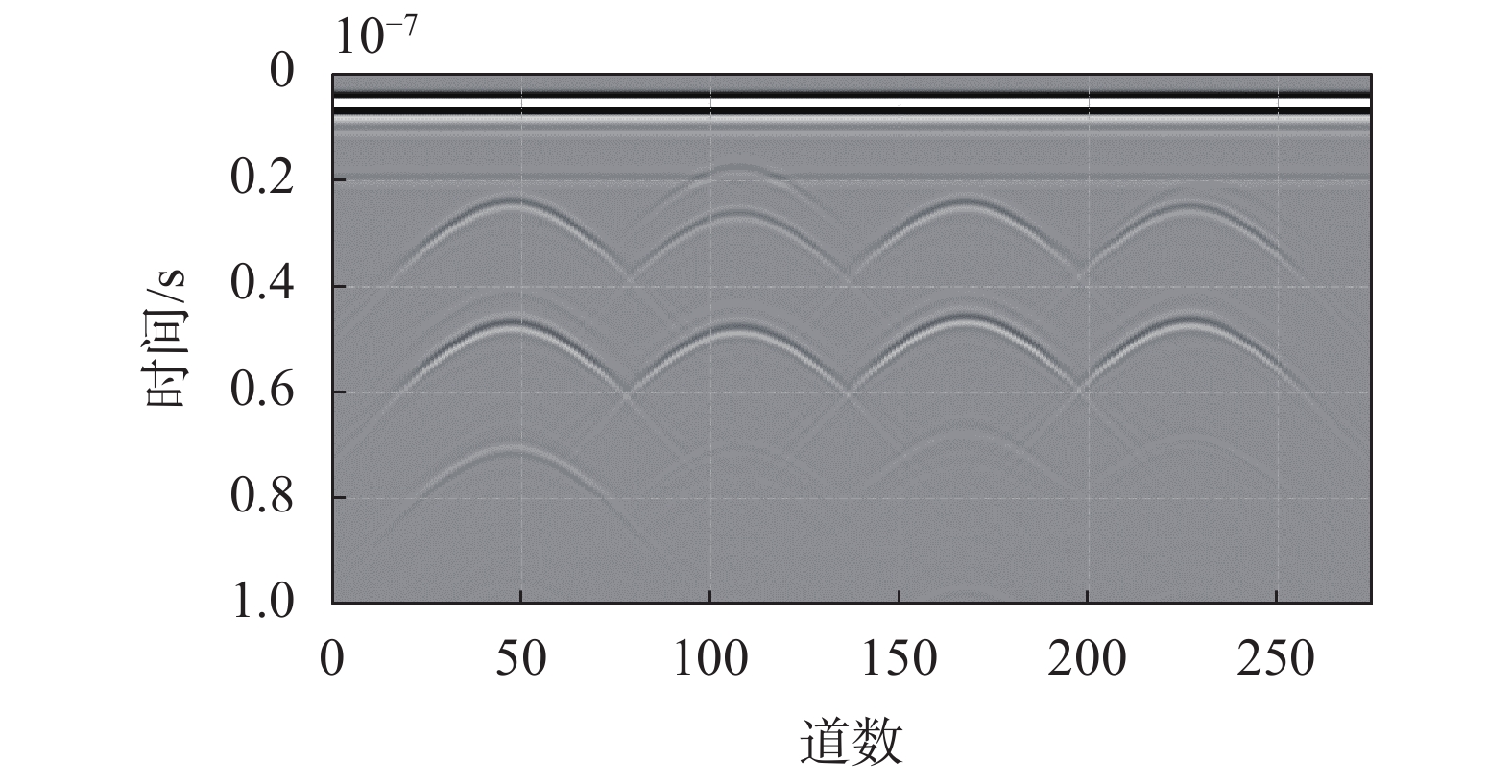
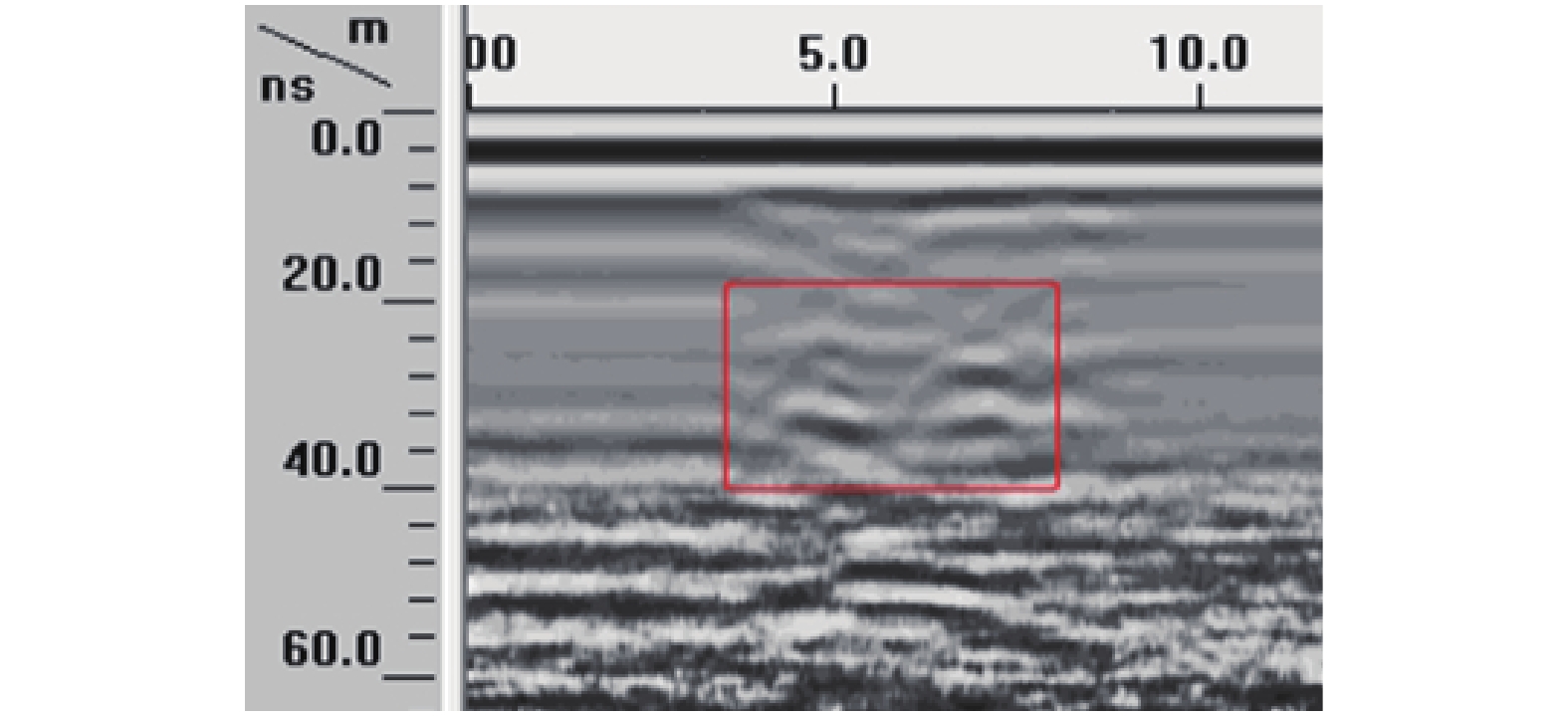
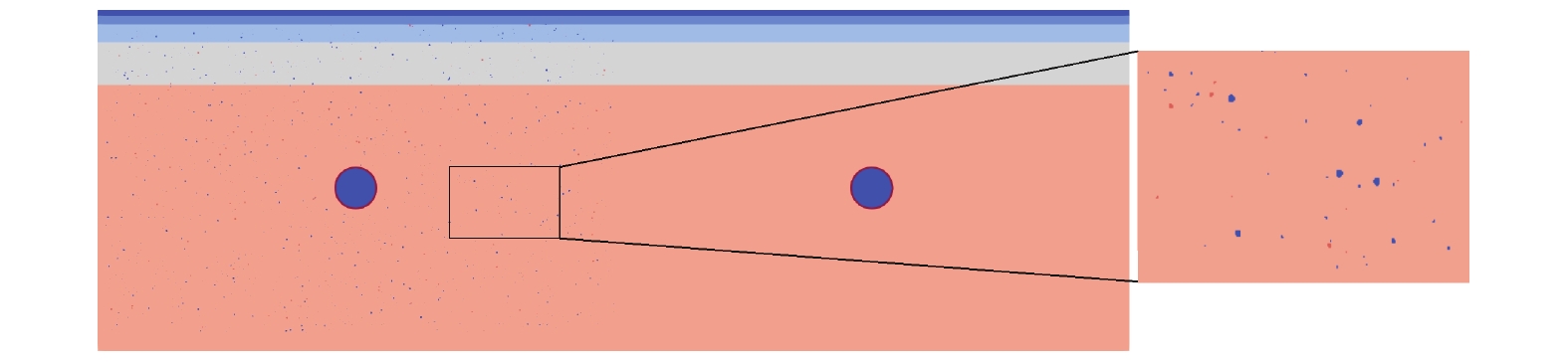
Ground Penetrating Radar (GPR) is a shallow detection technology widely used in municipal pipeline detection. To enhance the understanding of GPR image characteristics for underground pipeline detection, refine the identification effects of GPR under different working conditions, and improve the interpretation accuracy of radar data, this research starts from the principles of GPR detection, finite-difference time-domain (FDTD) simulation, and on-site pipeline detection scenarios. Using the forward modeling software gprMax, models with different factors were established, including various materials, shapes, pipe diameters, burial depths, water-filling degrees, and heterogeneous media. The characteristics of forward modeling profiles were summarized, the forming factors of corresponding response characteristics were analyzed, and the impacts of different parameters on detection effects were sorted out. Through the comparison between simulation and field measurement results, it is proven that forward modeling analysis can provide references for engineering field measurements.
Application research of microtremor exploration in void detection
DONG Yao, JIN Lu, LIU Yan, ZHANG Zhuo, QI Kun
2026, 40(4): 552-558. doi: 10.20265/j.cnki.issn.1007-2993.2025-0062
Abstract:
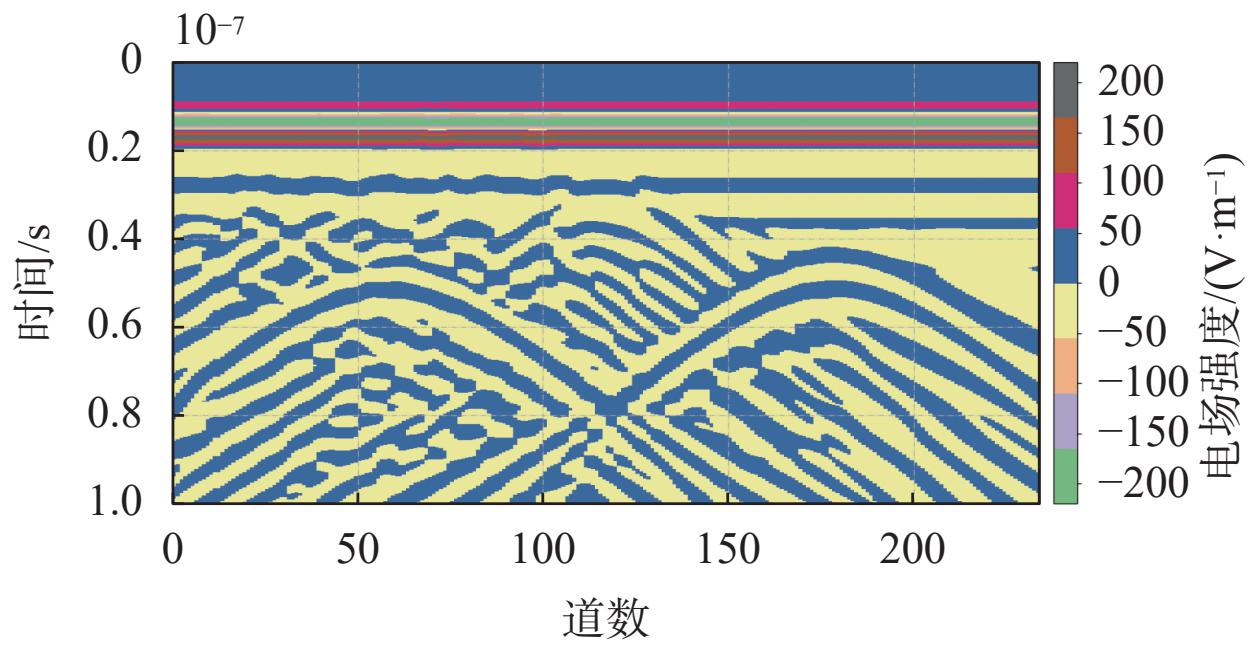
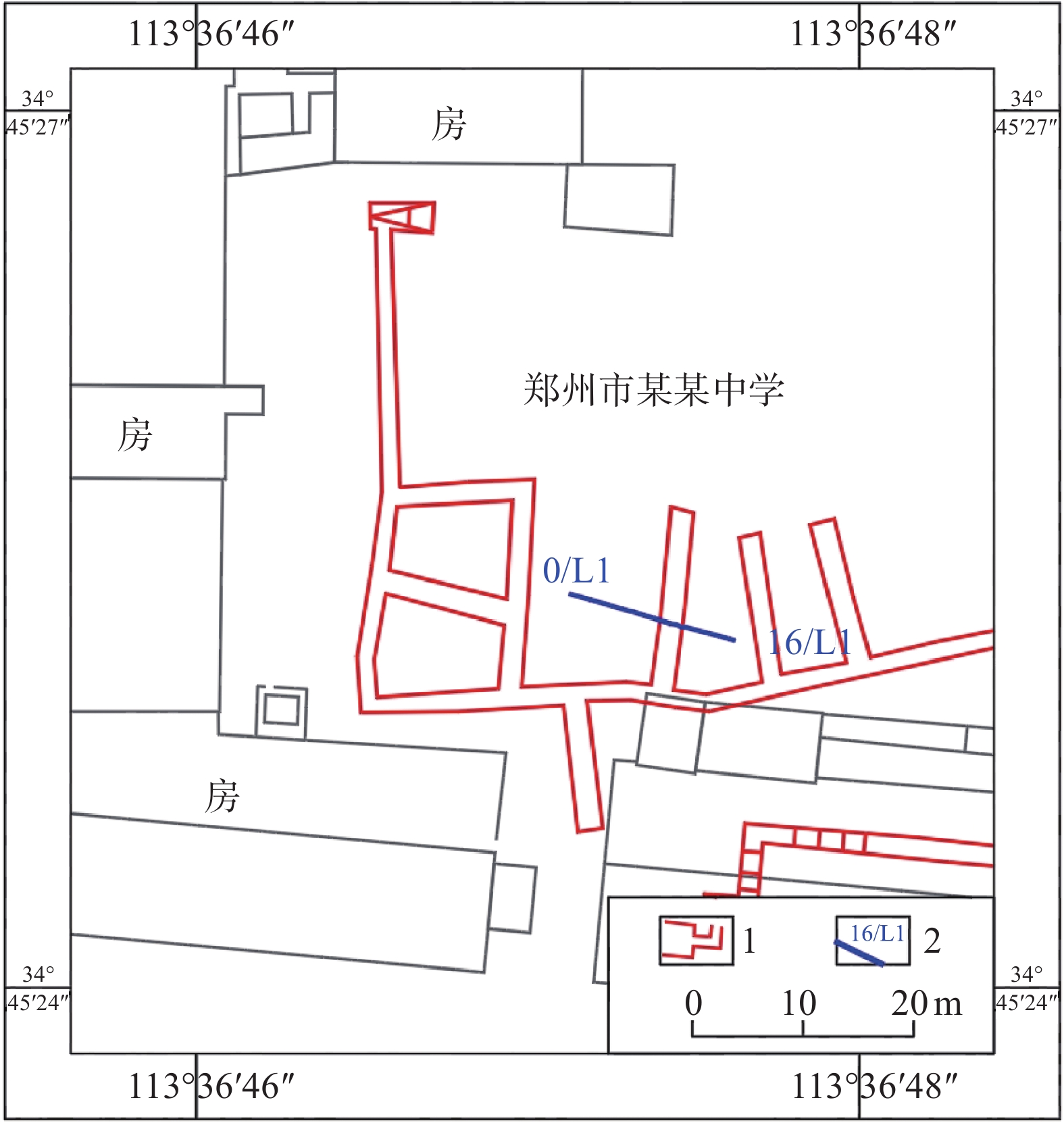
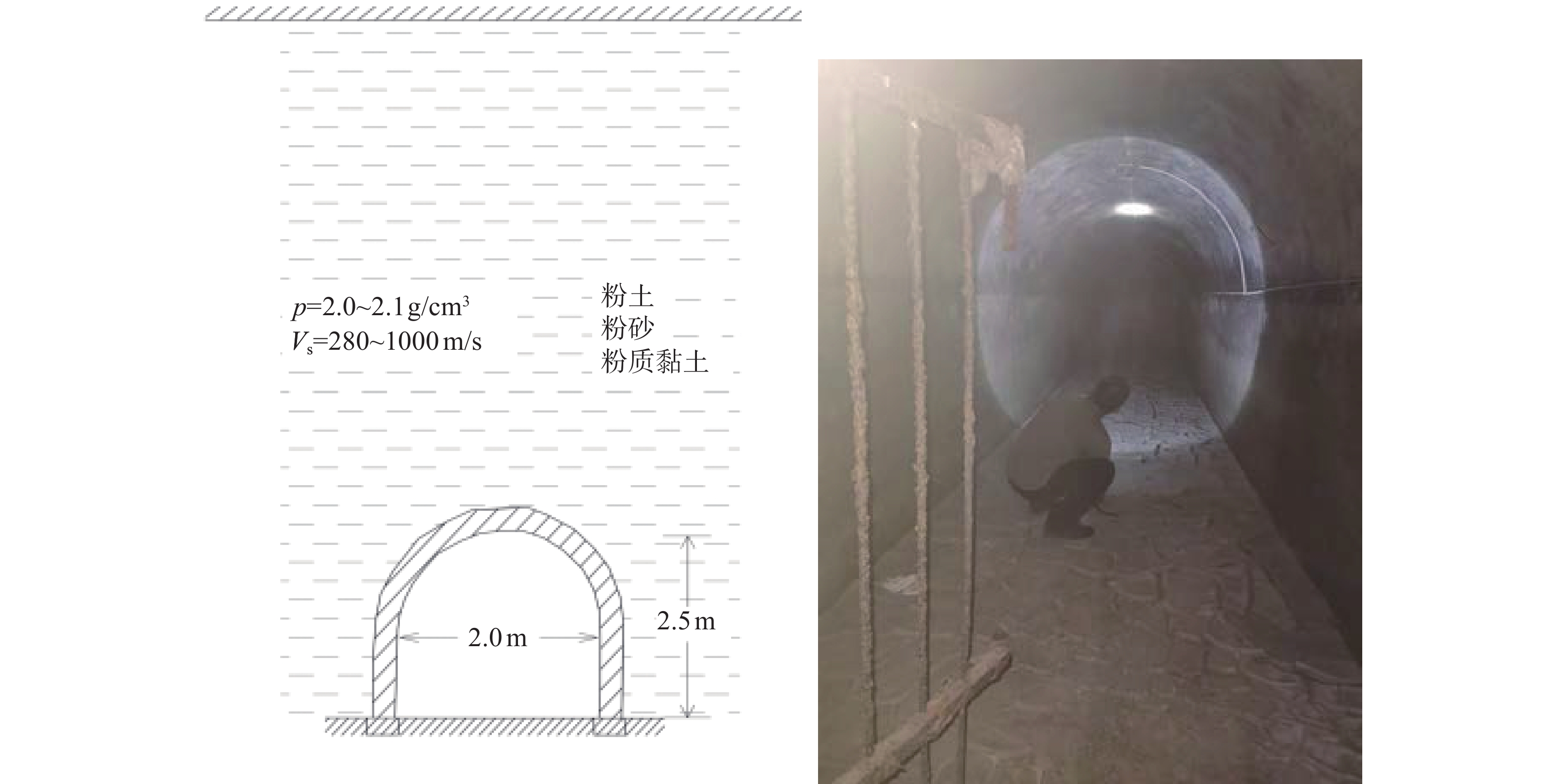
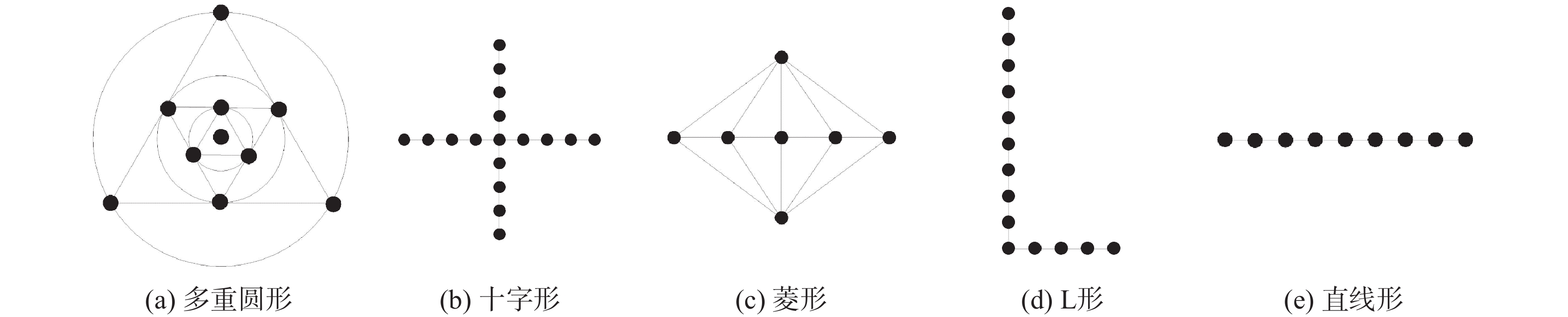
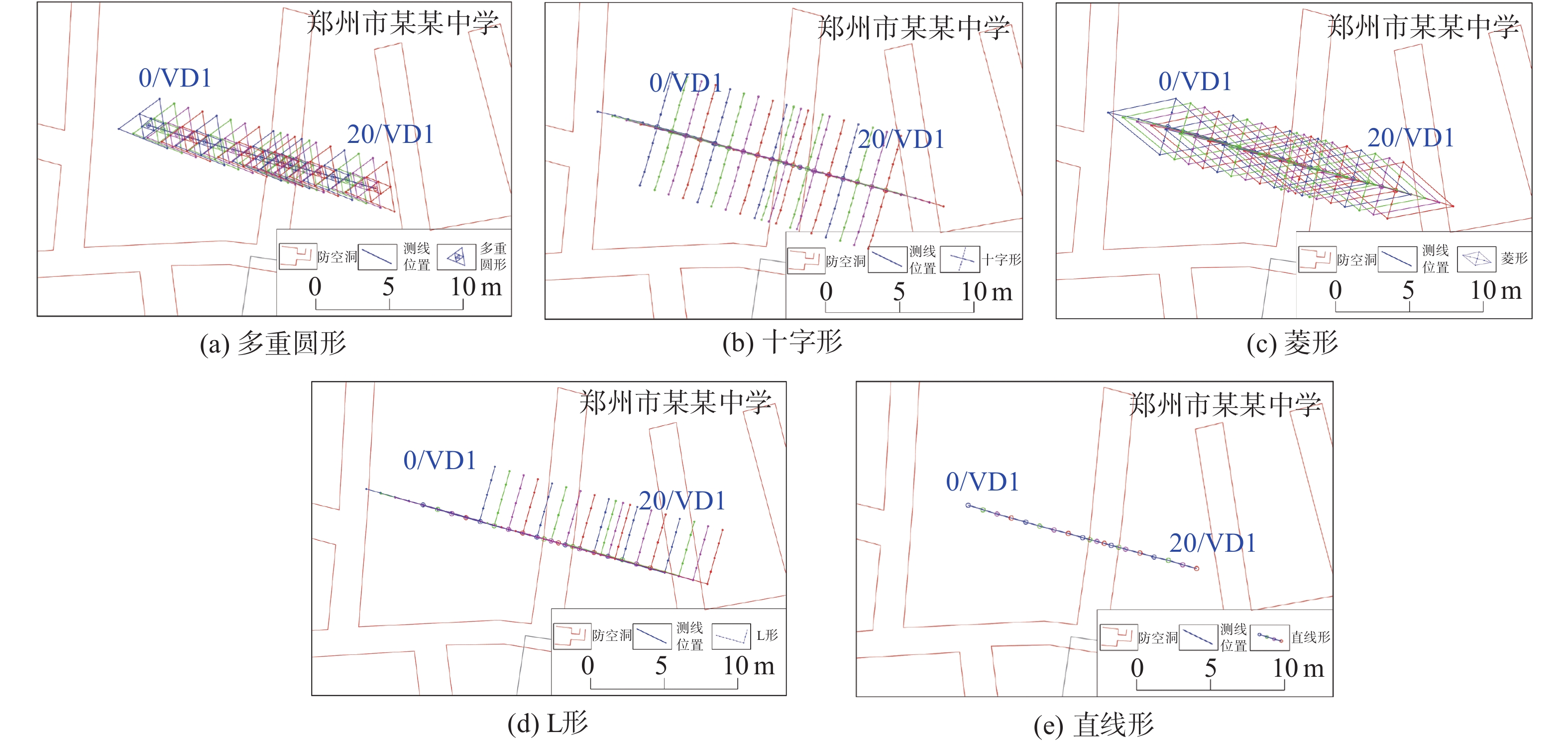
Aiming at the problems of wide distribution, long service life and lack of data of underground civil air defense projects in the old urban areas within the third ring road of Zhengzhou City, this study adopts the natural-source microtremor exploration technology for urban underground space detection. Taking the known underground civil air defense project of a middle school as the geological model, the applicability of this technology is evaluated by comparing the detection effects of various observation arrays including circular, rhombus, cross and linear arrays. The results show that two-dimensional observation arrays, especially multi-circular and rhombus arrays, have better detection performance than one-dimensional linear arrays, with high planar positioning accuracy and small depth error, which can effectively identify the spatial distribution characteristics of underground air-raid shelters. This method has the advantages of simple operation, high efficiency and non-destructive testing. It provides a reliable technical means for urban underground space detection and is of great practical significance for the popularization and application of microtremor exploration technology.
Strain monitoring of distributed optical fiber in concrete raft
HU Min, CHEN Hongbo
2026, 40(4): 559-564. doi: 10.20265/j.cnki.issn.1007-2993.2025-0181
Abstract:
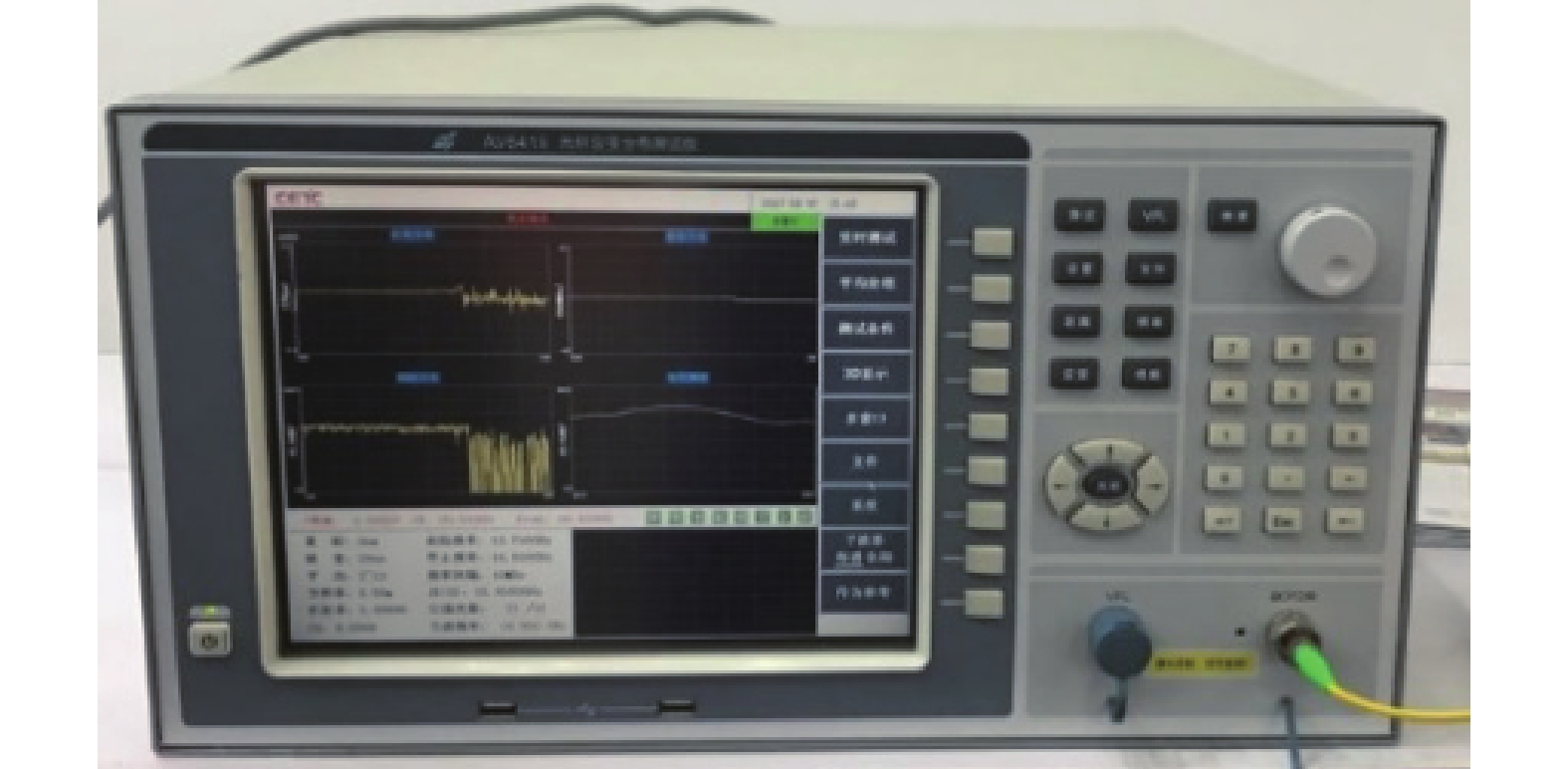
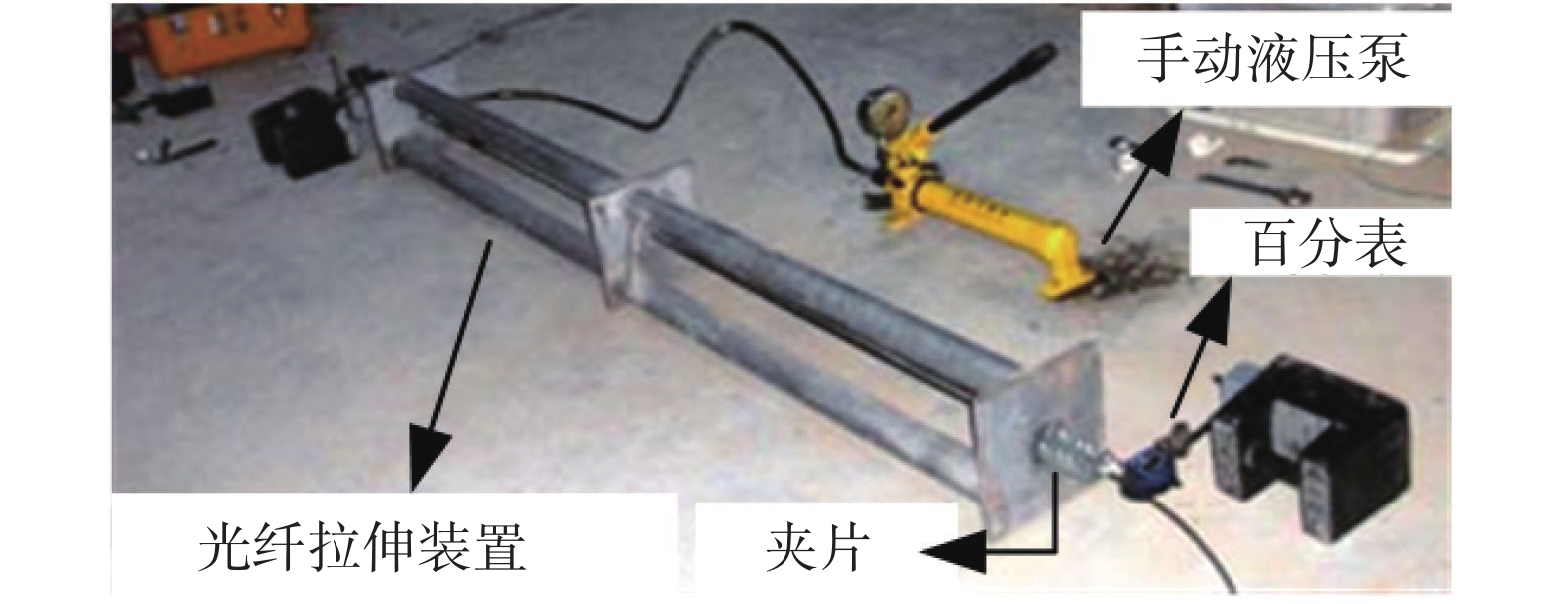
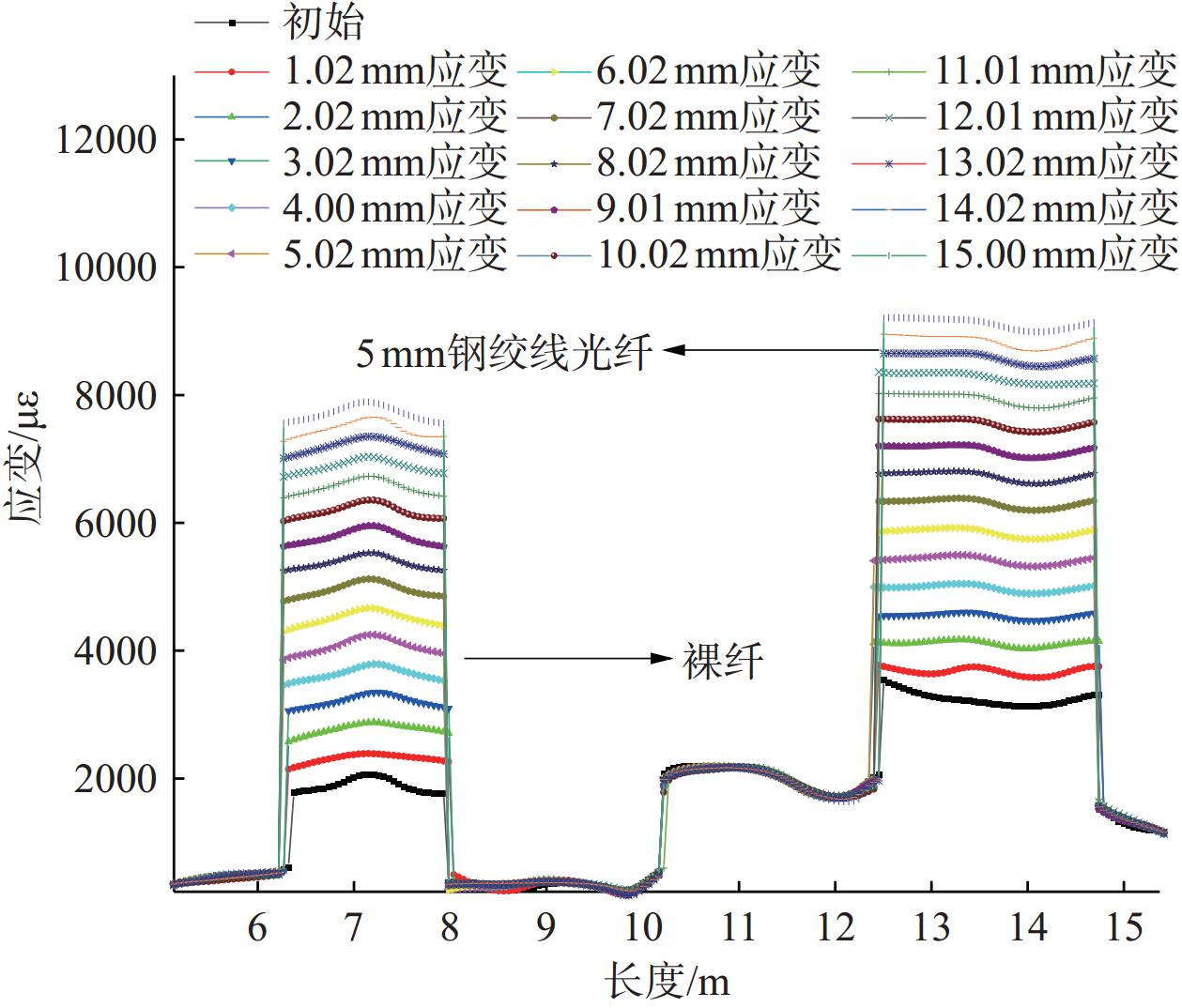
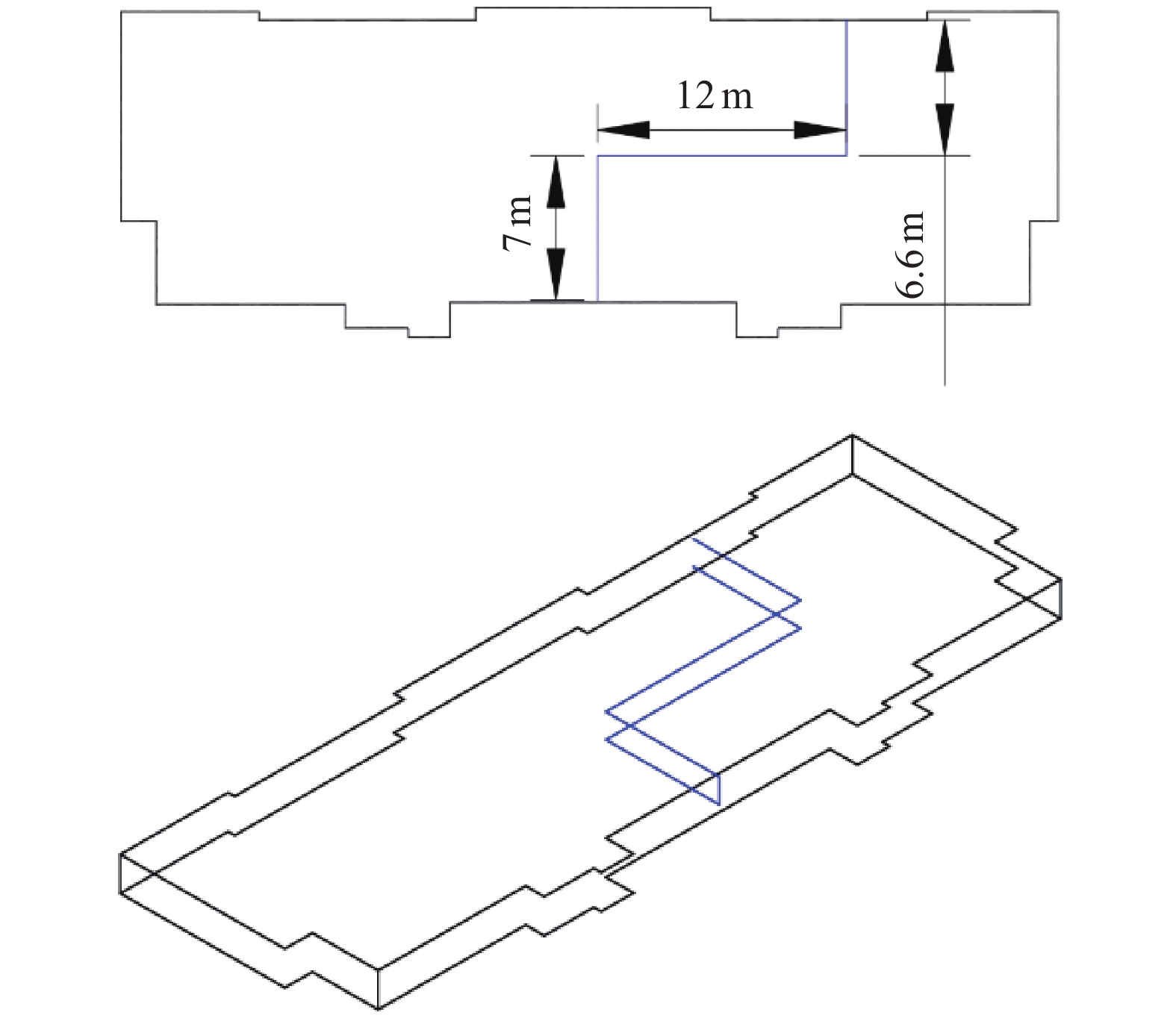
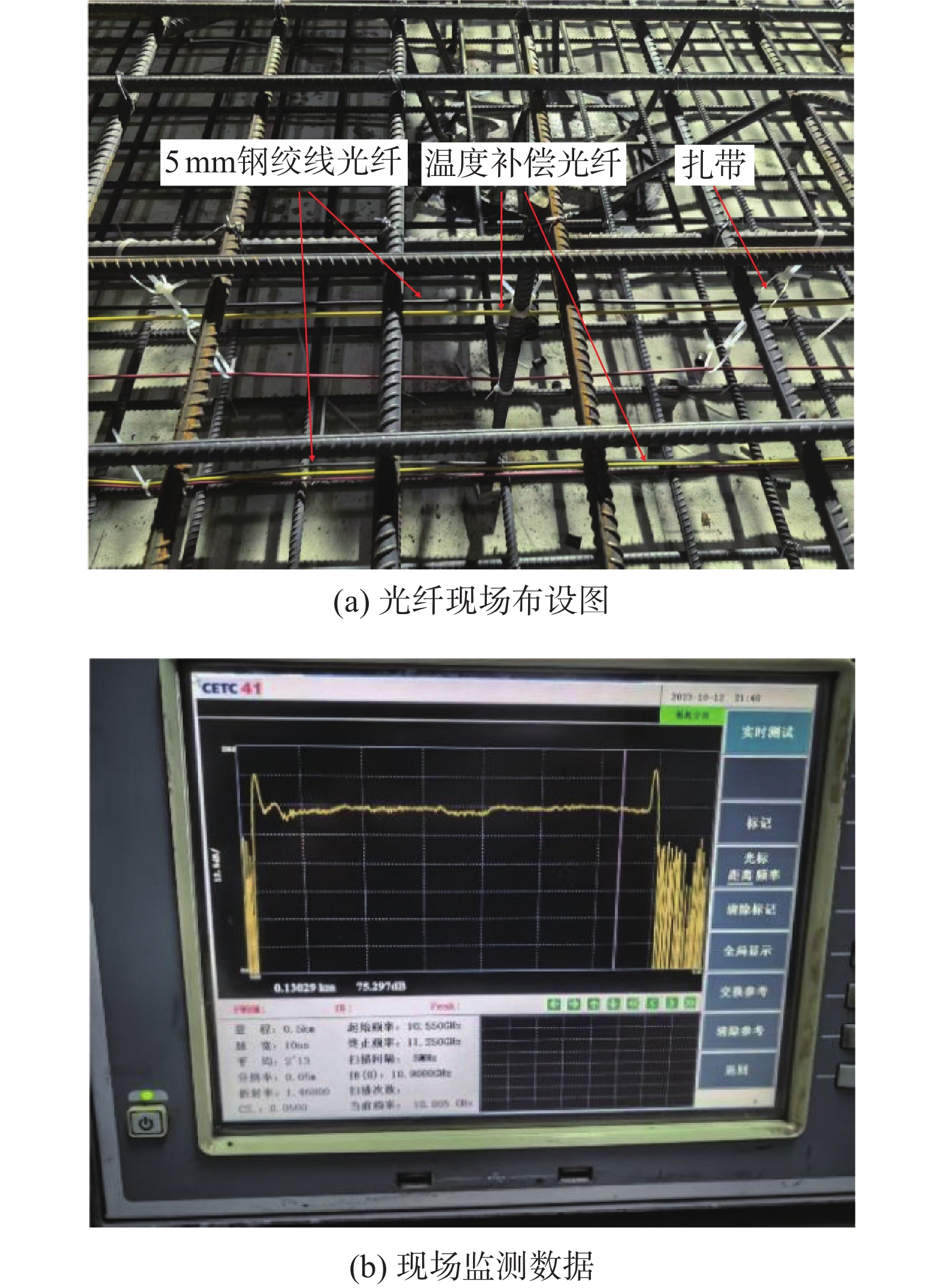
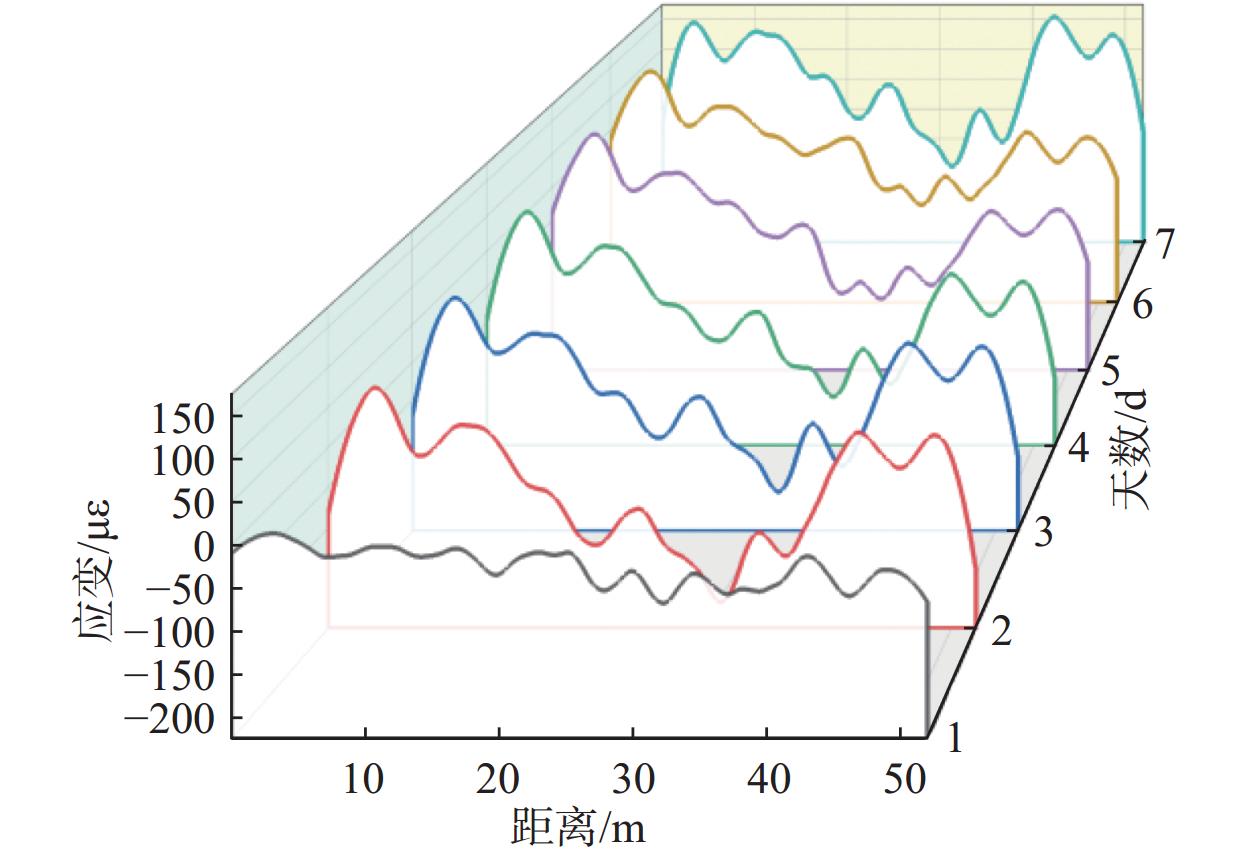
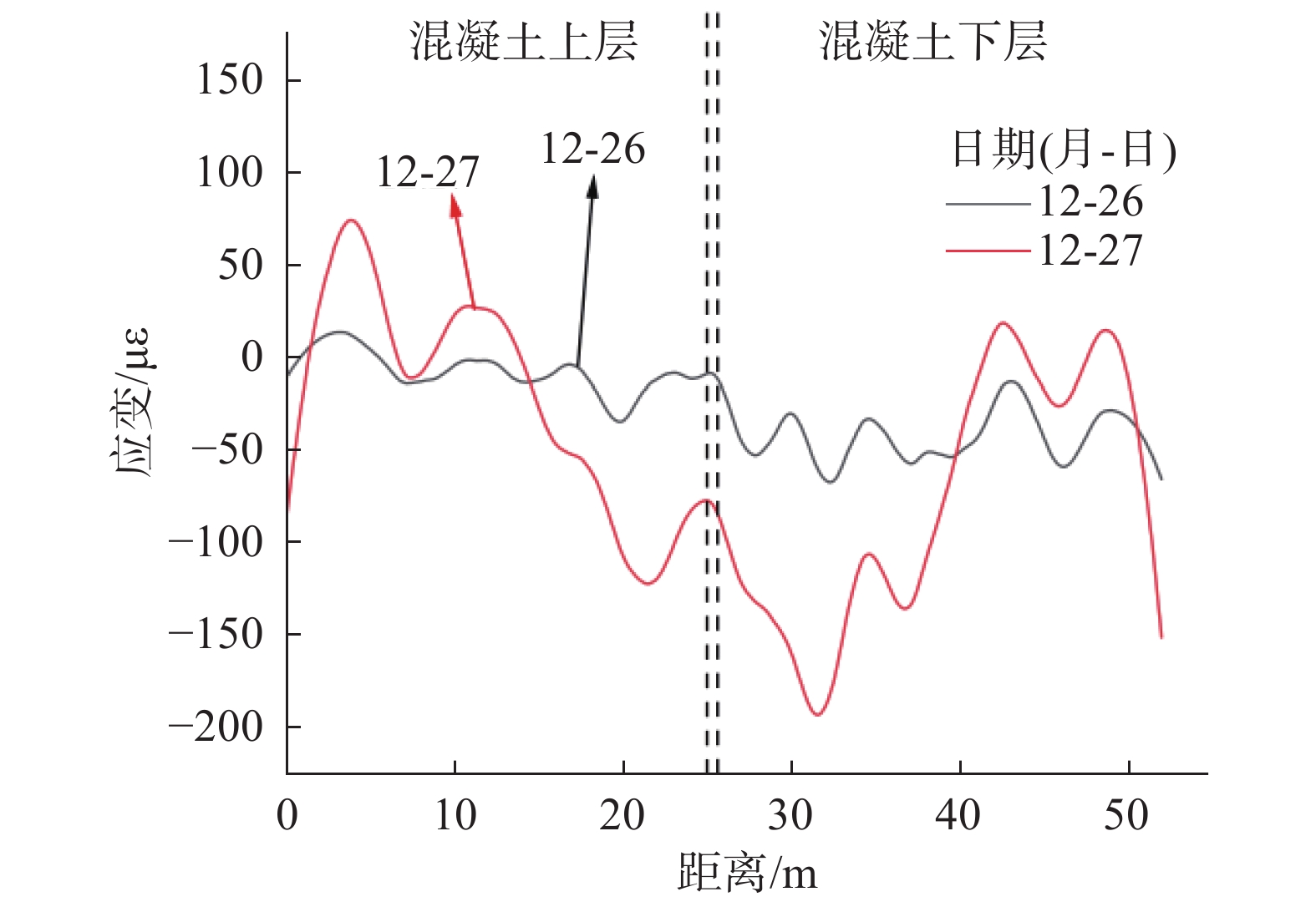
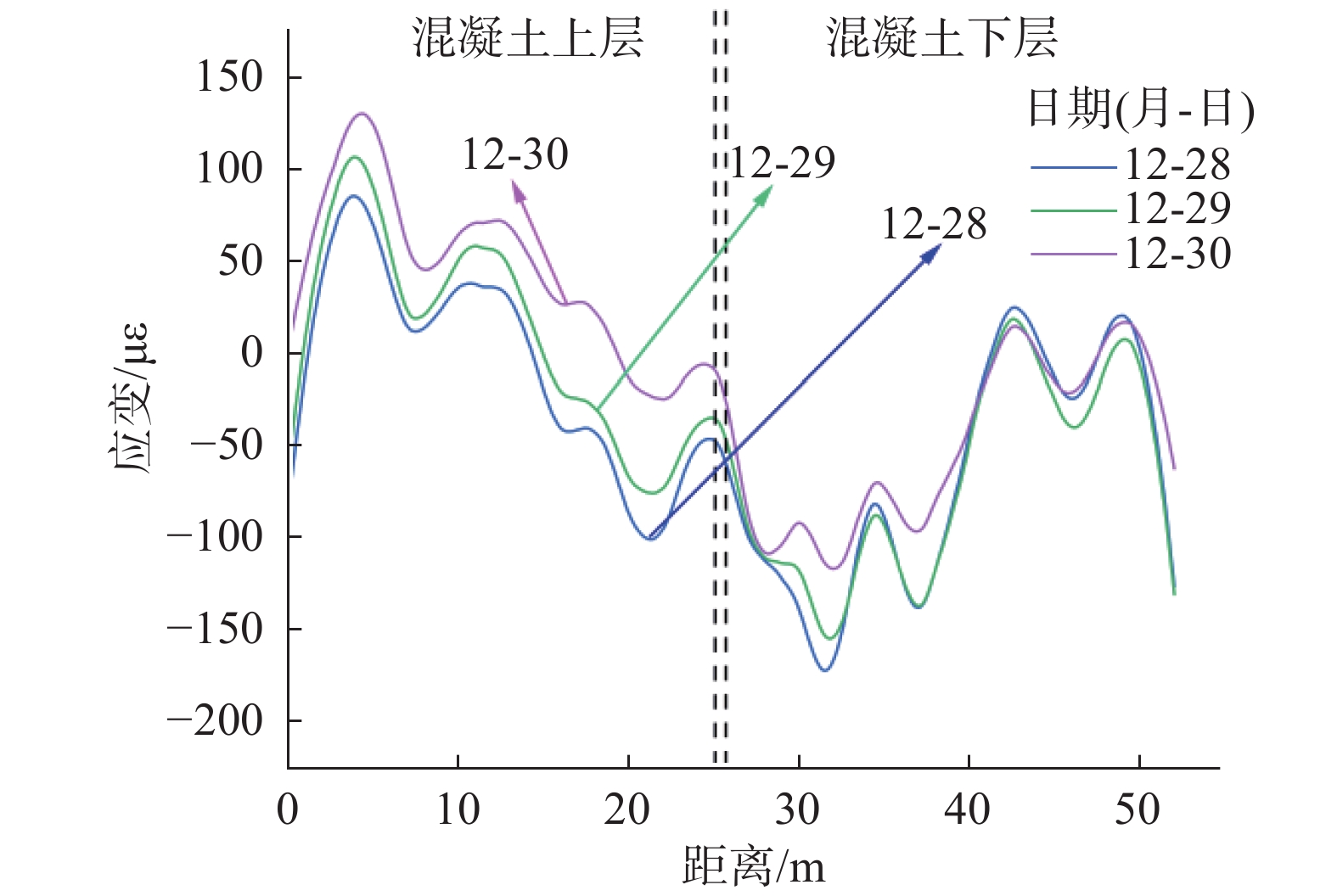
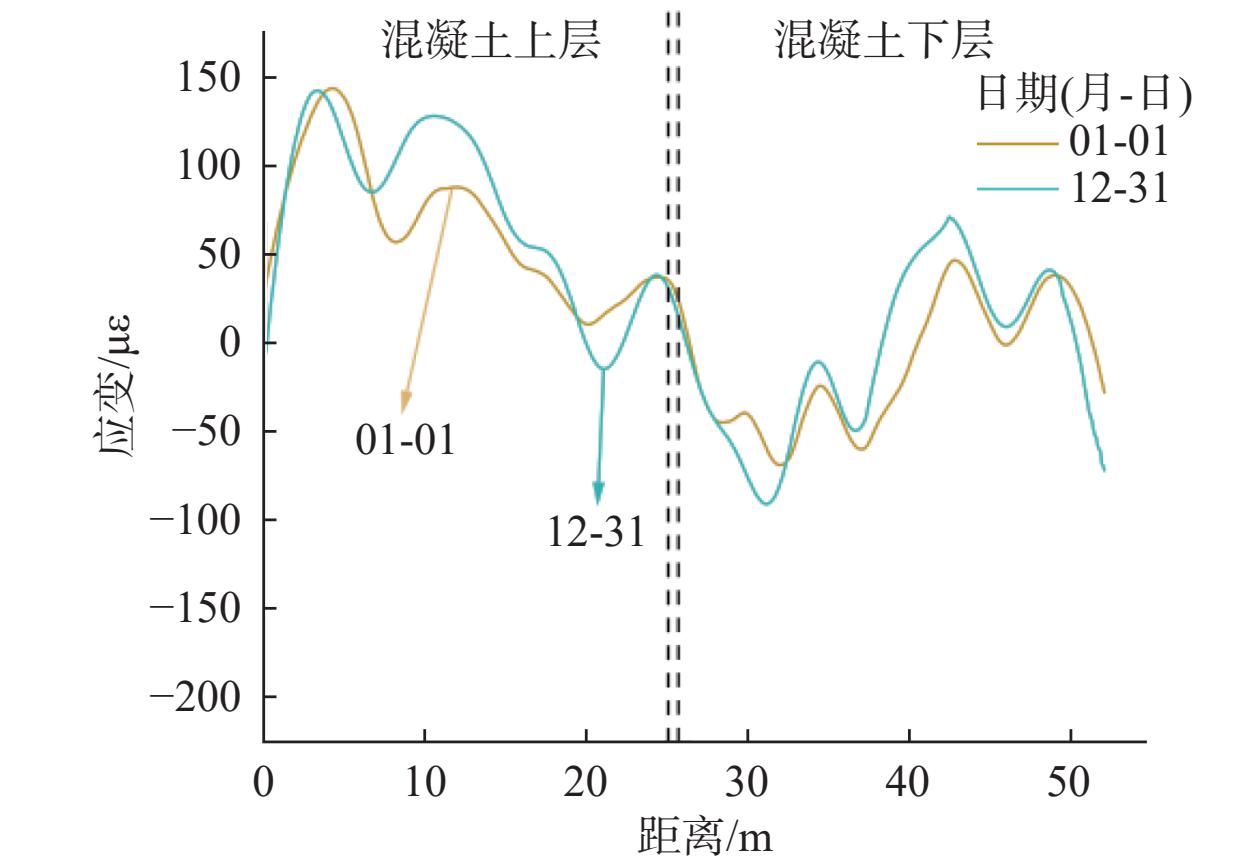
To realize strain monitoring of concrete raft foundation structures, a strain monitoring system based on distributed optical fiber sensing technology was designed and constructed with the concrete raft foundation of a residential project in Kunshan as the engineering background. Laboratory tests and on site monitoring investigations were carried out. Laboratory test results show that the strain transfer efficiency of 5 mm steel strand cased optical fiber reaches 0.9968, which verifies the reliability of this type of optical fiber in practical engineering. Based on the laboratory test results, 5 mm steel strand cased optical fibers were embedded in the concrete raft foundation, which can accurately record the internal strain evolution law of the raft foundation. After concrete pouring, the strain changes drastically during the temperature rising stage with a maximum value of 75 μɛ. The strain further increases during the cooling stage due to temperature gradient, with a peak value of approximately 125 μɛ. As the temperature tends to stabilize, strain growth gradually slows down and begins to decrease in most regions. The research achievements provide engineering application techniques for monitoring the health condition of concrete raft foundations using distributed optical fiber sensing technology.
A thermo-poroelastic model for dual steel casing−cement sheath−formation in deep earth environment
YU Yi, NIU Zihua, AADARSHA Paudyal, SHEN Jiyun, YANG Rongwei
2026, 40(4): 565-575. doi: 10.20265/j.cnki.issn.1007-2993.2025-0072
Abstract:
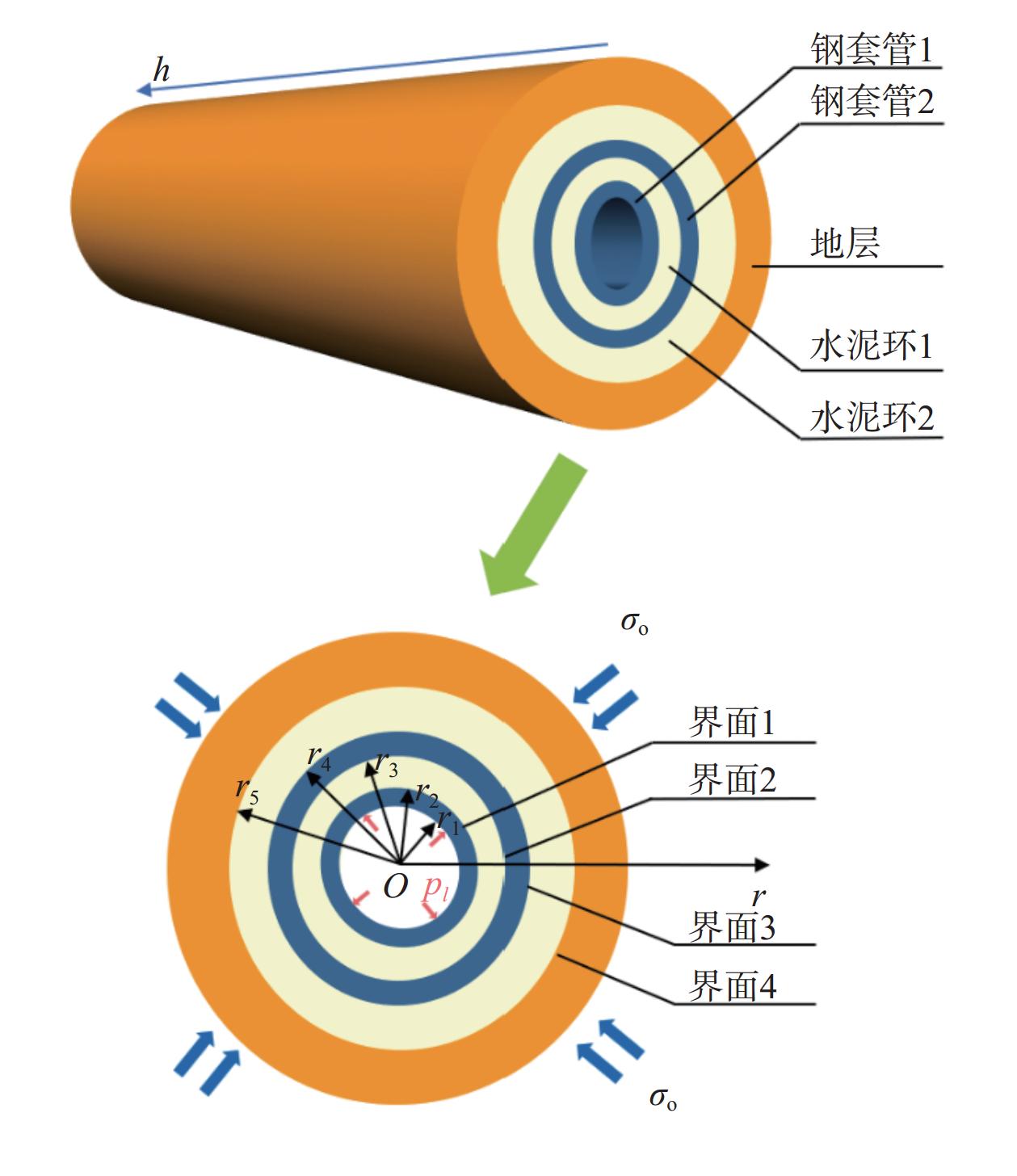
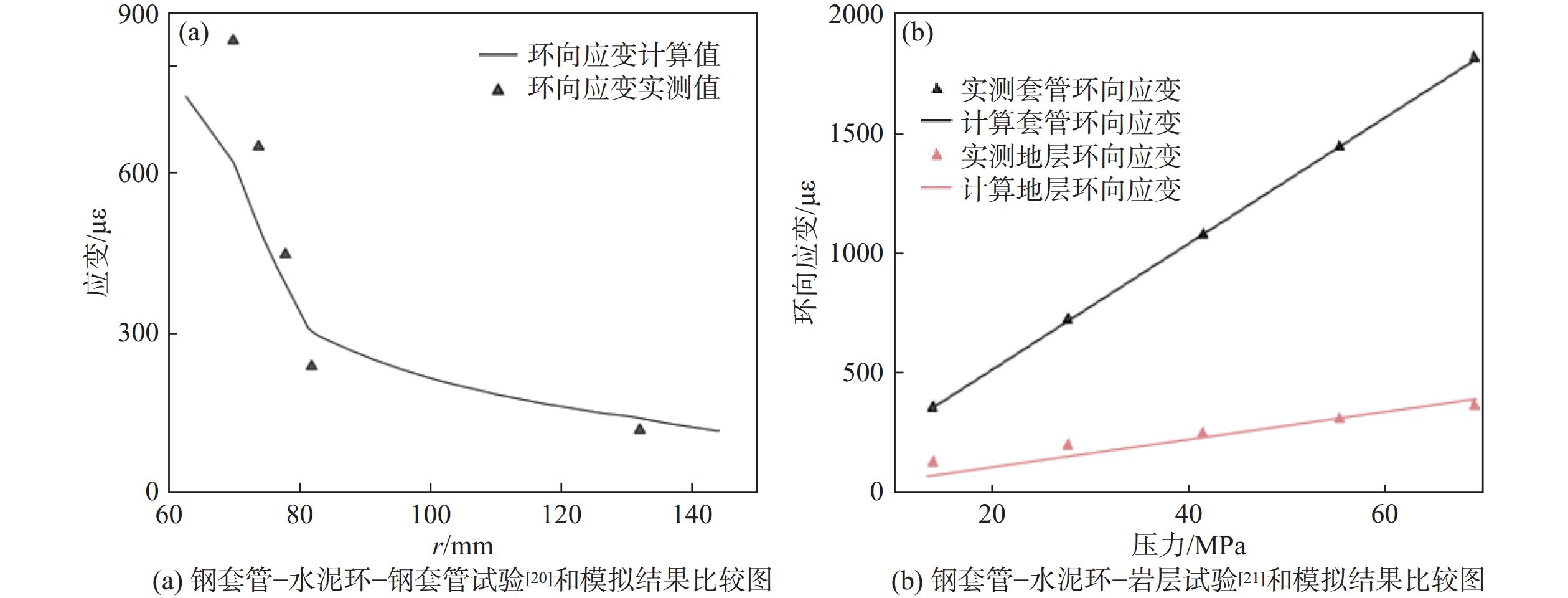
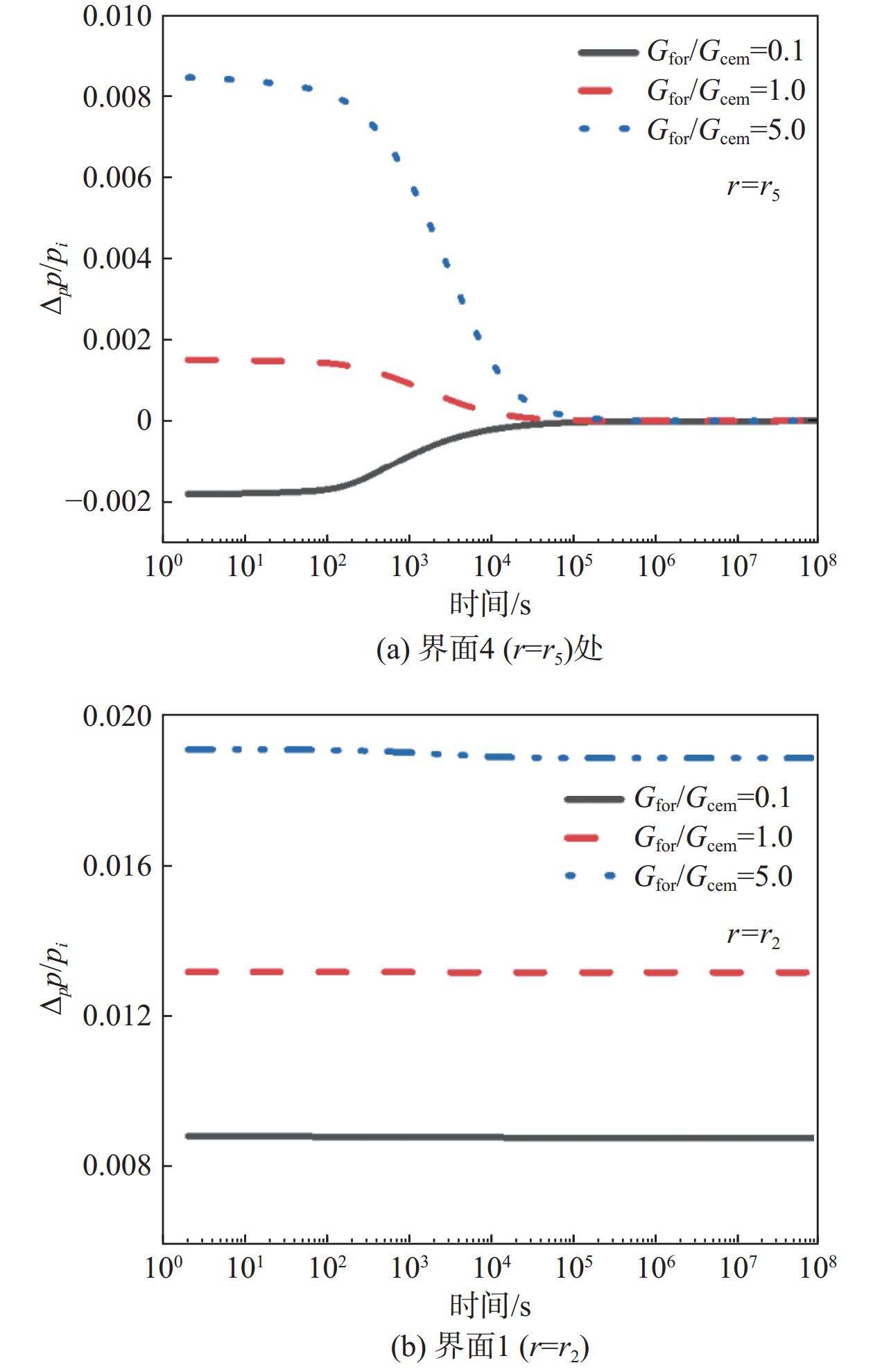
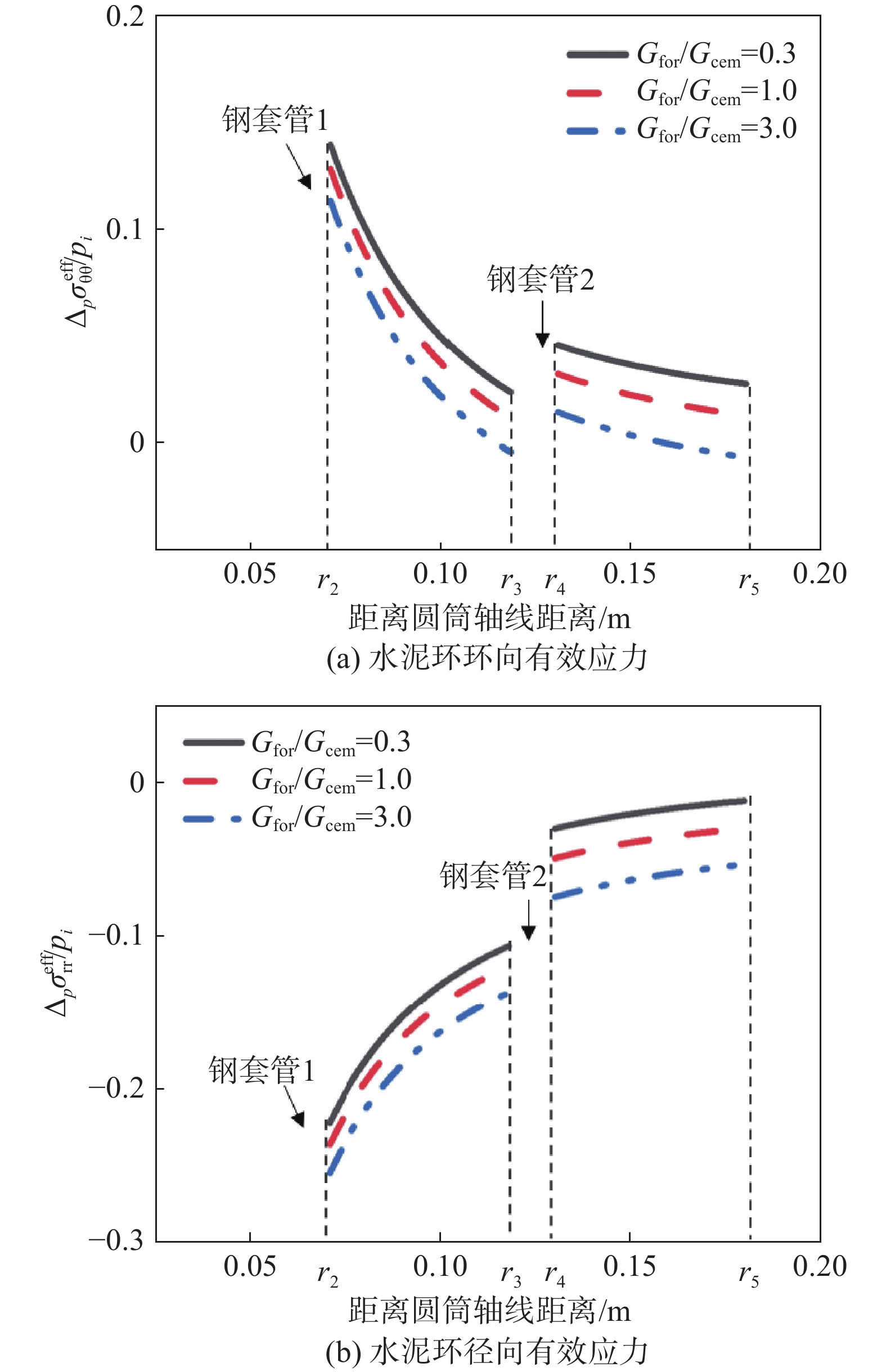
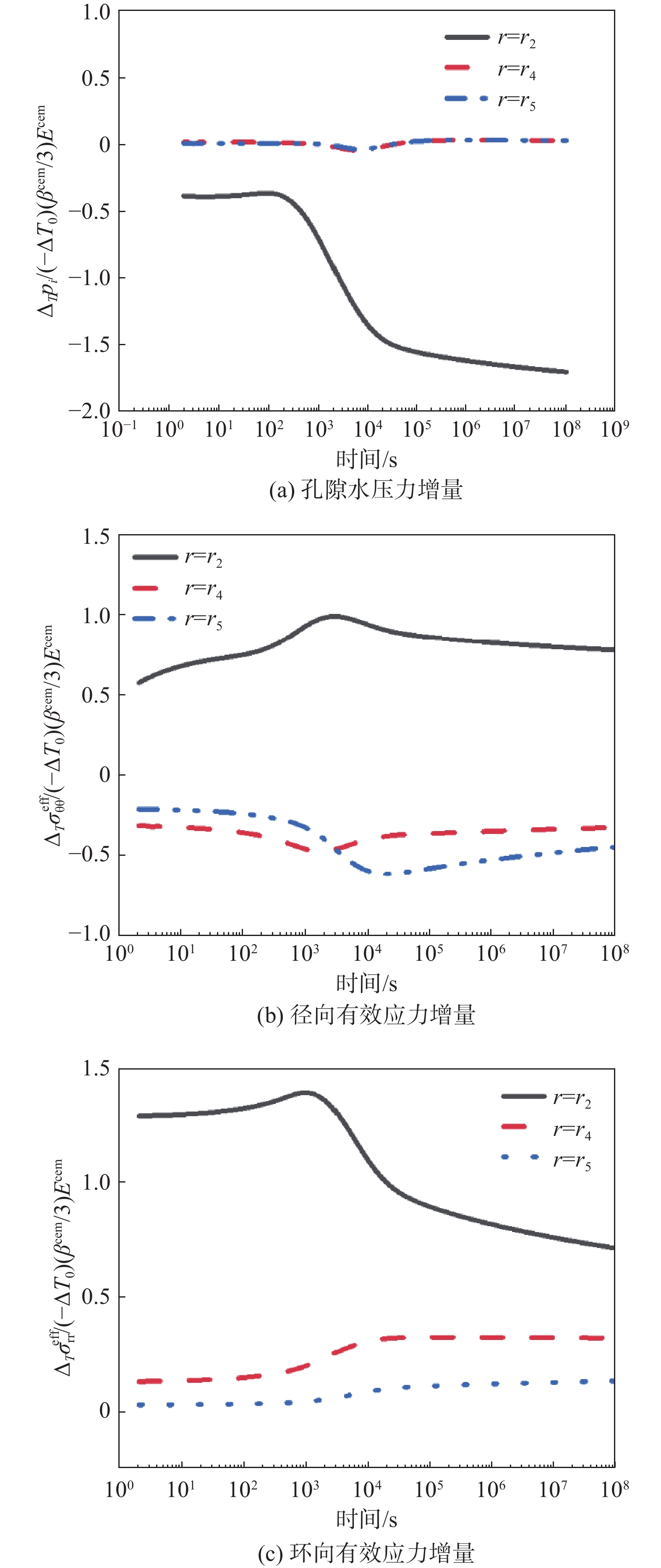
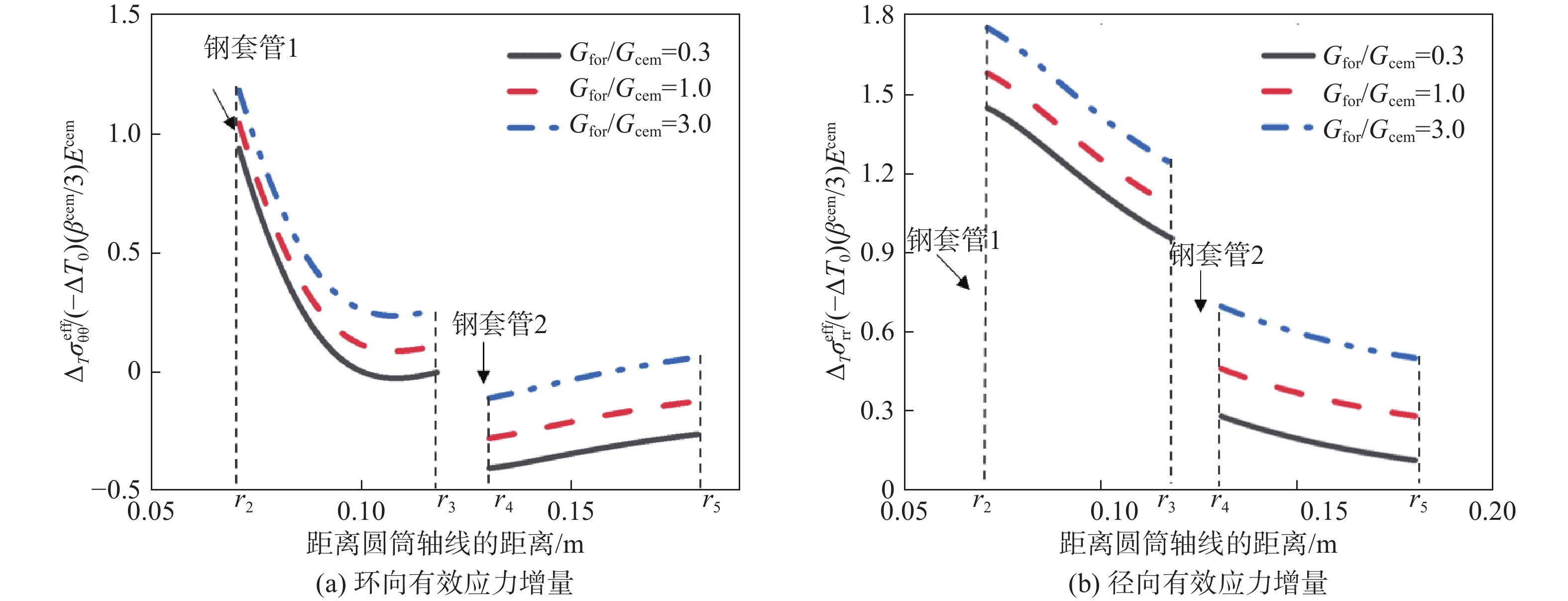
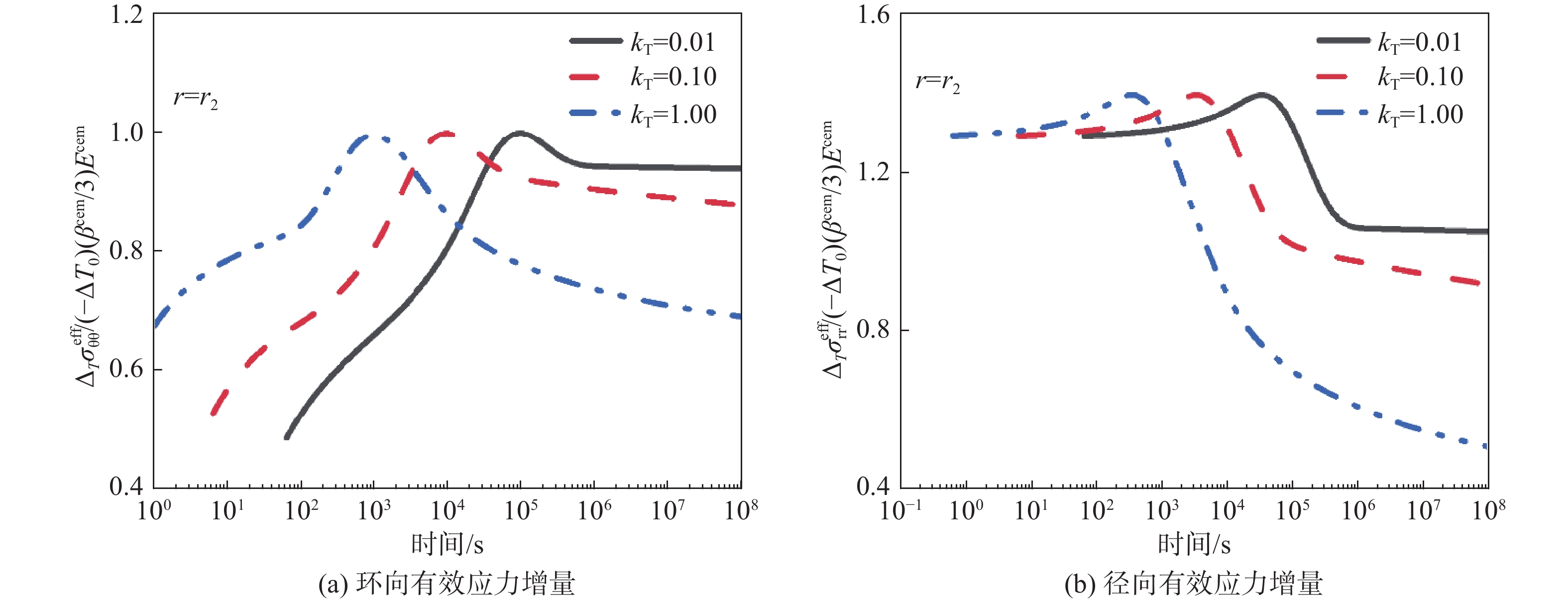
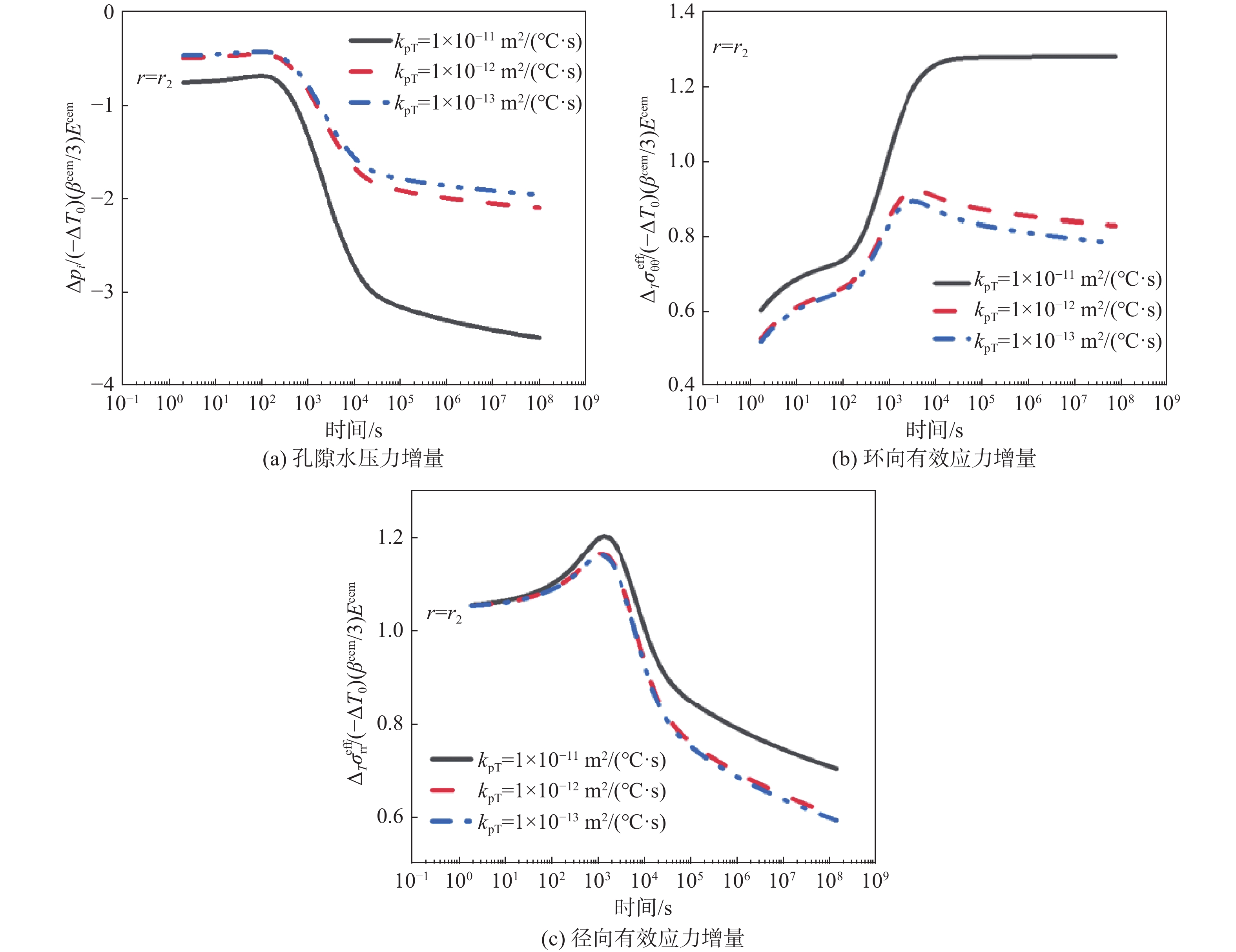
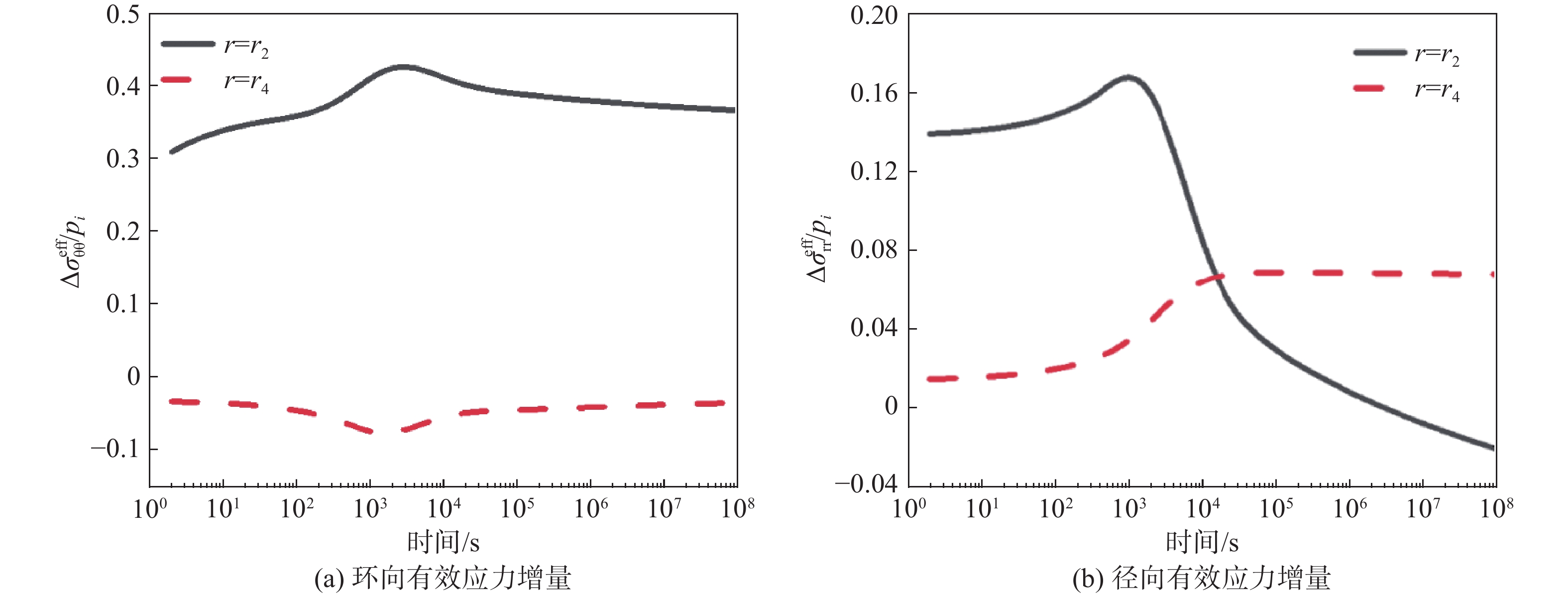
Based on thermo-poroelastic theory and accounting for the thermo-osmotic effect, this work investigates the poroelastic behavior of dual steel casing−cement sheath−formation subject to inner casing pressure and thermal loading. According to the model validation, the model well reproduces the experimental data in the existing literature. The model results show that compared with the drained cement sheath 2, the undrained cement sheath 1 is more susceptible to radial cracking and interface debonding; compared with the application of 50 MPa inner casing pressure, −100 ℃ thermal loading induce higher negative pore pressure at interface 1 of cement sheath 1, whose pore water pressure reach as much as −26.4 MPa, the high negative pore water pressure leads to high effective tensile stress at interface 1, resulting in the radial cracking and debonding of interface 1; when the thermo-osmotic coefficient of cement sheath is higher than 1×10⁻¹² m2/(℃∙s), the thermo-osmotic effect leads to higher negative pore water pressure and thus higher effective tensile stress at interface 1, resulting in radial cracking and interface debonding at interface 1.
Experimental Research
Physical and mechanical properties of expansive soil stabilized with multi-industrial solid wastes
HUANG Zhongqin, LI Weixiong, LIN Jianhui, ZHA Cheng, ZHU Can, LIU Ke
2026, 40(4): 576-589. doi: 10.20265/j.cnki.issn.1007-2993.2025-0171
Abstract:
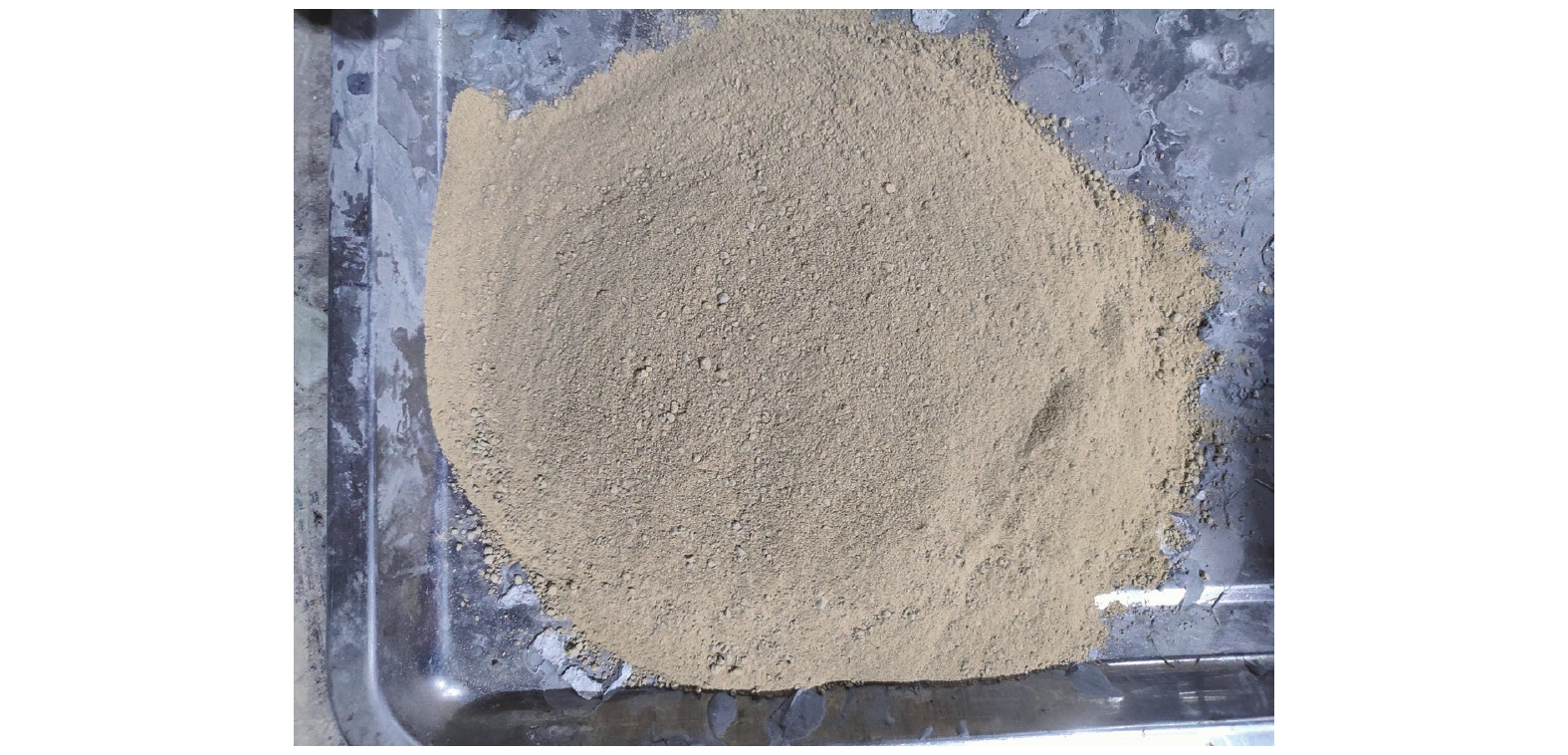
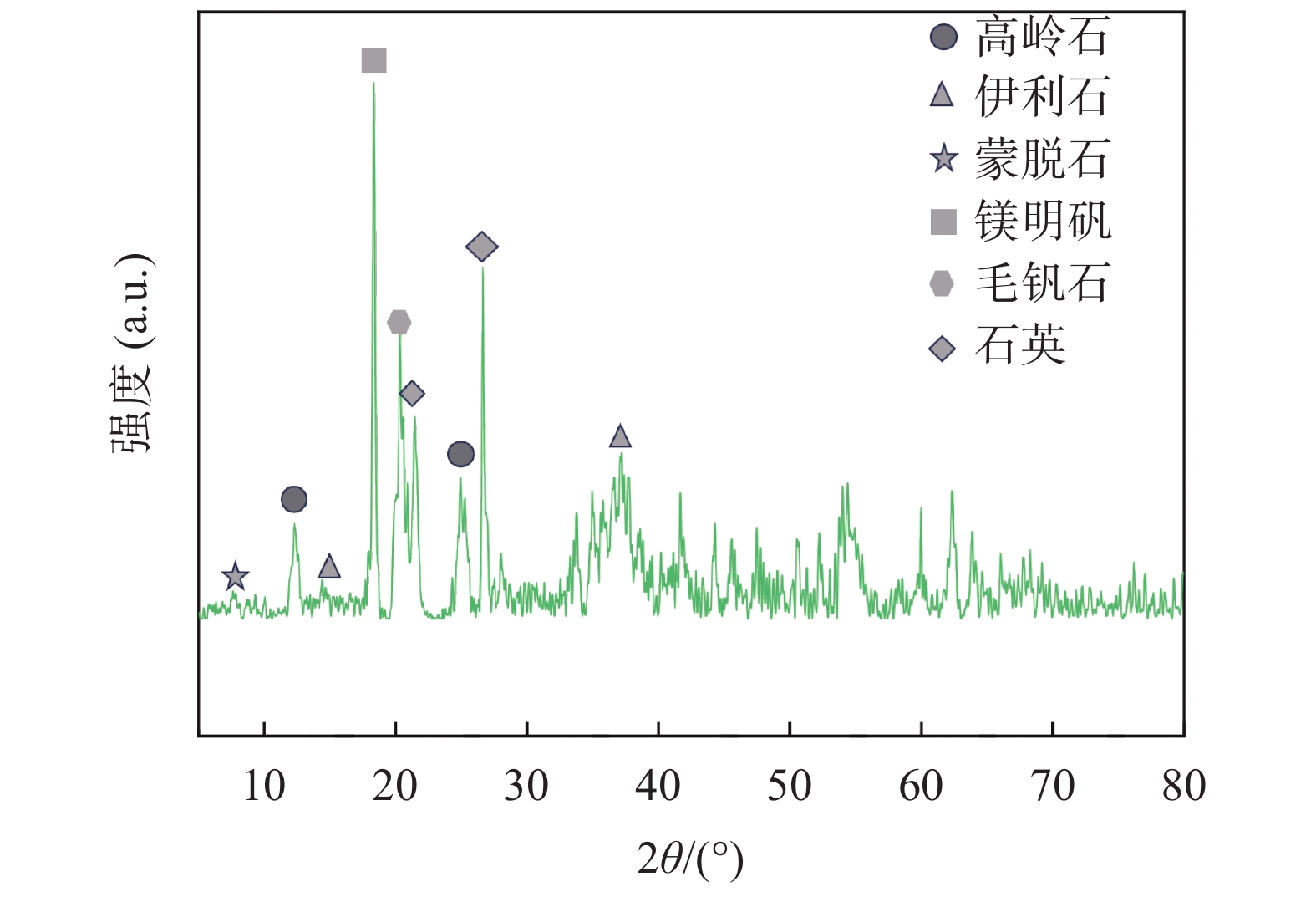
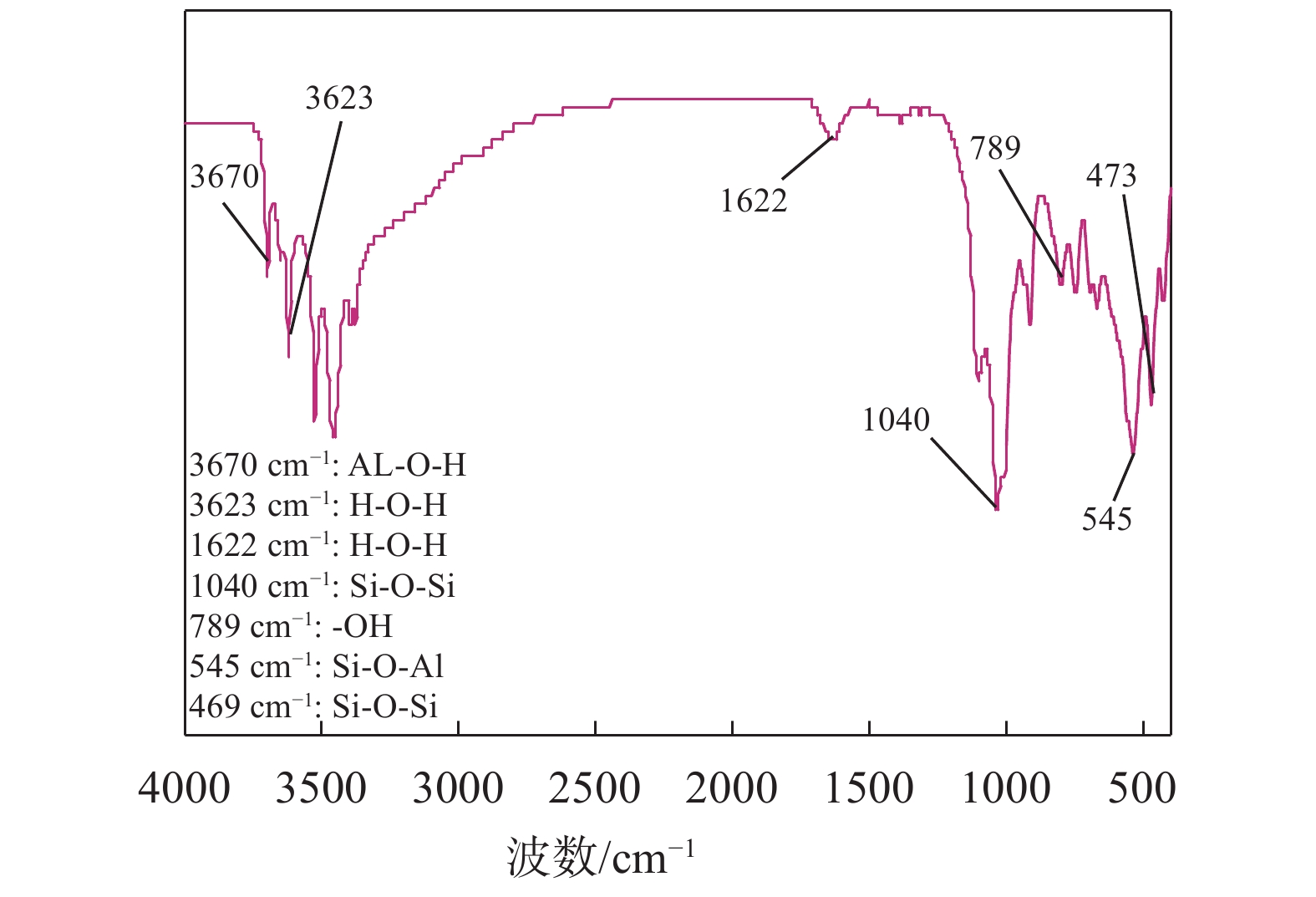
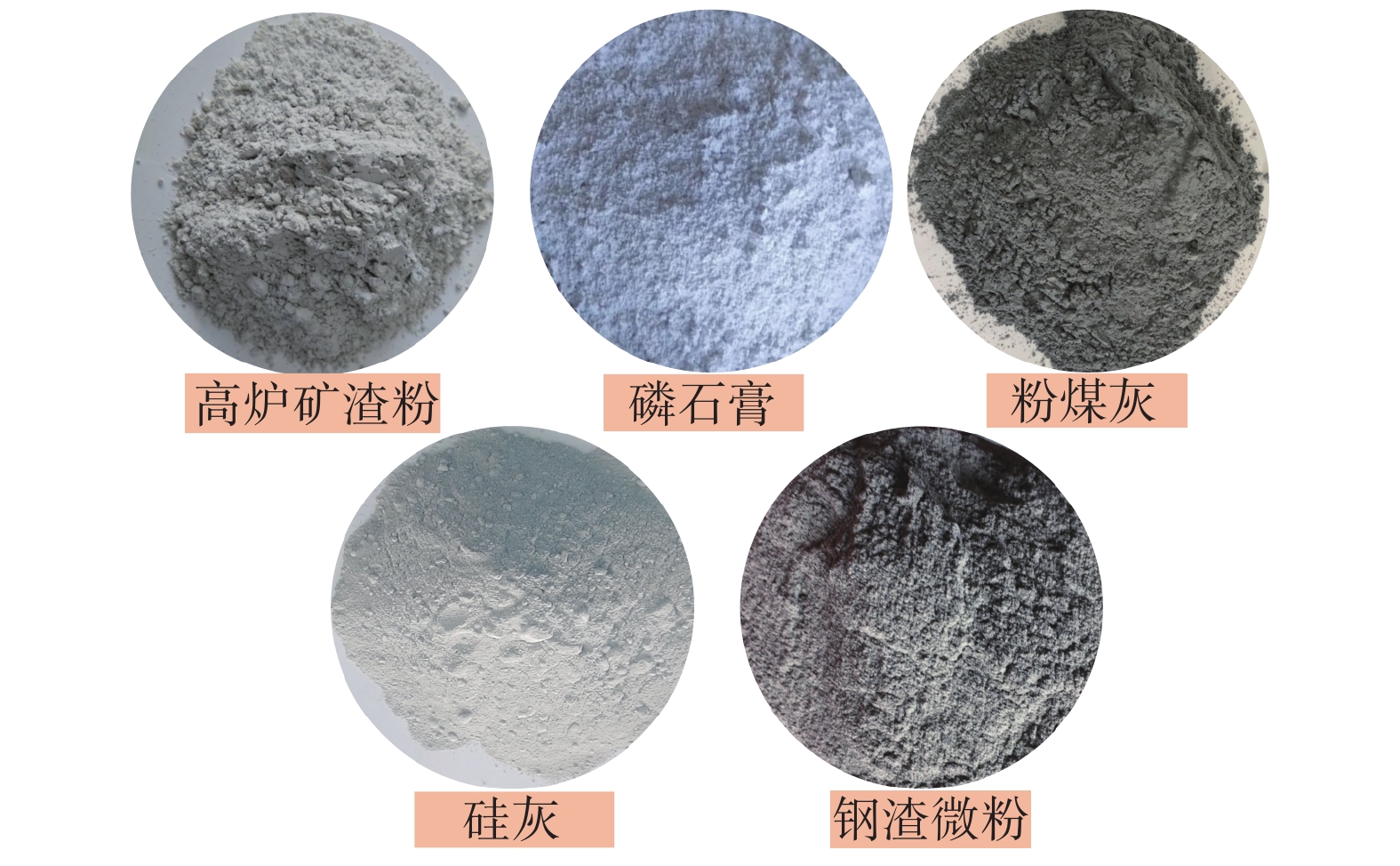
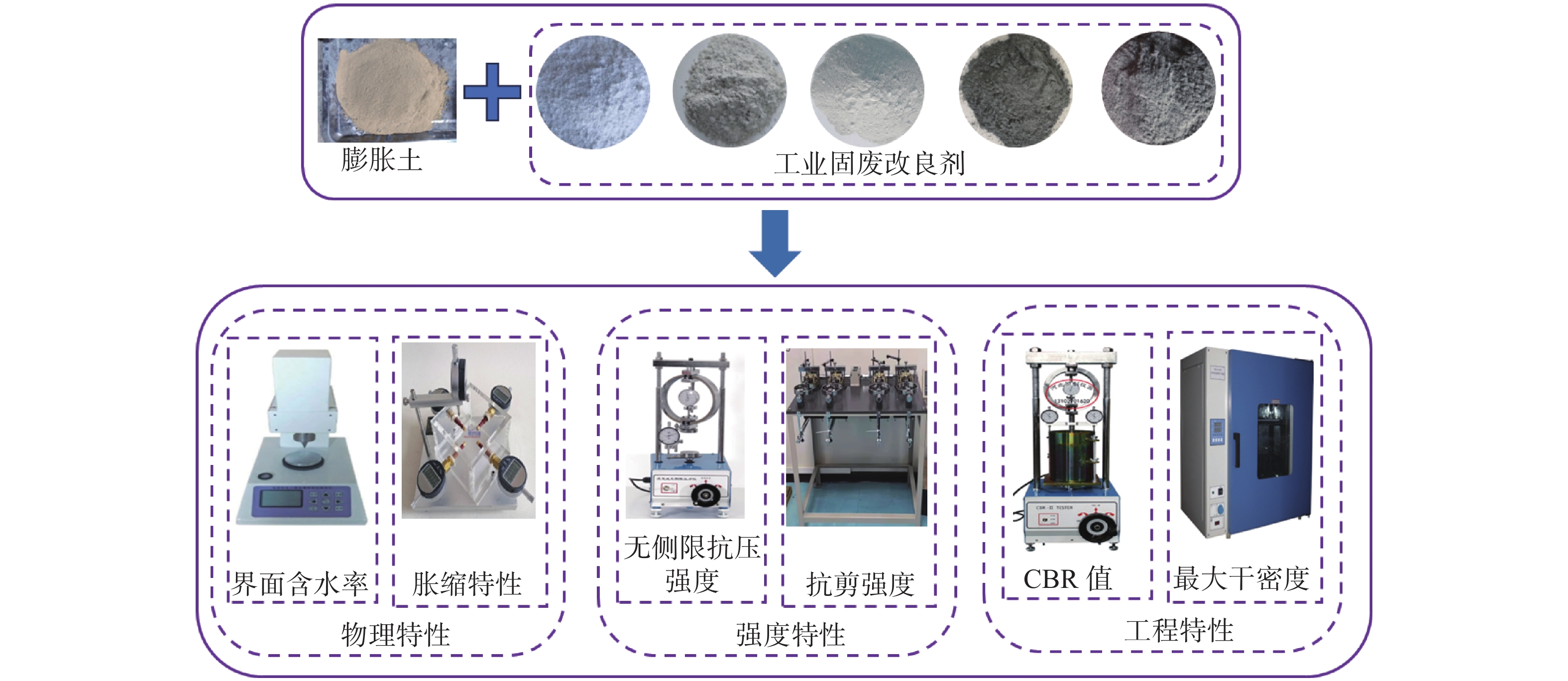
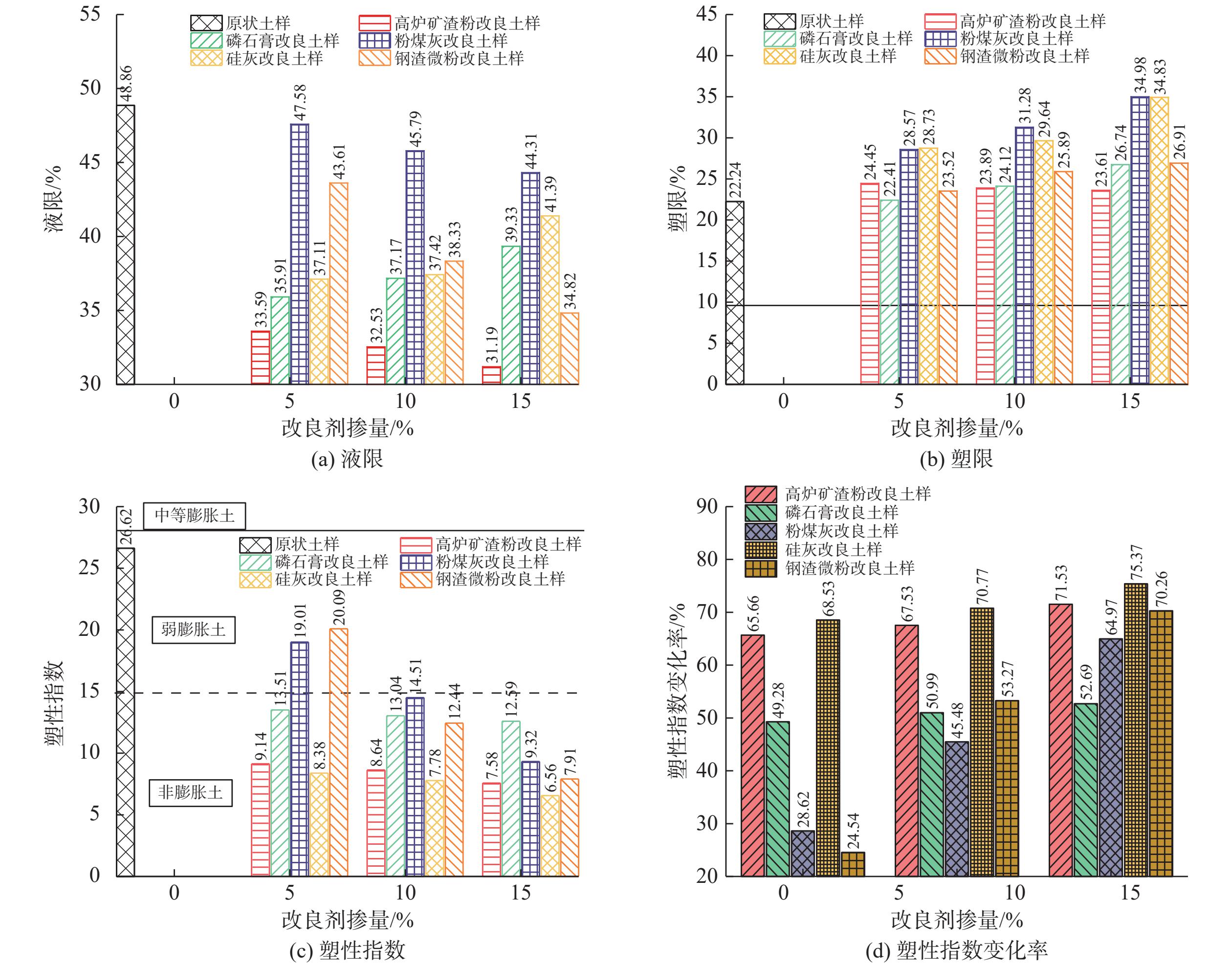
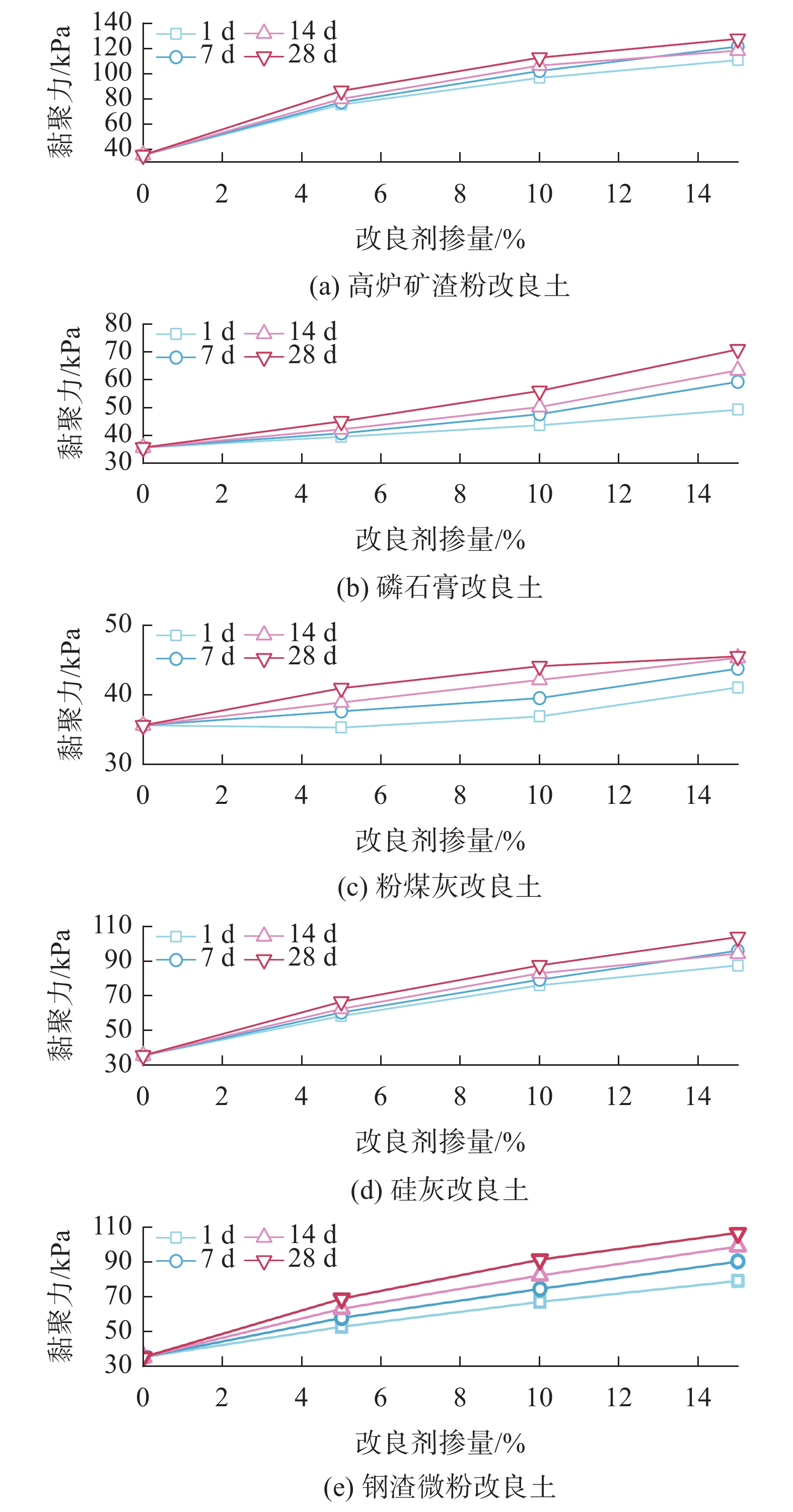
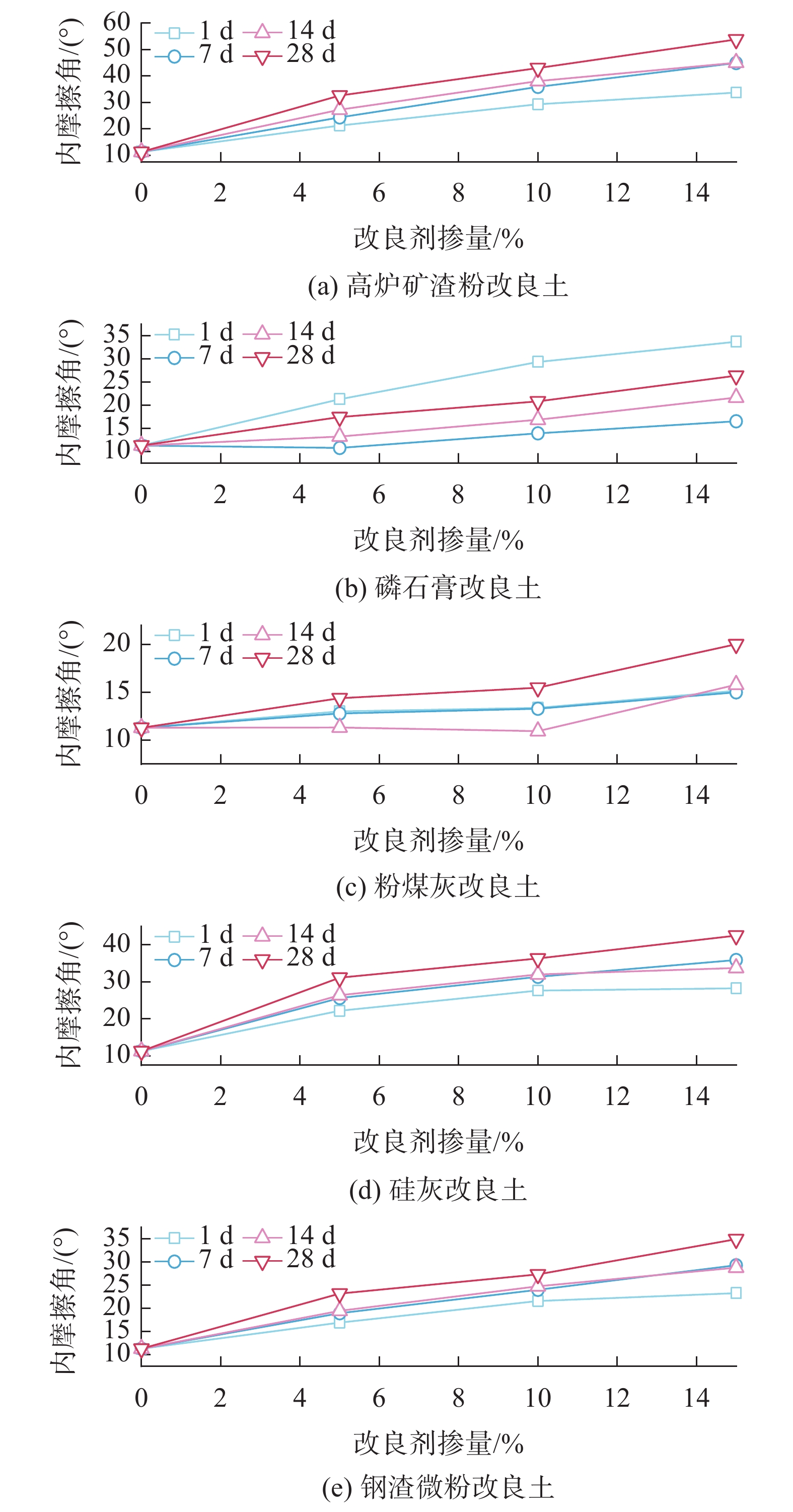
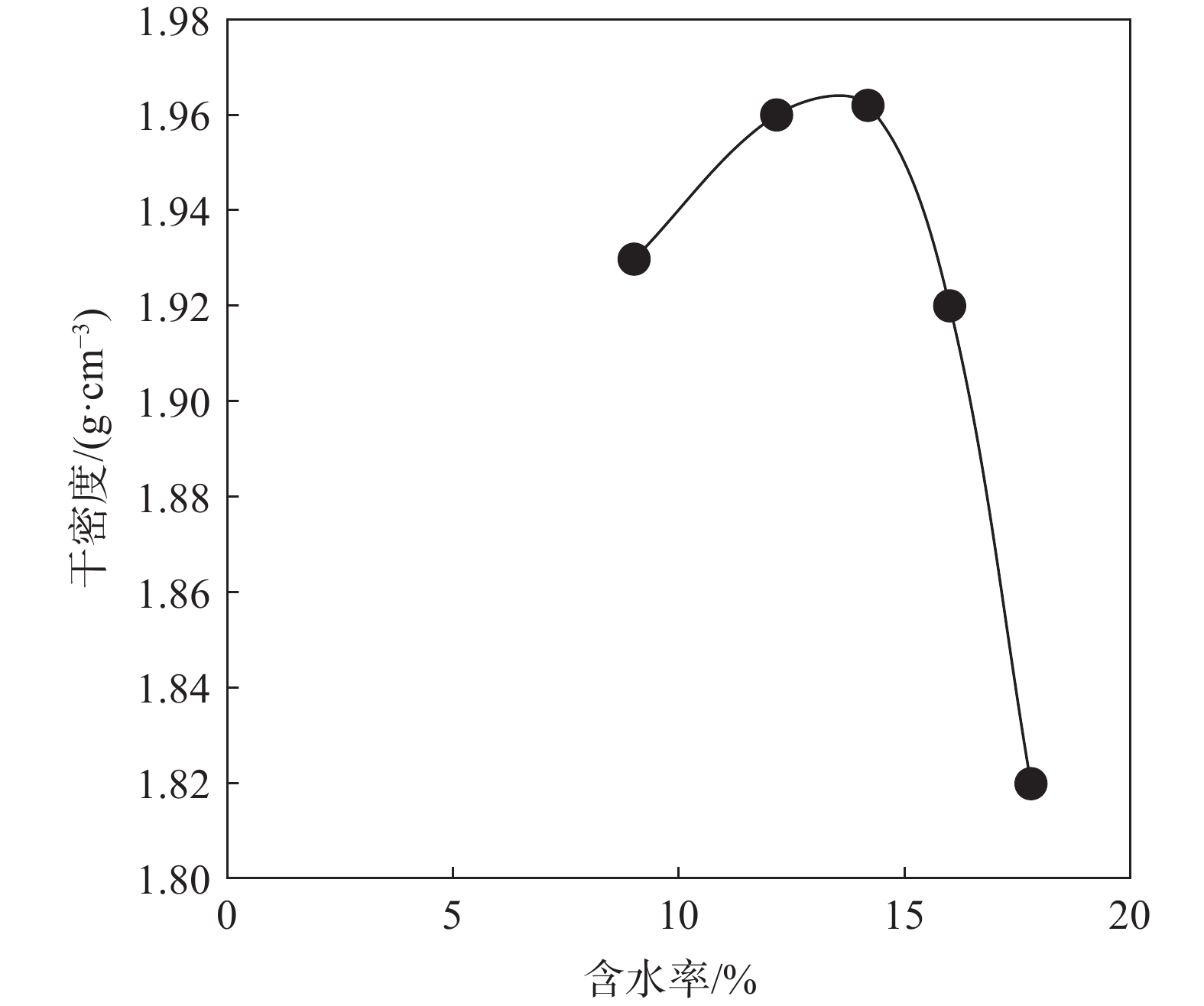
To enhance the strength characteristics and engineering properties of expansive soils while utilizing multiple typical industrial solid wastes, this study explores an improvement technique for expansive soils based on the resource utilization of industrial solid wastes. The research employed five types of industrial solid wastes—blast furnace slag powder, phosphogypsum, fly ash, silica fume, and steel slag micro-powder—as soil amendments. Four dosage levels of 0%, 5%, 10%, and 15% were selected for each amendment. The physical property indicators, strength characteristics, and engineering property indicators of the improved expansive soils were measured. The influence of the type and dosage of industrial solid waste amendments on the performance of expansive soils was analyzed. The results show that the addition of all five industrial solid waste amendments reduced the plasticity range of the expansive soil, with blast furnace slag powder demonstrating the most significant improvement, achieving a 71.53% reduction in the plasticity index. When the amendment dosage reached 10%, all improved expansive soils essentially met the criteria for non-expansive soils. The incorporation of industrial solid wastes effectively reduced the free swell rate and volumetric shrinkage rate of the expansive soil. The free swell rate and the volumetric shrinkage rate decreased by 49.37% and 83.82% for blast furnace slag powder, respectively. The free swell rate and the volumetric shrinkage rate decreased by 61.58% and 80.33% for silica fume, respectively. A significant linear relationship was observed between the amendment dosage and the swell-shrink characteristics of the expansive soil. As the amendment dosage increased, the maximum dry density gradually rose, and both the maximum dry density and optimum moisture content exhibited a significant linear correlation with the amendment dosage, providing a quadratic polynomial quantitative model for expansive soil improvement technology. The industrial solid waste amendments significantly enhanced the strength of the expansive soil, with blast furnace slag powder showing the greatest improvement in compressive strength, followed by silica fume and steel slag micro-powder, while phosphogypsum and fly ash performed relatively poorly. The bearing capacity of all solid waste-improved expansive soils was higher than that of the untreated soil, with the California Bearing Ratio (CBR) values of blast furnace slag powder- and silica fume-improved soils increasing remarkably, demonstrating excellent load-bearing capacity. The research findings are expected to provide theoretical support for the innovative development of expansive soil improvement technology, promote the refinement and sustainability of such techniques, and further advance the application of industrial solid waste resource utilization in civil engineering.

Experimental study on resistivity response of fly ash slurry in fractured rock mass based on test frequency
LI Chuang, LIU Hui, LI Pei, PAN Aifang, HU Xin, ZHENG Xinchao
2026, 40(4): 590-597. doi: 10.20265/j.cnki.issn.1007-2993.2025-0206
Abstract:
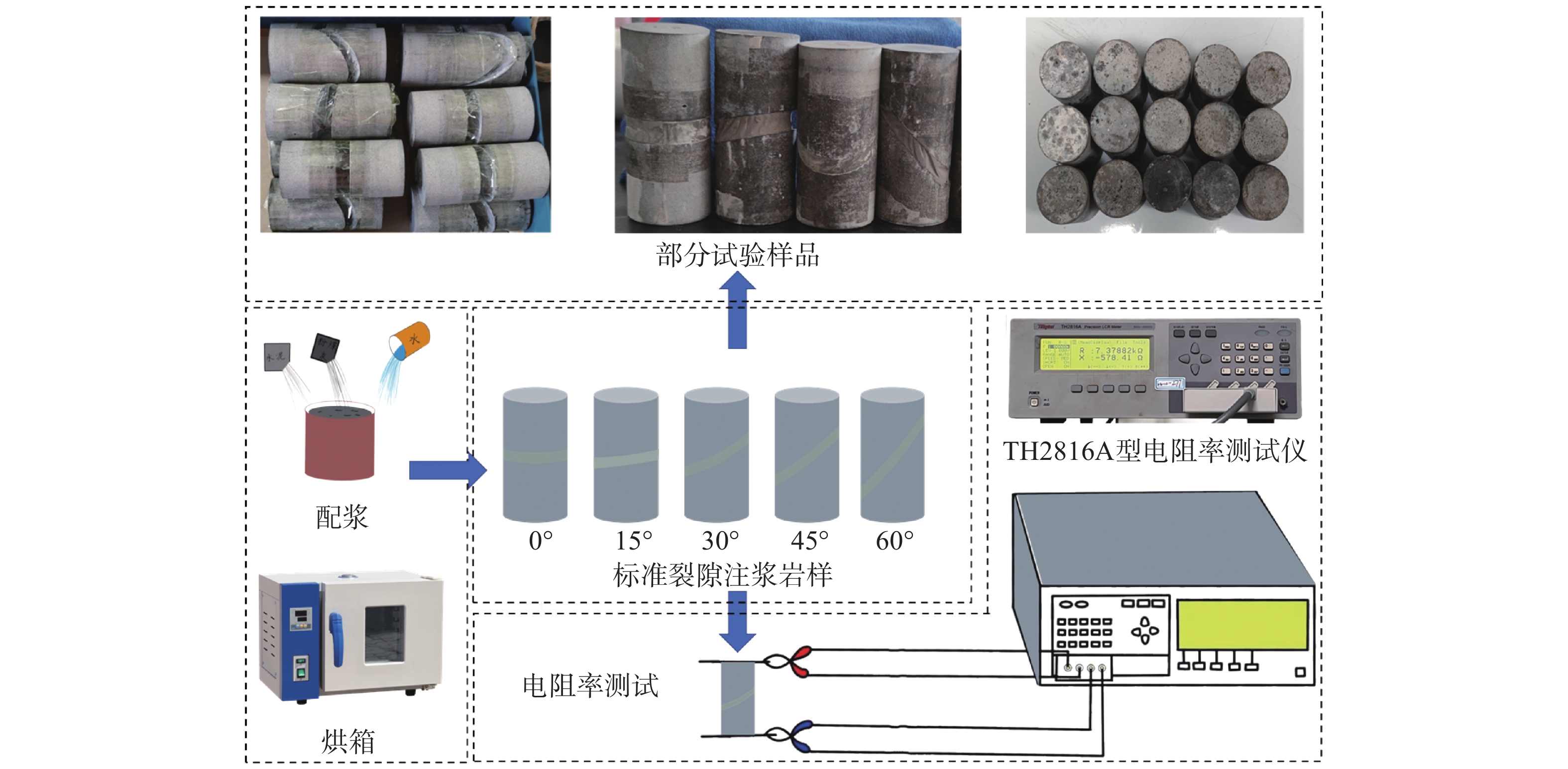
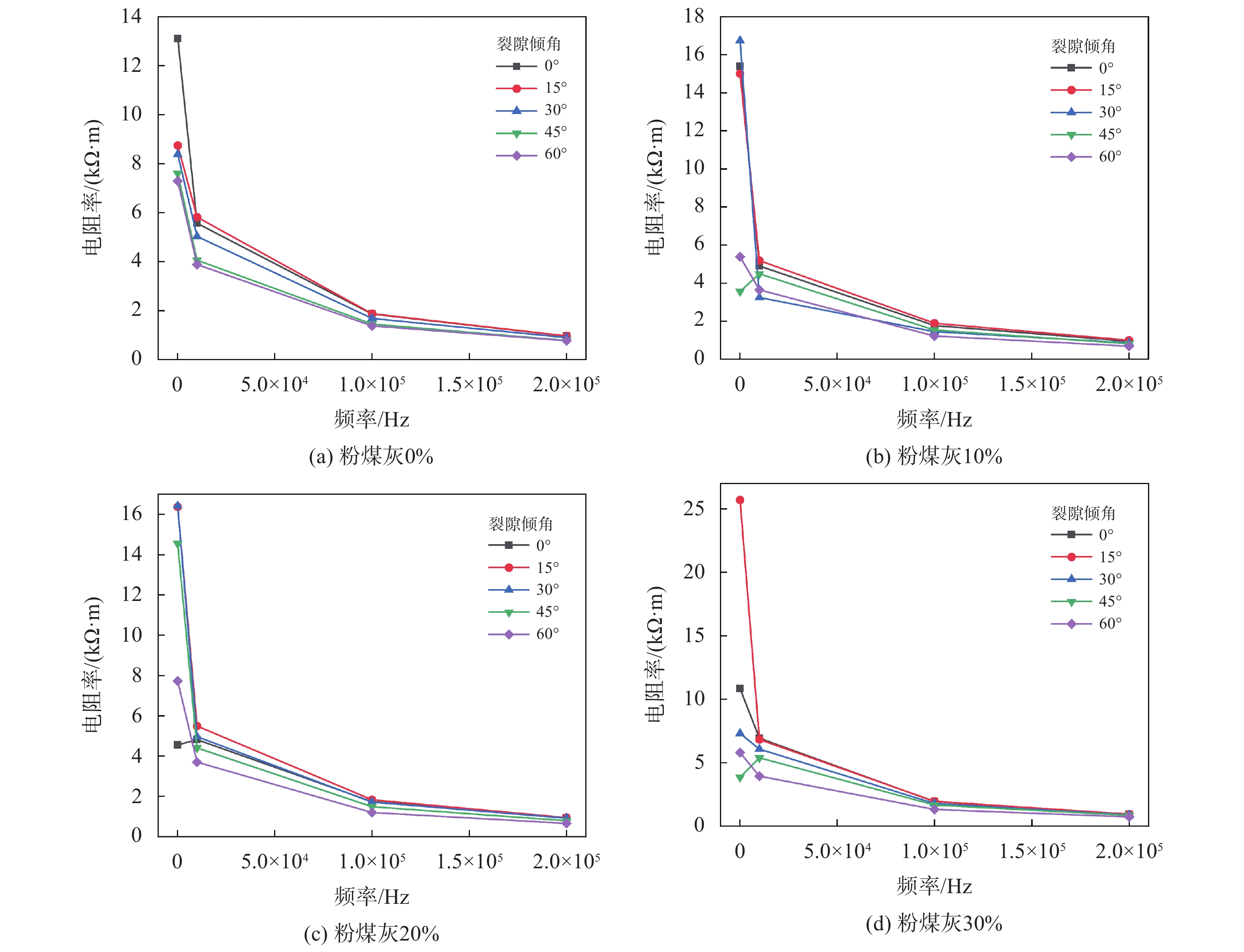
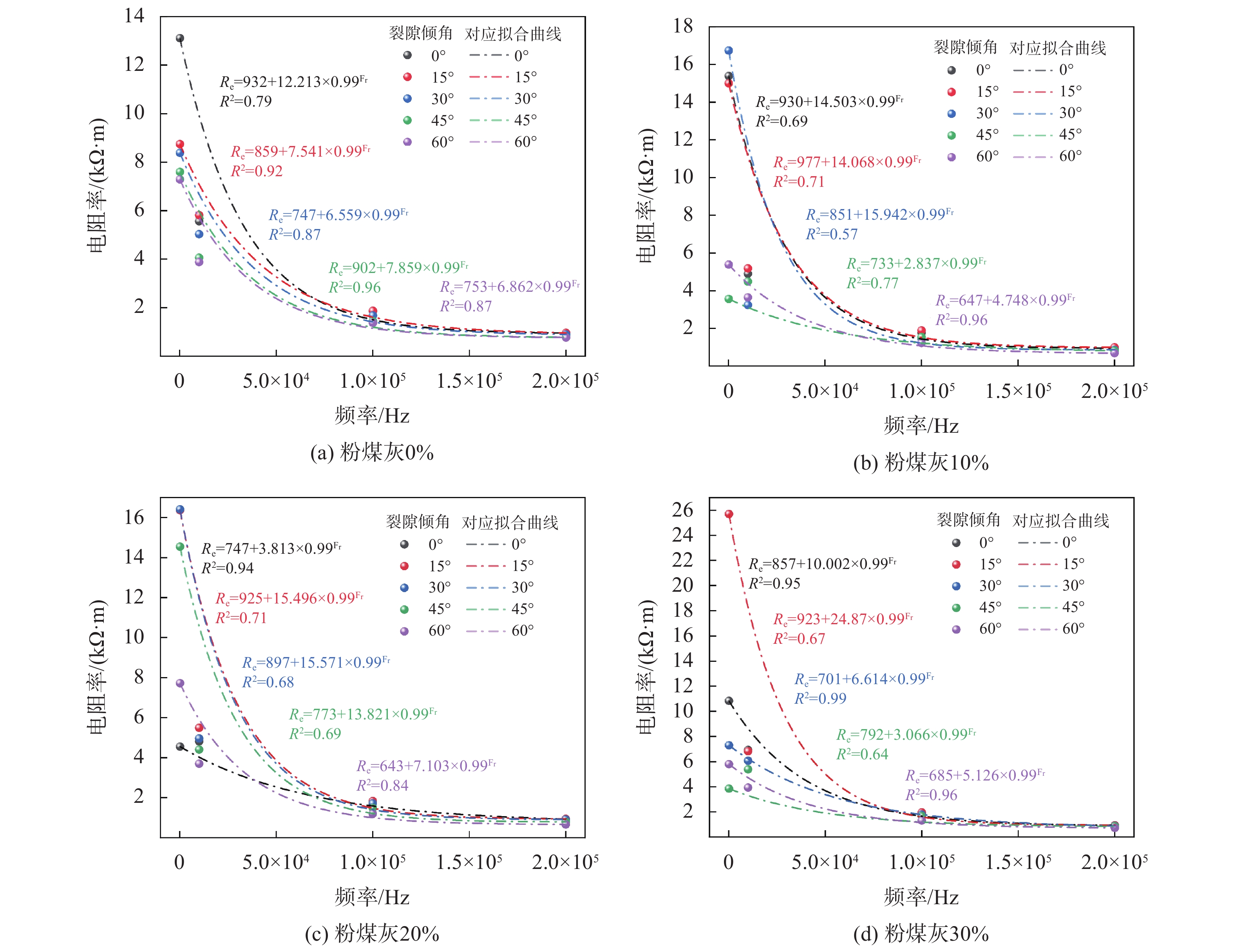
The resistivity of fractured rock is a key parameter in geophysical exploration, and its frequency-dependent characteristics play a crucial role in determining the accuracy of data interpretation. In this study, resistivity tests were conducted on fractured rock specimens with varying fracture inclinations and fly ash contents under different frequencies (100 Hz, 10 kHz, 100 kHz, and 200 kHz). The objective was to investigate the response of rock resistivity to frequency variations. The experimental results show that resistivity is generally negatively correlated with frequency. In the high-frequency range (10~200 kHz), resistivity changes are more stable compared with those in the low-frequency range (100~10000 Hz). Moreover, the rate of resistivity reduction decreases progressively with increasing frequency until it approaches a stable value. Curve fitting further demonstrates that, under different experimental conditions, the resistivity of fractured rock exhibits a strong exponential relationship with frequency, with a good fitting performance. The research can provide effective theoretical data for dynamic monitoring and safety assessment of rock mass grouting engineering.
Experimental study on safety failure of clay subgrade filler under vibration-shear coupling subjected to traffic loads
XUAN Shoutong, ZHAO Qinlai
2026, 40(4): 598-607. doi: 10.20265/j.cnki.issn.1007-2993.2025-0125
Abstract:
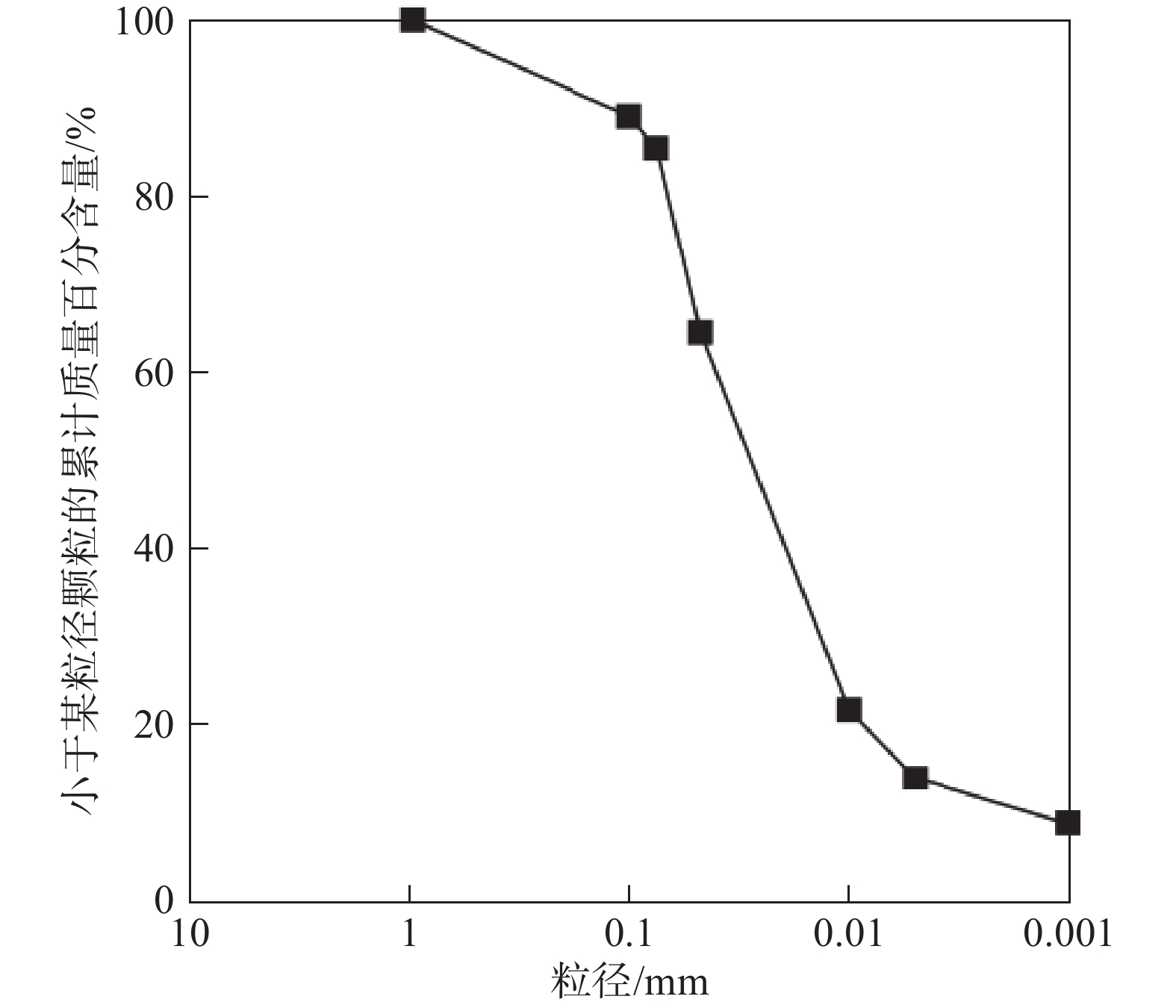
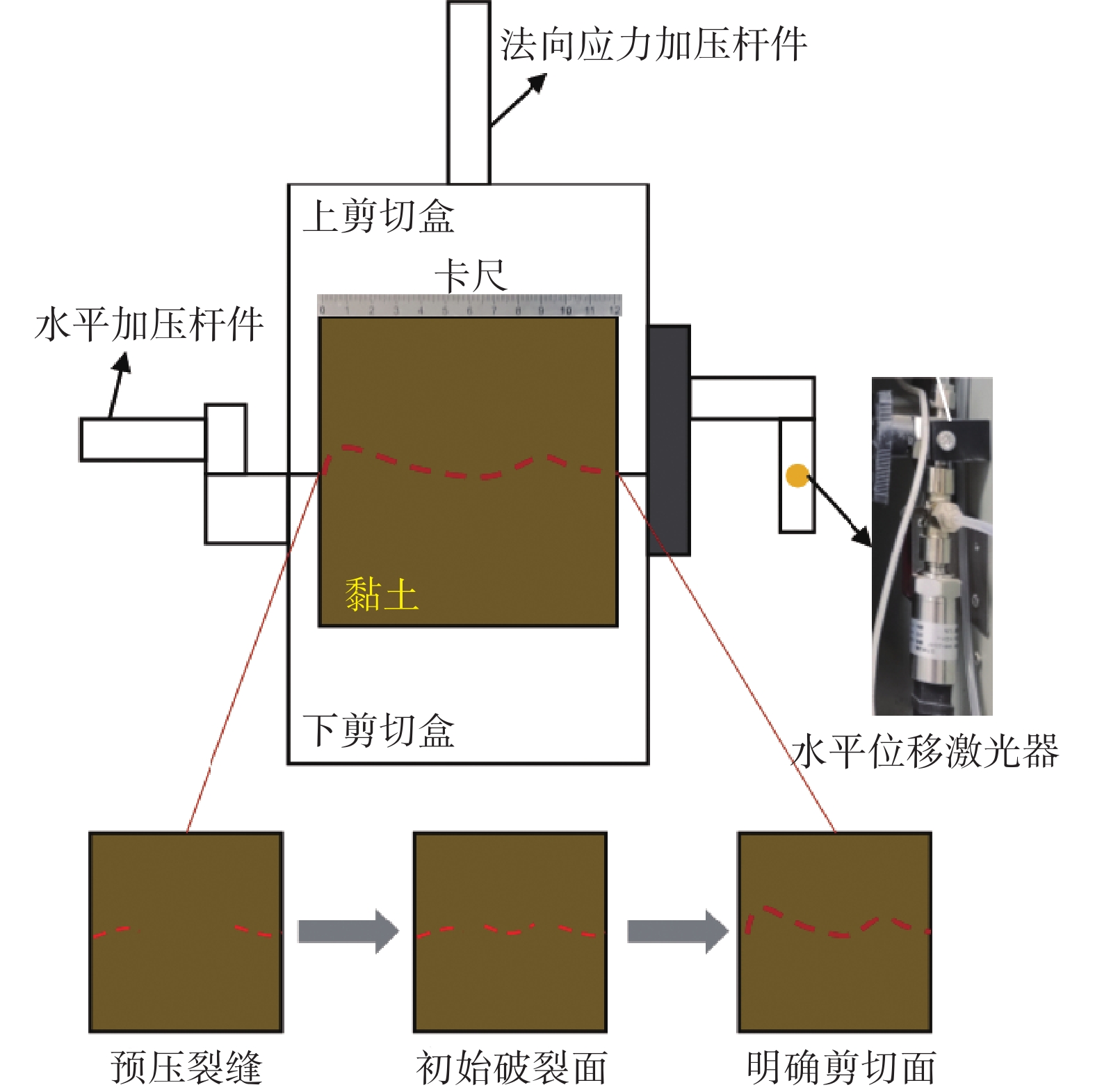
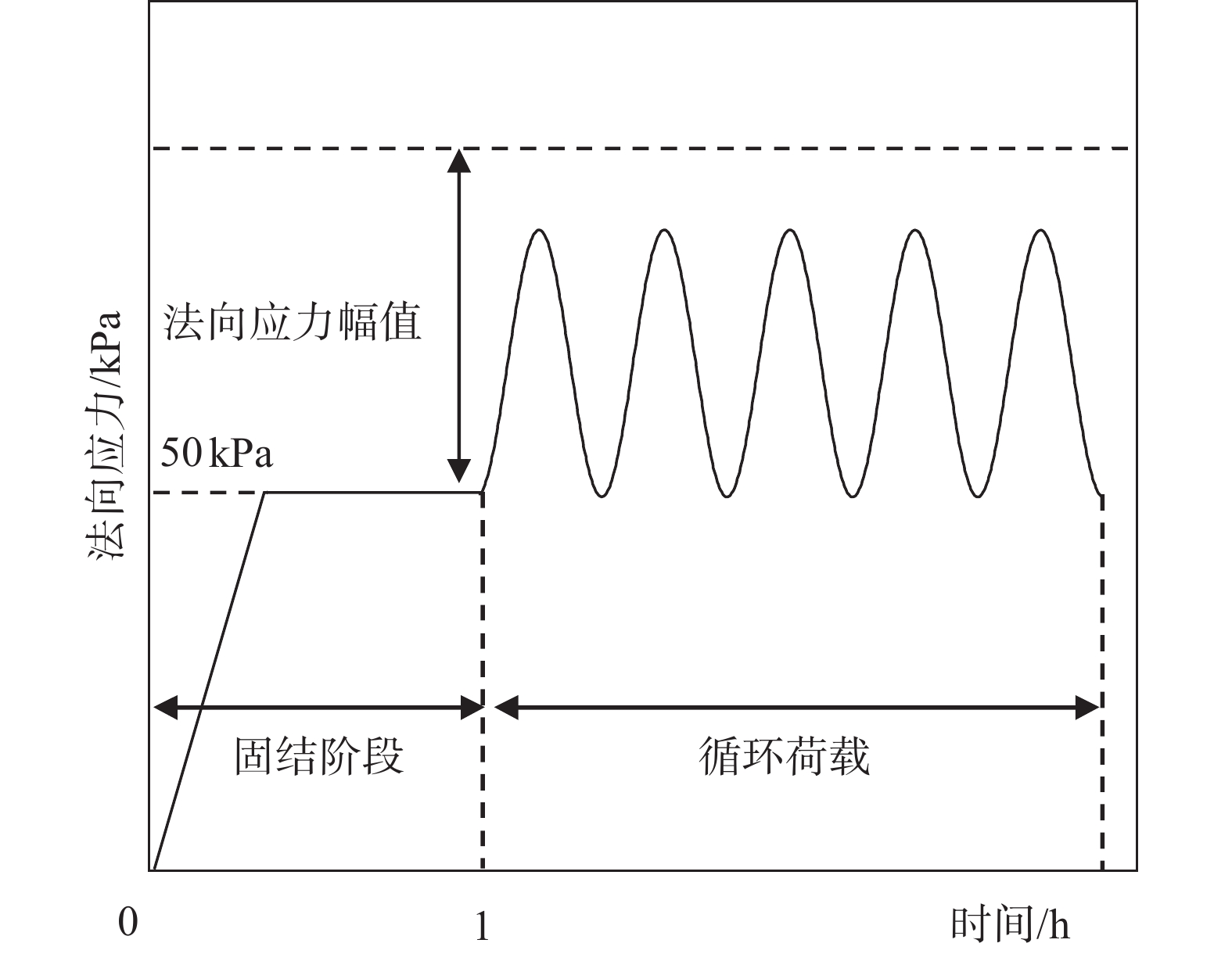
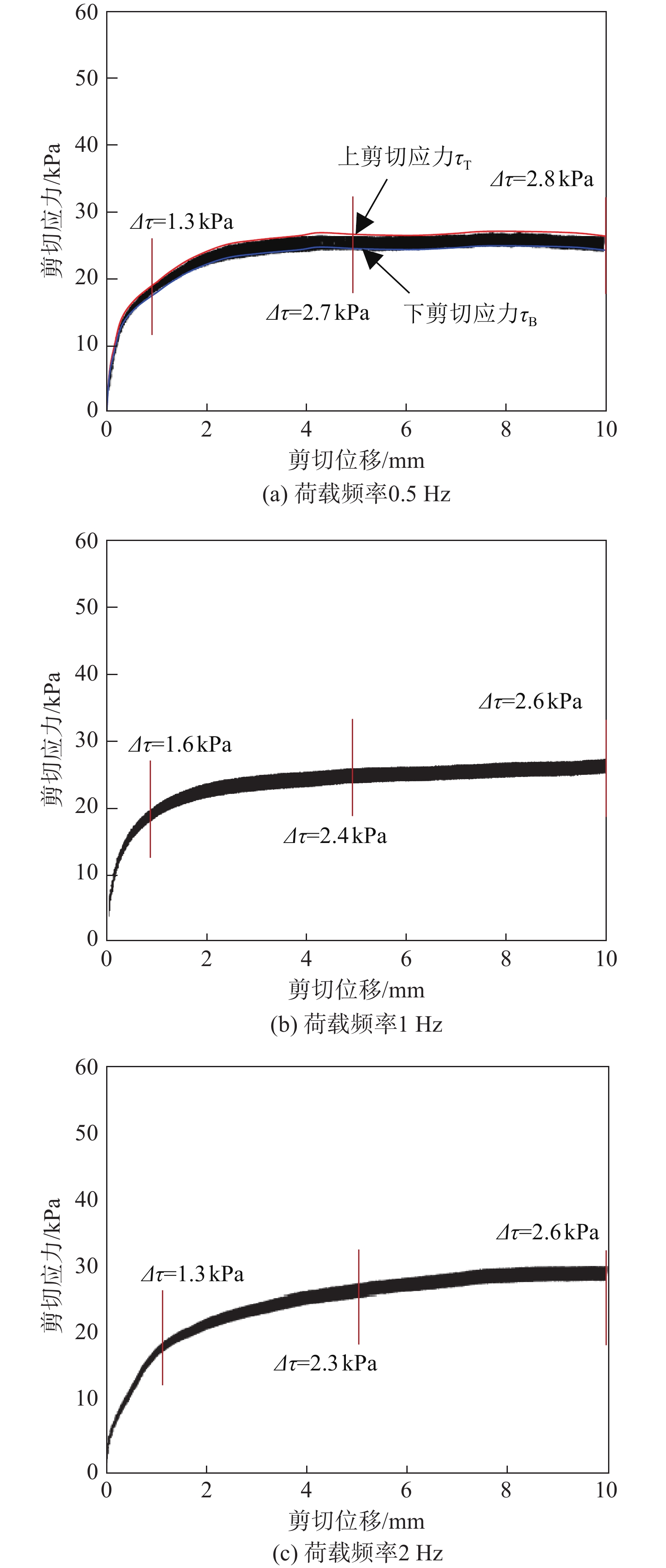
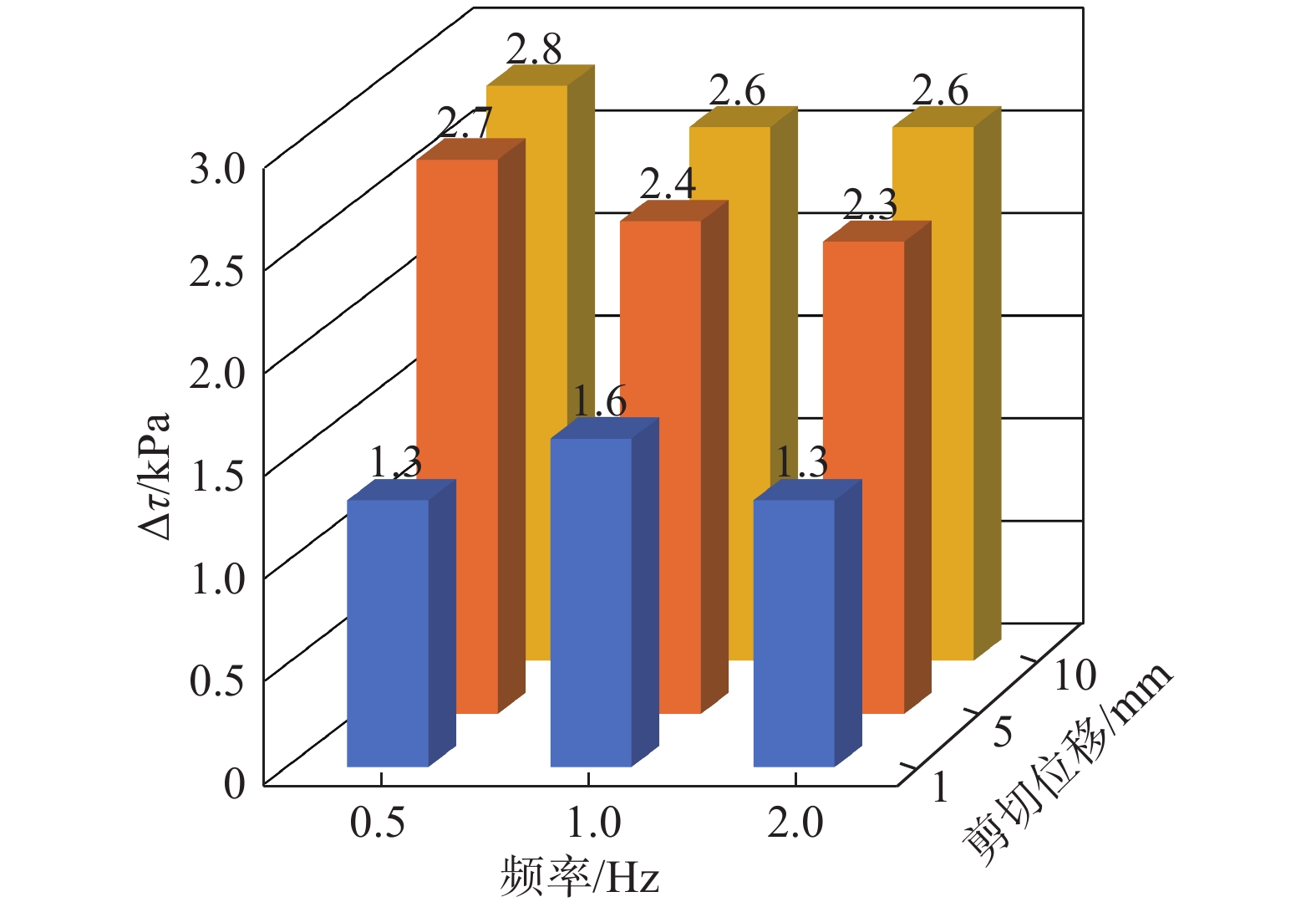
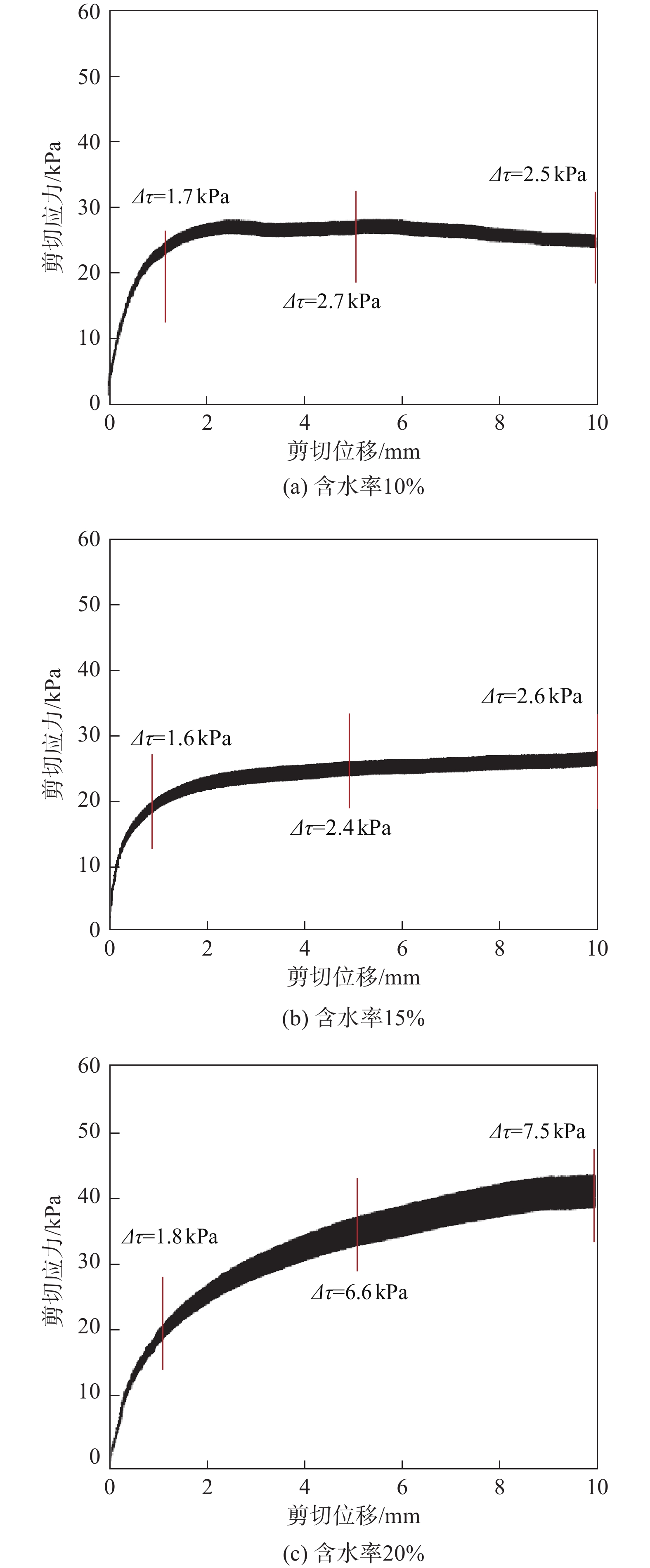
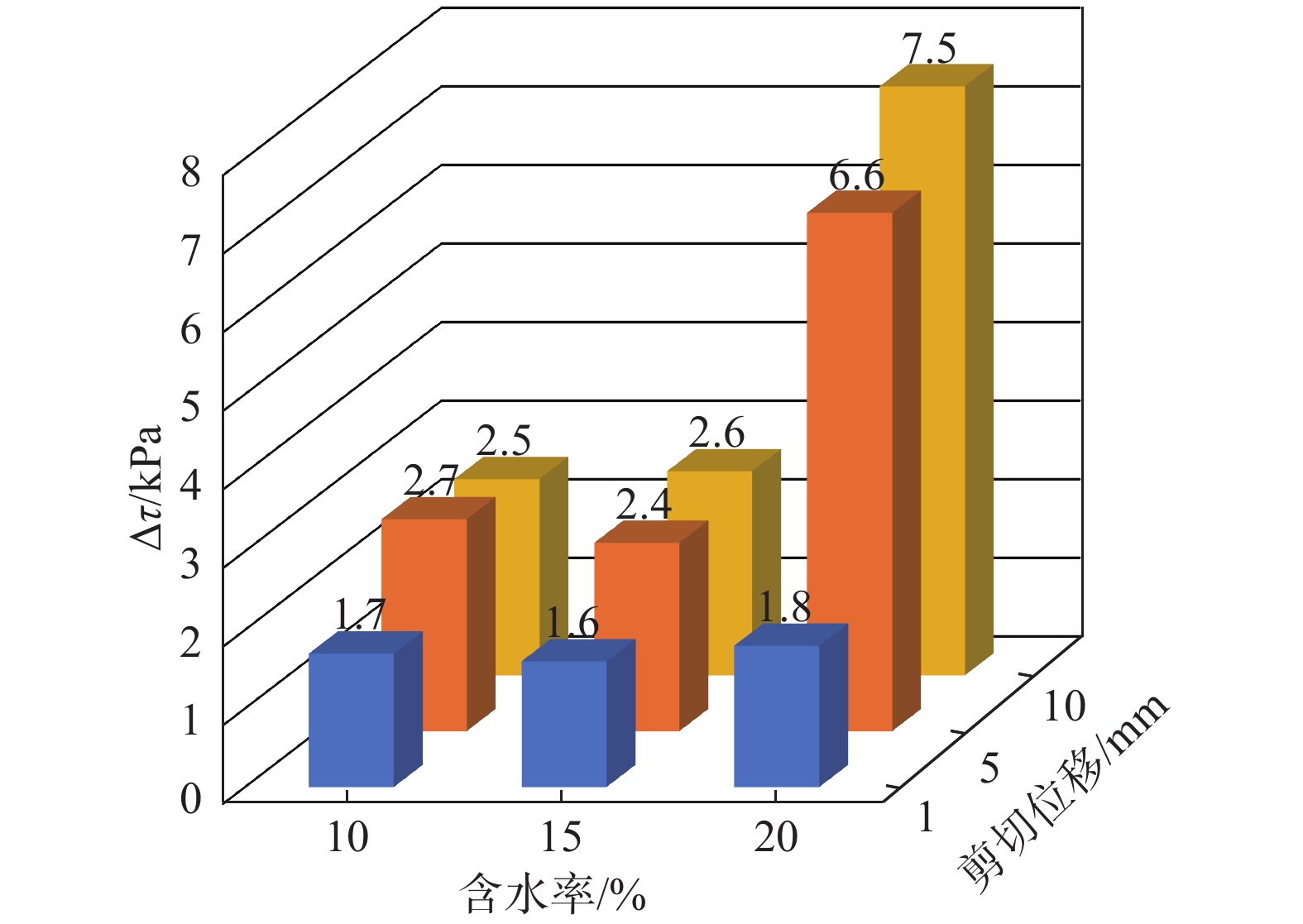
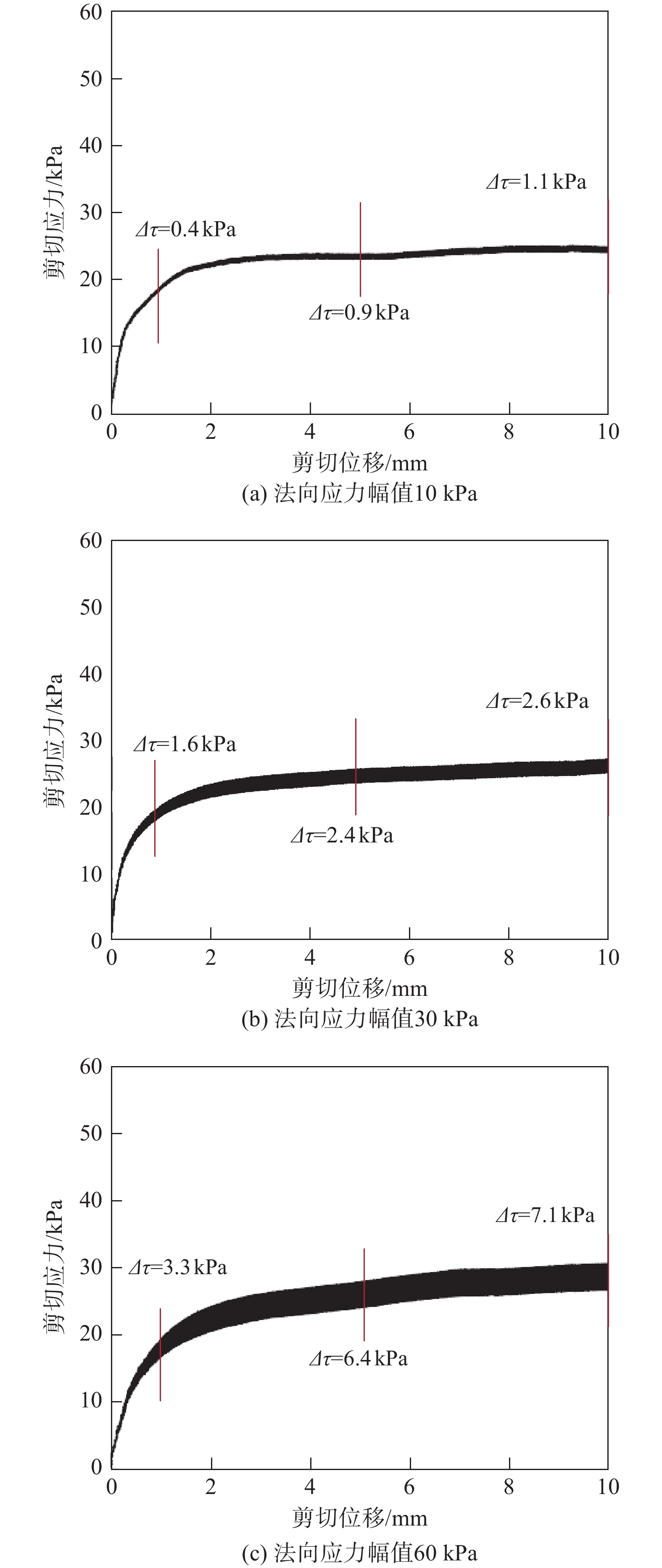
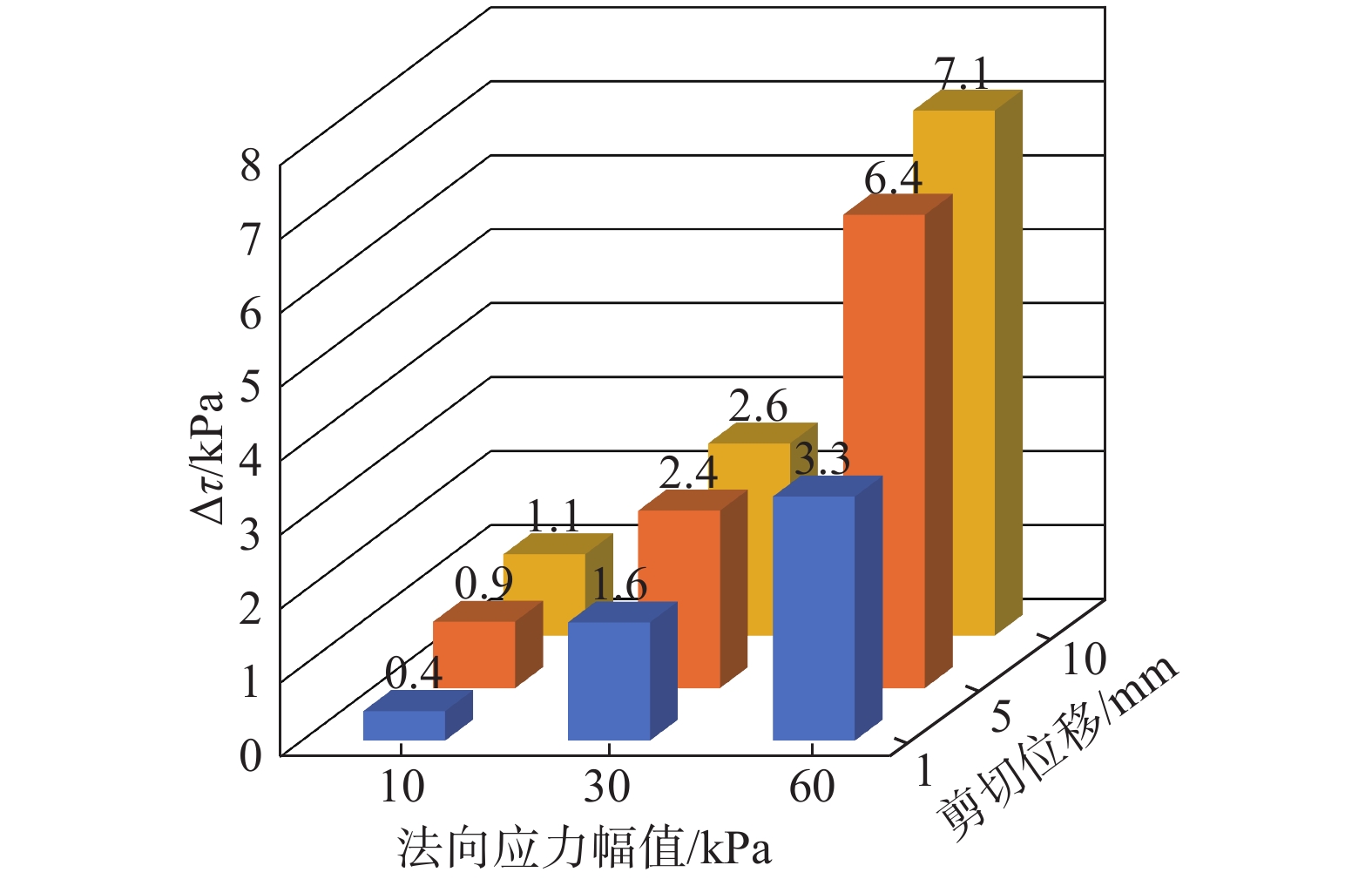
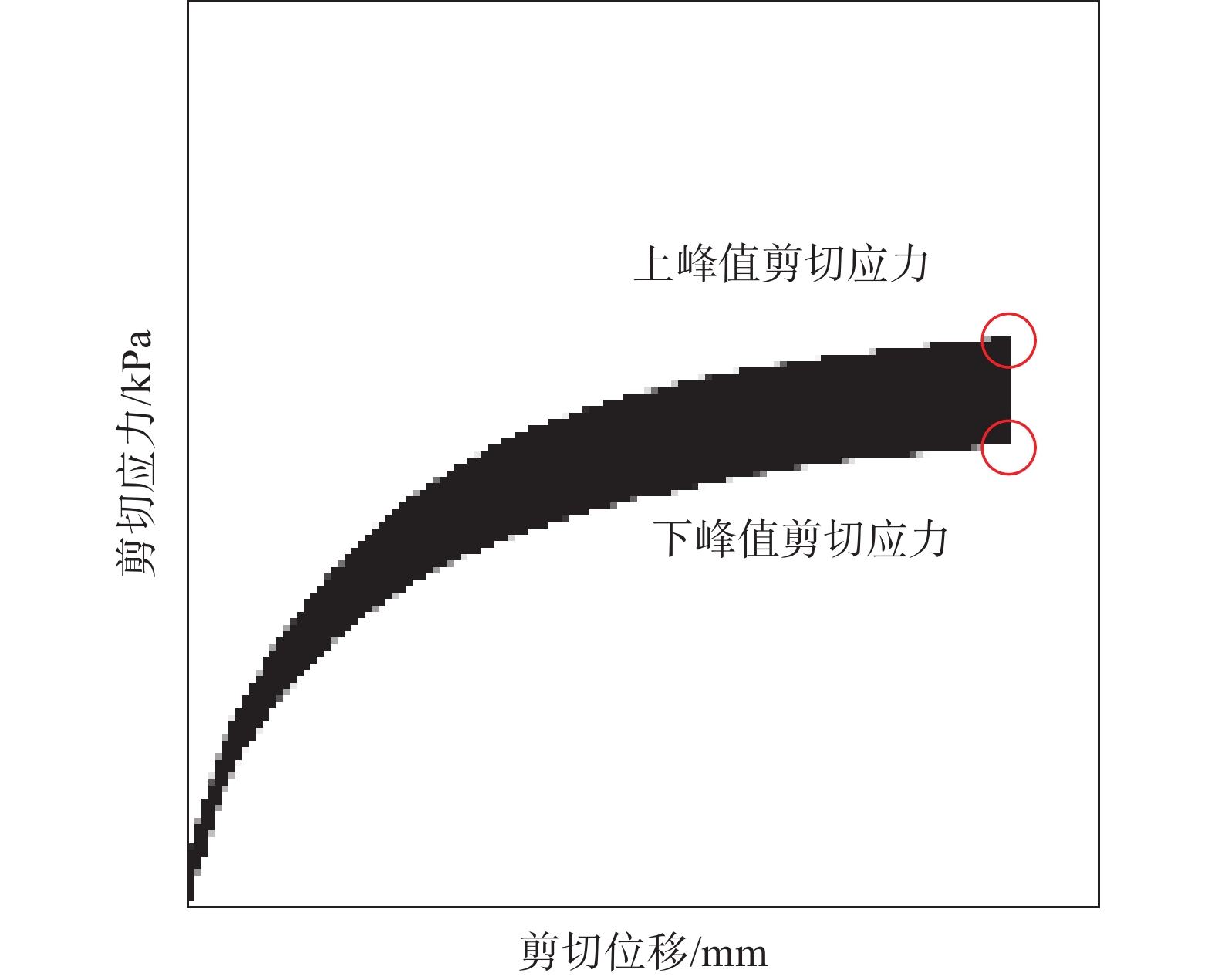
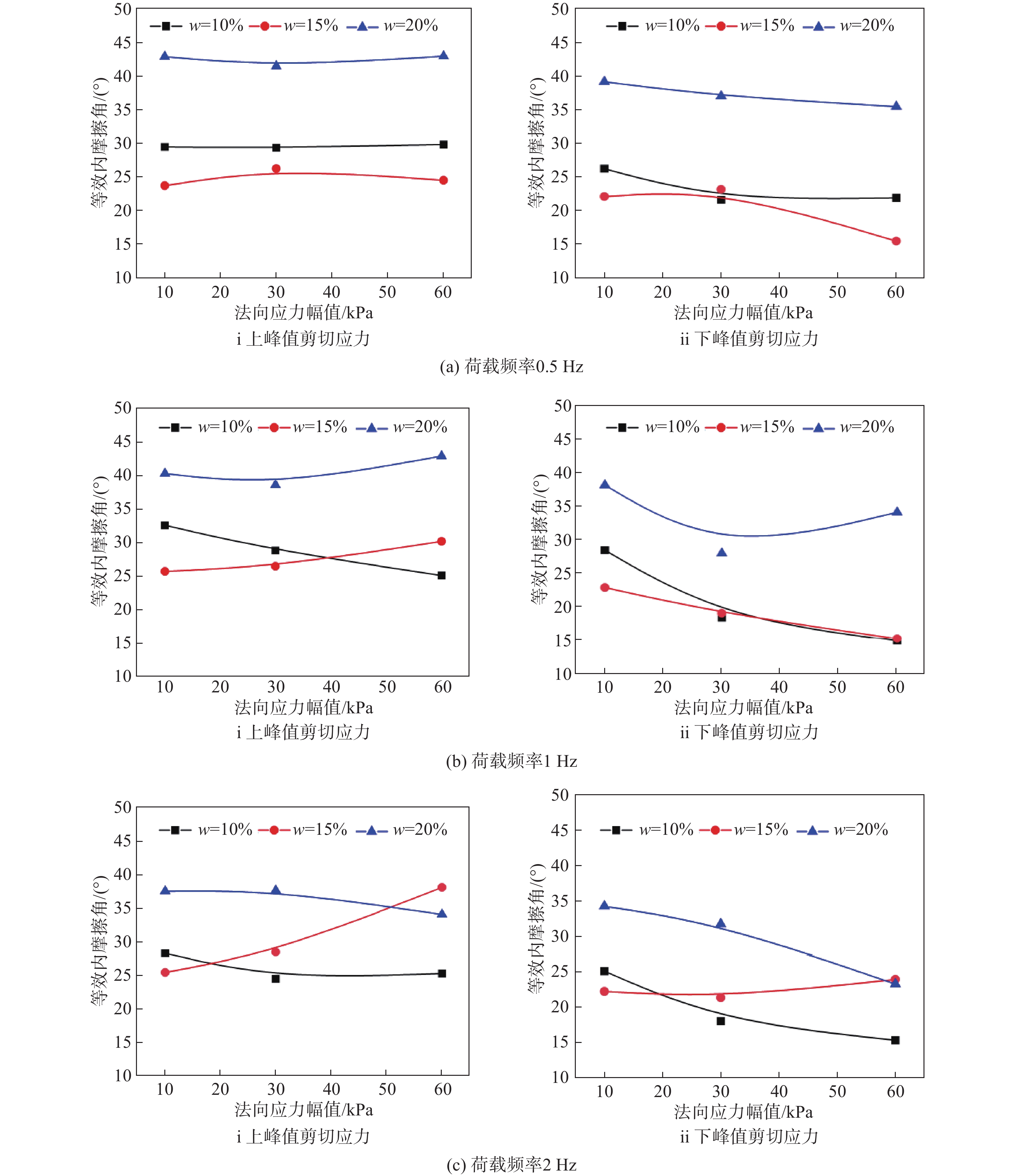
Under long-term traffic loading, the clay subgrade of mountainous highways is prone to form shear bands due to the expansion of internal initial damage, which can subsequently trigger sudden instability disasters. To reveal the dynamic shear failure characteristics of damaged subgrades, this study employs a multifunctional soil-structure interface cyclic shear tester. By simulating the original defects of the subgrade with prefabricated shear surfaces, the study focuses on investigating the influence of traffic loading frequency, subgrade soil moisture content, and normal stress amplitude on shear safety performance. The results indicate that an increase in loading frequency slightly enhances the peak shear stress but significantly increases its corresponding shear displacement. The effect of moisture content on the peak shear stress exhibits a non-monotonic trend, decreasing first and then increasing. A notable stress weakening phenomenon is observed at low moisture content. An increase in normal stress amplitude significantly enhances the peak shear stress. The difference between the upper and lower peak shear stresses (Δτ) increases in an “upward convex” manner with shear displacement, and decreases with increasing frequency during the large displacement stage. Additionally, Δτ exhibits a significant exponential growth characteristic with the increase of water content and normal stress. The equivalent internal friction angles corresponding to the upper and lower peak states range from 23° to 45° and 15° to 40°, respectively, and both increase with the increase of normal stress amplitude. The research findings can provide data support for early warning of subgrade dynamic instability and safety enhancement.
Crack propagation laws in sandstone containing elliptical holes under compression-shear loading
DENG Yi, LI Zhuang, HE Yun, LIU Shuai, LIU Guangchuan
2026, 40(4): 608-615. doi: 10.20265/j.cnki.issn.1007-2993.2025-0210
Abstract:
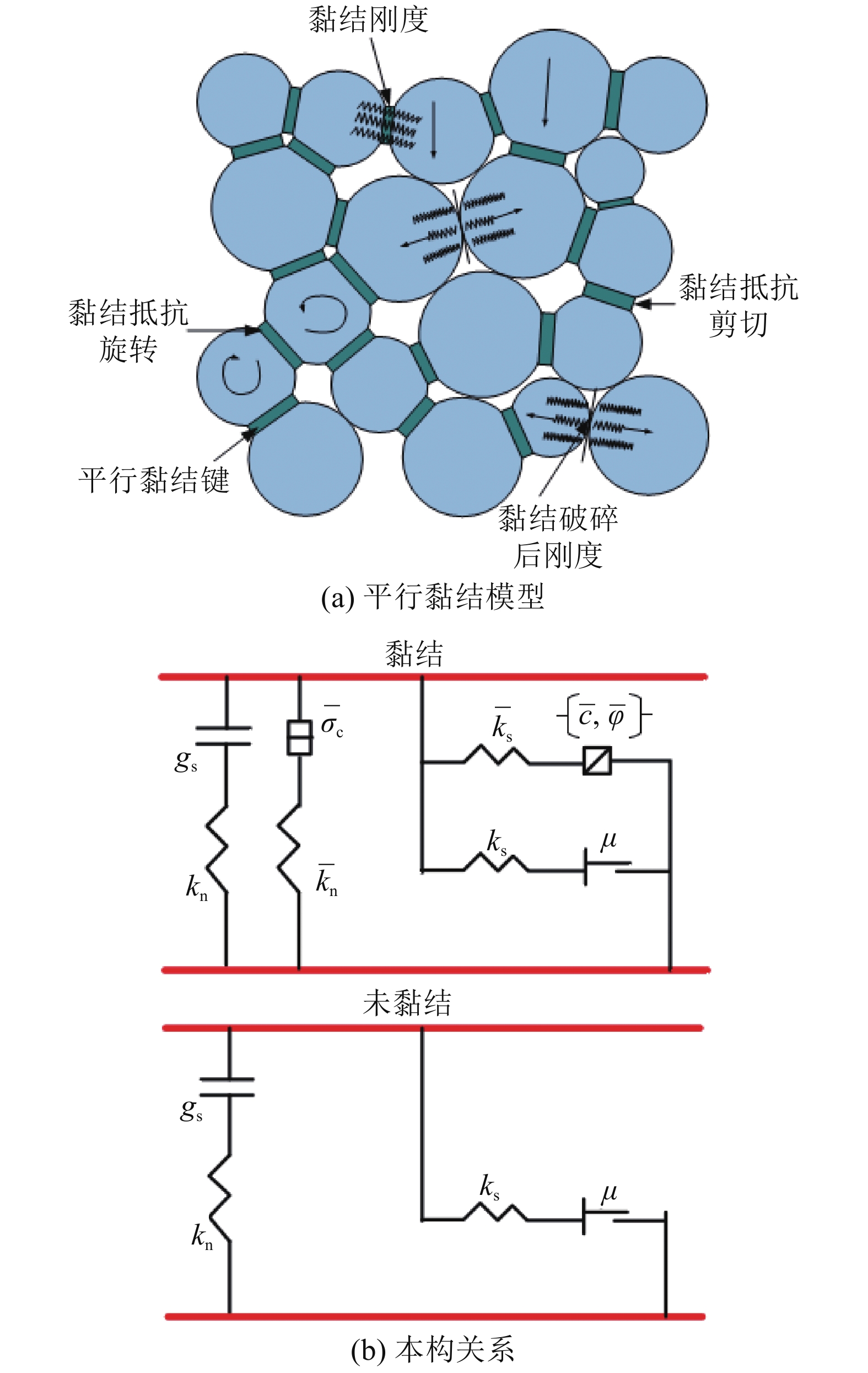
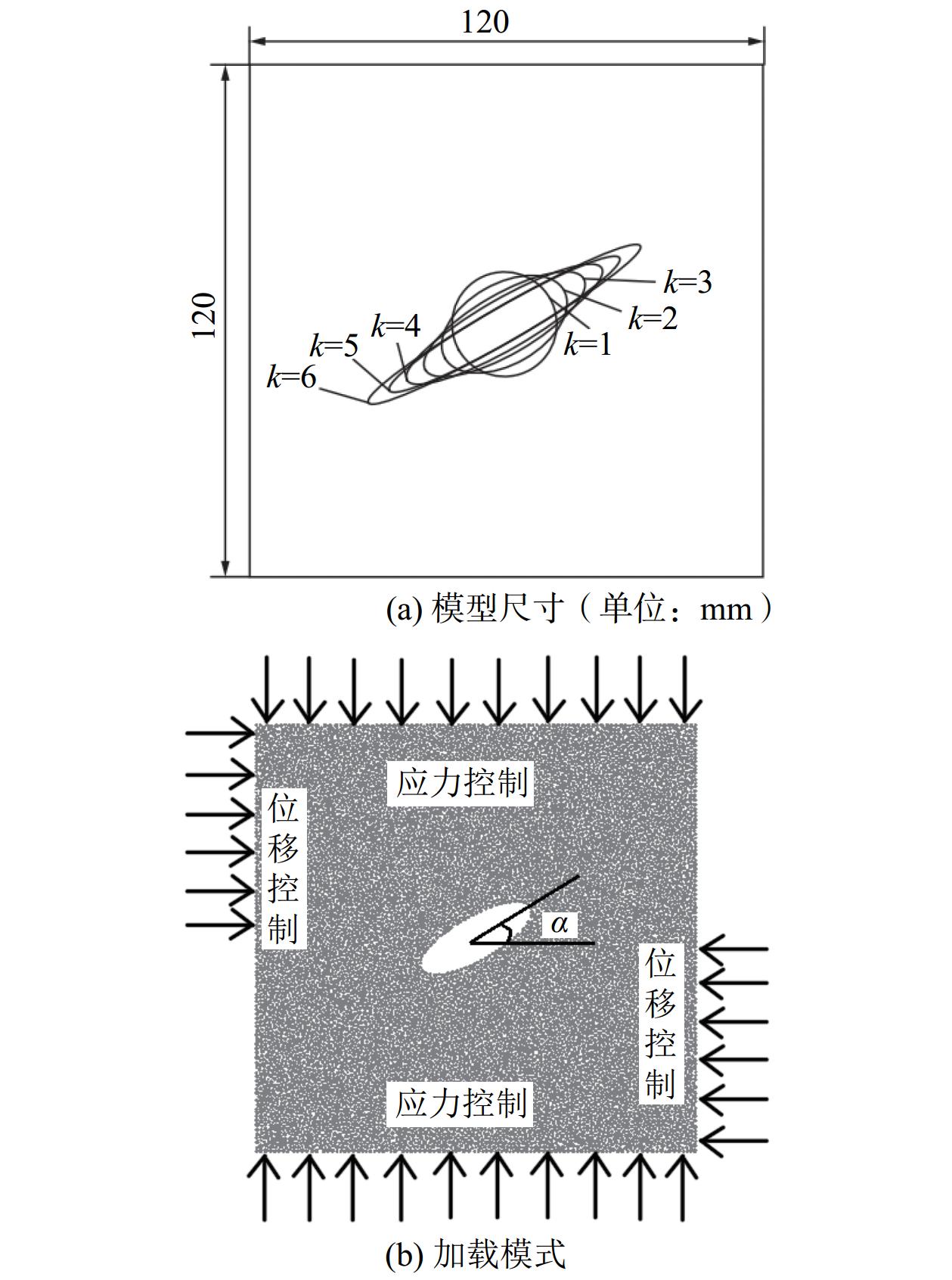
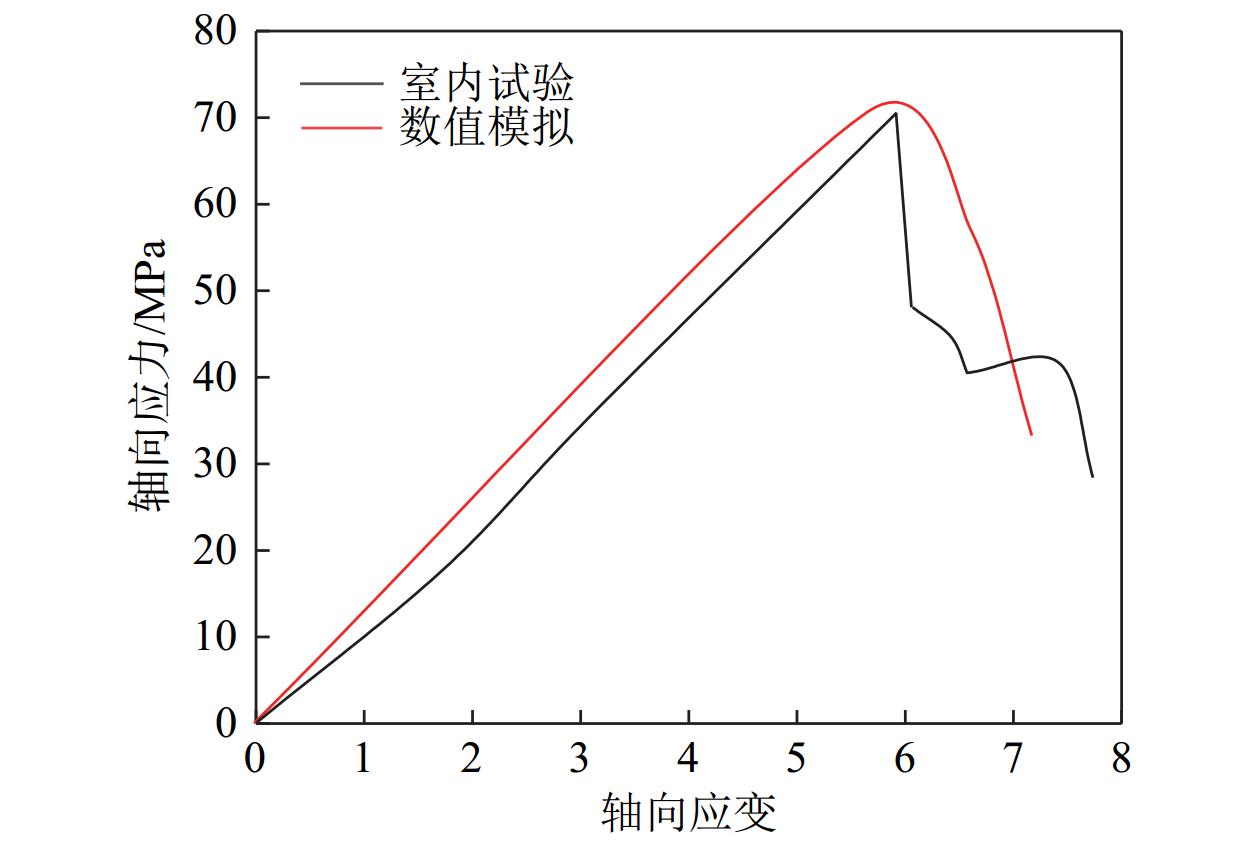
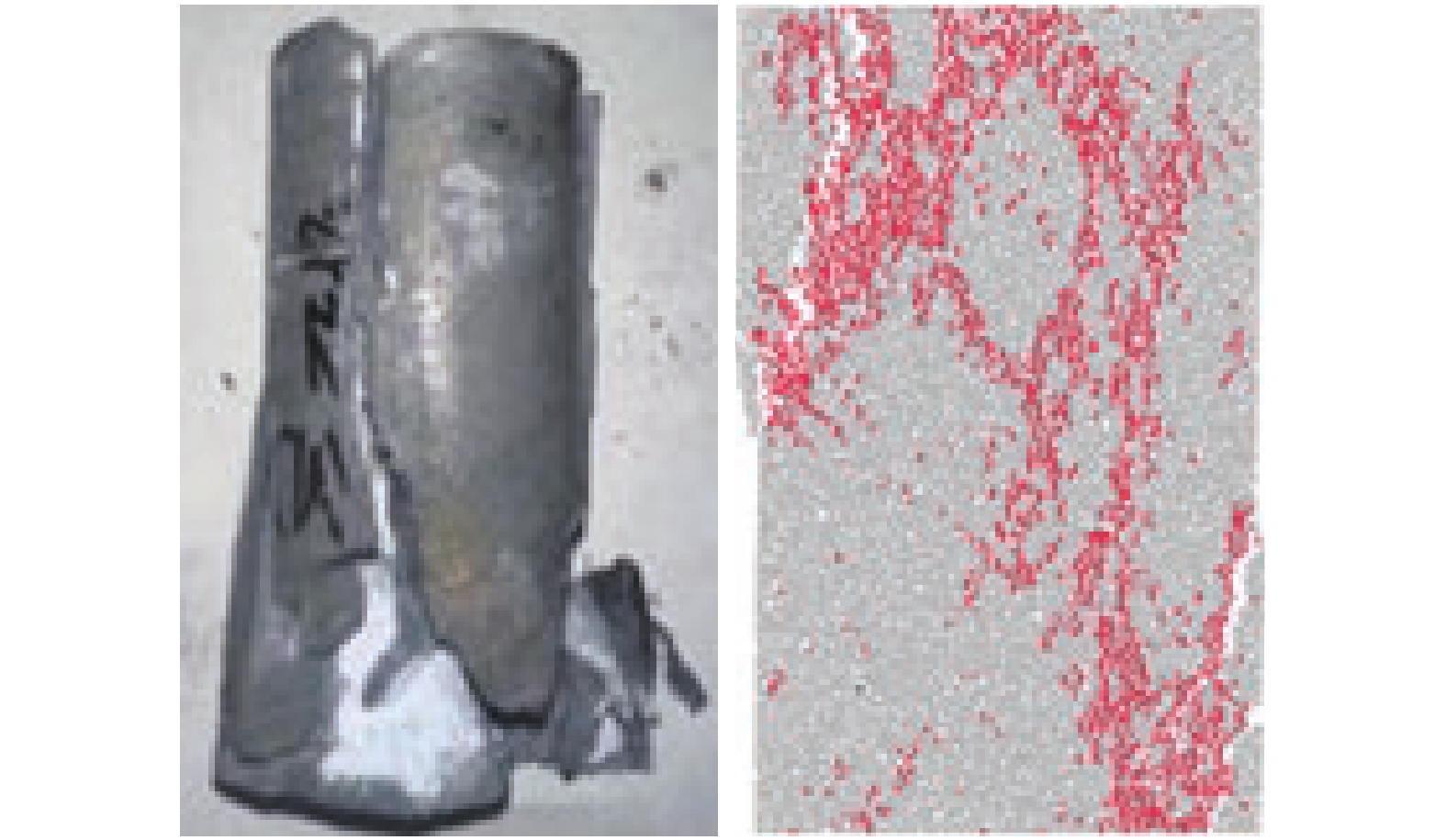
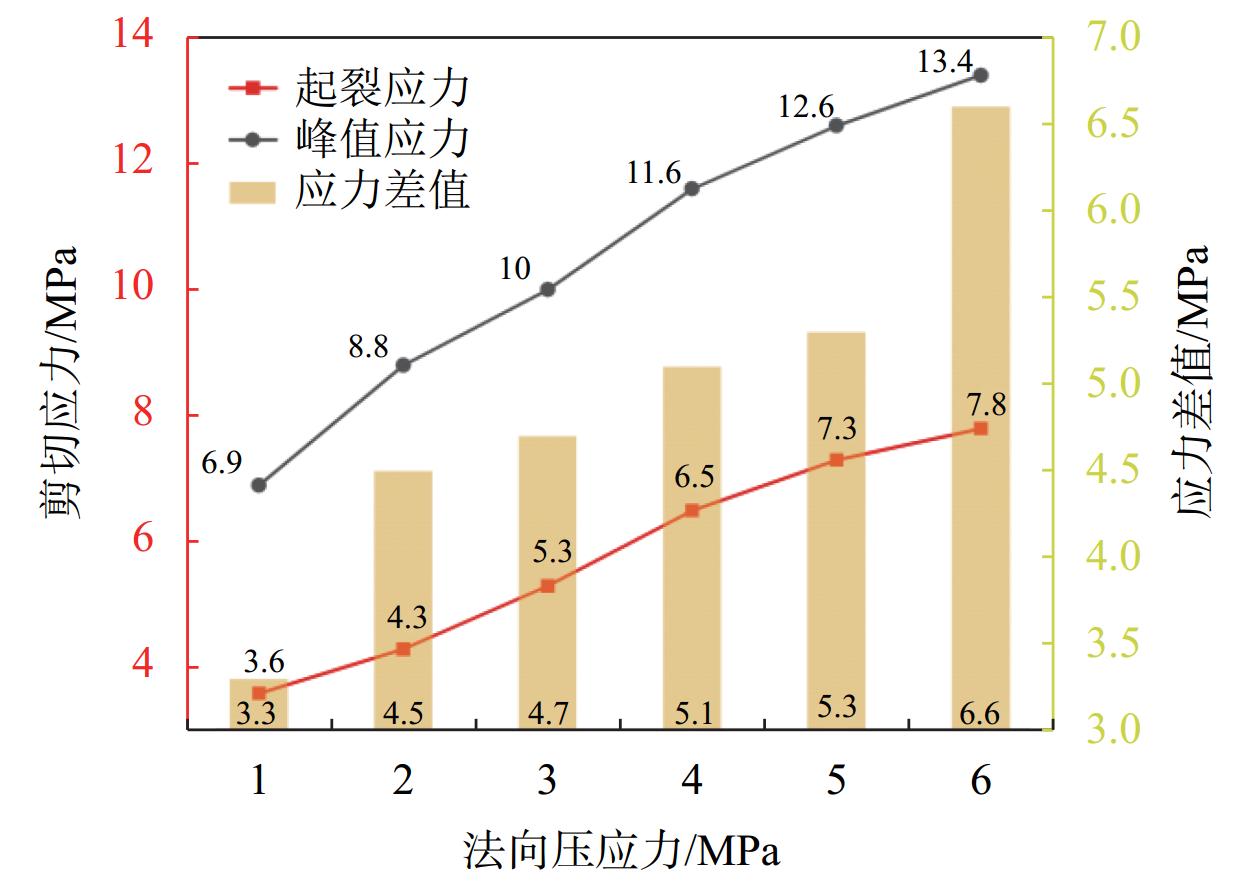
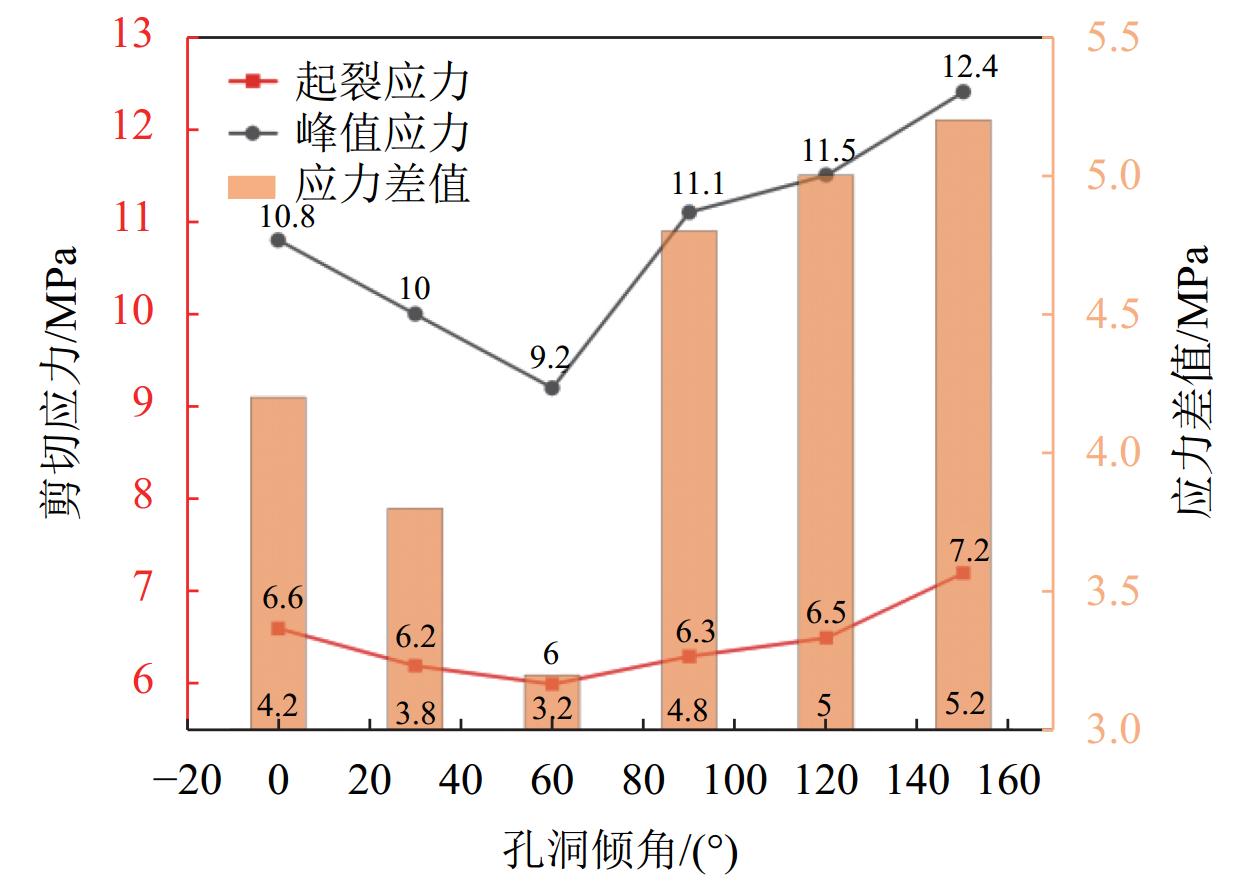
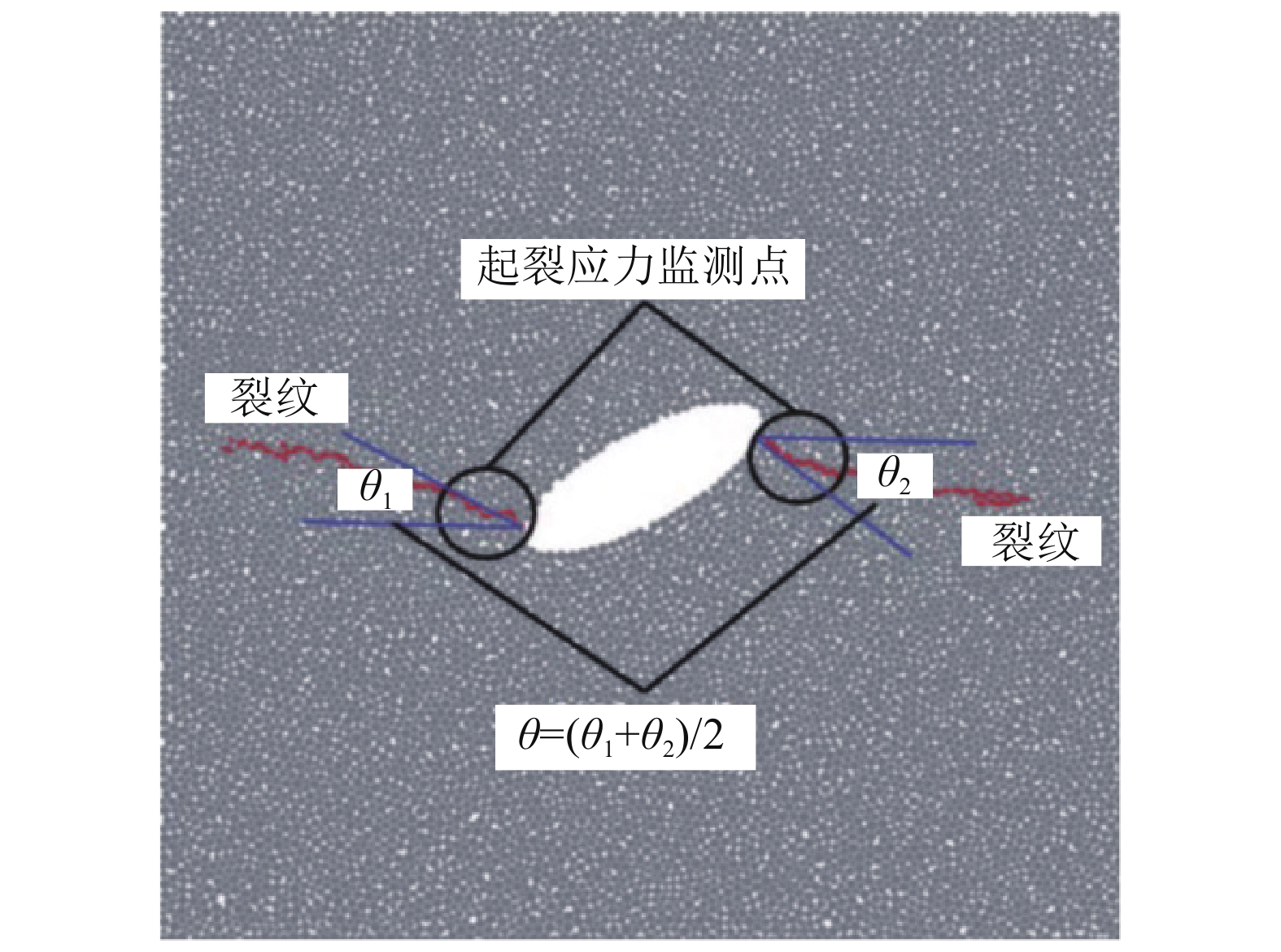
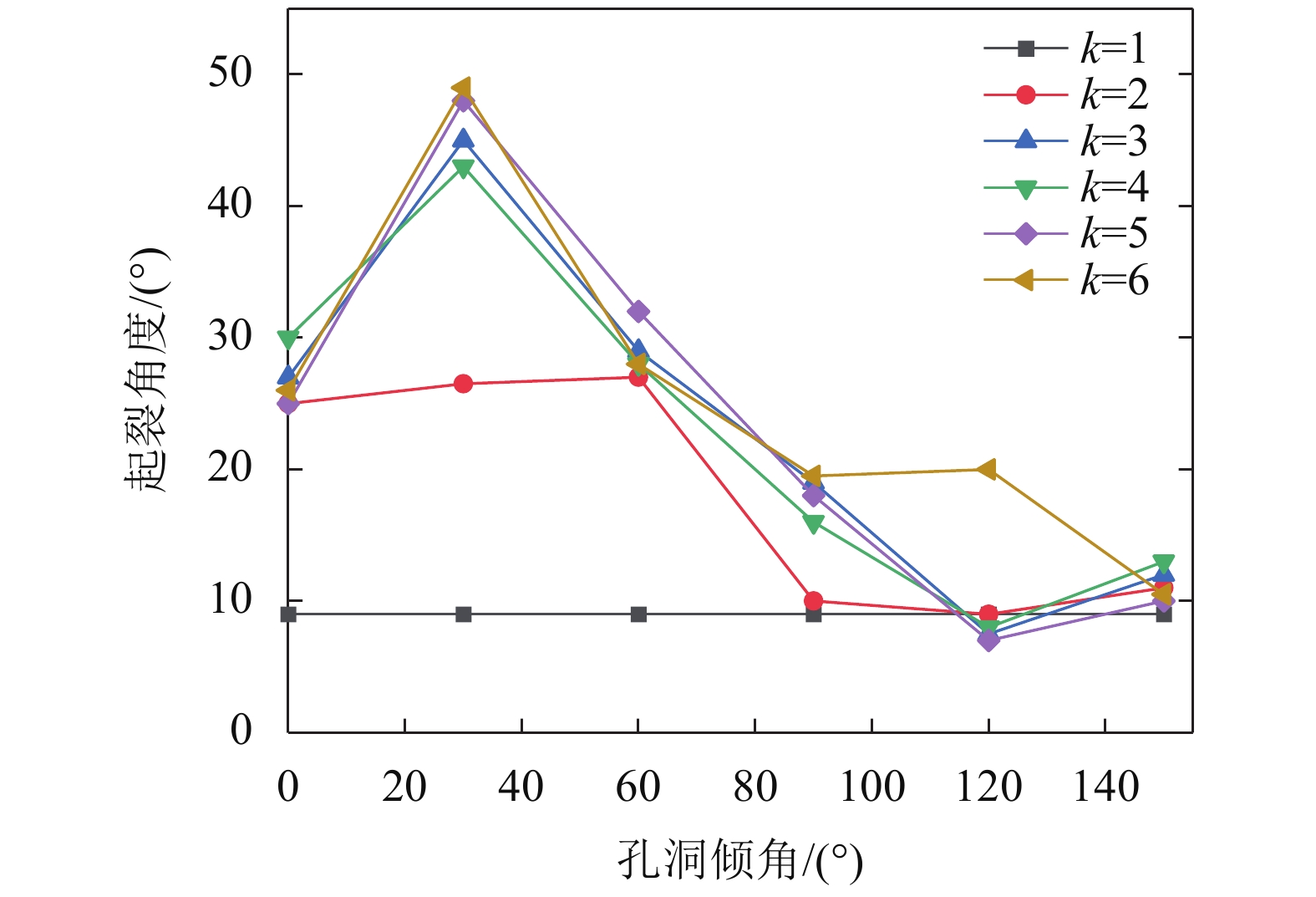
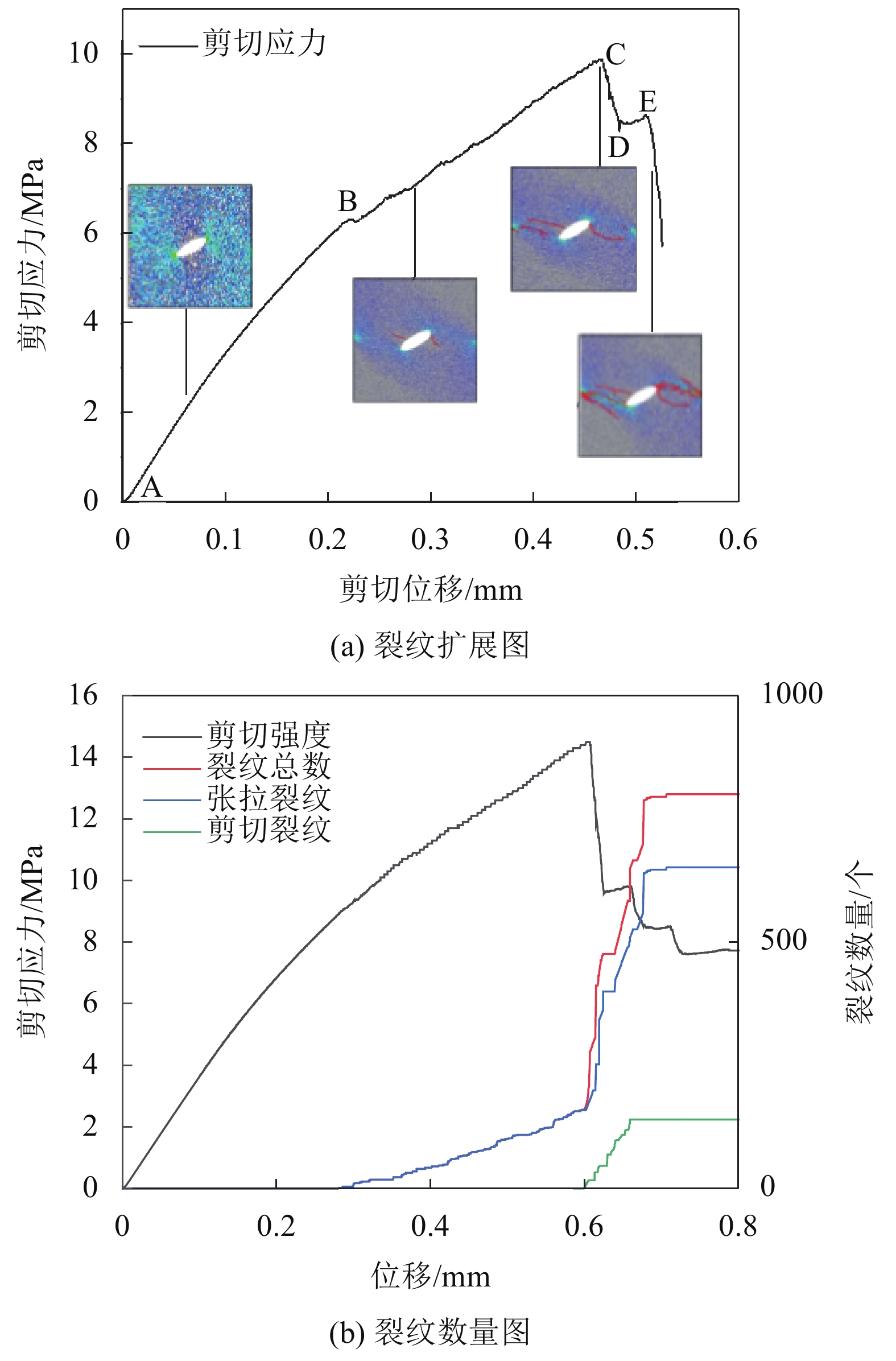
To reveal the crack propagation patterns and the underlying mechanisms of controlling factors in sandstone containing elliptical holes under compression-shear loading, mesoscopic mechanical parameters for the sandstone’s numerical model were calibrated based on laboratory test results. Numerical tests under compression-shear loading were conducted for various hole inclination angles and aspect ratios, followed by analysis of crack propagation behavior and the mechanistic effects of influencing factors. The research findings indicate: (1) Peak shear stress, crack initiation stress, and their difference all exhibit a trend of first decreasing and then increasing with increasing pore inclination angle. When the hole inclination angle reaches 60°, all three parameters reach their minimum values, indicating that specimens are most prone to reaching a failure state under this condition. (2) The average crack initiation angle follows a triphasic trend with increasing inclination angle: initial increase, followed by decrease, and final resurgence, reaching maximum (30°) and minimum (120°) values at specific orientations. No significant correlation exists between initiation angles and aspect ratios. (3) While both cavity inclination and aspect ratio significantly govern crack propagation behaviors, their mechanistic controls differ fundamentally. Inclination angle dictates stress redistribution patterns, thereby controlling crack nucleation positions and propagation trajectories. In contrast, aspect ratio modulates localized stress states through geometric confinement effects, ultimately regulating crack evolution dynamics. These findings establish a theoretical foundation for stability assessment and control in cavity-containing rock mass engineering.
Strength mechanical properties and microscopic mechanism of unburned artificial aggregate based on solid wastes
LIU Guifen, WANG Juntian, ZHANG Yi, LU Yiming, CHEN Long, YE Zi
2026, 40(4): 616-623. doi: 10.20265/j.cnki.issn.1007-2993.2025-0174
Abstract:
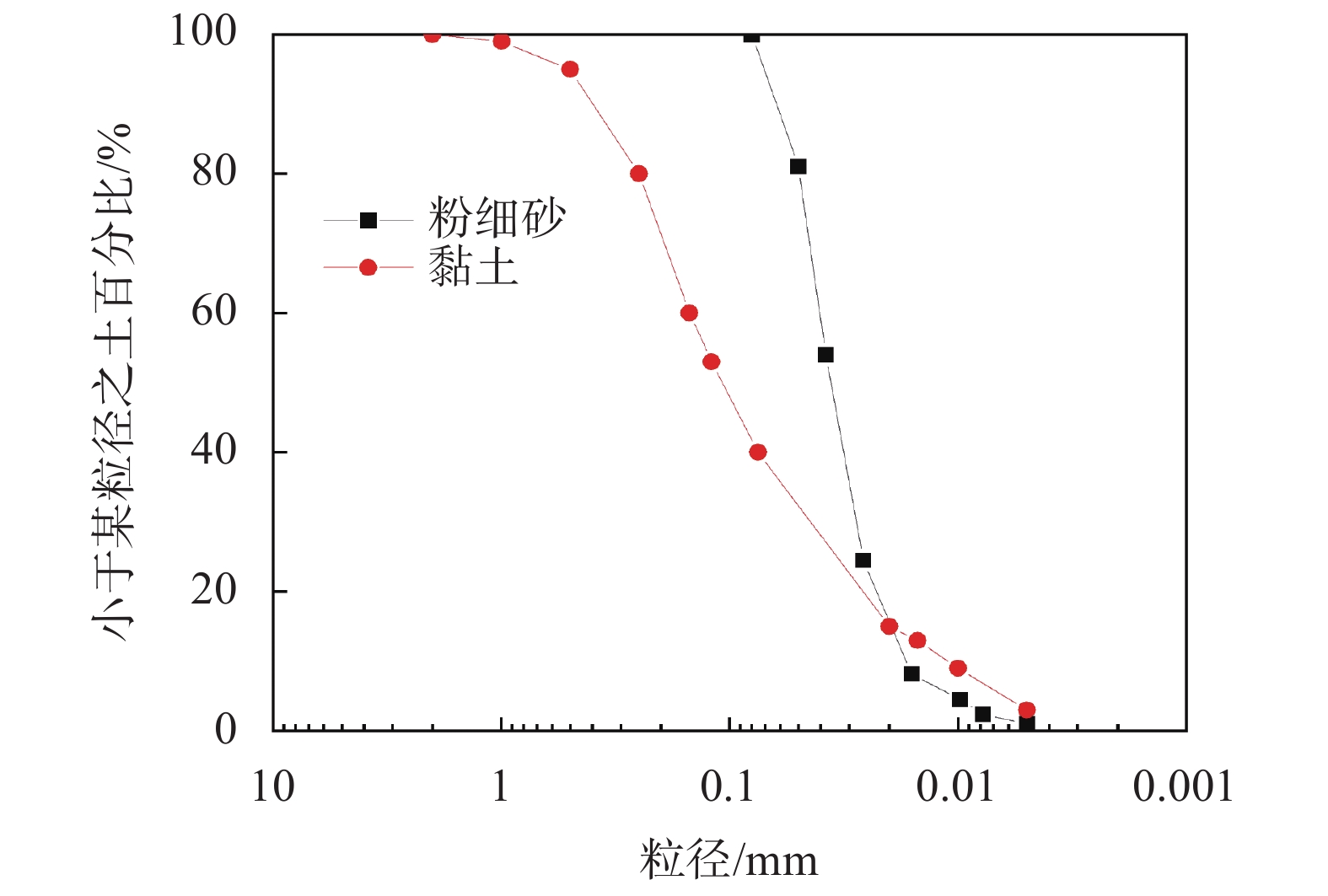
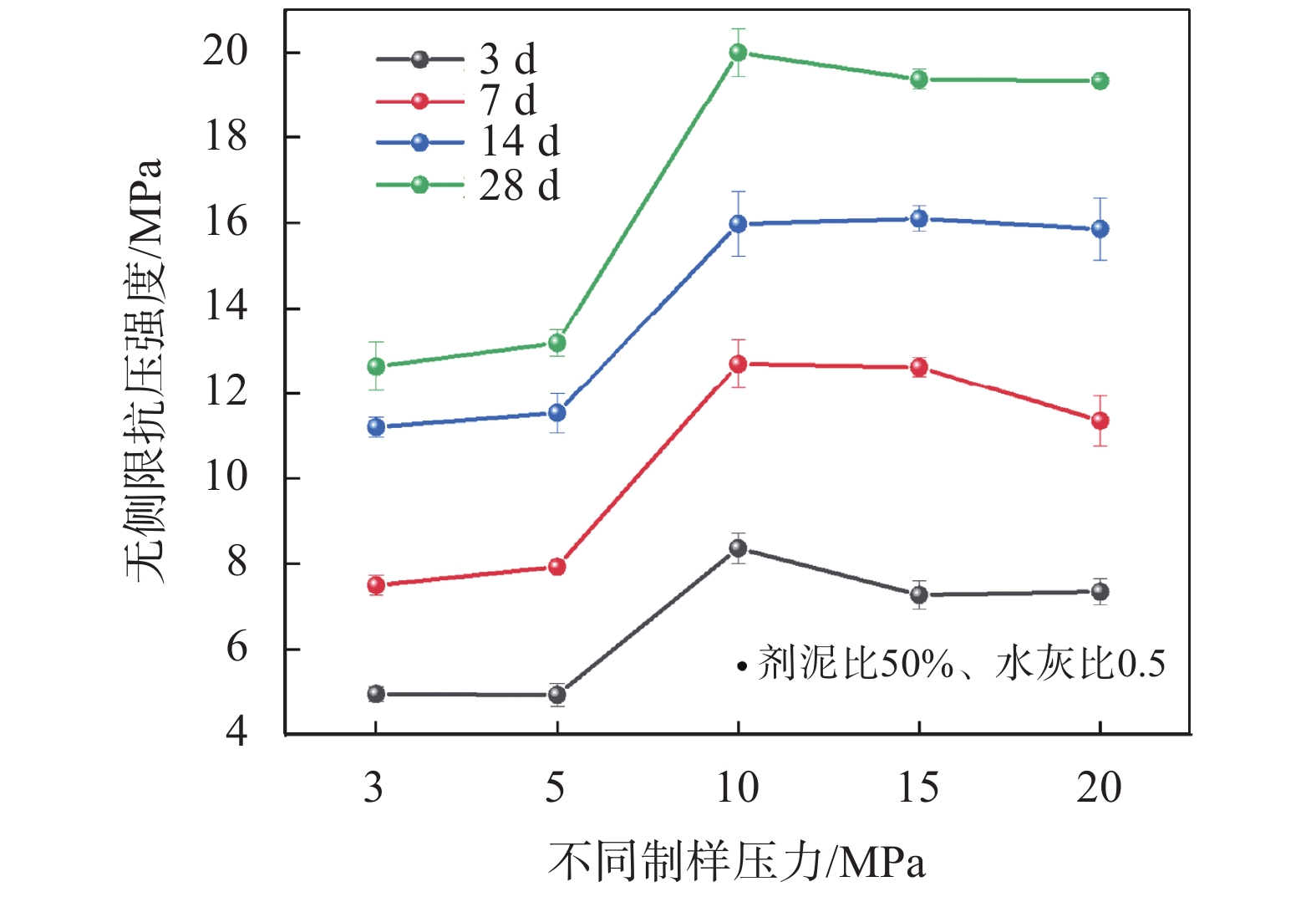
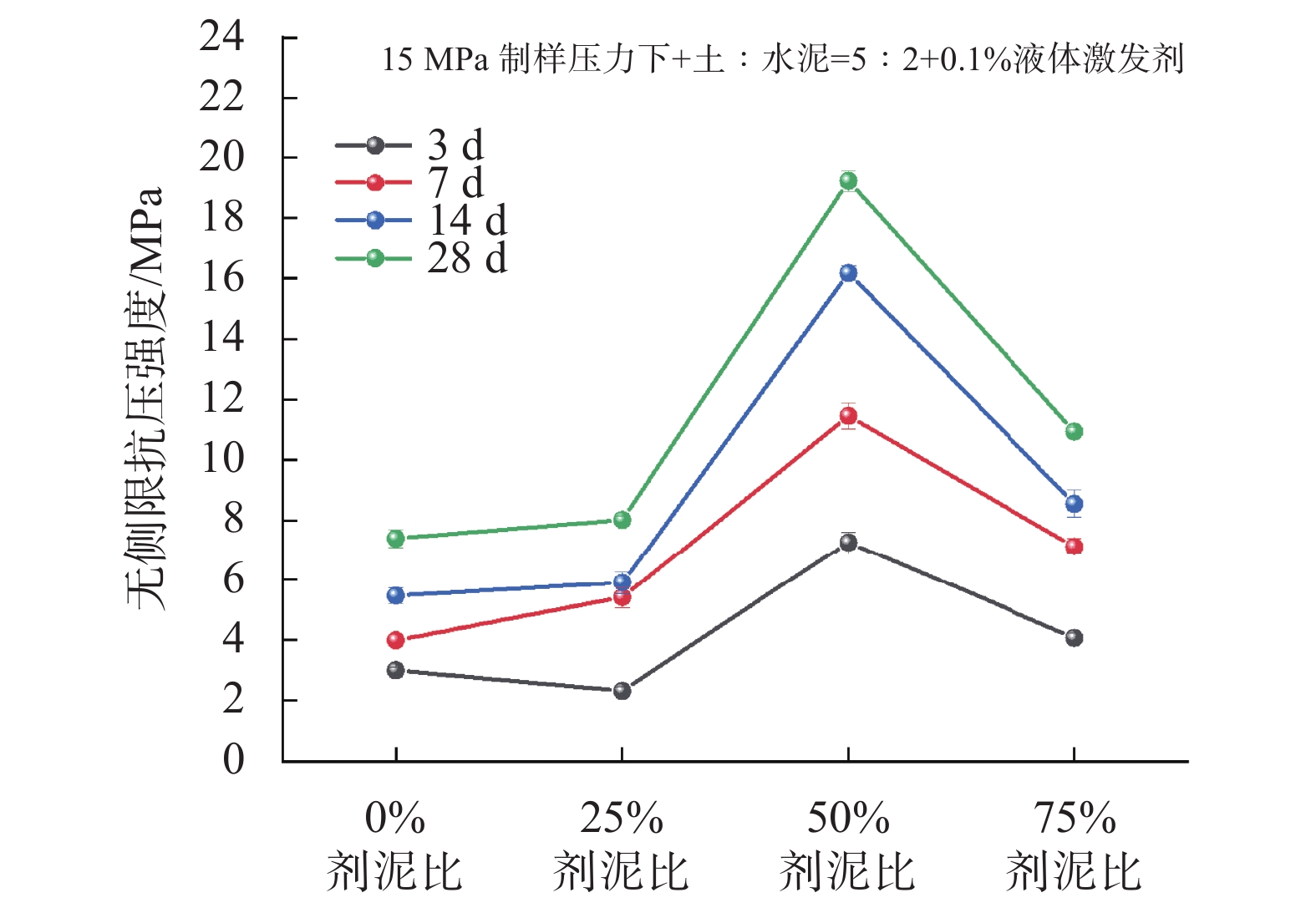
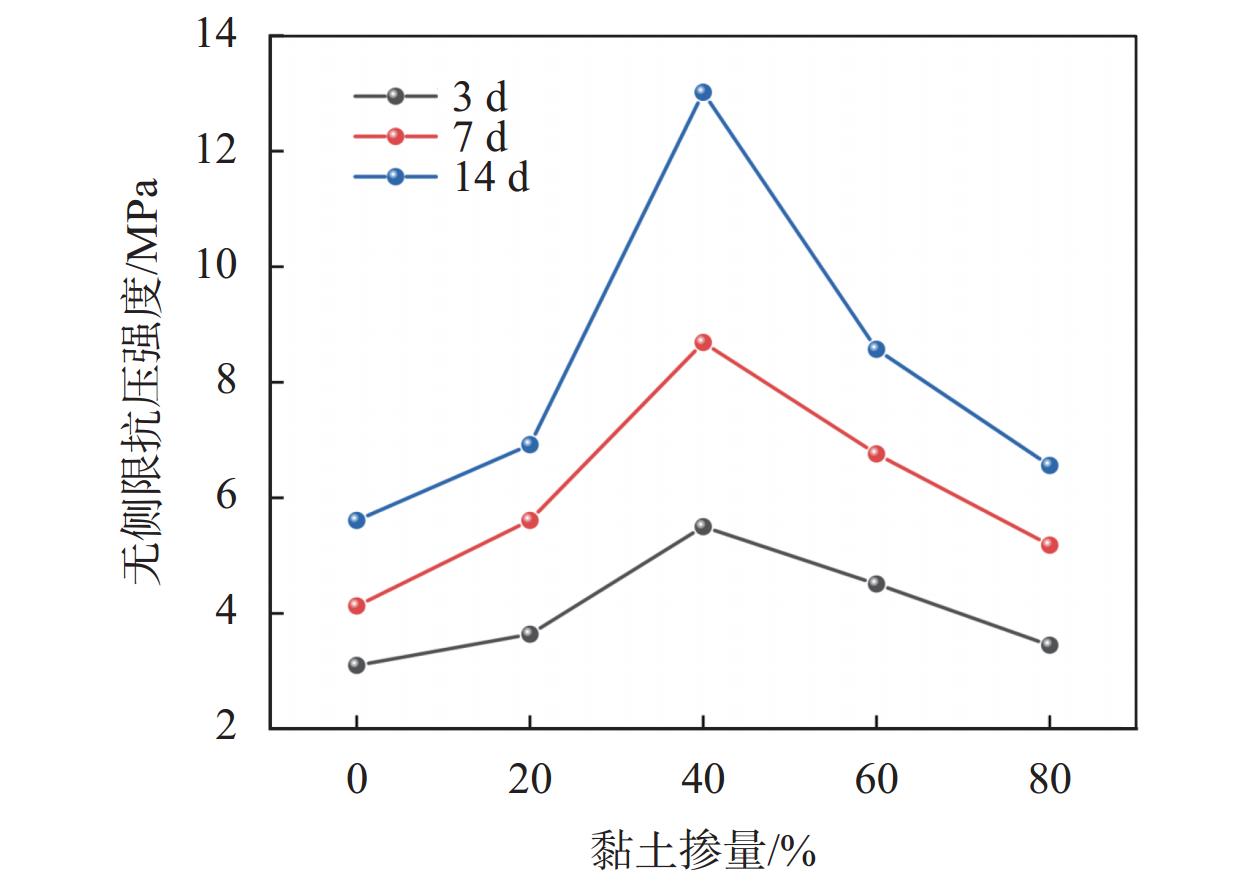
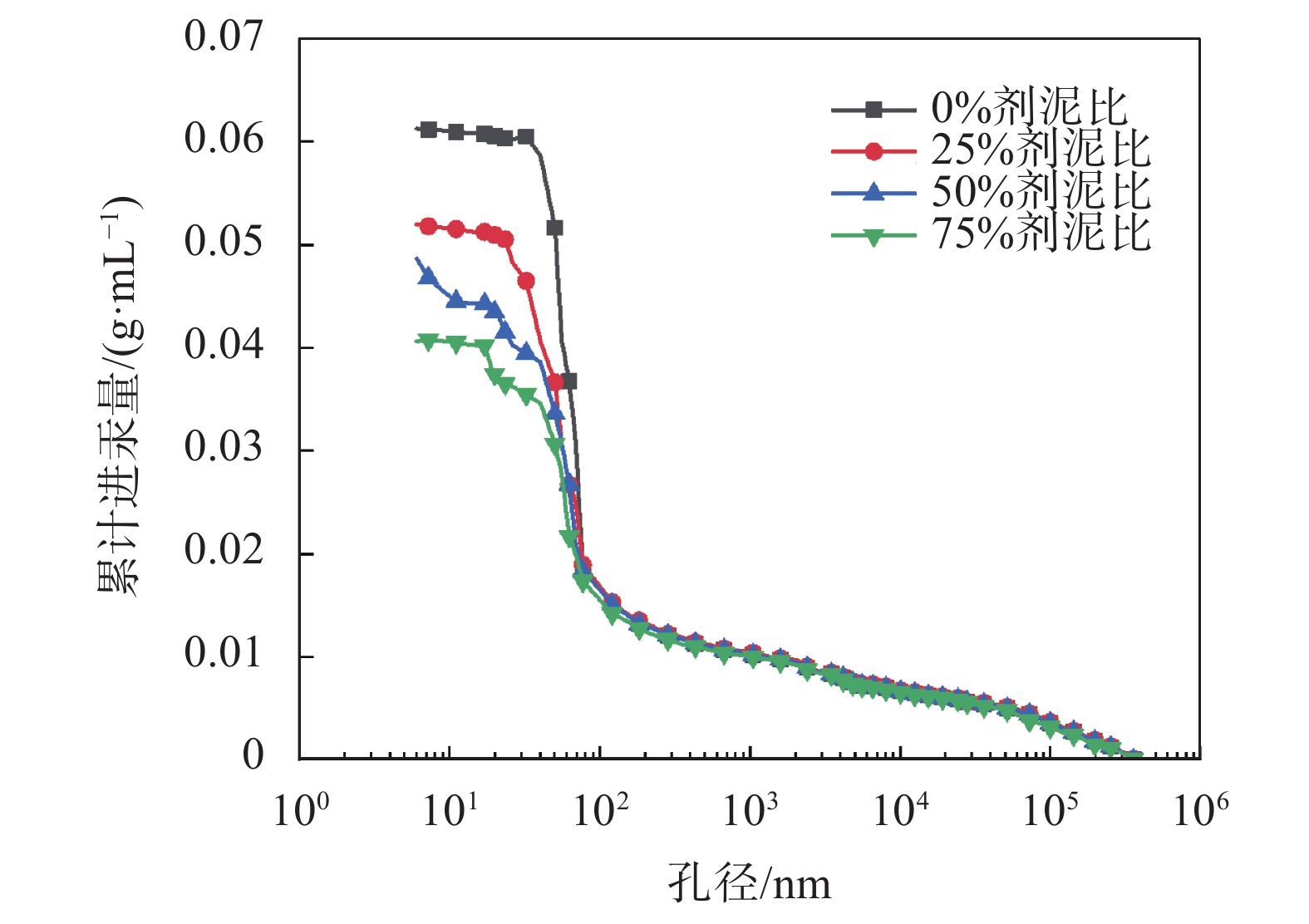
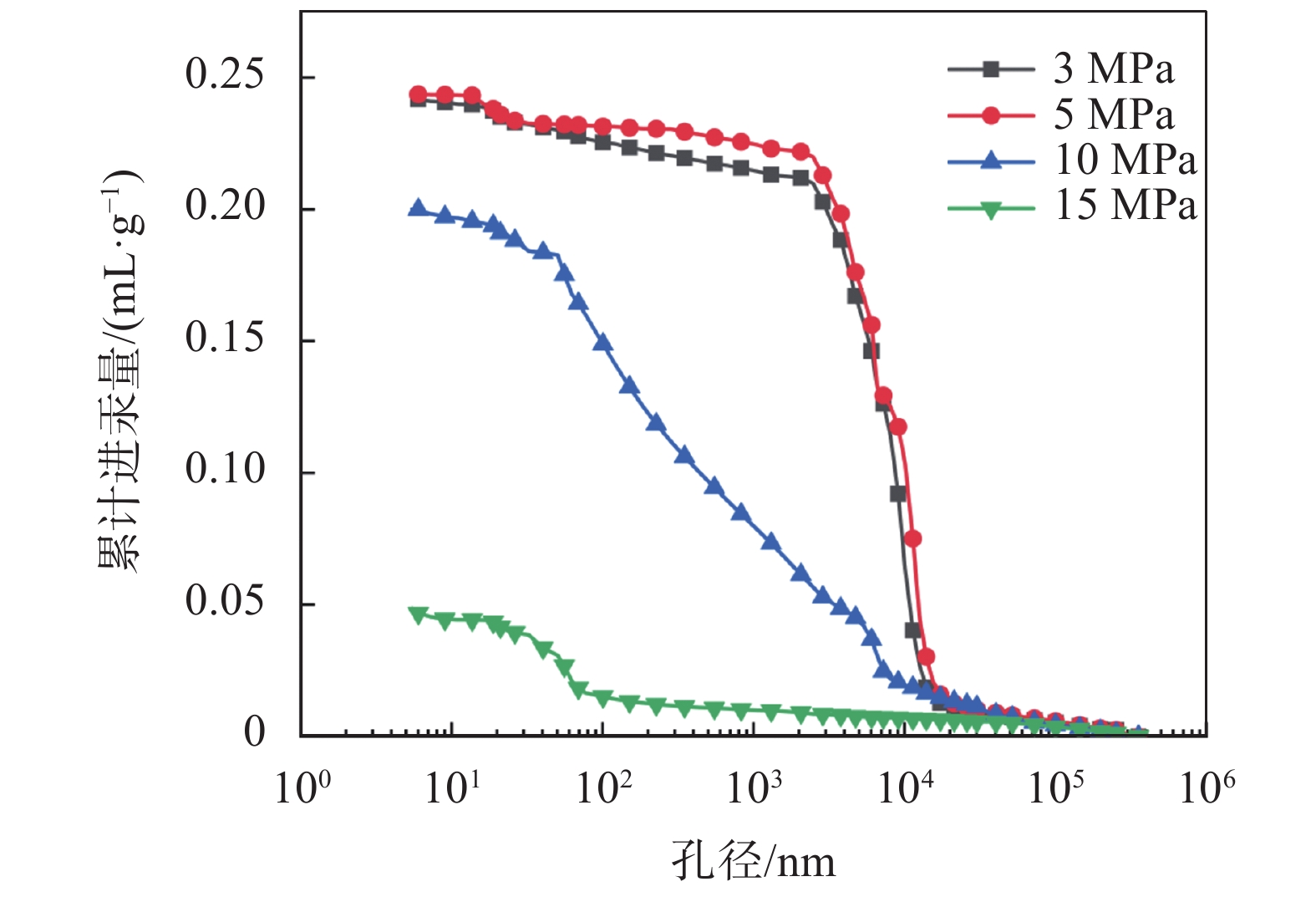
As the demand for natural aggregates in the construction industry increases, resource shortages and environmental concerns have become more prominent, making the development of artificial aggregates highly significant. This study investigates solid waste-based artificial aggregates prepared from fine sand, clay, cement, and other raw materials, focusing on their mechanical properties and underlying microscopic mechanisms. The unconfined compressive strength tests revealed that when the sample preparation pressure ranged from 5~10 MPa, strength increased significantly, with a slight increase observed between 10~15 MPa. Above 15 MPa, no further increase in strength was observed. Furthermore, the strength of unburned artificial aggregates was notably improved at a 50% agent-to-mud ratio. The addition of clay to fine sand enhanced soil properties, with strength peaking when 40% clay was added; however, excessive clay content reduced strength. Microstructural analysis using scanning electron microscopy (SEM) and mercury intrusion porosimetry (MIP) indicated that the sample with a 50% cement ratio exhibited the highest and most evenly distributed hydration products. In contrast, the 75% cement ratio sample formed a lamellar structure that hindered cement hydration, leading to reduced strength. Pore diameters were mainly in the 5~20 nm range under a 15 MPa preparation pressure. This study establishes the optimal parameters for producing solid waste-based artificial aggregates, offering a theoretical and technical foundation for addressing natural aggregate shortages and promoting sustainable resource utilization.
Influence of fly ash on the thermodynamic properties of graphite concrete
WANG Shuai, YUAN Chenghao, LÜ Ye
2026, 40(4): 624-632. doi: 10.20265/j.cnki.issn.1007-2993.2025-0150
Abstract:
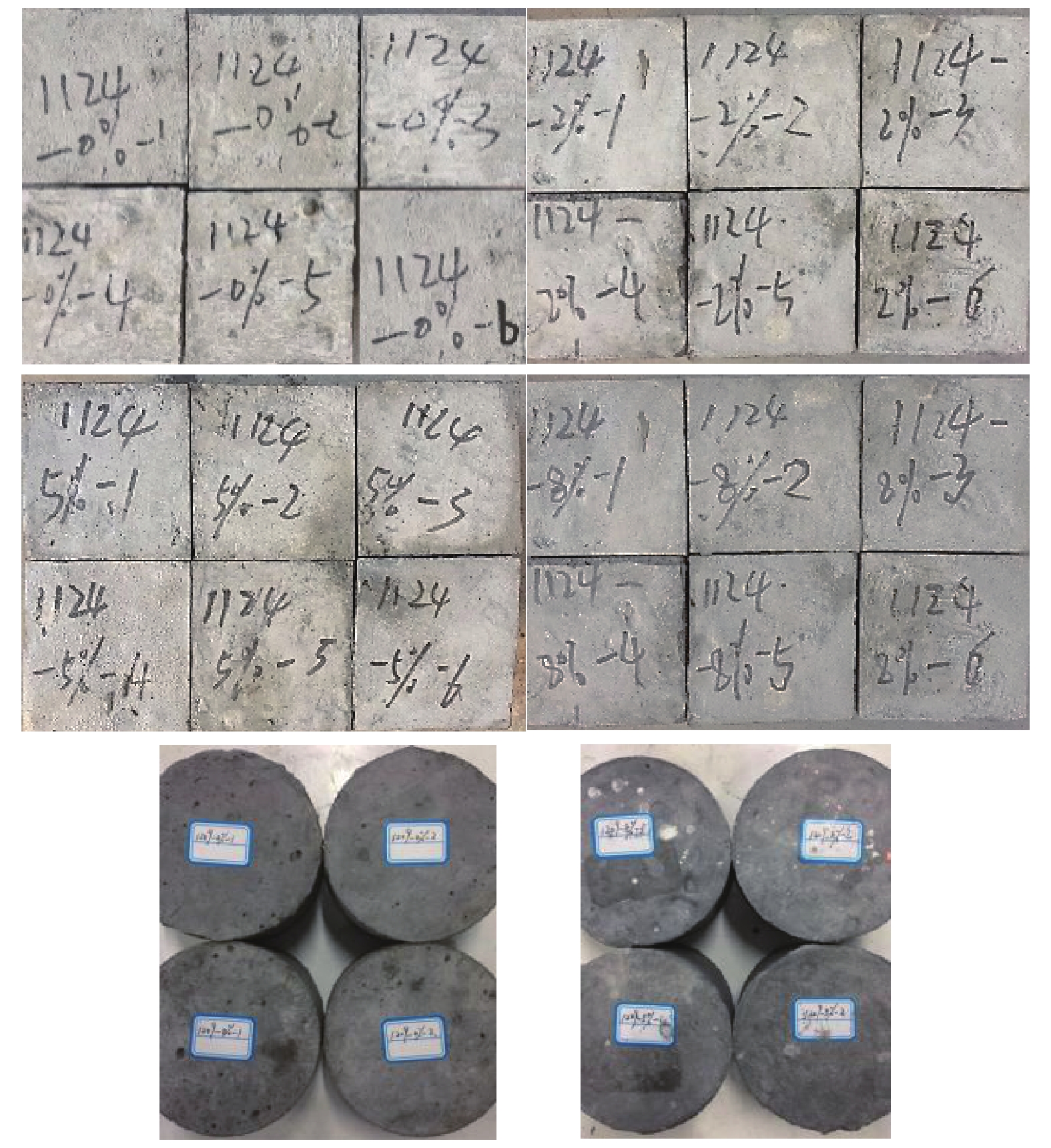
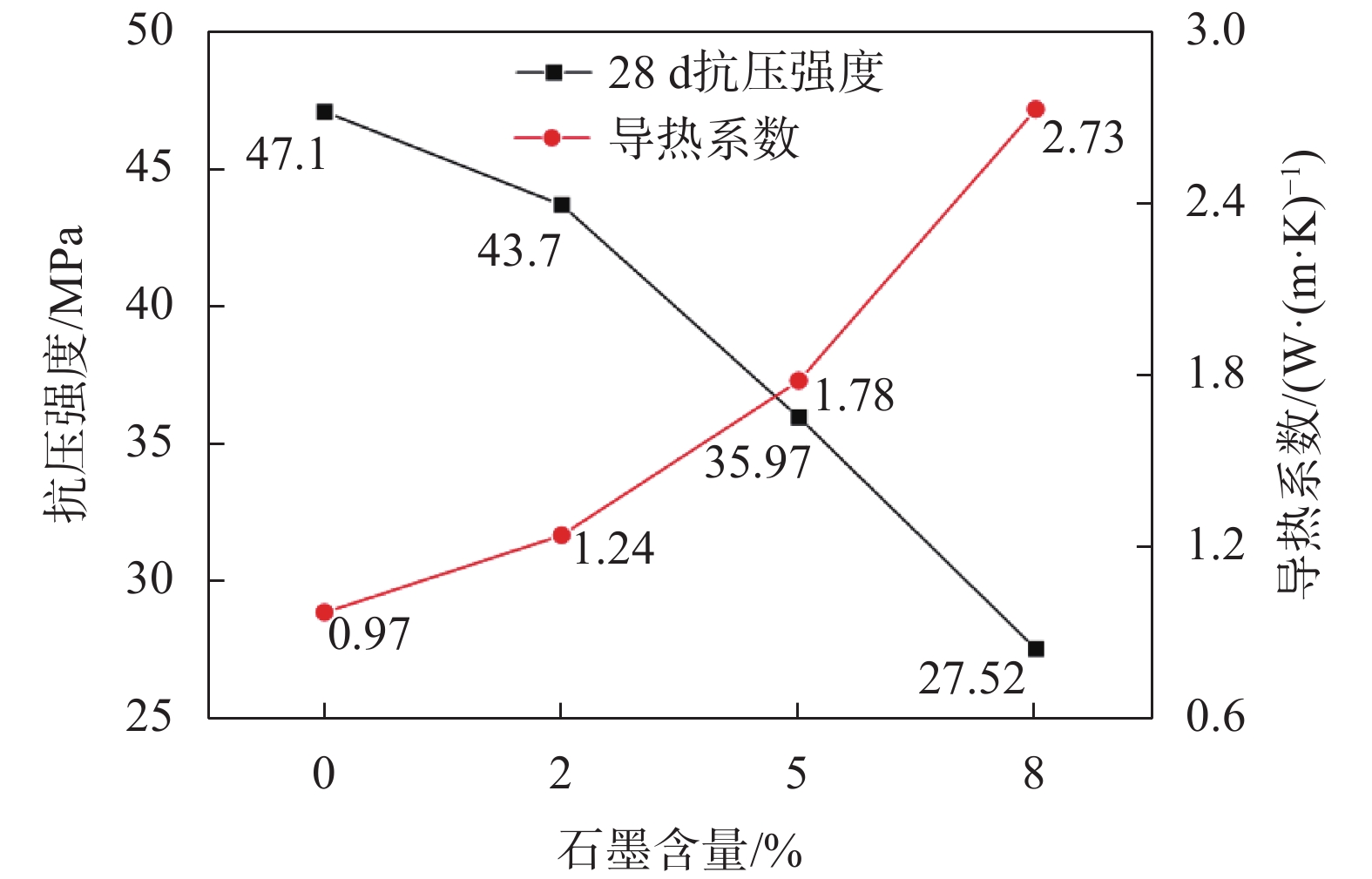
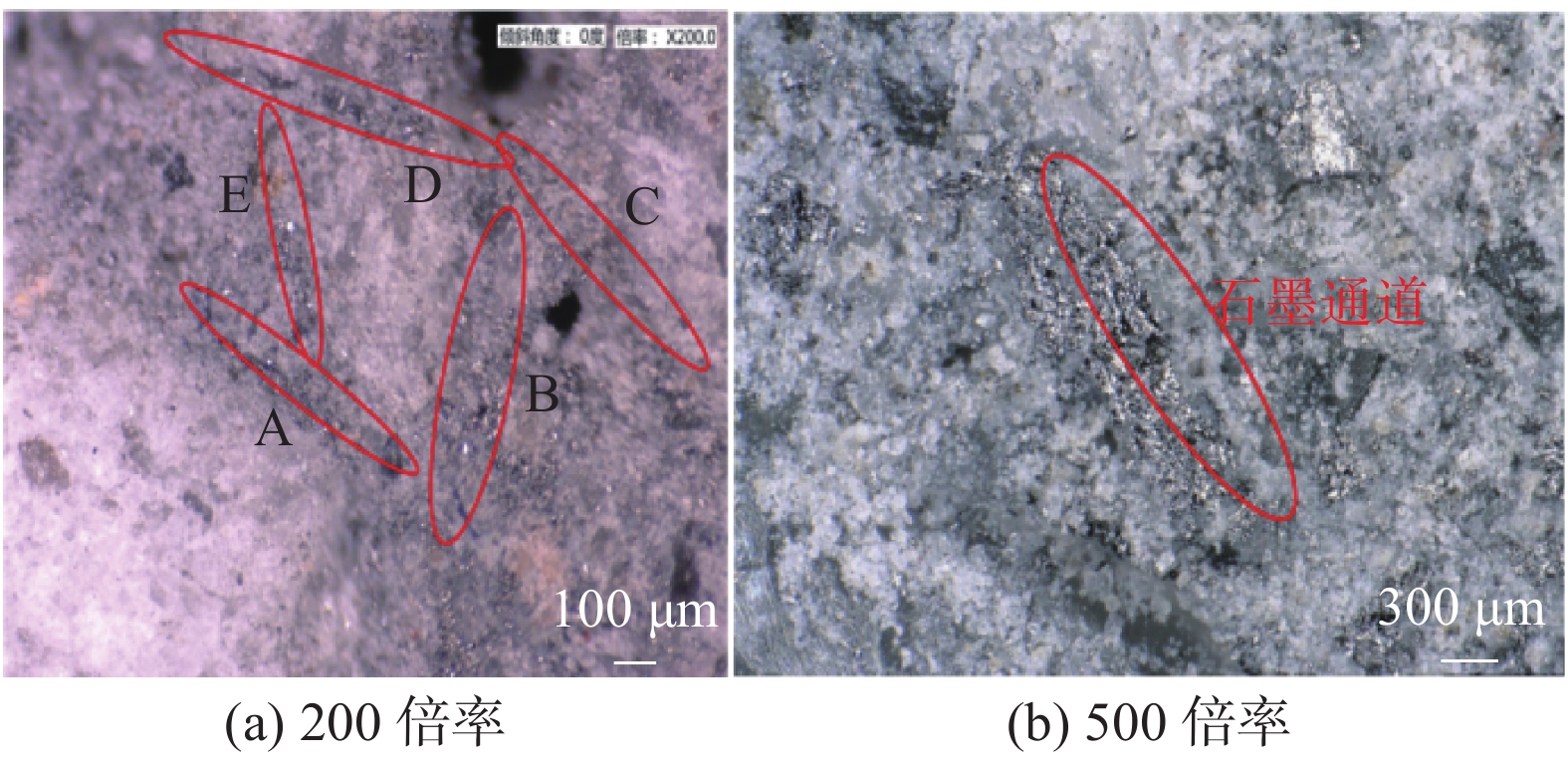
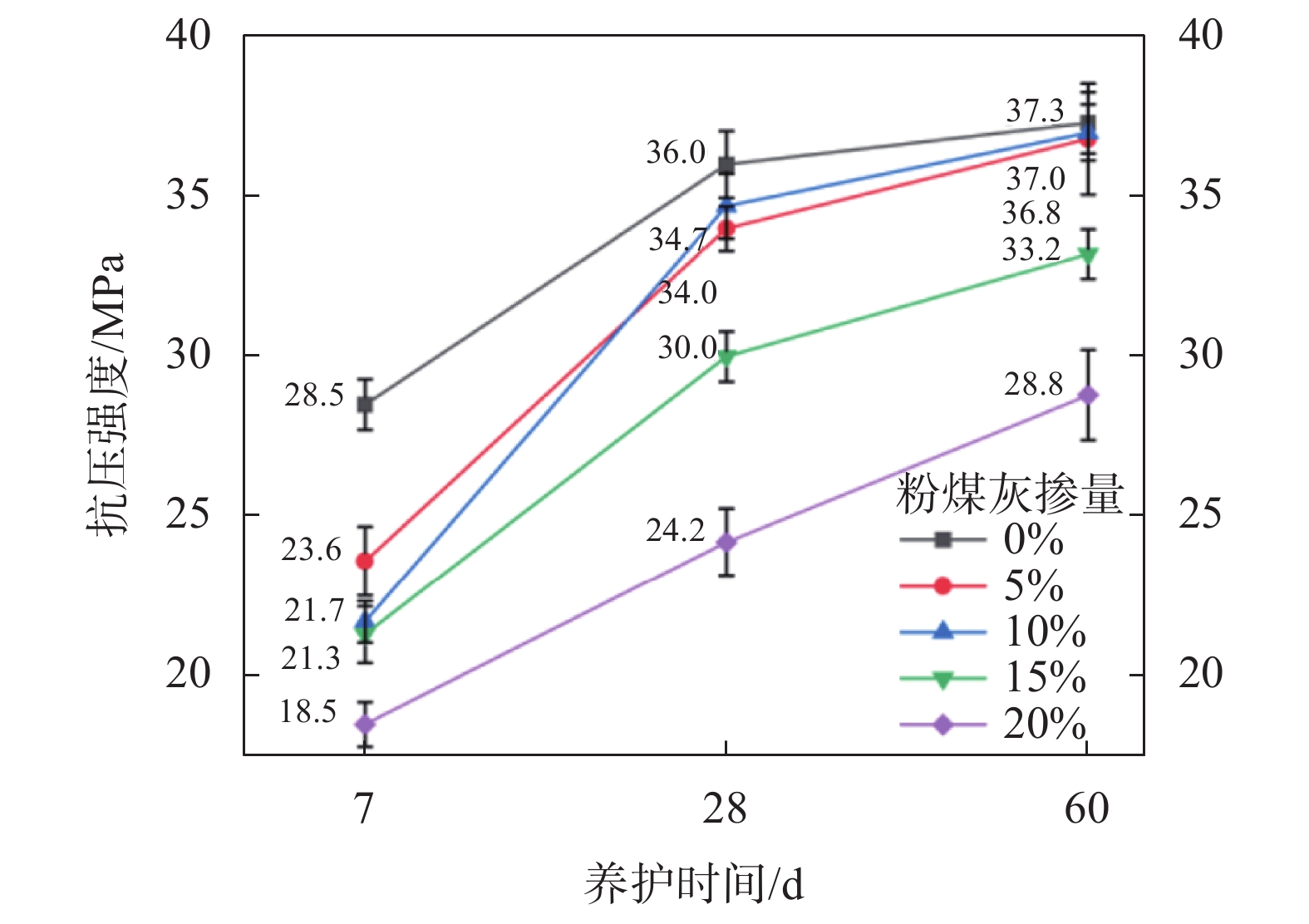
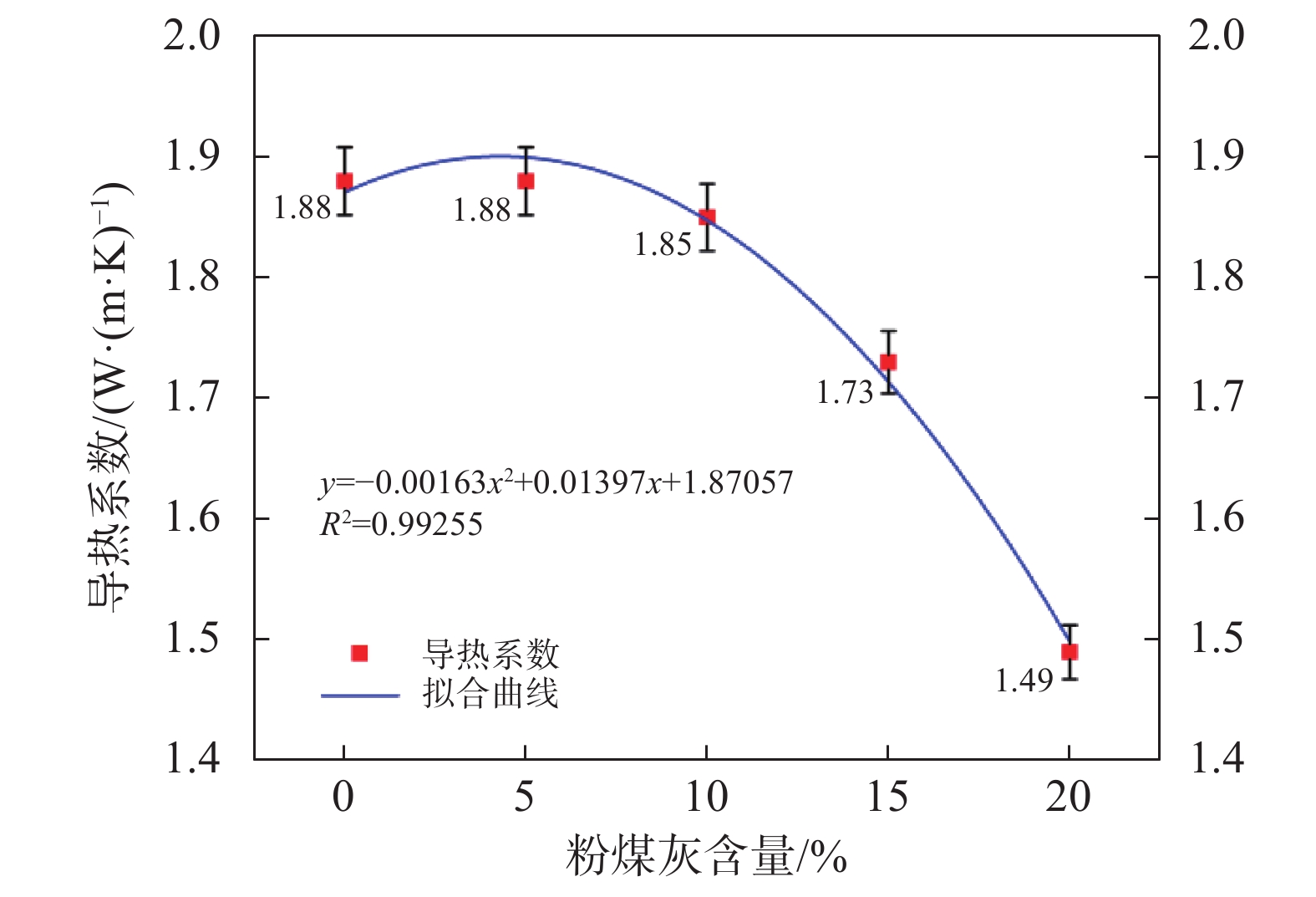
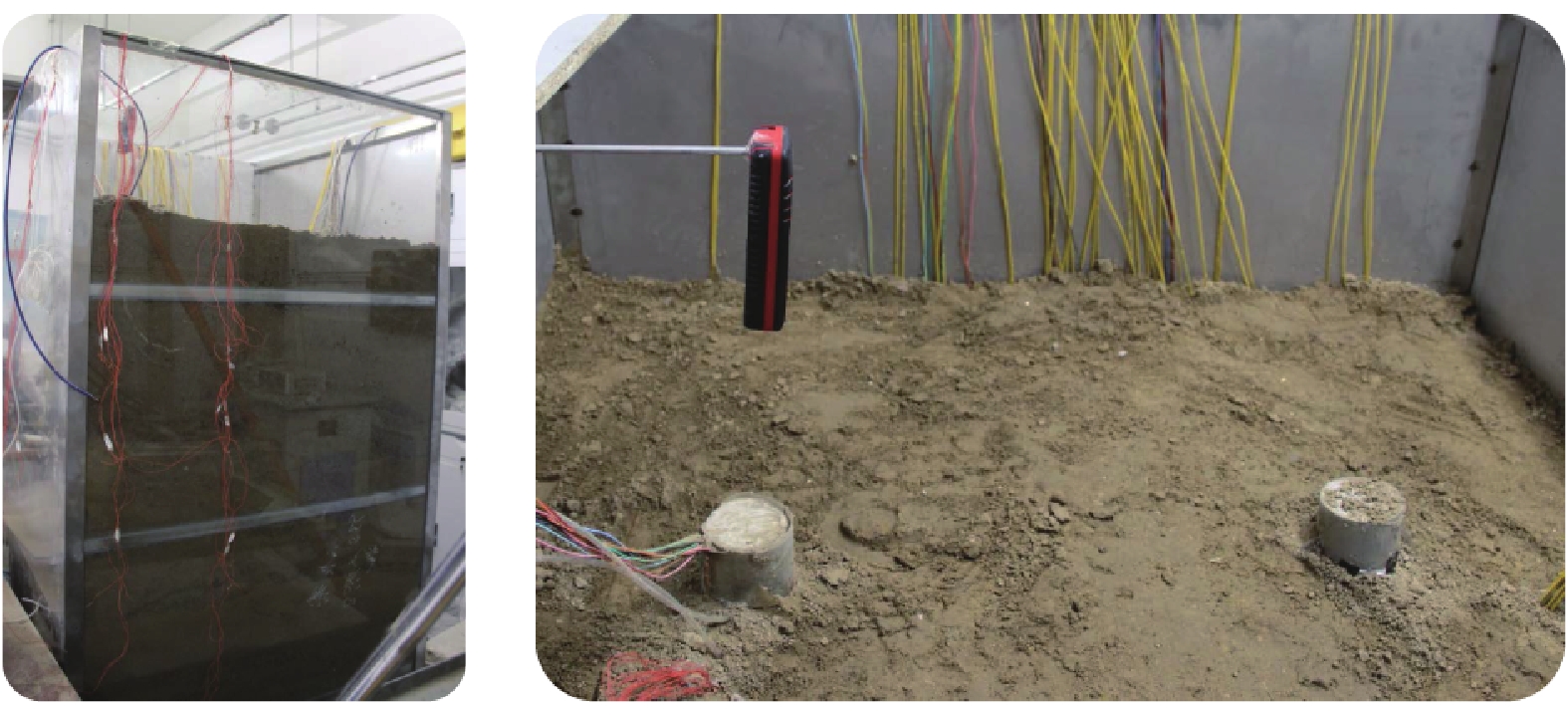
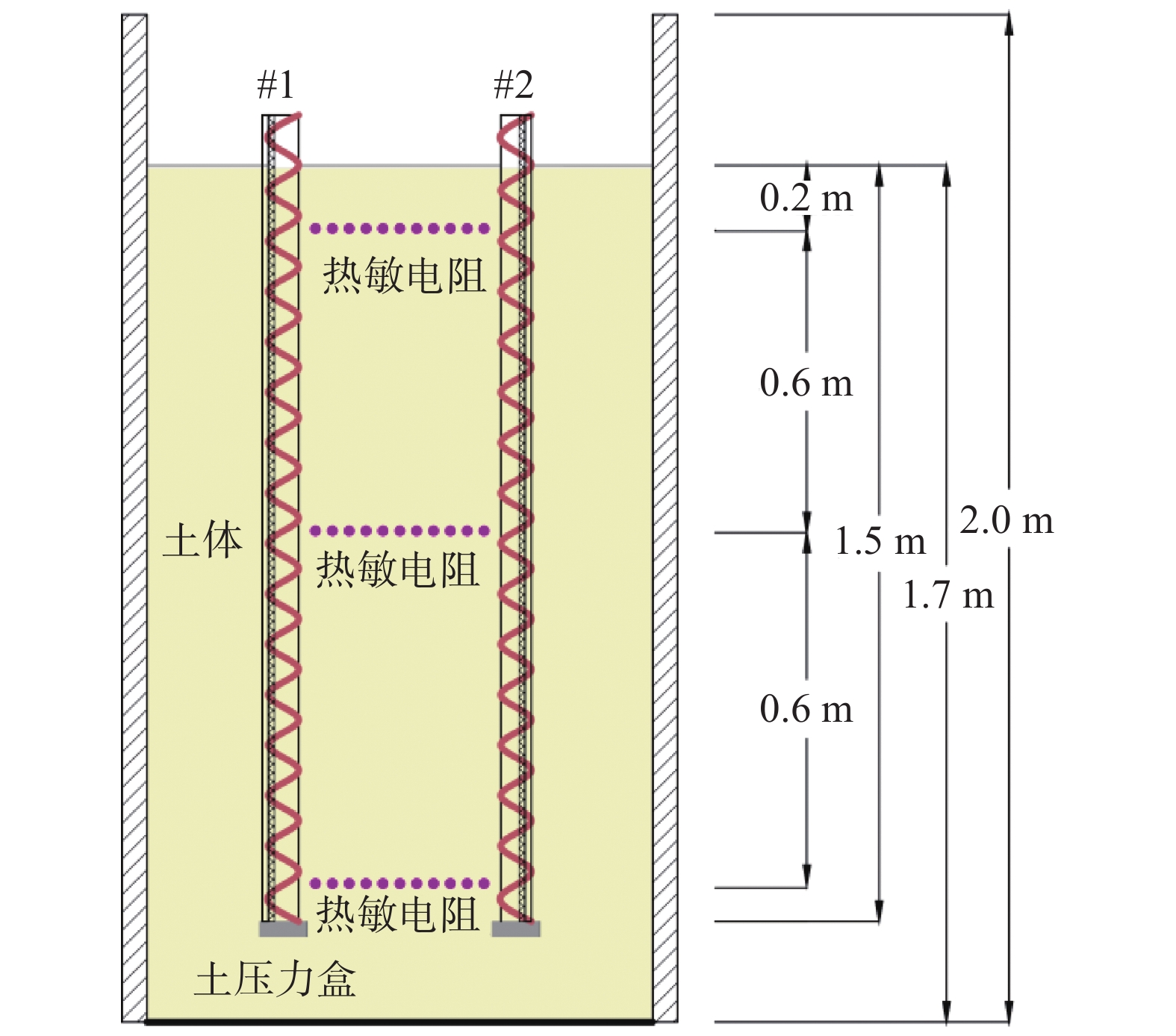
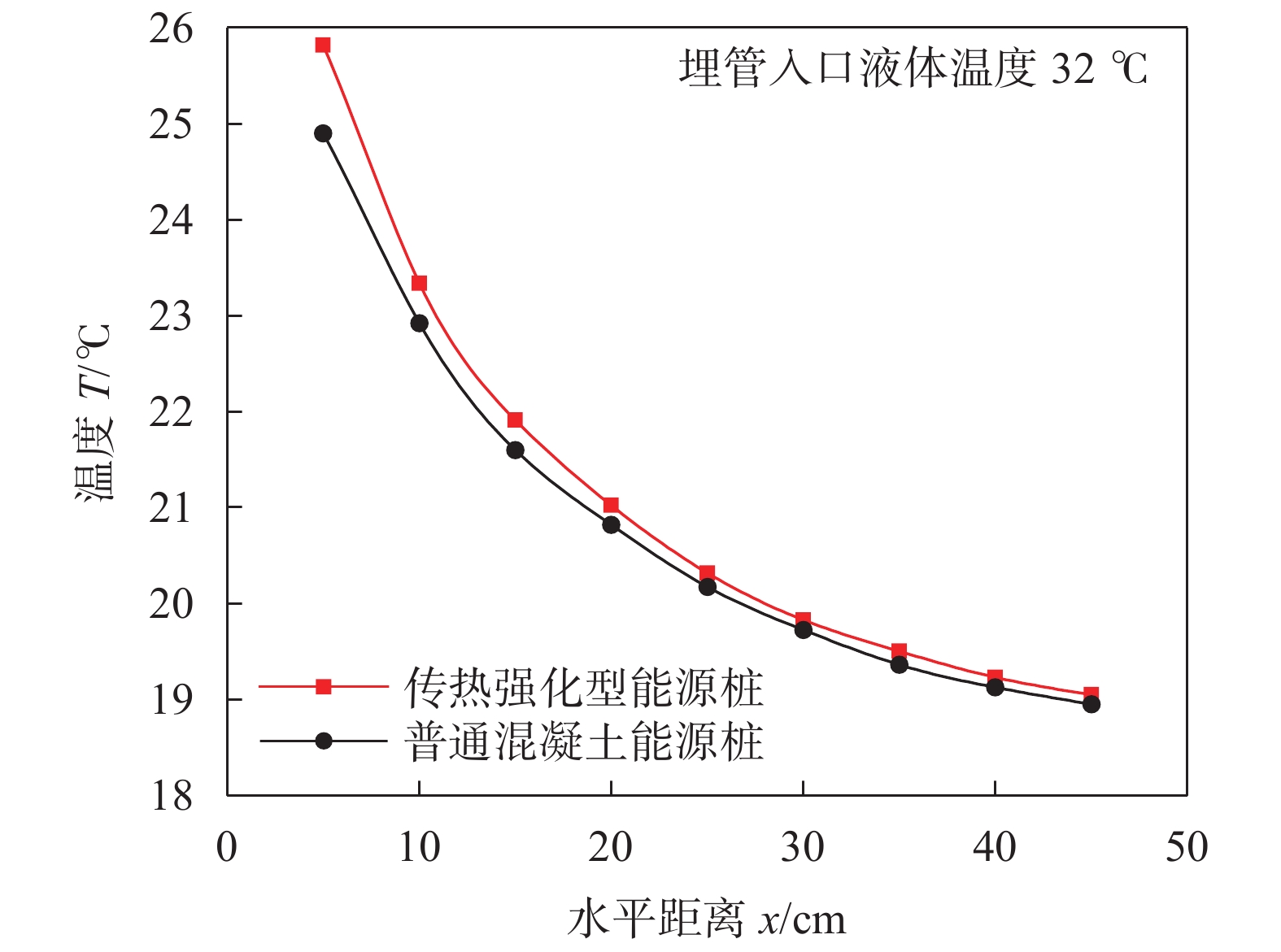
Energy piles integrate building pile foundations with ground-source heat pump technology, bearing building loads while also harnessing shallow geothermal energy. This study focuses on optimizing the strength and thermophysical parameters of graphite concrete through the incorporation of graphite and fly ash. Experimental results indicate that a graphite content of 5% yields the best performance, as the addition of graphite enhances heat transfer but its brittle structure adversely affects concrete strength and density. Meanwhile, a fly ash content ranging from 5%~10%, not only significantly boosts the compressive strength of the concrete but also improves its workability and water retention. However, as the fly ash content increases, the thermal conductivity of the graphite concrete gradually decreases, with a 10% fly ash content marking a turning point in this trend. Verification through the construction of a scale model of an energy pile confirms that graphite-fly ash heat transfer-enhanced energy piles can effectively facilitate heat exchange throughout the circulating fluid within the embedded pipes of the pile foundation. This study recommends a graphite content of 5% and a fly ash content of 10%.